
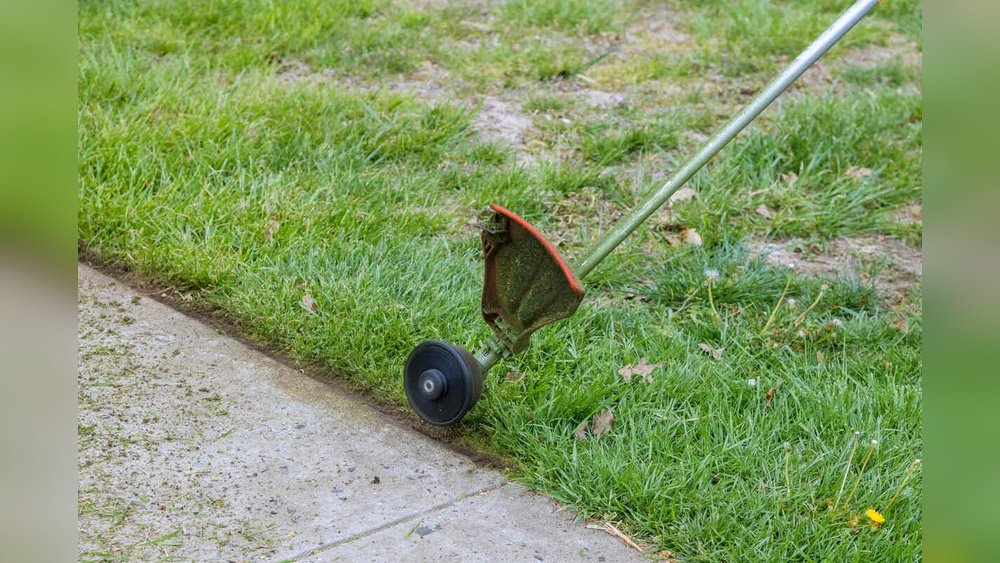
Are you tired of uneven, messy edges ruining the look of your lawn or haircut? Using an electric trimmer can be the game-changer you need to create sharp, clean edges that stand out.
But getting that perfect line isn’t just about turning the trimmer on—it’s about knowing the right techniques and avoiding common mistakes that can leave your edges looking rough or uneven. In this guide, you’ll discover simple, step-by-step tips to master your electric trimmer and achieve flawless edges every time.
Ready to transform your trimming skills and impress everyone with your precision? Keep reading to unlock the secrets of perfect edges made easy.
Choosing The Right Electric Trimmer
Choosing the right electric trimmer is essential for creating clean, sharp edges. The right tool saves time and effort. It helps you achieve a neat, professional look every time. Understanding different types and features will guide your choice. Battery life and power source also affect performance.
Types Of Electric Trimmers
There are various types of electric trimmers for edging tasks. Corded trimmers offer continuous power but limit movement. Battery-powered trimmers provide freedom to move but need charging. Some trimmers combine trimming and edging functions. Choose a type based on your yard size and needs.
Key Features To Consider
Blade quality affects cutting precision and durability. Adjustable cutting widths help reach tight spaces. Lightweight models reduce hand fatigue during use. Easy-to-grip handles improve control and comfort. Look for safety features like blade guards and automatic shutoff. These features enhance your trimming experience.
Battery Vs. Corded Models
Battery models are portable and quiet. They suit small to medium yards. Battery life varies; check how long it lasts per charge. Corded models offer constant power without breaks. They work well for large areas with nearby outlets. Consider your yard size and power needs before choosing.

Credit: supply.co
Preparing Your Lawn For Trimming
Preparing your lawn for trimming is an important first step to achieve clean, sharp edges. It makes the trimming process easier and the results neater. Spend time preparing the area before starting your electric trimmer. This preparation helps avoid damage to the trimmer and ensures a smooth cut.
Clearing Debris And Obstacles
Remove sticks, stones, and leaves from the lawn edges. These items can block the trimmer and cause uneven cuts. Clear away garden tools, toys, or any objects near the trimming area. A clean space protects the trimmer blade and keeps the edges tidy.
Leveling The Edging Area
Check the ground along the edge for bumps or holes. Use a rake or shovel to level uneven spots. A flat surface helps the trimmer move steadily and produces straight edges. Level soil also prevents accidental damage to nearby plants or structures.
Marking The Edging Lines
Use a string, garden hose, or spray paint to mark the trimming path. Clear lines guide your trimming and keep the edges consistent. Marking the lines first reduces mistakes and saves time. It also helps you maintain a neat shape throughout the trimming process.
Setting Up Your Trimmer For Edging
Setting up your electric trimmer properly is the first step to creating clean, perfect edges. A well-prepared trimmer gives you control and accuracy. It also helps you work safely and efficiently. Follow the steps below to get your trimmer ready for edging.
Attaching The Edging Blade Or Guard
Start by turning off and unplugging your trimmer. Locate the edging blade or guard designed for your model. Attach it firmly according to the manual instructions. This blade or guard directs the trimmer for precise edging. Check that it locks securely in place to avoid accidents.
Adjusting Cutting Height
Set the cutting height to match your lawn’s edge. Use the height adjustment lever or knob on the trimmer. Choose a height that trims grass without scalping it. Proper height ensures smooth, neat edges and protects the lawn’s health. Make small adjustments and test on a small area first.
Safety Gear And Precautions
Wear safety goggles to protect your eyes from flying debris. Use ear protection to guard your hearing from noise. Gloves provide a better grip and protect your hands. Avoid loose clothing that can get caught in the trimmer. Keep children and pets away from the work area for safety.
Techniques For Creating Sharp Edges
Creating sharp edges with an electric trimmer requires specific techniques. These methods help achieve clean, precise lines around your lawn or garden beds. Focus on your hand position, speed, and how you handle corners. Each step plays a key role in the overall look.
Proper Hand Position And Movement
Hold the trimmer firmly but comfortably. Keep your wrist steady to avoid shaky lines. Move your hand smoothly along the edge without jerking. This control helps create straight, sharp lines. Keep the trimmer blade close to the edge but not digging into the soil. Small, controlled movements produce the best results.
Maintaining Consistent Speed
Use a steady speed while trimming. Moving too fast can cause uneven edges. Moving too slow may result in rough cuts. Find a pace that feels natural and consistent. Consistent speed helps the blade cut evenly. This technique reduces missed spots and uneven lines.
Handling Corners And Curves
Slow down when approaching corners and curves. Tilt the trimmer slightly to follow the shape. Use short, careful strokes to maintain control. Avoid rushing, as it can create jagged edges. For sharp corners, pause and adjust your angle before continuing. Smooth curves require gentle, flowing movements for a neat finish.
Common Mistakes To Avoid
Creating perfect edges with an electric trimmer requires care and attention. Many people make simple mistakes that ruin their work. Avoiding these errors saves time and improves results. Here are some common mistakes to watch out for.
Skipping Lawn Preparation
Starting without preparing the lawn causes problems. Grass, leaves, and debris block the trimmer. This leads to uneven cutting and jagged edges. Clear the area first. Trim tall grass around the edges before using the trimmer. This helps you see the boundaries clearly.
Using Incorrect Trimmer Settings
Each trimmer has different settings for speed and cutting height. Using the wrong one damages the grass or soil. A high speed cuts too deeply and harms roots. A low speed may not trim well. Adjust the trimmer settings based on grass type and thickness. Check the manual for guidance.
Overcutting Or Uneven Edges
Cutting too much or unevenly leaves the lawn looking messy. Move the trimmer slowly and steadily along the edge. Avoid rushing or making sharp turns. Keep the trimmer head close to the ground but not digging in. Practice smooth, consistent movements for clean lines every time.
Maintaining Your Electric Trimmer
Maintaining your electric trimmer is essential for smooth and accurate edging. Proper care extends the tool’s life and keeps it working at its best. Regular maintenance prevents breakdowns and saves money on repairs.
Taking time to clean and check your trimmer ensures it performs well every use. Follow simple steps to keep your trimmer sharp and ready.
Cleaning After Use
Remove grass and debris from the trimmer head after each use. Use a brush or cloth to clean the blades and guard. Avoid water on electrical parts to prevent damage. Clean trimmers cut better and last longer.
Replacing Blades And Lines
Check blades and lines regularly for wear or damage. Replace them when they become dull or broken. Use only the correct parts recommended by the manufacturer. Sharp blades and fresh lines give clean, precise edges.
Battery Care Tips
Charge the battery fully before storing the trimmer. Store batteries in a cool, dry place to keep them healthy. Avoid leaving the battery empty for long periods. Proper battery care ensures longer run time and better performance.
Enhancing Edges With Additional Tools
Enhancing the edges of your lawn or garden can greatly improve its overall look. Using just an electric trimmer might leave some areas less tidy. Extra tools help to refine and clean these edges for a crisp finish. These tools make the job easier and faster while giving your outdoor space a professional touch.
Using A String Trimmer For Fine Detail
A string trimmer is perfect for reaching small or tricky spots. It trims grass close to fences, flower beds, and walkways. This tool allows precise control for sharp, clean lines. Choose a lightweight model to reduce fatigue. Keep the string at the right length for best results. Move slowly and steadily to avoid uneven cuts.
Leveraging A Leaf Blower For Cleanup
After trimming, grass clippings and debris scatter around. A leaf blower quickly clears these from paths and edges. It pushes loose material back into the lawn or garden beds. This cleanup step improves appearance and prevents debris buildup. Use the blower on a low setting to avoid scattering dirt. It saves time and leaves the area neat and tidy.
Incorporating Landscape Edging Materials
Landscape edging materials define and protect your trimmed edges. Options include plastic, metal, stone, or wood strips. These materials keep grass from spreading into flower beds. They also help maintain straight lines and prevent soil erosion. Install edging along paths or garden borders for a polished look. Choose materials that match your garden style and climate.
Credit: business.walmart.com

Credit: www.amazon.com
Frequently Asked Questions
Can You Edge With An Electric String Trimmer?
Yes, you can edge with an electric string trimmer. Hold it vertically and carefully trim along sidewalks or flower beds for clean edges.
What Are Common Mistakes When Edging?
Common edging mistakes include skipping site prep, using cheap materials, improper depth, ignoring drainage, poor curve planning, and neglecting maintenance.
How To Do Edging With A Trimmer?
Hold the trimmer steadily and guide its edge along the lawn boundary. Move slowly for clean, sharp lines. Trim grass near sidewalks or driveways carefully. Use the trimmer guard to protect plants and surfaces. Finish by clearing cut grass for a neat appearance.
How To Trim Evenly With A String Trimmer?
Hold the trimmer at a consistent height and angle. Move steadily along the edge in smooth, overlapping strokes. Keep the string taut and replace it when worn. Maintain a steady pace to avoid uneven cuts. Trim in dry conditions for best results.
Conclusion
Using an electric trimmer helps create clean, sharp edges easily. Take your time and follow the steps carefully. Keep the trimmer steady and move slowly for best results. Regular trimming keeps edges neat and your lawn looking fresh. Practice makes perfect—each time you trim, you’ll get better.
Enjoy the satisfaction of a well-edged lawn every time.