
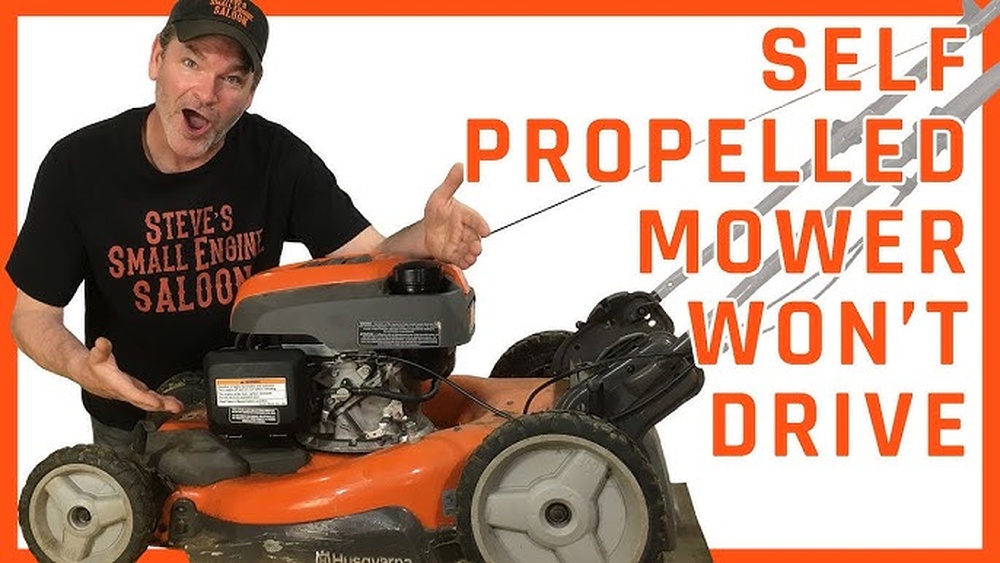
Is your self-propelled edger refusing to move no matter how hard you push the lever? It’s frustrating when your trusted tool won’t cooperate, especially when your yard needs attention. This guide will help you with self-propelled edger troubleshooting to get your equipment back in action.
But don’t worry—you don’t have to call a repair shop just yet. By understanding a few common issues and simple fixes, you can get your edger rolling smoothly again. In this guide, you’ll discover easy steps to troubleshoot why your self-propelled edger won’t move and how to fix it fast.
Keep reading, and take control of your lawn care with confidence!
Credit: evang-altenhilfe-lu.de
Check The Drive Belt
One common reason a self-propelled edger won’t move is a problem with the drive belt. The drive belt connects the engine to the wheels. It transfers power, making the edger move forward. Checking this belt can help find the cause of the issue quickly. A worn or broken belt often stops the edger from moving.
Inspect For Wear And Damage
First, look closely at the drive belt. Check for cracks, fraying, or signs of wear. A belt that looks shiny or glazed may have slipped and lost grip. Also, see if the belt is loose or has stretched. Any damage can stop the belt from turning the wheels properly. Remove debris or dirt that may block the belt’s movement. A careful inspection often reveals the problem.
Replace A Broken Belt
If the belt shows damage or is broken, replace it with a new one. Use the exact type recommended by the edger’s manufacturer. Start by loosening the tension on the old belt. Remove it carefully from the pulleys. Then, fit the new belt in place, ensuring it sits correctly on all pulleys. Tighten the belt to the proper tension. Test the edger to see if it moves smoothly. Replacing the drive belt usually solves the problem fast.
Examine The Drive Cable
The drive cable plays a key role in the self-propelled edger’s movement. It connects the control lever to the transmission, allowing the wheels to move when engaged. Problems with this cable can stop the edger from moving, even if the engine runs fine. Examining the drive cable helps identify if it is the cause of the issue. This step is simple but important for effective troubleshooting.
Look For Loose Or Disconnected Cables
Start by inspecting the drive cable along its entire length. Check if the cable is loose or disconnected at either end. The cable should be firmly attached to the control lever and transmission. A loose cable can prevent power from reaching the wheels. A disconnected cable breaks the connection entirely, stopping movement. Look closely for worn or frayed spots that may cause slipping or breakage.
Adjust Or Reconnect Cable
If the cable is loose, adjust it to restore proper tension. Tighten any screws or clamps holding the cable in place. Reconnect the cable if it has become detached. Make sure it clicks or locks securely into its mounting points. Test the control lever to confirm the cable moves smoothly without slack. Proper adjustment and reconnection restore the link between the lever and transmission, allowing the edger to move again.
Inspect The Transmission
Inspecting the transmission is a key step in fixing a self-propelled edger that refuses to move. The transmission transfers power from the engine to the wheels. If it fails, the edger will stay put even if the engine runs. Checking the transmission ensures the problem is not hidden inside the drive system.
Check Transmission Engagement
Start by confirming the transmission engages properly. Engage the drive lever and listen for any unusual sounds. Feel if the wheels try to turn while the engine runs. If the transmission does not engage, the drive cable might be loose or broken. Tighten or replace the cable as needed. Also, check if the transmission gear shifts smoothly. Any grinding or slipping means internal parts may be worn out.
Additional Troubleshooting Tips
Beyond the drive belt, drive cable, and transmission, there are other areas to consider in self-propelled edger troubleshooting. Ensure that the wheels are not obstructed by debris and that the engine is running at full power. Regular maintenance and cleaning can prevent many common issues.