

Last updated: October 2026 · Written by the LawnVibe editorial team.
In rainy climates, or on lawns shaded by trees and buildings, dry mowing days can be rare. When grass grows fast and the lawn rarely dries out, you need a mower and a routine that cope with damp conditions without tearing up the turf. The best mower for wet grass has enough power to cut heavy, moist grass, good airflow to move clippings, traction for soft ground, and a design that keeps you safe. This guide compares mowers and accessories for damp lawns and explains how to use them well.
Our picks are based on published specifications, manufacturer information and the features that matter on damp lawns, not on hands-on testing. Before you mow, read our guide on whether you can mow wet grass with an electric mower, which covers the safety side in detail.
Our Top Picks
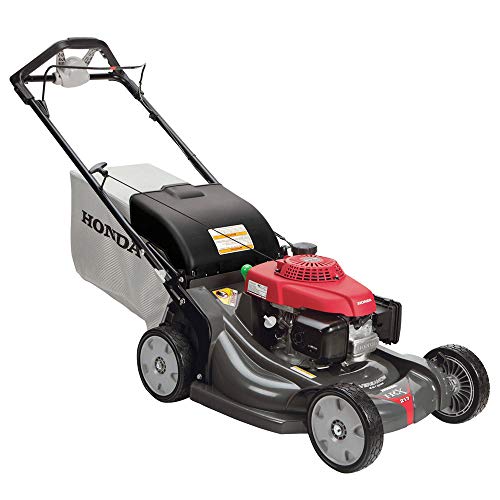
Honda 660250 21-Inch 187cc Versamow Mower
Best for: Often-damp, lush lawns
A 21-inch, 187cc gas mower with Honda’s Versamow system for bagging, mulching, discharge and leaf shredding. Gas power avoids the electrical concerns of corded mowers and has the torque to push through heavy, damp grass. Still, wait for grass to dry whenever you can.
- Strong engine for heavy grass
- Flexible clipping options
- No cord or battery limits
- Heavy
- Needs fuel and oil

Makita XML11CT1 36V 21-Inch Self-Propelled Mower
Best for: Soft or sloped damp ground
A self-propelled 21-inch battery mower. Drive assistance helps on soft, damp ground where pushing is tiring, and the kit includes four batteries for extra runtime when heavy grass drains them faster.
- Self-propelled drive
- Four batteries included
- Quiet and low maintenance
- Premium price
- Not for mowing in rain

Greenworks 80V 21-Inch Brushless Mower Combo
Best for: Dense grass that grows fast in wet seasons
An 80V brushless 21-inch mower with mulching, bagging and side discharge, sold with a blower. High-voltage power helps when wet-season growth gets thick between dry spells.
- 80V brushless power
- 3-in-1 clipping options
- Blower included
- Push model
- Heavier battery platform
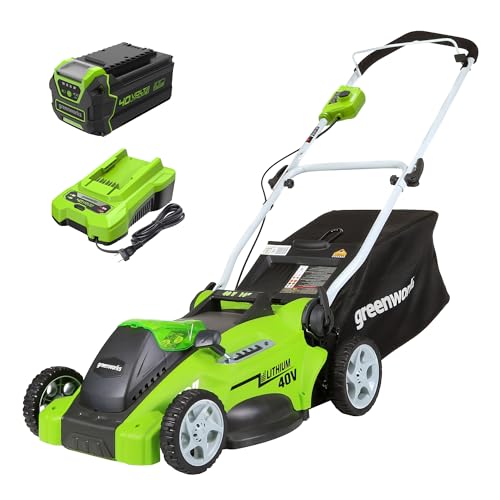
Greenworks 40V 16-Inch Cordless Mower
Best for: Small lawns with soft soil
A light 16-inch cordless mower, about 37.5 lb, with a 4.0Ah battery. A lighter mower leaves fewer ruts in soft, damp soil and is easier to handle on slippery grass.
- Light, less rutting
- Battery and charger included
- Works with Greenworks 40V tools
- 16-inch cut
- Limited runtime for larger lawns
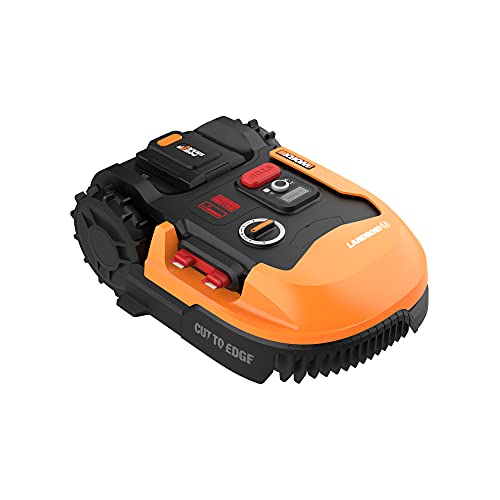
Worx Landroid M 20V Robotic Mower
Best for: Lawns up to about 1/4 acre in rainy climates
A robot mower for lawns up to about 1/4 acre. Mowing a little and often keeps grass short, so you are never forced to tackle long, wet grass after a rainy week. Check the current model features for rain handling and scheduling.
- Mows little and often
- Battery shared with Worx tools
- Frees you from mowing windows
- Setup takes time
- Best on fairly flat lawns
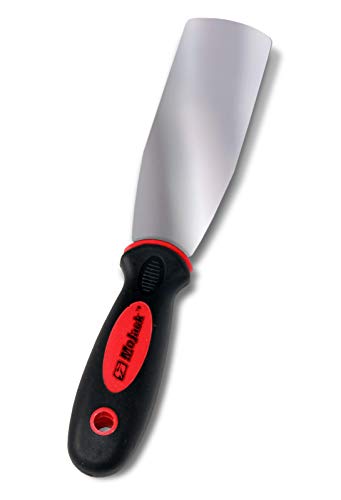
Mojack Stainless-Steel Mower Deck Scraper
Best for: Anyone who mows damp grass
A stainless-steel scraper with a non-slip grip for clearing packed wet clippings from under the deck, which restores airflow and cut quality and reduces rust.
- Clears packed wet clippings
- Stainless steel
- Comfortable grip
- Manual tool
- Disconnect power before use
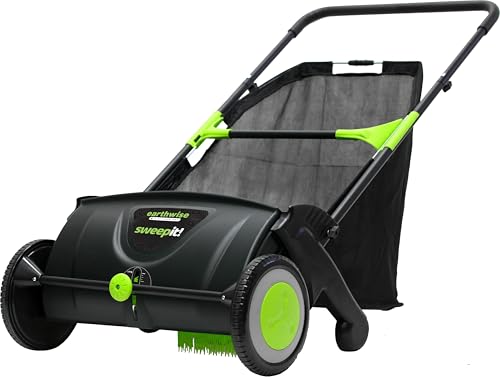
Earthwise LSW70021 21-Inch Lawn Sweeper
Best for: Picking up wet clumps after mowing
A 21-inch push lawn sweeper that collects leaves and grass clumps. Handy after mowing damp grass, when clippings fall in heavy clumps that can smother the lawn.
- 21-inch sweeping width
- Lightweight, about 14 lb
- No fuel or power needed
- Assembly required
- Less effective on uneven ground
Comparison Table
| # | Product | Best for | Link |
|---|---|---|---|
| 1 | Honda 660250 21-Inch 187cc Versamow Mower | Often-damp, lush lawns | Check price |
| 2 | Makita XML11CT1 36V 21-Inch Self-Propelled Mower | Soft or sloped damp ground | Check price |
| 3 | Greenworks 80V 21-Inch Brushless Mower Combo | Dense grass that grows fast in wet seasons | Check price |
| 4 | Greenworks 40V 16-Inch Cordless Mower | Small lawns with soft soil | Check price |
| 5 | Worx Landroid M 20V Robotic Mower | Lawns up to about 1/4 acre in rainy climates | Check price |
| 6 | Mojack Stainless-Steel Mower Deck Scraper | Anyone who mows damp grass | Check price |
| 7 | Earthwise LSW70021 21-Inch Lawn Sweeper | Picking up wet clumps after mowing | Check price |
Why Wet Grass Is Hard to Mow
Wet grass is heavier than dry grass and bends flat instead of standing up for the blade. That leads to torn tips rather than clean cuts, an uneven finish once the grass springs back, and clippings that stick together and drop in clumps. Moist clippings also pack under the deck, blocking airflow and adding load to the engine or motor. Soft soil ruts under wheels and feet, and slippery grass is a hazard on slopes. Understanding these problems explains which mower features help.
A Closer Look at Each Pick
Honda 660250 21-inch gas mower. A strong engine and a versatile clipping system make this a solid choice for lawns that are often damp and lush. Gas power avoids the electrical concerns of corded mowers and delivers steady torque through heavy grass.
Makita XML11CT1 self-propelled. On soft, damp ground, pushing a heavy mower is tiring and can cause slipping. Self-propelled drive does the work, and four included batteries help when heavy grass drains power faster.
Greenworks 80V 21-inch brushless. In wet seasons, grass grows quickly between dry spells. High-voltage brushless power helps cut that thick growth when you finally get a mowing window.
Greenworks 40V 16-inch. A lighter mower leaves fewer ruts on soft soil and is easier to control on slippery grass, which suits small lawns.
Worx Landroid M robot. Mowing little and often means grass never gets long, so rainy weeks do not leave you with an overgrown, soggy lawn. Robots suit people who struggle to find dry mowing windows.
Mojack deck scraper. Clearing packed wet clippings after mowing restores airflow and cut quality and helps prevent rust.
Earthwise lawn sweeper. Collects the heavy clumps that damp mowing leaves behind, so they do not smother and yellow the grass.
Features That Matter for Damp Lawns
Power
Wet grass takes more power to cut and move. Choose a capable gas engine or a brushless battery motor on a strong platform. Battery runtime drops in heavy grass, so a larger battery or a spare is useful.
High-lift blade and good airflow
A high-lift blade creates strong airflow that stands grass up before the cut and moves clippings into the bag or out of the chute. Decks designed for good airflow clog less.
Self-propelled drive and traction
Rear-wheel or all-wheel drive gives the best traction on soft ground and slopes. Large rear wheels roll more easily and spread weight, reducing ruts.
Weight
On small lawns with soft soil, a lighter mower leaves fewer ruts and is easier to handle.
Cutting height range
Mowing higher on damp days reduces clumping and stress. A wide height range with a high top setting helps.
Washout port and deck design
Some decks are designed to resist buildup or include washout ports. Easy access to the underside makes regular cleaning practical.
Power source and safety
Gas and cordless mowers are better suited to damp grass than corded mowers. Never use a corded mower on wet grass, because the extension cord and connections create a shock risk.
Best Mower for Wet Grass by Lawn Size
Small lawns, under about a quarter acre. A light cordless push mower is easy to handle on soft ground and leaves fewer ruts. A compact robot mower is an excellent alternative if you struggle to find dry days.
Medium lawns, a quarter to half an acre. A 21-inch self-propelled mower, gas or battery, gives the power and traction you need. Rear-wheel drive works best when the bag fills with heavy clippings.
Large lawns. A riding mower can cover ground quickly in short dry windows, but heavy machines rut soft lawns badly and slip on wet slopes. Mow only when the ground is firm, and consider a high-capacity robot for routine cutting.
Gas vs Battery vs Robot for Wet Lawns
Gas offers the most consistent power in heavy grass and long runtime, with no electrical concerns. The trade-offs are weight, noise and maintenance, and damp conditions can make air filters clog faster.
Battery mowers are lighter and easier to start, and brushless models have plenty of power for most home lawns. Wet grass drains batteries faster, so plan for extra capacity, and keep batteries and contacts dry.
Robots take the timing problem away. Because they cut a little every few days, the grass never gets long, and many models can be scheduled around rain. They are best on fairly flat, well-drained lawns.
Corded electric mowers are the one type to avoid for damp lawns, because of the extension cord and connection shock risk.
Common Mistakes When Mowing Damp Grass
Mowing right after rain or with standing water on the lawn. Mulching wet grass and leaving clumps behind. Cutting too short. Using a dull blade. Mowing slopes when they are slippery. Letting clippings dry hard under the deck. Using a heavy riding mower on soft, waterlogged ground and leaving deep ruts. Charging a wet battery.
Safety on Damp Lawns
Wear shoes with good grip and avoid slopes when grass is wet. Never reach under the deck while the engine or motor can run; disconnect the spark plug or remove the battery before clearing clogs. Do not use corded mowers on wet grass. If lightning is possible, stop mowing and go indoors.
How to Mow a Damp Lawn
Wait as long as practical, ideally until blades feel dry to the touch, often late morning after dew has burned off. Sharpen the blade before you start, since a sharp blade cuts damp grass far more cleanly. Raise the cutting height one or two notches and remove less per pass. Walk slowly and overlap rows more than usual. Use side discharge or bagging rather than mulching. Stop regularly, disconnect power, and clear the deck and chute. Avoid slopes when grass is wet, and wear shoes with good grip. Afterward, rake or sweep up clumps. Our guide on how to mow a lawn covers height and technique in more detail.
Timing Your Mowing in Rainy Weather
Good timing does as much as the right mower. Check the forecast and mow at the first dry afternoon, even if it is a day or two earlier than usual. Late morning to mid-afternoon is usually best, after dew has evaporated and before evening moisture returns. Avoid mowing in the evening, because freshly cut grass that stays wet overnight is more prone to disease. During long wet spells, raise your normal mowing height slightly so the lawn tolerates longer gaps. When you finally mow overgrown grass, do it in two stages a few days apart rather than cutting it all down at once.
Is a Special Mower Needed for Wet Grass?
Not always. Any good gas or cordless mower with a sharp blade can handle lightly damp grass if you mow higher and slower. A mower built with strong airflow, traction and power simply makes the job easier and gives a better finish when damp days are the norm rather than the exception.
Signs Your Mower Is Struggling With Wet Grass
Watch for clumps trailing behind the mower, a bag that stops filling, the engine bogging or a battery mower cutting out, and wheels sliding. Each is a cue to raise the deck, slow down, clean the deck or wait for drier conditions.
Grass Types for Damp, Shady Lawns
Some grasses cope better with damp conditions and shade than others. Fine fescues are often recommended for shady, cool areas, while tall fescue tolerates a range of conditions and roots deeply. In warm climates, St. Augustine handles shade better than Bermuda. Choosing a grass suited to your conditions reduces thin, muddy patches and makes mowing easier.
Fix the Causes of a Constantly Wet Lawn
If your lawn is always soggy, addressing the cause makes mowing easier and the grass healthier. Compacted soil and heavy clay drain slowly; our guide on how to aerate your lawn for better drainage explains how core aeration and topdressing help. Pruning trees lets in sun and air. Redirecting downspouts and leveling low spots stops water collecting. Watering early in the morning, and only when needed, gives the lawn time to dry.
Mower Care in Wet Conditions
Damp mowing is hard on equipment. Clean the deck after every mow, let the mower dry before storing it, and keep it under cover. On gas mowers, check the air filter more often, since wet clippings and humidity can clog it, and change the oil on schedule; our guide on how to maintain a gas lawn mower covers the full routine. On battery mowers, keep battery contacts dry and never charge a wet battery. The University of Minnesota Extension mowing guide also stresses a sharp blade and appropriate mowing height for healthy turf.
The Bottom Line on the Best Mower for Wet Grass
The best mower for wet grass is a powerful gas or battery mower with good airflow, a sharp high-lift blade, and self-propelled traction for soft ground, or a robot mower that keeps grass short so wet weeks never get out of hand. Pair it with a deck scraper and a lawn sweeper, mow higher and slower on damp days, never use a corded mower on wet grass, and work on drainage so your lawn dries faster. Wherever possible, waiting for dry grass still gives the best cut.
Frequently Asked Questions
What is the best mower for wet grass?
For lawns that are often damp, a powerful gas or battery self-propelled mower with good airflow and large rear wheels copes best. A robot mower is another good option in rainy climates because it keeps grass short. Even so, mowing dry grass always gives better results.
Is it safe to mow wet grass?
Lightly damp grass is usually manageable with a gas or cordless mower and good footing. Avoid mowing in rain, on soaking wet grass, on slopes when wet, and never use a corded electric mower on wet grass.
Should I bag or mulch wet grass?
Side discharge or bagging usually works better than mulching on damp grass, because wet clippings clump and can smother the lawn. Clean the deck often.
Do self-propelled mowers work on wet grass?
They help on soft ground because the drive does the pushing, but wheels can slip and rut soft soil. Rear-wheel or all-wheel drive gives the best traction.
How do I stop wet grass sticking under the mower?
Mow higher, cut less per pass, keep the blade sharp, use side discharge, and scrape the deck regularly with power disconnected.