
Last updated: October 2026 · Written by the LawnVibe editorial team.
A gas mower is a simple machine, but it does not take care of itself. A few minutes of maintenance each season keeps it starting easily, cutting cleanly and running for many years. Skipping maintenance is the main reason mowers fail early. This guide explains how to maintain a gas lawn mower step by step: what to do before each mow, every season, and before storage, plus a schedule you can follow and the tools you need.
If your current mower is beyond saving, our guide to the best gas lawn mower compares reliable replacements.
Safety Before Any Maintenance
Always work on a cool engine on a flat surface outdoors or in a well-ventilated area. Before touching the blade or working under the deck, disconnect the spark plug wire and tuck it away from the plug so the engine cannot start accidentally. Wear gloves when handling the blade. When tilting the mower, follow your manual; many say to tilt with the air filter and carburetor side facing up, to stop oil and fuel leaking into the air filter.
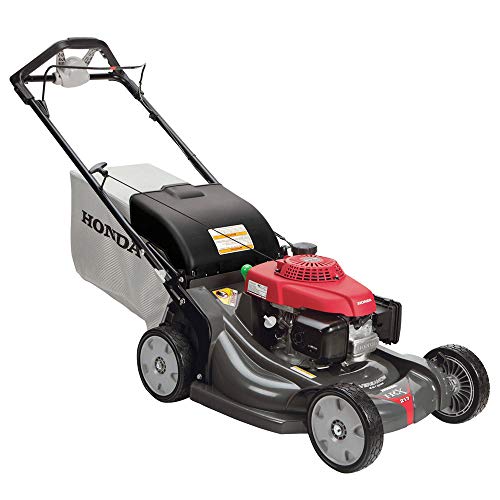
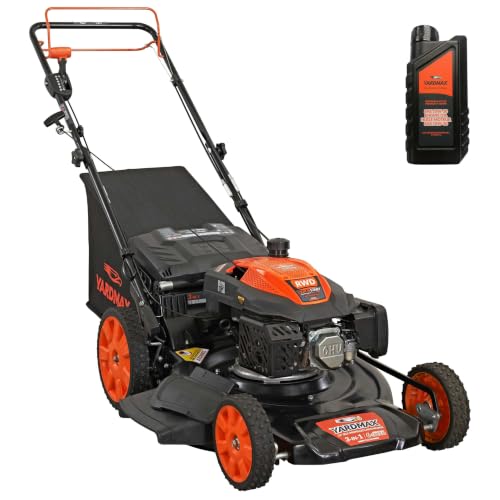
Top picks from our guide: Best Gas Lawn Mower : 8 Push and Self-Propelled Picks

As an Amazon Associate we earn from qualifying purchases. Prices and availability can change; check the current price on Amazon.
Tools and Supplies You Need
You do not need a workshop. A basic kit includes engine oil of the correct type, a replacement spark plug and air filter for your model, fuel stabilizer, a spark plug socket and wrench, a gap gauge, a putty knife or plastic scraper, a wire brush, a blade balancer, a file or sharpening tool, an oil drain pan or siphon pump, and gloves and rags. Your owner's manual lists the exact oil type, spark plug and air filter part numbers.
Gas Lawn Mower Maintenance Schedule
| Task | Before each use | Every 25–50 hours or yearly | End of season |
|---|---|---|---|
| Check oil level | Yes | ||
| Check for loose parts and debris | Yes | ||
| Change oil | Yes | Yes (or spring) | |
| Clean or replace air filter | Check | Yes | |
| Replace spark plug | Yes | ||
| Sharpen blade | 1–2 times per season | Yes | |
| Clean deck | After mowing | Yes | |
| Treat or drain fuel | Yes |
Intervals are general guidelines. Always follow your engine manufacturer's schedule.
Before Each Mow: Quick Checks
These checks take two or three minutes and catch problems early.
Check the oil level with the dipstick on level ground and top up if needed. Look for fresh, clean fuel; if it has been sitting more than a month without stabilizer, consider replacing it. Make sure the air filter is not visibly clogged. Look over the mower for loose bolts, damaged wheels, and a frayed starter cord. Walk the lawn and remove sticks, stones and toys that can damage the blade.
Change the Oil
Clean oil is the single most important thing for engine life. Old oil loses its ability to lubricate and carries dirt that wears internal parts.
Run the engine for a few minutes to warm the oil so it drains easily, then let it cool slightly. Disconnect the spark plug wire. Depending on your mower, either remove the drain plug under the deck, tip the mower on its side with the air filter facing up and drain through the filler neck, or use a siphon pump through the filler. Catch the oil in a pan. Refill with the oil type and quantity specified in the manual, checking the dipstick as you go so you do not overfill. Take used oil to a recycling center; never pour it on the ground or into drains.
Replace or Clean the Air Filter
The air filter keeps dust and grass out of the engine. A clogged filter causes hard starting, loss of power, black smoke and higher fuel use.
Remove the cover and take out the filter. Paper filters should be replaced when dirty; you can tap loose dust out between replacements, but do not wash them. Foam filters can usually be washed in warm soapy water, rinsed, dried, and lightly oiled if the manual recommends it. Mowing in dusty conditions means checking the filter more often.
Replace the Spark Plug
A worn or fouled spark plug makes starting hard and the engine run rough.
Disconnect the plug wire and remove the plug with a spark plug socket. Look at the tip: light tan or gray deposits are normal, while black soot, oil or a worn electrode means it is time to replace it. Check the gap on the new plug with a gap gauge and adjust it to the manual's specification. Thread the new plug in by hand to avoid cross-threading, then tighten it as specified. Reconnect the wire firmly.
Sharpen and Balance the Blade
A sharp blade cuts grass cleanly, while a dull one tears it, leaving brown, ragged tips that are more prone to disease. Dull blades also make the engine work harder.
Disconnect the spark plug wire. Tilt the mower as your manual directs and mark the underside of the blade so you reinstall it the right way up. Wedge a block of wood to stop the blade turning, then remove the bolt. Sharpen the cutting edges with a file or grinder, following the original angle, and remove the same amount from each side. Hang the blade on a balancer or a nail; if one side drops, file a little more from that side. An unbalanced blade causes vibration that can damage the engine. Reinstall it with the correct side down and torque the bolt to specification. Replace the blade if it is bent, cracked or badly worn.
Clean the Deck
Wet grass clippings pack under the deck, trapping moisture that causes rust and blocking airflow that the blade needs for a clean cut and good bagging.
After mowing, with the spark plug disconnected, scrape off packed clippings with a plastic scraper. Some mowers have a washout port that connects to a garden hose; use it as the manual describes. Brush grass off the engine cooling fins and around the muffler, because buildup there can cause overheating and is a fire risk.
Care for the Fuel System
Many small-engine problems trace back to fuel. Gasoline breaks down over time, and ethanol blends can absorb moisture and leave varnish deposits that clog the carburetor.
Buy fuel in amounts you will use within about a month. Use a clean, approved fuel can. Add fuel stabilizer to cans you will not use quickly. Use the ethanol blend your manual allows, often no more than 10 percent. If the mower starts only with choke or runs rough, stale fuel or a dirty carburetor is a likely cause; our guide on how to fix a lawn mower covers carburetor cleaning.
Check Belts, Cables and Wheels
On self-propelled mowers, inspect the drive belt for cracks or fraying and replace it if worn. Check that throttle, safety bar and drive cables move freely and are not frayed. Make sure the wheels turn smoothly and adjust properly; a drop of lubricant on height adjusters and wheel pivots keeps them working. Tighten loose bolts on the handle and deck.
Prepare Your Mower for Winter Storage
End-of-season care is what makes the first spring start easy.
Choose one fuel method: either drain the fuel tank and run the engine until it stops, or fill the tank with fuel treated with stabilizer and run the engine for several minutes so treated fuel reaches the carburetor. Change the oil so the engine does not sit with dirty oil all winter. Clean the deck and engine thoroughly. Sharpen or replace the blade so it is ready for spring. Remove the spark plug, add a small amount of oil to the cylinder if the manual recommends it, pull the cord slowly a few times, then reinstall the plug. Store the mower in a dry, covered place away from appliances with pilot lights. The Alabama Cooperative Extension System offers a similar ten-step routine for end-of-season care.
Spring Startup Checklist
When mowing season returns, run through a short checklist before the first cut. Check the oil level and condition. Refill with fresh fuel if you drained the tank. Install a new spark plug and clean or replace the air filter if you did not do so in fall. Check tire pressure on mowers with pneumatic tires. Make sure the blade is sharp and secure. Then follow our step-by-step guide on how to start a gas lawn mower.
Signs Your Mower Needs Attention
Watch for these warning signs between scheduled maintenance. Hard starting or needing many pulls. Black or blue smoke from the exhaust. Loss of power in grass it used to cut easily. Excessive vibration. Ragged, uneven cut. Fuel or oil leaks. Unusual noises such as knocking or squealing. Most of these trace back to fuel, air filter, spark plug, blade or belts, which this routine covers.
Common Maintenance Mistakes to Avoid
A few mistakes come up again and again. Overfilling the oil is one of the most common; too much oil can cause smoking, oil in the air filter and hard starting. Tilting the mower the wrong way lets oil and fuel run into the air filter and carburetor. Using the wrong fuel, such as high-ethanol blends, can damage seals and cause starting problems. Sharpening the blade without balancing it leads to vibration. Washing an engine with a pressure washer can force water into the air intake and electrical parts. Finally, leaving untreated fuel in the mower all winter is the most common cause of spring starting problems.
Keep a Simple Maintenance Log
Writing down what you did and when makes maintenance easier to stay on top of. Note the date of each oil change, spark plug and air filter replacement, and blade sharpening, along with rough hours of use if your mower has an hour meter. A note on your phone or a card taped inside the garage is enough. A log also helps if you sell the mower, and it makes warranty claims easier.
DIY Maintenance vs Professional Service
Most of the tasks in this guide are easy for a homeowner to do in an afternoon with basic tools. A professional tune-up makes sense if you are not comfortable removing the blade, if the carburetor needs rebuilding, or if the engine has internal problems such as low compression. Many outdoor power equipment shops offer pre-season service packages, which can be booked in late winter before the spring rush.
How Maintenance Affects Mower Lifespan
A well-maintained walk-behind gas mower can often last many years of home use, while a neglected one may struggle after just a few seasons. Regular oil changes protect the engine's internal parts, clean filters and fresh fuel keep it starting easily, and a sharp, balanced blade protects both the engine and your lawn. Maintenance is cheap compared with replacing a mower.
When it is time to upgrade, our guide to the best push gas lawn mower covers simple, durable models, and our guide on how to mow a lawn explains mowing height and patterns that help both your lawn and mower.
The Bottom Line
To maintain a gas lawn mower, check the oil before every mow, change it at least once a season, use fresh fuel with stabilizer, replace the spark plug and air filter yearly, keep the blade sharp and balanced, clean the deck after each use, and prepare the mower properly for winter. This simple routine takes only a few hours a year and keeps your mower starting easily and cutting cleanly season after season.
Frequently Asked Questions
How often should I change the oil in a gas lawn mower?
Many manufacturers recommend changing the oil after the first few hours of use on a new mower, then at least once a season or about every 25 to 50 hours of running time. Check your owner's manual for the exact interval.
How often should I replace the spark plug?
Once a season or every 100 hours is a common recommendation for home mowers. Replace it sooner if it is fouled, cracked or the electrode is worn.
How often should a mower blade be sharpened?
Sharpen it at least once or twice a season, or roughly every 20 to 25 hours of mowing. Sharpen more often if you mow sandy soil or hit sticks and stones. Torn, brown grass tips are a sign the blade is dull.
Should I drain the gas before storing my mower?
Either drain the tank and run the engine until it stops, or fill it with stabilized fuel and run the engine for a few minutes so treated fuel reaches the carburetor. Follow your manual's recommendation.
What is included in a lawn mower tune-up?
A basic tune-up usually includes changing the oil, replacing the spark plug and air filter, sharpening or replacing the blade, cleaning the deck, checking the fuel system, and inspecting belts, cables and wheels.