
Is your lawn uneven, patchy, or struggling to grow thick and healthy grass? You’re not alone—and there’s a simple way to fix it.
Using an aerator and overseeder can transform your lawn by improving soil health and encouraging new grass growth. But what if your ground isn’t flat? Uneven terrain can make this process tricky, and doing it wrong might leave you with more mess than success.
In this guide, you’ll discover clear, step-by-step tips on how to use an aerator and overseeder effectively—even on uneven ground. Keep reading, and you’ll learn how to bring out the best in your lawn, no matter its shape or condition.
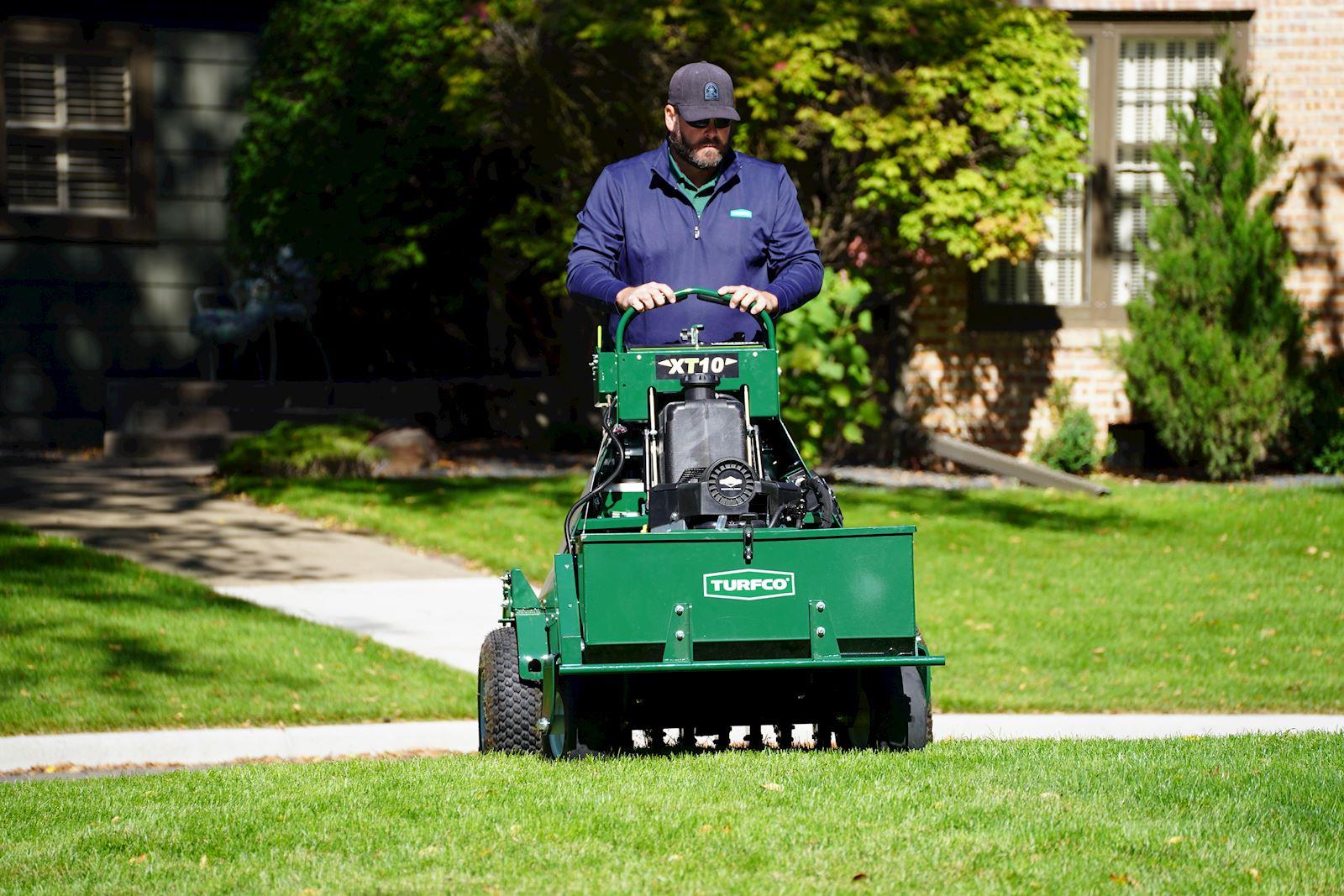
Credit: www.turfco.com
Preparing Uneven Ground
Preparing uneven ground is a key step for successful aeration and overseeding. It ensures the soil surface is ready for new grass to grow. Uneven lawns need special care to fix low spots and remove obstacles. This makes aeration and overseeding more effective and helps the lawn look smooth and healthy.
Assessing Lawn Conditions
Start by walking across your lawn to check its condition. Look for bare patches, bumps, and low areas. Note where water pools after rain or watering. These spots often need extra attention. Understanding the lawn’s current state helps decide how much soil and work you need.
Removing Debris And Thatch
Clear the lawn of leaves, sticks, and stones. These can block aerator tines and overseeder blades. Next, remove thatch, a layer of dead grass and roots. Thatch stops water and nutrients from reaching the soil. Use a rake or dethatcher to clean the surface well.
Filling Low Spots With Topsoil
Fill low spots to create an even surface. Use good quality topsoil that matches your lawn’s soil type. Spread the soil in thin layers over low areas. Use a rake to smooth and blend it with the surrounding ground. Lightly press the soil to avoid future sinking.
Choosing The Right Equipment
Choosing the right equipment makes aerating and overseeding uneven ground easier. The correct tools help reach tricky spots and give your lawn the best care. Picking machines designed for rough surfaces ensures better soil contact and seed placement. This saves time and improves lawn health.
Types Of Aerators
There are several aerator types for uneven lawns. Spike aerators poke holes by pushing into the soil. Core aerators remove small plugs of dirt, helping soil breathe. Drum aerators use rotating spikes to loosen compacted soil. Choose one that handles bumps and slopes well. A core aerator often works best for uneven ground.
Selecting An Overseeder
Overseeder choices vary by seed type and terrain. Drop seeders release seeds evenly but work best on flat ground. Broadcast seeders spread seeds over a wide area and handle slopes better. Walk-behind overseeders give control on uneven lawns. Pick an overseeder that matches your lawn’s size and shape.
Blade And Tine Adjustments
Adjust blades and tines for uneven surfaces. Shorter tines avoid hitting rocks or hard spots. Longer tines dig deeper into soft soil areas. Some aerators allow tine angle changes for better soil penetration. Check machine settings before use to protect your lawn and equipment. Proper adjustments improve seed-to-soil contact and lawn recovery.
Aerating On Uneven Terrain
Aerating on uneven terrain requires special care and attention. Uneven ground can make aeration tricky. It affects how the aerator moves and works on your lawn. Proper techniques help protect your lawn and equipment. They also ensure the aeration does its job well. Follow these tips to aerate safely and effectively on uneven surfaces.
Techniques For Uneven Surfaces
Use a lightweight aerator for better control on rough ground. Walk slowly and steadily to avoid slipping or jerking. Overlap passes slightly to cover all areas evenly. Avoid sharp turns that could damage the soil or aerator. Check the soil moisture first; moist soil aerates better than dry or soggy soil.
Handling Slopes And Bumps
Approach slopes straight up or down, not across. Keep a steady pace to maintain balance. Use shorter passes on steep slopes to avoid tipping the aerator. Step carefully over bumps and holes to prevent damage. Consider manual aeration tools for very rough or steep spots.
Avoiding Damage To Equipment
Inspect the lawn for rocks and debris before aerating. Clear any obstacles that could harm the machine. Use aerators with protective guards to shield parts from impact. Avoid forcing the aerator over large bumps or hard areas. Regularly check for wear and tear during the job to fix issues early.
Overseeding Strategies
Overseeding strategies help restore uneven lawns with fresh grass growth. Using the right approach improves seed germination on bumpy surfaces. Focus on seed choice, distribution, and equipment settings for best results.
Seed Selection For Uneven Lawns
Choose seeds that adapt well to varied soil depths and sunlight. Mix fast-germinating seeds with durable types for quick cover and lasting strength. Consider drought-resistant varieties for dry patches.
Optimal Seed Distribution Patterns
Spread seeds evenly to avoid bare spots or clumps. Use a cross-pattern method by overseeding in one direction, then again at 90 degrees. This ensures better coverage on slopes and dips.
Adjusting Overseeder Settings
Set the overseeder depth to match uneven ground contours. Use shallower settings on high spots and deeper on low areas. Adjust seed flow rates to prevent waste and ensure uniform planting.
Post-aeration And Overseeding Care
Proper care after aeration and overseeding is crucial, especially on uneven ground. This step helps seeds take root and soil recover. The right care improves grass growth and lawn health. Pay attention to watering, fertilizing, and soil protection. These actions ensure your lawn fills in well and stays strong.
Watering Guidelines
Keep the soil moist but not soaked. Water lightly several times a day at first. This helps seeds sprout quickly. Reduce watering frequency as grass grows. Deep watering once or twice a week encourages roots to grow deeper. Avoid heavy watering that causes runoff on uneven areas. Use a gentle spray to prevent soil displacement.
Fertilizing Tips
Apply a starter fertilizer rich in phosphorus to support new roots. Do this soon after overseeding. Avoid high nitrogen fertilizers at the start; they can burn young grass. Follow package instructions for amounts. Repeat fertilizing 4 to 6 weeks later to boost growth. Use slow-release fertilizers for steady nutrition. Fertilizing improves seedling strength and lawn density.
Preventing Soil Erosion
Uneven ground is prone to erosion after aeration. Protect exposed soil by covering with a thin layer of mulch or straw. This keeps soil moist and stops seeds from washing away. Avoid walking on wet soil to prevent compaction and damage. Consider using erosion control mats on steep slopes. Proper erosion control helps seeds stay in place and roots establish better.

Credit: landzie.com
Common Challenges And Solutions
Using an aerator and overseeder on uneven ground presents unique challenges. Uneven surfaces can cause issues like compacted soil, poor seed growth, and drainage problems. Understanding these common hurdles helps you take the right steps. Below are practical solutions to keep your lawn healthy and green.
Dealing With Compacted Soil
Compacted soil stops air, water, and nutrients from reaching grass roots. Aerating breaks up this hard soil by creating small holes. On uneven ground, focus on low spots where soil is often more compacted. Use a core aerator to remove plugs of soil. This action improves root growth and helps overseeded grass establish better.
Managing Uneven Germination
Uneven ground can cause seeds to germinate at different rates. Low areas might hold too much water, while high spots dry out quickly. To fix this, spread seed evenly and cover it with a thin layer of soil or compost. Water the lawn gently and consistently to keep moisture balanced. This encourages uniform seed sprouting across all areas.
Addressing Drainage Issues
Poor drainage leads to water pooling in low spots and dry patches on raised areas. To improve drainage, add a mix of sand and compost to low areas before aerating. This mix helps water move through the soil more easily. Avoid heavy watering. Light, frequent watering prevents water from collecting in one place.
Enhancing Lawn Leveling Over Time
Enhancing lawn leveling over time requires patience and consistent care. Uneven ground can improve gradually by following proper lawn practices. Using an aerator and overseeder correctly supports soil health and grass growth. These tools help air, water, and nutrients reach deeper into the soil. This process encourages roots to grow stronger and fill in low spots naturally.
Combining aeration and overseeding with regular maintenance boosts lawn evenness. It takes time but creates a healthy, smooth lawn surface. Here are key steps to enhance lawn leveling over time.
Regular Maintenance Practices
Maintain your lawn regularly to support leveling. Mow the grass at the right height to avoid stress. Water deeply but less often to encourage deep roots. Remove debris and thatch buildup to improve soil contact. Aerate and overseed during growing seasons to repair bare spots. Keep an eye on problem areas and treat them quickly. Consistency helps the soil settle evenly and grass fill thin areas.
Using Soil Amendments
Soil amendments improve texture and nutrient content. Add topsoil or compost to low spots after aerating. Mix sand with soil for better drainage in heavy clay areas. Spread amendments evenly and lightly rake to blend with existing soil. These materials fill holes and level dips gradually. They also create a better environment for new grass seed to grow. Repeat application during the growing season for best results.
When To Consider Professional Help
Some lawns need expert care for severe unevenness. Professionals can regrade or level the lawn with heavy equipment. They know how to balance soil types and correct drainage issues. Hire a pro if low spots hold water or if slopes are steep. Experts ensure the lawn stays healthy and safe. Call for help if you notice ongoing problems despite your efforts.

Credit: www.rentalex.com
Frequently Asked Questions
Does Aeration Help With An Uneven Lawn?
Aeration helps an uneven lawn by loosening soil and improving air, water, and nutrient flow. It redistributes soil to fill low spots but may need topsoil or grading for very uneven areas. Aerate first, then add soil to level your lawn effectively.
What Is The Easiest Way To Level Uneven Ground?
The easiest way to level uneven ground involves spreading a topsoil and sand mix over low spots. Use a garden rake to distribute evenly. Lightly compact the soil to prevent future settling and ensure a smooth, level surface.
Should You Aerate Before Or After Leveling?
Aerate before leveling to avoid disturbing the surface material. Aeration loosens soil, making leveling easier and more effective.
Do I Need To Aerate If I Use An Overseeder?
Aerating before overseeding improves seed-to-soil contact and helps seeds germinate better. Skip aeration if soil is loose and not compacted.
Conclusion
Using an aerator and overseeder on uneven ground takes patience and care. Start by aerating to loosen the soil and create space for seeds. Spread seed evenly, focusing on low spots where grass struggles. Water regularly to help seeds grow strong roots.
Small steps bring big changes to your lawn’s health and appearance. Keep working on the uneven areas over time for the best results. A well-cared lawn will soon become smoother and greener. Your effort will pay off with a beautiful yard to enjoy.