

Is your lawn struggling with puddles and poor drainage after every rain? You’re not alone.
When water just sits on your grass, it can cause damage, invite weeds, and make your yard less enjoyable. The good news? Aerating your lawn can be a simple and effective way to improve drainage and give your grass the healthy boost it needs. In this guide, you’ll discover essential lawn aeration tips that will help you transform your yard into a lush, well-drained space you’ll love. Ready to stop the sogginess and bring life back to your lawn? Let’s dive in!
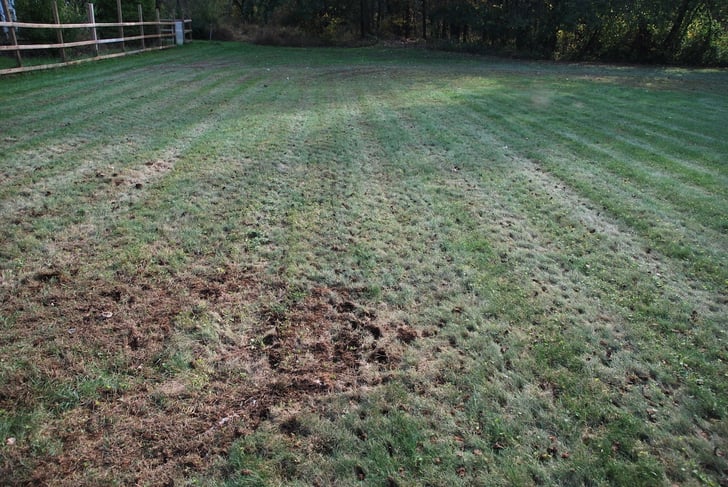
Credit: www.joshuatreeexperts.com
Benefits Of Lawn Aeration
Aerating your lawn brings many benefits that improve its health and appearance. It helps the grass grow stronger and makes the soil healthier. These benefits create a lawn that can better handle water and resist damage. Understanding these benefits can motivate you to aerate regularly.
Improving Soil Structure
Aeration breaks up compacted soil. This creates space for air and nutrients to move freely. Soil becomes looser and easier for roots to spread. Better soil structure helps grass grow thick and green. It also reduces problems caused by hard, dense soil.
Enhancing Water Absorption
Holes made by aeration let water soak deep into the ground. This stops water from pooling on the surface. Water reaches the roots faster and stays longer in the soil. Improved water absorption means less runoff and wasted water. Your lawn stays hydrated during dry spells.
Promoting Root Growth
Roots need space and oxygen to grow strong. Aeration opens the soil to provide both. Deep roots anchor the grass and help it survive heat and drought. Healthy roots also absorb more nutrients. This leads to a lush, green lawn that lasts all season.
Signs Your Lawn Needs Aeration
Knowing when to aerate your lawn is key to keeping it healthy. Aeration helps roots get air, water, and nutrients. It also improves drainage and reduces soil compaction. Watch for signs that show your lawn struggles and needs aeration soon.
Compacted Soil Symptoms
Compacted soil feels hard underfoot. Water pools on the surface instead of soaking in. Grass roots cannot grow deep. You may notice your lawn looks stressed and dry even after watering. These signs indicate soil compaction.
Poor Drainage Indicators
Water stays on your lawn after rain or watering. You find puddles in low spots. The soil stays soggy for a long time. Poor drainage can cause root damage and fungal growth. Aeration can open the soil to help water drain properly.
Thinning Grass And Bare Spots
Grass looks thin and weak in some areas. Bare spots appear where grass has died. These areas get less air and nutrients. The roots struggle to survive in compacted soil. Aeration helps grass grow thick and green again.
Types Of Lawn Aeration Methods
Aerating your lawn improves soil health and water drainage. Different methods suit various lawn types and conditions. Choosing the right type of aeration helps your grass grow stronger and greener. Below are the main types of lawn aeration methods.
Core Aeration
Core aeration removes small plugs of soil from the lawn. This process creates holes that allow air, water, and nutrients to reach grass roots. It reduces soil compaction and helps roots grow deeper. Core aeration works well for thick, heavy soils. It is the most effective method to improve drainage and lawn health.
Spike Aeration
Spike aeration uses solid tines to poke holes in the soil. It creates small openings without removing soil plugs. This method is less invasive than core aeration. Spike aeration helps water and air penetrate the soil surface. It suits lawns with light to moderate soil compaction. Regular spike aeration maintains good soil aeration but may not relieve heavy c