
A healthy, green lawn is something every homeowner wants. But sometimes, strange patches of pink or red appear in the grass. This is often a fungal disease called red thread. It’s common in cool, wet climates, and it can make your yard look unhealthy even if you take good care of it. The good news? Red thread does not usually kill the grass, and you can treat it with the right approach. This guide explains what red thread is, why it happens, and, most importantly, how to get rid of it and prevent it from coming back.
What Is Red Thread Disease?
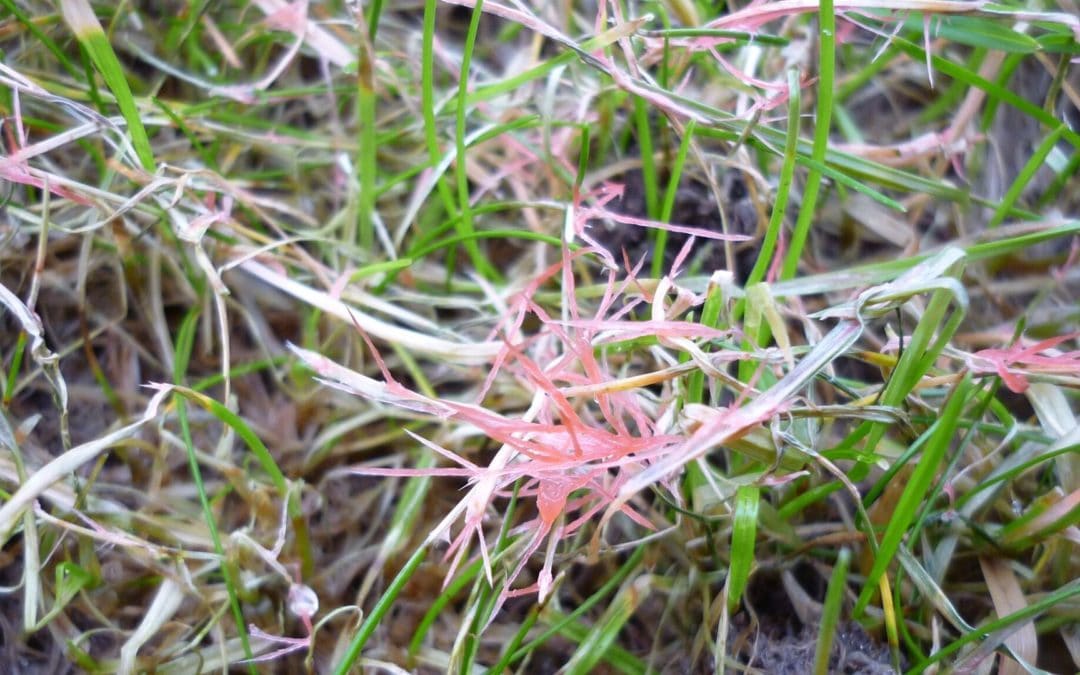
Red thread is a lawn fungus caused by the pathogen *Laetisaria fuciformis*. It gets its name from the thin, red or pink threads that grow out of infected grass blades. Sometimes, you’ll also see pink cottony patches, which are clumps of the fungus.
Red thread usually appears in:
- Cool, damp weather: Especially in spring and fall
- Lawns with low nitrogen: Poor nutrition makes grass weak and prone to disease
- Lawns with poor air flow: Shady, crowded areas are more likely to get red thread
If you look closely at the affected areas, you’ll see the red, thread-like growth sticking out from the grass tips. The color can range from pink to bright red, making it easy to spot.
Causes Of Red Thread In Lawn
Understanding why red thread appears is the first step to solving the problem. Here are the main causes:
- Low nitrogen in soil: Grass needs nitrogen to grow strong. Low nitrogen makes lawns weak and easy for fungus to attack.
- Wet conditions: Frequent rain, overwatering, or poor drainage can create the damp conditions red thread loves.
- Cool temperatures: Red thread thrives when daytime temperatures are between 60°F and 75°F (15°C to 24°C).
- Thatch buildup: Thick thatch prevents water and nutrients from reaching roots, stressing the grass.
- Shade and poor airflow: Lawns that do not get enough sun or air are more likely to develop fungal diseases.

Credit: www.lawn-tech.co.uk
How To Identify Red Thread
Sometimes people confuse red thread with other lawn diseases. To be sure you’re dealing with red thread, look for these signs:
- Patches of pink or red: Affected areas are usually circular and 2-15 inches across.
- Red threads on grass tips: The fungus grows out of the blade, looking like tiny red needles.
- Grass looks unhealthy: Infected grass is often tan or brown and slow to grow.
Here is a simple comparison table to help you tell red thread apart from other common lawn diseases:
| Disease | Main Sign | Color | Time of Year |
|---|---|---|---|
| Red Thread | Pink/red threads on tips | Red/Pink | Spring/Fall |
| Dollar Spot | Straw-colored patches | Tan/Straw | Late Spring/Fall |
| Pink Patch | Cottony pink patches | Pink/White | Spring/Fall |
Steps To Treat Red Thread In Your Lawn
Getting rid of red thread is a process. Here’s how to do it effectively:
1. Improve Lawn Nutrition
Red thread often signals that your lawn is low in nitrogen. Feeding your lawn is the most important step.
- Use a high-nitrogen fertilizer. Look for a slow-release type so your lawn gets steady nutrition.
- Apply according to the label. Most lawns need feeding every 6-8 weeks in spring and fall.
- Do a soil test if you’re unsure. It will tell you exactly what nutrients are missing.
Non-obvious insight: Red thread rarely survives in well-fed lawns. Many homeowners solve the problem with just one or two fertilizer applications.
2. Adjust Watering Habits
Too much water helps red thread grow. Here’s how to water your lawn the right way:
- Water deeply and less often. One or two long waterings per week are better than daily light watering.
- Water early in the morning. This gives grass time to dry during the day.
- Check for puddles or poor drainage. Fix any areas where water stands after rain.
Practical tip: Place an empty tuna can on your lawn while watering. When it fills to about 1 inch, you’ve given your lawn enough water.
3. Mow Properly
Correct mowing can help your lawn recover from red thread and prevent it in the future.
- Keep mower blades sharp. Dull blades tear grass and make it more vulnerable to disease.
- Mow at the right height. For cool-season grasses, keep blades 2.5 to 3.5 inches tall.
- Remove clippings in infected areas. This stops the fungus from spreading.
4. Improve Air Circulation
Red thread thrives in damp, shaded spots. Improving airflow helps the grass dry faster.
- Trim back bushes and trees near the lawn.
- Rake up leaves and debris.
- Aerate your lawn if the soil is compacted.
Non-obvious insight: Aeration not only boosts airflow but also helps fertilizer and water reach roots more effectively.
5. Control Thatch
Thatch is a layer of dead grass and roots between the soil and green grass. Too much thatch creates a perfect home for fungus.
- Check your thatch layer. If it’s more than 0.5 inch thick, it’s time to dethatch.
- Use a dethatching rake or machine in spring or early fall.
- Remove debris and water well after dethatching.
6. Apply Fungicide (if Needed)
Most red thread problems disappear with good lawn care. But in severe cases, a fungicide may help.
- Choose a product labeled for red thread, such as those with azoxystrobin, propiconazole, or flutolanil.
- Apply as directed—don’t overuse, as this can harm beneficial microbes.
- Fungicides are a last resort. Try nutrition and cultural fixes first.
Here’s a quick comparison of common fungicides used for red thread:
| Active Ingredient | Effectiveness | Application Frequency | Notes |
|---|---|---|---|
| Azoxystrobin | High | Every 14-28 days | Broad-spectrum, low toxicity |
| Propiconazole | Medium-High | Every 14 days | Systemic, good for prevention |
| Flutolanil | Medium | Every 21 days | Effective for established infections |
Credit: greenacreslandscapeinc.com
How To Prevent Red Thread In The Future
Prevention is easier than cure. With a few simple steps, you can keep your lawn healthy and free of red thread:
- Feed your lawn regularly: Use a balanced fertilizer, especially in spring and fall.
- Avoid overwatering: Let the soil dry between waterings.
- Mow at the right height: Taller grass is stronger and less likely to get disease.
- Aerate compacted soil: Once a year is enough for most lawns.
- Remove thatch: Dethatch if the layer is more than 0.5 inch.
- Improve sunlight and airflow: Prune trees, clear debris, and avoid overcrowding.
Here’s a table comparing prevention practices and their impact on red thread risk:
| Practice | Red Thread Risk | How Often |
|---|---|---|
| Regular Fertilizing | Low | Every 6-8 weeks |
| Deep, Infrequent Watering | Low | 1-2 times/week |
| Shallow, Frequent Watering | High | Daily |
| Proper Mowing Height | Low | Weekly during growth |
| Ignoring Thatch | High | — |
Common Mistakes To Avoid
Treating red thread is not just about what you do—it’s also about what you don’t do. Many homeowners make these errors:
- Skipping soil testing: Guessing at fertilizer needs can make things worse. Always test first.
- Overusing fungicides: This can harm your lawn’s ecosystem and waste money.
- Ignoring mower maintenance: Dull blades stress the grass and help diseases spread.
- Watering at night: This leaves grass damp for hours, which fungus loves.
- Letting thatch build up: Thick thatch is a magnet for many lawn problems.

Credit: extension.psu.edu
When To Call A Professional
Most cases of red thread can be handled at home with the steps above. However, consider calling a lawn care professional if:
- The disease covers large areas and keeps coming back.
- You notice other problems like soil compaction, pest damage, or poor drainage.
- You’re not sure about correct fertilizer or fungicide use.
An expert can test your soil, diagnose the problem, and recommend a custom plan. This may cost more, but it can save time and restore your lawn faster.
Frequently Asked Questions
What Is The Best Fertilizer For Red Thread?
The best fertilizer is a high-nitrogen type, such as those labeled 24-0-6 or 29-0-4. Nitrogen helps your grass grow strong and recover from red thread. Always follow the application rates on the label and do a soil test if possible.
Will Red Thread Kill My Lawn?
Red thread usually does not kill grass. It makes the lawn look patchy and unhealthy, but the roots remain alive. With proper care and feeding, your grass will recover. Persistent red thread may thin the lawn, making it more open to weeds.
Can I Mow The Lawn If It Has Red Thread?
Yes, you can mow, but keep a few things in mind. Use a sharp blade and mow when the grass is dry. Bag the clippings in infected areas and clean your mower after use to avoid spreading the fungus.
Is Red Thread Harmful To Pets Or Children?
Red thread is not harmful to people or pets. It only affects grass. You can safely walk on or play on a lawn with red thread, but avoid spreading infected clippings to other areas.
Where Can I Learn More About Lawn Diseases?
For more detailed information, visit the Wikipedia page on Laetisaria fuciformis. You’ll find scientific details, life cycle information, and more tips on disease management.
A lush, healthy lawn is possible even after a red thread outbreak. With the right steps—feeding, proper watering, and good mowing habits—you can bring your grass back to life. Remember, prevention is the best cure. Keep your lawn strong, and it will resist red thread and other diseases for years to come.