
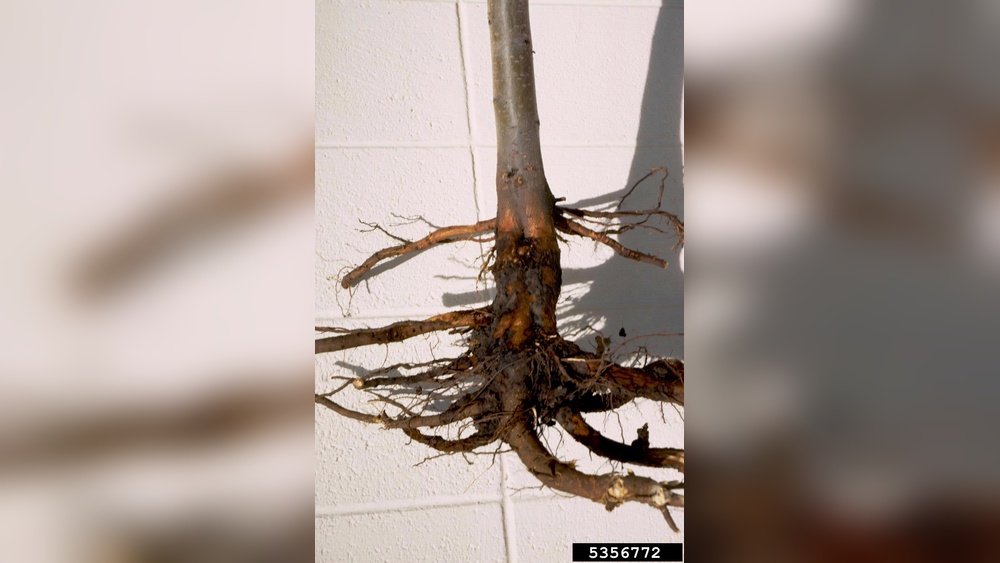
Crown rot is a common problem that troubles many homeowners who want a healthy, green lawn. You might first notice patches of yellow or brown grass, or areas where the lawn feels soft, mushy, or thin. Some people blame drought or overwatering, but the real issue is often hiding under the surface—crown rot. If not treated, this disease can destroy large sections of your yard and be expensive to fix. The good news is, with the right approach, you can save your lawn and prevent crown rot from coming back.
This guide explains what crown rot is, how to spot it early, and the best steps to treat and prevent it. Whether you’re new to lawn care or have been mowing for years, you’ll find clear answers and practical advice to keep your grass strong.
What Is Crown Rot?
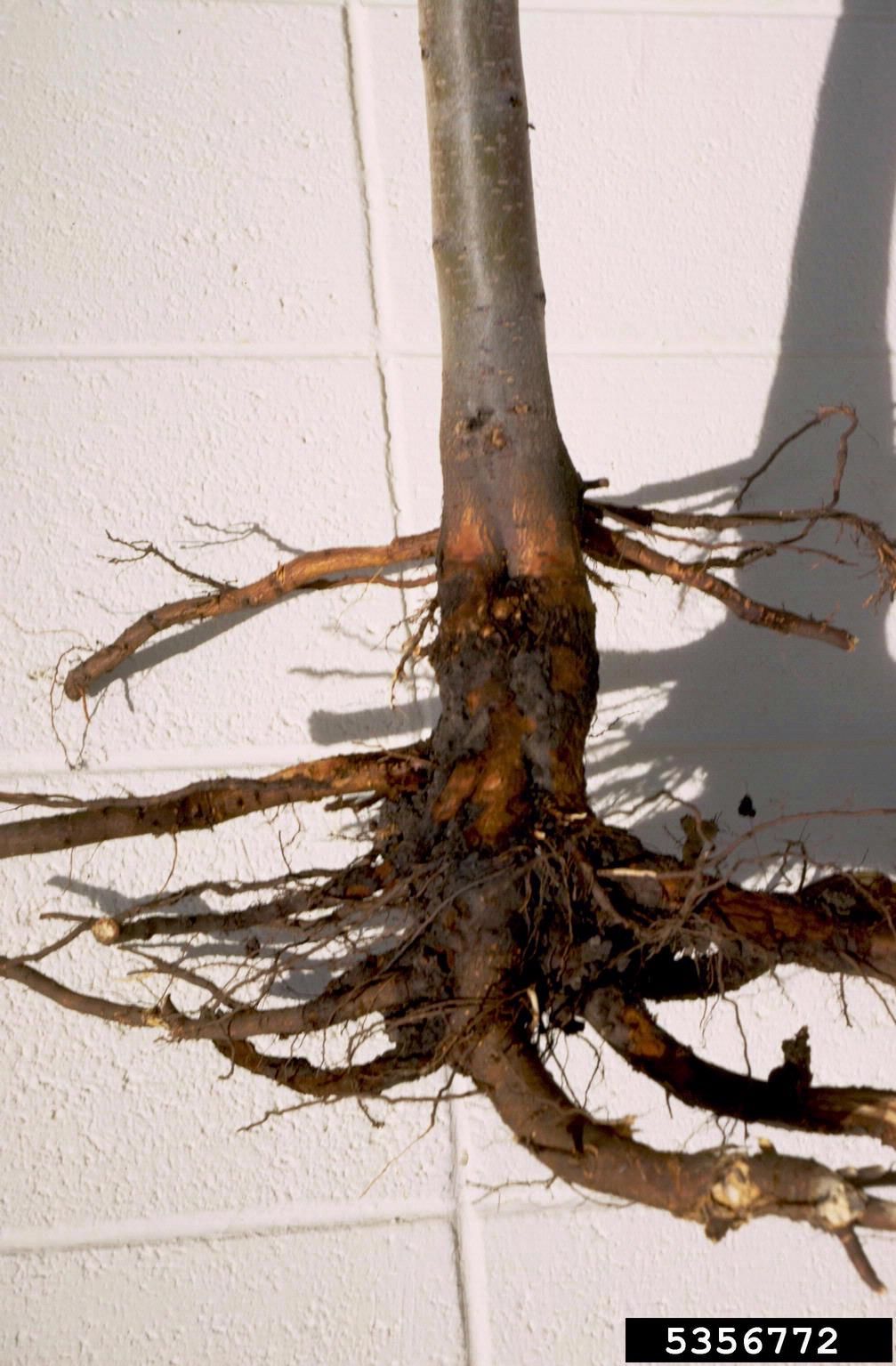
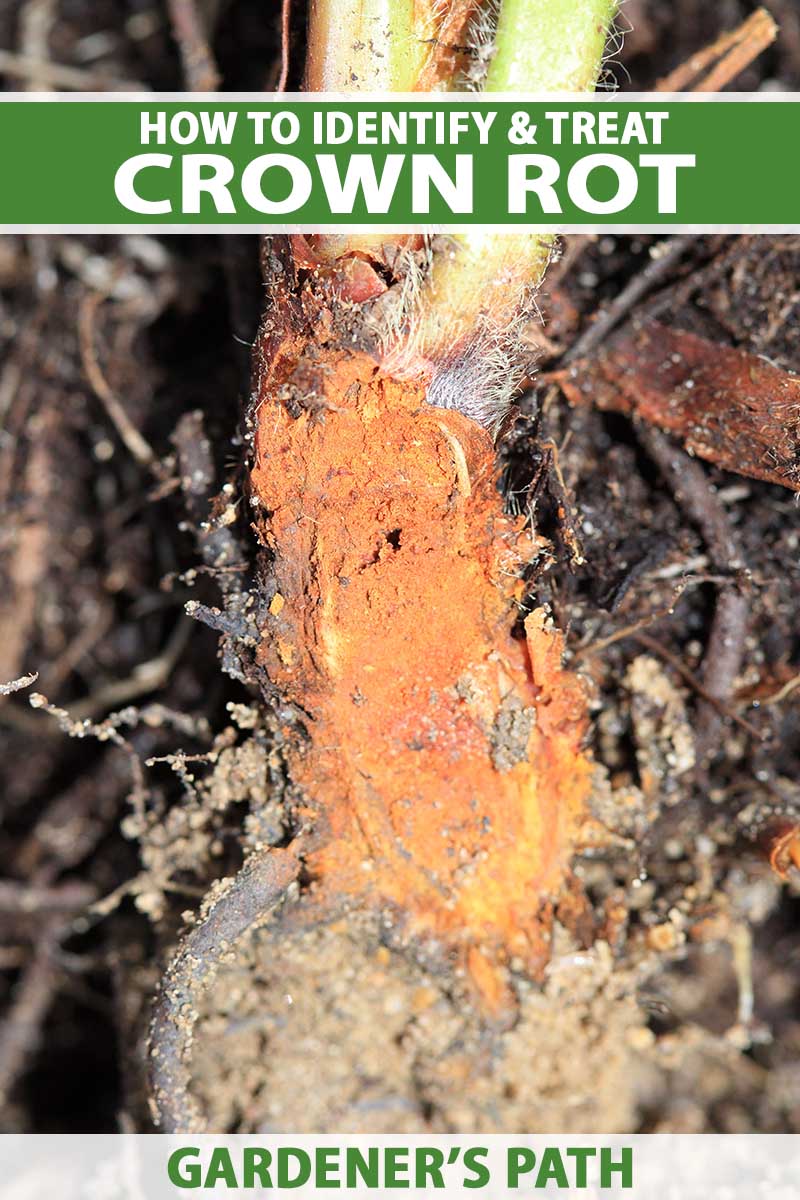
Crown rot is a fungal disease that affects the “crown” of a grass plant. The crown is the part where the grass blades and roots meet, just above the soil. Fungi like Sclerotinia, Fusarium, and Rhizoctonia attack this area, causing it to rot. When the crown dies, the whole plant above and below the ground soon follows.
Crown rot is not only a problem for lawns. It can affect many types of plants, but for grass, it’s especially dangerous because the damage spreads quickly and can be hard to reverse if not caught early.
How To Identify Crown Rot In Your Lawn
Spotting crown rot early gives you the best chance to save your lawn. Here’s what to look for:
- Discolored patches: Irregular yellow, brown, or straw-colored spots that may grow bigger over time.
- Mushy crowns: If you pull up a grass plant, the base (crown) feels soft, brown, or water-soaked instead of firm and white.
- Wilting despite water: Grass looks dry or wilted even if the soil is moist.
- Thinning grass: Areas of the lawn become thin, with fewer blades.
- Foul smell: Sometimes, you’ll notice a sour or rotten smell from the soil.
A common mistake is confusing crown rot with drought, insect damage, or other diseases like root rot. The key difference is the condition of the crown itself. If you gently pull up a few grass plants and the crown is brown and mushy, crown rot is likely.
Main Causes Of Crown Rot
Understanding what causes crown rot can help you treat it and prevent it in the future. The main triggers are:
- Overwatering: Grass crowns stay wet, creating perfect conditions for fungi.
- Poor drainage: Water sits on the lawn, especially after rain or heavy watering.
- Compacted soil: Hard soil doesn’t let water drain or air reach the roots.
- Excess thatch: A thick layer of dead grass blocks water and air, trapping moisture.
- High humidity and heat: Warm, wet weather helps the fungi spread.
- Improper mowing: Cutting grass too short or with dull blades stresses the lawn.
One thing many beginners miss: treating only the symptoms (like watering more or adding fertilizer) often makes crown rot worse. You need to fix the root cause.
Step-by-step Guide To Treating Crown Rot
Solving crown rot takes a mix of cultural, chemical, and mechanical steps. Below, you’ll find clear instructions to help your lawn recover.
1. Stop Watering Affected Areas
Fungi love moisture. The first step is to let the soil dry out slightly. Stop watering the damaged spots for a few days. If you see rain in the forecast, cover small patches with a tarp to limit extra moisture.
2. Improve Drainage
Check if water is pooling or not draining well. Aerate your lawn using a core aerator or a garden fork. This creates holes that let water move and air reach the roots.
Common Signs Of Poor Drainage
- Water puddles after rain
- Moss growing in the lawn
- Grass feels spongy
If your yard has a big slope or clay soil, consider adding sand or organic matter to improve drainage over time.
3. Remove Thatch And Debris
Thatch is a layer of dead grass and roots above the soil. If it’s thicker than 1. 5 cm (about half an inch), it traps moisture and helps fungi grow.
- Use a dethatching rake or machine to remove excess thatch
- Rake up and dispose of infected clippings and debris
Pro tip: Don’t compost infected plant material—it can spread the disease.
4. Prune And Reseed Damaged Areas
Cut away dead or dying grass with sharp, clean tools. This stops the fungus from spreading. After removing the damaged grass, reseed with disease-resistant varieties if possible.
- Choose grass seed suited to your region and climate
- Lightly cover seeds with soil and water gently
5. Apply Fungicide (if Needed)
In severe cases, chemical treatment may be necessary. Use a fungicide labeled for crown rot and your grass type. Follow the instructions carefully—using too much can damage your lawn.
Below is a comparison of common fungicides for crown rot:
| Fungicide Name | Active Ingredient | Application Frequency | Works On |
|---|---|---|---|
| Propiconazole | Propiconazole | Every 14-21 days | Cool & Warm Season Grasses |
| Azoxystrobin | Azoxystrobin | Every 14-28 days | Most Grass Types |
| Thiophanate-methyl | Thiophanate-methyl | Every 14-21 days | Bermuda, Fescue, Ryegrass |
Note: Always use personal protection and keep pets off treated areas until safe.
6. Adjust Mowing Practices
Mow only when the grass is dry. Keep blades sharp and set your mower height higher than usual, so you don’t stress the plants. Never remove more than one-third of the grass height at one time.
7. Fertilize Carefully
Don’t over-fertilize. Too much nitrogen can make grass grow fast but weak, which makes crown rot more likely. Use a balanced, slow-release fertilizer, and apply based on your grass type and soil test results.
Here’s a simple fertilizer comparison:
| Fertilizer Type | Nitrogen (N) | Release Speed | Best For |
|---|---|---|---|
| Slow-release | Low to Medium | Gradual (6-8 weeks) | All Lawns |
| Quick-release | High | Fast (2-4 weeks) | Patch Repair Only |

Credit: southernbotanical.com
Preventing Crown Rot In The Future
Prevention is much easier than treatment. Here’s how to keep your lawn healthy and less likely to get crown rot:
- Water deeply but infrequently: Give your lawn about 2.5 cm (1 inch) of water per week, early in the morning.
- Aerate annually: Relieve compaction and encourage root growth.
- Mow properly: Use sharp blades and the right height for your grass type.
- Dethatch as needed: Keep thatch under 1.5 cm thick.
- Fertilize based on soil tests: Don’t guess—test your soil every 2-3 years.
- Choose disease-resistant grasses: Ask your local garden center for the best varieties.
- Improve soil health: Add compost or organic matter to boost drainage and beneficial microbes.
A non-obvious tip: Watch shaded or low-lying spots closely. These areas stay wetter and are the first to show signs of crown rot.
What To Avoid When Treating Crown Rot
Many lawn owners make mistakes that allow crown rot to return or get worse. Avoid these common errors:
- Watering at night: This keeps crowns wet for too long.
- Ignoring drainage problems: If water still pools, the disease will return.
- Skipping aeration: Hard soil makes everything worse.
- Using the wrong fungicide: Not all products work on all grass types.
- Mowing too short: This weakens the plant, making it easier for fungi to attack.
Credit: www.gardeningknowhow.com
Example Recovery Timeline
Patience is key. Here’s what you can expect when treating crown rot:
| Time After Treatment | What Happens |
|---|---|
| 0-2 weeks | Grass stops getting worse, new damage slows |
| 2-4 weeks | New green shoots appear, small patches fill in |
| 4-8 weeks | Most areas recover if weather and care are good |
| 8+ weeks | Stubborn patches may need reseeding |
If the disease returns, review your watering, drainage, and mowing practices.
When To Call A Professional
If you’ve followed all the steps and your lawn still looks bad after two months, it might be time for expert help. A professional lawn care company can:
- Test your soil for hidden problems
- Identify the exact fungus species
- Apply stronger treatments safely
Sometimes, what looks like crown rot is actually a mix of issues—like grubs, compacted soil, and poor drainage. Pros can spot and fix these faster.
Credit: gardenerspath.com
Frequently Asked Questions
What Grasses Are Most At Risk For Crown Rot?
Cool-season grasses like fescue, bluegrass, and ryegrass are more often affected, but warm-season types like Bermuda can also get crown rot, especially in wet, humid conditions.
Can I Treat Crown Rot Without Chemicals?
Yes, many cases can be fixed with good cultural practices like aeration, reducing watering, dethatching, and reseeding. Fungicides are only needed for severe or spreading infections.
How Do I Know If The Problem Is Crown Rot And Not Another Disease?
Pull up a few grass plants. If the crown (where roots and blades meet) is brown, soft, or mushy, it’s likely crown rot. Other diseases often show different patterns or affect only the blades or roots.
Will Crown Rot Come Back Every Year?
It can, especially if you don’t fix the underlying causes like poor drainage, excess thatch, or overwatering. Prevention is the best long-term solution.
Where Can I Find More Information About Lawn Diseases?
You can visit university extension services or trusted gardening sources like the Royal Horticultural Society for detailed guides.
Crown rot doesn’t mean the end of your lawn. By understanding the causes, acting quickly, and following these steps, you can restore your grass and keep it healthy for years to come. The real secret is not just treating the disease, but improving your lawn’s overall health so crown rot has no chance to return.