
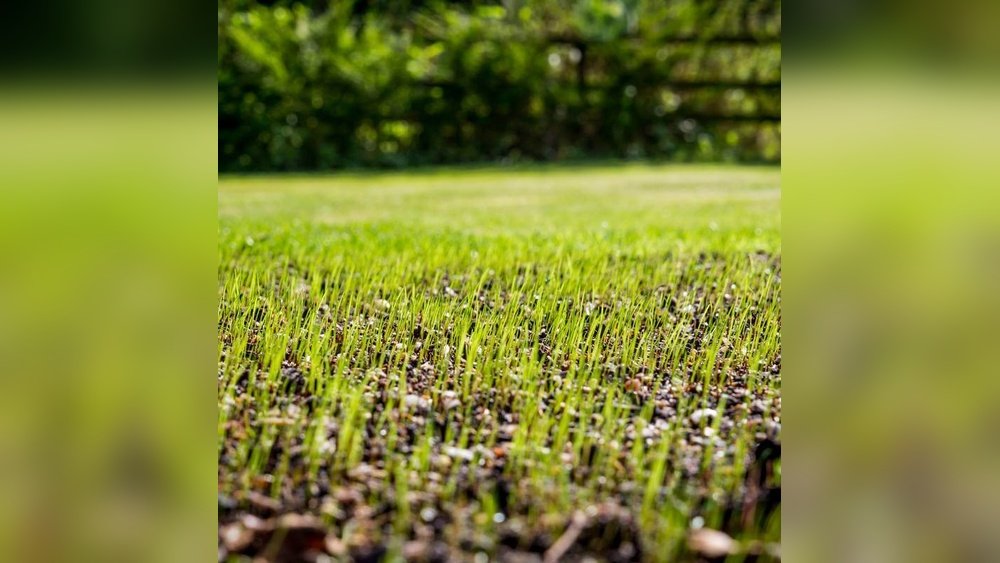
Growing a lush, green lawn in clay soil can feel like a constant struggle. Many homeowners face patchy grass, poor drainage, and compacted ground. But with the right approach, it’s possible to transform your hard, sticky yard into a healthy lawn. This guide explains everything you need to know about how to grow grass in clay soil, from soil preparation to maintenance. If you’ve tried and failed before, don’t lose hope—this step-by-step plan gives you practical solutions and expert tips that actually work.
Understanding Clay Soil
Clay soil is made up of fine mineral particles that pack tightly together. This makes the soil heavy and dense. Water drains slowly, and roots can have trouble spreading. When wet, clay is sticky and hard to dig. When dry, it becomes rock-hard.
These qualities make it tough for grass to grow, but not impossible.
Key features of clay soil:
- Holds water for a long time
- Poor drainage
- Can become compacted easily
- Nutrient-rich, but not always available to plants
Many people focus only on the negative side, but clay soil also has benefits. It holds nutrients better than sandy soils. If you improve its structure, it can support a strong, healthy lawn.
Why Grass Struggles In Clay Soil
Grass roots need air, water, and nutrients. In clay, compacted soil blocks roots from spreading. Water can pool on top, leading to rot or fungus. In dry weather, cracks can break up the ground and damage roots. Some grass types simply can’t survive these harsh conditions.
Common problems include:
- Patchy or thin grass
- Yellow or brown spots
- Moss or weeds taking over
Knowing these challenges helps you plan the right solutions.
Choosing The Right Grass Seed For Clay Soil
Not all grasses are equal. Some species handle clay soil better because they grow deep roots or tolerate wet feet. Picking the right type is the first step for success.
Here’s a comparison of popular grass types for clay soil:
| Grass Type | Best For | Notes |
|---|---|---|
| Tall Fescue | Cool climates | Deep roots, drought-tolerant |
| Kentucky Bluegrass | Cool climates | Good recovery, needs full sun |
| Perennial Ryegrass | Cool climates | Grows fast, good for overseeding |
| Bermudagrass | Warm climates | Tolerates traffic, spreads quickly |
| Zoysiagrass | Warm climates | Handles drought and heat well |
Tall fescue is a top choice for clay because of its deep, strong root system. In southern areas, bermudagrass and zoysia are better options.
Preparing Clay Soil For Grass
Success starts before you even plant a seed. Clay soil must be improved so grass roots can breathe, spread, and absorb nutrients.
1. Test Your Soil
A soil test shows the pH, nutrient levels, and what’s missing. Most grasses prefer a pH of 6.0 to 7.0. Clay is often acidic, so you may need lime to raise the pH. Soil tests are cheap and available at garden centers or online.
2. Clear The Area
Remove weeds, rocks, and debris. Grass can’t compete with weeds, especially in tough soil. Use a rake or tiller for the best results.
3. Aerate The Soil
Aeration means punching small holes in the ground. This reduces compaction and lets air, water, and fertilizer reach the roots. For clay, use a core aerator (which removes plugs of soil) instead of just poking holes. Aerate at least once a year, and twice if the soil is very hard.
4. Add Organic Matter
Mixing in organic material is the most important step. Compost, peat moss, well-rotted manure, or leaf mold help loosen clay and improve drainage. Spread 2–4 inches of organic matter over the surface and mix it into the top 6–8 inches of soil.
5. Grade And Level
Shape the soil so water runs away from buildings and does not puddle. Use a rake to level the area, filling low spots so your lawn grows evenly.
Planting Grass In Clay Soil
You’ve prepared the ground—now it’s time to plant. The method depends on whether you’re starting a new lawn or overseeding an existing one.
Seeding A New Lawn
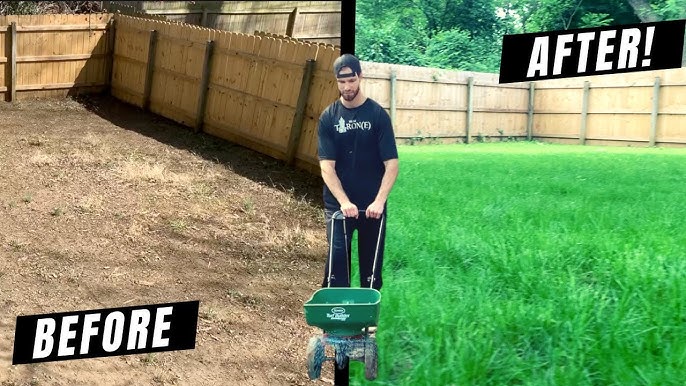
- Sow seeds evenly: Use a broadcast spreader for even coverage. Check the package for the recommended rate.
- Lightly rake: Gently cover the seeds with about 1/8 inch of soil. Don’t bury them too deep.
- Firm the soil: Use a roller or walk gently to press seeds into the soil for good contact.
- Mulch (optional): Add a thin layer of straw to keep seeds moist and protect from birds.
- Water: Keep the top inch of soil damp until grass is 2 inches tall. Water lightly, 2–3 times daily. Avoid puddles.
Sodding
Laying sod gives instant results but is more expensive. Sod is heavy, so the soil must be well-prepared.
Steps:
- Lay sod strips in a brick pattern, edges touching but not overlapping
- Press down edges to avoid gaps
- Water deeply right after installation
Overseeding
For patchy lawns, overseeding fills in bare spots.
- Mow grass short and remove clippings
- Aerate and add a thin layer of compost
- Spread seed and water as for a new lawn
Watering Grass On Clay Soil
Clay soil holds water but drains slowly. Overwatering causes more problems than underwatering.
Best practices:
- Water deeply but less often (1 inch per week, including rain)
- Early morning is best to avoid disease
- Use a rain gauge to track how much you water
Pro tip: If water puddles or runs off, stop and let it soak in, then continue. This helps prevent runoff and waste.
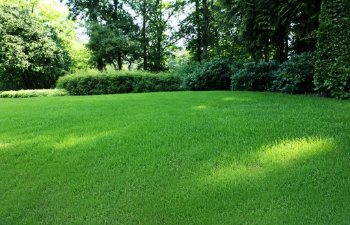
Credit: www.pannoneslandscaping.com
Fertilizing And Feeding Clay Soil Lawns
Clay soil is rich in nutrients but often locks them away. Grass needs steady feeding to stay healthy.
How Often To Fertilize
Feed your lawn 2–4 times a year, depending on grass type. Early spring and fall are the most important times.
What Fertilizer To Use
Look for a slow-release, balanced fertilizer with nitrogen, phosphorus, and potassium. Clay soil also benefits from micronutrients like iron and magnesium.
| Season | Fertilizer Ratio (N-P-K) | Notes |
|---|---|---|
| Spring | 20-5-10 | Boosts early growth |
| Summer | 15-5-10 | Optional, avoid if hot/dry |
| Fall | 24-0-10 | Strengthens roots |
Don’t apply too much fertilizer—this can burn the grass and pollute water.
Lime And Gypsum
If your soil test shows acidic soil, add lime to raise the pH. For very hard clay, gypsum helps break up the soil and improve drainage.
Mowing And Lawn Care Tips
Proper mowing keeps grass healthy and reduces stress, especially in clay soil.
- Mow high: Set your mower to cut at 2.5 to 3.5 inches. Taller grass shades the soil, keeps roots cool, and reduces weeds.
- Sharpen blades: Dull blades tear grass, making it easier for disease to spread.
- Don’t remove more than 1/3 of the grass height at one time.
- Leave clippings: Grass clippings return nutrients to the soil.

Credit: www.alsoils.co.uk
Dealing With Common Problems
Even with good care, you may face some issues.
Compaction
Heavy foot traffic can compact clay, making it harder for grass to grow. Reduce traffic on wet soil, aerate regularly, and add organic matter every year.
Drainage
If you have standing water after rain, improve grading, add sand and compost, or install French drains. Avoid trying to fix with sand alone—it can create a cement-like mix.
Weeds And Moss
Bare patches invite weeds and moss. Overseed thin spots, improve drainage, and mow high to shade out invaders.
Disease
Clay soil can stay wet and lead to fungus problems. Water in the morning, not at night, and don’t over-fertilize.
Mulching And Topdressing
Spreading a thin layer of compost or organic matter (called topdressing) once a year helps improve clay soil over time. It slowly builds better structure, feeds beneficial microbes, and supports healthy grass.
Long-term Maintenance
Building a beautiful lawn on clay is not a one-time project. It’s a process that gets easier every year as soil structure improves.
- Aerate and topdress every fall or spring
- Keep adding organic matter
- Watch for compacted areas and fix quickly
- Stay consistent with mowing and watering
Non-obvious insight: The real secret is patience. Clay soil changes slowly, but steady improvement brings lasting results. Many beginners give up too soon, expecting instant change.
Another key tip: Focus your efforts on the first 2–3 years. After that, maintenance becomes much easier and your grass will outcompete most weeds.
Frequently Asked Questions
What Is The Best Grass For Clay Soil?
Tall fescue is often the best choice for cool climates because it has deep roots and tolerates poor drainage. In warm regions, bermudagrass or zoysiagrass do well. Always check what grows best in your local area.
How Often Should I Aerate Clay Soil?
For compacted clay, aerate at least once a year—ideally in spring or fall. If your soil is extremely hard, do it twice a year. Regular aeration is key to keeping your lawn healthy.
Can I Just Add Sand To Clay Soil To Improve It?
No, adding sand alone can make the soil worse, creating a hard, cement-like texture. Always mix sand with plenty of organic matter (like compost) for the best results.
How Do I Prevent Water From Pooling On My Lawn?
Improve drainage by aerating, adding organic matter, and fixing low spots. For severe problems, you may need to install a drain or regrade your yard. Water less often but deeply, and water in the early morning.
Is It Worth Using Gypsum On Clay Soil?
Gypsum can help break up heavy clay and improve drainage, especially if your soil test shows high sodium levels. It’s not a miracle cure, but it can be part of a long-term soil improvement plan. Learn more from Gardening Know How.
Building a green lawn in clay soil takes effort, but it’s possible with the right steps. With consistent care and a little patience, your yard can become the envy of the neighborhood. Remember: soil improvement is a journey, not a one-time fix. Stay committed, and soon you’ll see the thick, healthy grass you’ve always wanted.
Credit: www.youtube.com