
Gray leaf spot is a common disease that can turn a healthy lawn into a patchy, brown mess almost overnight. This problem mainly affects cool-season grasses like perennial ryegrass and tall fescue, but sometimes it also appears on other types such as St. Augustinegrass. For homeowners and groundskeepers, gray leaf spot is more than just a cosmetic issue—it weakens the grass, makes it easy for weeds to invade, and can even kill large sections of your lawn if not treated quickly.
If you’ve noticed strange grayish spots on your grass or entire patches turning yellow and thin, it’s important to act fast. In this guide, you’ll learn everything you need to know about gray leaf spot, including what causes it, how to identify it, and—most importantly—how to treat and prevent it in the future. You’ll also find data, examples, and practical advice that even experienced lawn-owners often miss.
Understanding Gray Leaf Spot
Gray leaf spot is caused by a fungus called Pyricularia grisea (also known as Magnaporthe oryzae). This fungus thrives in warm, humid conditions, especially after heavy rain or frequent irrigation. It spreads through airborne spores, which land on grass blades and start new infections.
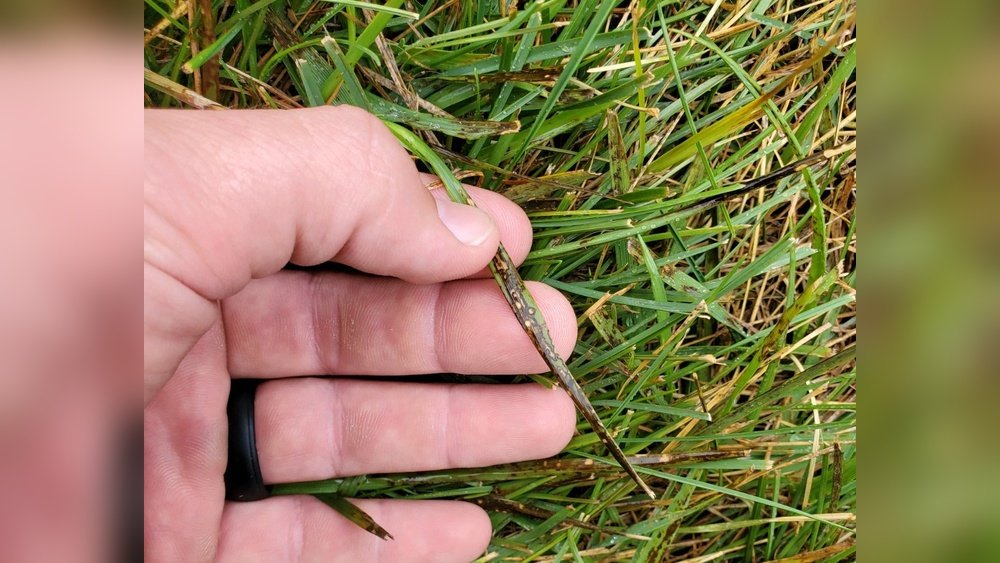
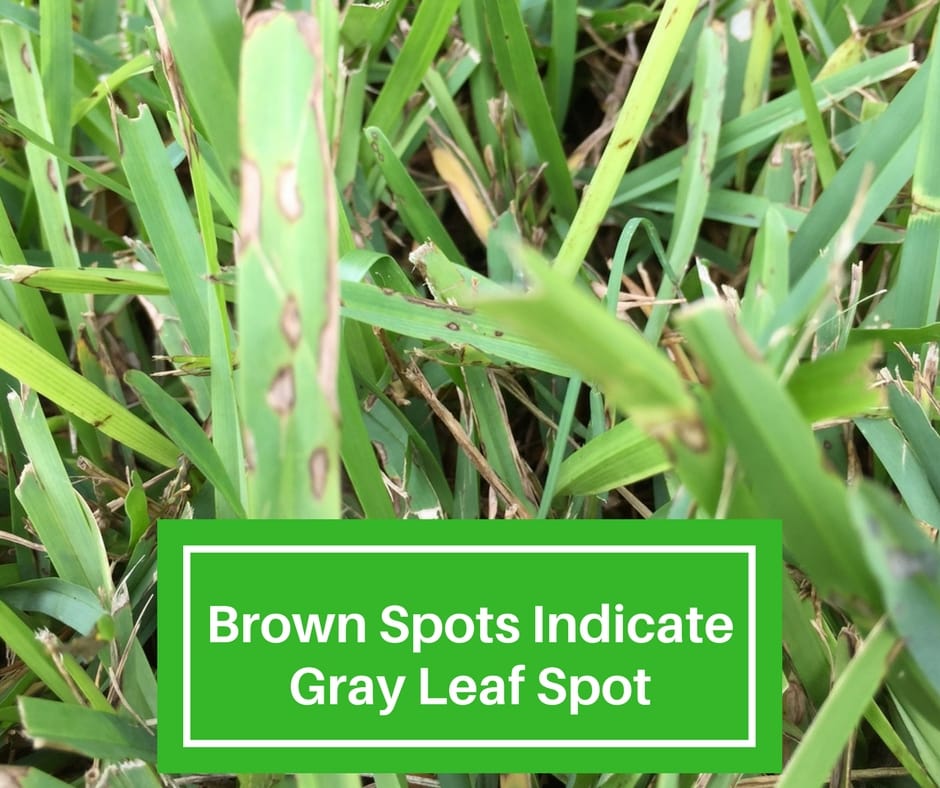
The disease works fast—sometimes entire patches turn brown within days. At first, you’ll see small, round or oval spots with tan centers and dark brown borders. As the spots grow, they merge and create large, irregular patches that look scorched.
Common Grass Types Affected
Some types of grass are more likely to suffer from gray leaf spot. Here’s a quick overview:
| Grass Type | Susceptibility | Notes |
|---|---|---|
| Perennial Ryegrass | High | Often used on sports fields and golf courses |
| Tall Fescue | Medium | Common in home lawns |
| St. Augustinegrass | High | Popular in southern U.S. states |
| Kentucky Bluegrass | Low | Rarely affected |
Recognizing Gray Leaf Spot Symptoms
Identifying gray leaf spot early can save you a lot of trouble. Here’s what to watch for:
- Spots on leaves: Small (2–5 mm), oval or round, with tan or gray centers and dark brown borders.
- Lesions merge: Spots join together, making large, irregular brown or grayish patches.
- Leaf blight: Grass blades start to wither from the tip down.
- Thinning turf: Affected areas become thin and weak, often with a “burned” look.
- Sticky spores: On humid mornings, you may see a gray, fuzzy growth—this is the fungus producing spores.
It’s easy to confuse gray leaf spot with other diseases like dollar spot or brown patch. One unique sign is the fish-hook shape of dying leaves, especially in ryegrass.
What Causes Gray Leaf Spot?
You might wonder why your lawn has this problem when your neighbor’s does not. The answer is often a mix of weather and lawn care habits. Here are the main factors:
- Warm, humid weather: Temperatures between 75–90°F (24–32°C) with high humidity are perfect for this fungus.
- Frequent rain or irrigation: Wet grass stays damp, giving the fungus more time to infect.
- Heavy nitrogen fertilizer: Too much nitrogen makes grass grow fast but weak, making it easy for the fungus to attack.
- Poor air flow: Dense lawns or shaded areas dry slowly, keeping leaves wet for longer.
- Mowing when wet: This spreads spores and injures the grass, opening the door for infection.
How To Treat Gray Leaf Spot In Lawn
Acting quickly gives you the best chance to save your lawn. Here’s a full plan, step by step.
1. Stop Overwatering
Water your lawn only when needed. Early in the morning is best, so the grass dries out during the day. Avoid watering in the late afternoon or evening.
- Tip: Use a rain gauge to check if your lawn gets at least 1 inch (2.5 cm) of water per week (from rain or irrigation combined).
2. Change Your Mowing Habits
Mow your lawn only when the grass is dry. Keep mower blades sharp to avoid tearing the leaves. Do not remove more than one-third of the grass blade at a time.
- Insight: Bag your clippings if you see signs of disease to prevent spreading spores.
3. Adjust Fertilizer Use
Reduce or stop using high-nitrogen fertilizers while the disease is present. Too much nitrogen feeds the fungus.
- Non-obvious tip: Switch to a balanced fertilizer with lower nitrogen (for example, N-P-K ratio of 12-12-12 or 10-10-10) until the lawn recovers.
4. Improve Airflow And Sunlight
Trim overgrown shrubs, trees, or plants near the lawn to increase sunlight and airflow. Gray leaf spot hates dry, sunny conditions.
- Practical example: If you have thick hedges blocking the breeze, cutting them back can reduce disease without chemicals.
5. Remove Thatch
A thick layer of thatch (dead grass and roots) holds moisture and protects the fungus. Use a dethatching rake or machine if the thatch is more than 1/2 inch (1.3 cm) deep.
- Mistake to avoid: Don’t dethatch when the lawn is wet—this spreads the fungus.
6. Apply Fungicide
If the disease is severe or spreading fast, you may need a fungicide. Always read the label and follow the instructions.
Best Fungicides For Gray Leaf Spot
Here’s a comparison of common fungicide options:
| Active Ingredient | Brand Examples | Effectiveness | Notes |
|---|---|---|---|
| Azoxystrobin | Heritage | High | Works on many turf diseases |
| Propiconazole | Banner Maxx | Medium-High | Cost-effective |
| Fluoxastrobin | Disarm | High | Quick action |
| Pyraclostrobin | Insignia | High | Works preventively |
- Key advice: Rotate fungicides with different active ingredients to prevent resistance. Don’t always use the same product.
7. Reseed Bare Patches
After treatment, you may have thin or bare areas. Reseed with a disease-resistant grass variety. Ryegrass labeled as “gray leaf spot resistant” can help avoid future problems.
- Example: Some new ryegrass blends now resist gray leaf spot much better than older types.
8. Avoid Common Mistakes
Some actions make gray leaf spot worse:
- Overwatering after fungicide: This washes off the treatment before it works.
- Using high-nitrogen fertilizer right after disease appears: This fuels fungus growth.
- Ignoring early symptoms: Waiting too long can mean losing large parts of your lawn.
Credit: houstonturfgrass.com
Preventing Gray Leaf Spot In The Future
Prevention is the best cure. Here’s how to keep your lawn safe:
Use Disease-resistant Grass
Whenever you reseed or patch your lawn, choose grass blends labeled as “gray leaf spot resistant. ” This is especially important for ryegrass and tall fescue lawns.
Balanced Lawn Care
- Water deeply but rarely (once or twice a week)
- Mow at the right height (usually 2.5–3.5 inches for cool-season grasses)
- Fertilize in spring and fall, not during hot, humid summers
- Aerate your lawn once a year to reduce compaction and improve drainage
Monitor And Act Early
Check your lawn often, especially during hot, wet weather. Early action can stop a small problem from becoming a big one.
- Non-obvious insight: If you’ve had gray leaf spot before, keep a record of when and where it appeared. This helps you predict and prevent outbreaks.
When To Call A Professional
Sometimes, even the best care isn’t enough. If you’ve treated your lawn and the disease keeps coming back, or if you have a large area affected, it may be time to call a certified lawn care professional. They can:
- Test your soil and grass to confirm the problem
- Use commercial-grade fungicides safely
- Give specific advice for your lawn and climate

Credit: harrells.com
Quick Reference: How To Treat Gray Leaf Spot
Here’s a summary of the key steps:
| Action | Purpose | Timing |
|---|---|---|
| Water in the morning | Keep leaves dry | All season |
| Mow when dry | Reduce spread | As needed |
| Limit nitrogen | Slow fungus growth | During outbreak |
| Apply fungicide | Kill fungus | At first symptoms |
| Reseed bare spots | Repair lawn | After disease is gone |
Frequently Asked Questions
What Is The Best Time To Treat Gray Leaf Spot?
The best time is at the first sign of symptoms—when you see small, grayish spots on the leaves. Early treatment gives you the highest chance of success and prevents larger patches from dying.
How Long Does It Take To Recover From Gray Leaf Spot?
Recovery time depends on how quickly you act. If treated early, you may see improvement in 2–4 weeks. Severe cases or large dead patches may need reseeding, which can take 1–2 months to fully recover.
Can Gray Leaf Spot Kill My Entire Lawn?
In rare cases, yes—especially in perennial ryegrass or St. Augustinegrass during hot, humid weather. Most often, it causes large patches of thinning and weak grass, but a healthy lawn can usually recover with proper care.
Is Gray Leaf Spot Dangerous For Pets Or Children?
No, gray leaf spot only affects grass. It is not harmful to people, pets, or wildlife. However, some fungicides used to treat it can be toxic, so always follow label directions and keep children and pets off treated areas until dry.
Where Can I Learn More About Lawn Diseases?
For more detailed information, you can visit the NC State TurfFiles website, which is a leading authority on turf diseases.
Taking care of gray leaf spot may seem complicated, but with the right steps, you can restore your lawn’s health and keep it green and strong for years to come. Watch your lawn closely, act early, and don’t be afraid to ask for expert help if needed.
Healthy grass is always worth the effort.

Credit: sodsolutions.com