
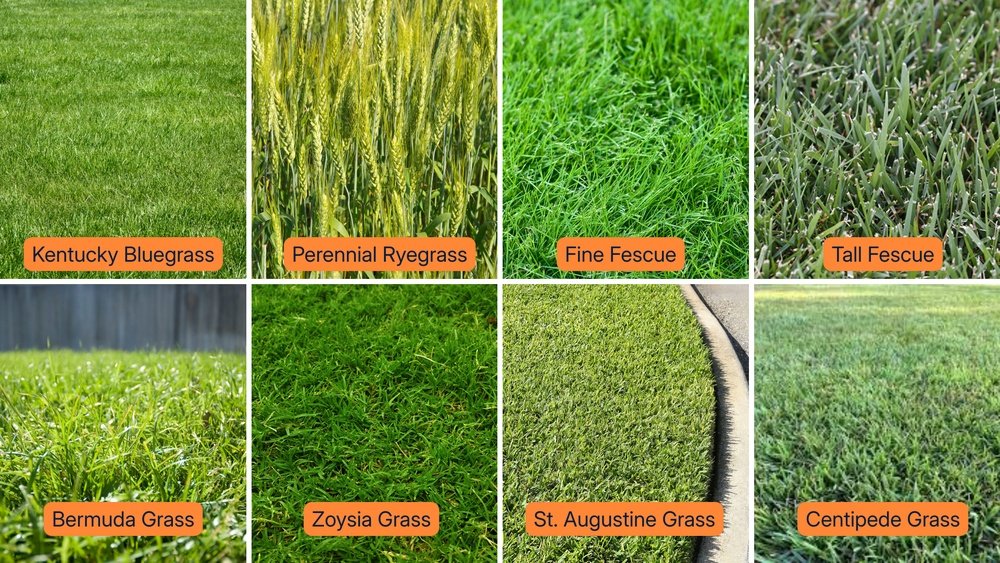
Transitioning a lawn from Bermuda grass to Fescue is a big decision for homeowners and property managers. Each type of grass brings its own look, feel, and maintenance needs. Bermuda thrives in hot climates and full sun, while Fescue prefers cooler temperatures and can handle more shade. Sometimes, people want a softer, greener lawn year-round, or they need grass that does better in their changing climate. No matter the reason, switching from Bermuda to Fescue is not as simple as scattering new seeds. It requires careful planning, preparation, and ongoing care.
Many people underestimate the effort needed to make this transition work. You must consider timing, soil preparation, seed selection, watering, mowing, and even long-term maintenance. Missing a step or rushing the process can lead to patchy, unhealthy grass or wasted money. This guide gives you the practical steps, real-world tips, and warnings you need to move from Bermuda to Fescue successfully. You’ll find not only the how, but also the why behind each action, helping you avoid common mistakes that cause frustration for beginners.
Why Transition From Bermuda To Fescue?
Switching from Bermuda to Fescue is not just a trend—it often solves real problems. Bermuda grass is a warm-season grass. It grows best in hot, sunny areas, but goes brown and dormant in winter. If your yard has lots of shade, Bermuda will thin out and weeds will move in. Fescue, on the other hand, is a cool-season grass. It stays green in cooler months, handles partial shade, and has a softer texture underfoot.
Some key reasons people make the switch:
- Shade tolerance: Fescue grows where Bermuda struggles.
- Year-round color: Fescue stays green in fall and winter.
- Less aggressive spreading: Bermuda can invade flower beds and gardens; Fescue is clump-forming and easier to control.
- Preference for cooler climates: Fescue is better for regions with cold winters.
A transition is not a one-weekend project. It takes time, patience, and the right approach for lasting results.
Understanding The Challenges
Transitioning is hard because Bermuda grass is tough and persistent. Its roots and runners can survive drought and resist many weed killers. If you simply seed Fescue over Bermuda, the Bermuda will quickly come back and take over again, especially when summer returns.
Another challenge: Fescue and Bermuda have different needs. For example, Fescue struggles in the summer heat, while Bermuda thrives. The overlap period is when both grasses are weak, and weeds often move in. If you don’t control Bermuda properly, you’ll end up with a mix of both grasses—and an uneven lawn.
Timing: The Key To Success
Timing is one of the most important—and most overlooked—parts of this process. If you try to establish Fescue at the wrong time of year, you’ll waste seed and effort.
- Best time for killing Bermuda: Late summer to early fall, when Bermuda is still actively growing.
- Best time for seeding Fescue: Early fall (usually September to October), when soil temperatures are 60–70°F (16–21°C).
This timing allows you to weaken Bermuda before seeding, and gives Fescue the cool weather it needs to establish strong roots before winter.
Step 1: Assess Your Lawn And Set Realistic Expectations
Before you start, walk your lawn and note:
- How much Bermuda coverage you have
- How much shade and sun each area gets
- Soil type and any drainage problems
Not all lawns are good candidates for Fescue. If your area is extremely hot or has no shade, Fescue may struggle. Think about your goals—do you want a perfect, golf-course lawn, or just a greener winter yard? Your answer will affect how much work and money you invest.
Non-obvious insight: Some people expect an instant transformation. In reality, full conversion can take a year or more, especially if you want to remove all Bermuda. Patience is key.
Step 2: Remove Bermuda Grass
This is the most critical—and most difficult—step. Bermuda is known for its deep roots (up to 6 feet) and creeping runners. Here are methods to kill it:
Physical Removal
For small areas:
- Use a sod cutter or shovel to remove the top 2–3 inches of turf and roots.
- Rake out any leftover runners.
Tip: This method is labor-intensive but gives fast, visible results.
Solarization
For sunny areas during hot weather:
- Mow Bermuda as low as possible.
- Water the soil deeply.
- Cover with clear plastic sheeting (2–4 mils thick), sealing edges with soil or bricks.
- Leave in place for 6–8 weeks in full sun.
The heat under the plastic cooks the grass and many weed seeds. Remove plastic when grass underneath is brown and dead.
Herbicide Application
For most lawns, glyphosate (e.g., Roundup) is the most effective:
- Apply when Bermuda is actively growing (late summer).
- Wait 7–10 days, then mow and water to stimulate regrowth.
- Apply a second and sometimes third round for stubborn patches.
Non-obvious insight: One spray is almost never enough. Bermuda can regrow from tiny pieces, so patience and repeat treatments are essential.
Combination Approach
For the best results, use a mix of methods. For example, spray with herbicide, then solarize, and remove dead material before seeding.
Step 3: Prepare The Soil
Healthy Fescue starts with good soil. After Bermuda is removed:
- Rake out dead grass and debris.
- Till or core-aerate the top 2–4 inches to loosen compacted soil.
- If your soil is clay-heavy or drains poorly, mix in sand or compost.
Test your soil pH. Fescue prefers a pH of 6. 0–6. 5. Add lime if pH is too low, or sulfur if it’s too high.
Pro tip: Poor soil prep leads to patchy germination and thin Fescue stands. Take your time here.
Step 4: Choosing The Right Fescue Seed
There are many types of Fescue. The best for lawns are usually Turf-Type Tall Fescue or Fine Fescue blends. Here’s a comparison:
| Type | Best For | Texture | Shade Tolerance | Heat Tolerance |
|---|---|---|---|---|
| Tall Fescue (Turf Type) | High-traffic lawns | Medium-coarse | Good | Good |
| Fine Fescue | Shady, low-traffic areas | Fine | Excellent | Poor |
| Kentucky 31 (Old) | Utility, pastures | Coarse | Fair | Good |
Blended seed mixes are usually best for home lawns. They combine strengths of different Fescue types, improving disease resistance and appearance.
Step 5: Seeding Techniques
For the best results:
- Use a broadcast spreader for even coverage.
- Recommended rate: 6–8 lbs. Of seed per 1,000 sq. Ft.
- Lightly rake the seed into the top 1/4 inch of soil.
- Roll with a lawn roller or walk over the area to press seed into contact with soil.
Starter fertilizer can be applied at the same time, but avoid high-nitrogen products.
Watering: Keep soil moist but not soggy. Water lightly 2–3 times daily until seedlings reach 2 inches tall, then reduce frequency.

Credit: www.reddit.com
Step 6: Early Care And Germination
Fescue usually germinates in 7–21 days, depending on soil temperature. During this time:
- Do not let the soil dry out.
- Avoid heavy foot traffic.
- Watch for signs of disease (brown patches, gray mold) and treat if needed.
Once grass is 3 inches tall, mow for the first time. Use a sharp blade and never remove more than 1/3 of the height.
Step 7: Ongoing Maintenance And Bermuda Control
Even after killing Bermuda, it may return from roots or seeds. Vigilance is required:
- Pull small Bermuda patches by hand.
- Spot-treat with a Bermuda-specific herbicide if needed, but read labels carefully—many products can damage Fescue.
- Mow Fescue high (3–4 inches). This shades out Bermuda and gives Fescue an advantage.
Fertilize in fall and spring with a balanced fertilizer. Avoid heavy nitrogen in summer—this encourages Bermuda and stresses Fescue.
Step 8: Dealing With Mixed Lawns
In some regions, it’s almost impossible to remove 100% of Bermuda. You may have a “mixed” lawn, with Fescue dominant in spring and fall, and Bermuda popping up in summer. If you choose to live with this, mow high and focus on year-round health.
Step 9: Watering And Mowing For Fescue
Fescue needs about 1 inch of water per week. In hot summers, water deeply and infrequently to encourage deep roots. Mow at the highest setting for your mower.
| Task | Fescue | Bermuda |
|---|---|---|
| Preferred Mowing Height | 3–4 inches | 1–2 inches |
| Water Needs | Medium | Low |
| Fertilizer Timing | Fall/Spring | Late Spring/Summer |
Step 10: Common Mistakes To Avoid
- Skipping Bermuda removal: Overseeding alone rarely works.
- Seeding too late: Fescue needs time to grow roots before winter.
- Underwatering seedlings: Dry soil kills new Fescue quickly.
- Mowing too short: Low mowing helps Bermuda, not Fescue.
- Giving up after one season: Persistence is key, especially with stubborn Bermuda.
Step 11: Cost And Effort
Transitioning is not cheap or easy. Costs include:
- Herbicides or sod cutters
- New seed
- Fertilizer and soil amendments
- Water (especially during establishment)
You’ll also invest time—expect several weekends of work and months of follow-up care.
Practical tip: Renting equipment (like a slit seeder or aerator) can save money compared to hiring a lawn service.

Credit: www.hallstewart.com
Step 12: When To Call A Professional
If you have a large yard or lots of Bermuda, professional help may be worth it. Pros have access to stronger herbicides and special equipment. They can also test your soil and recommend the best seed blend. However, make sure they have experience with Bermuda-to-Fescue conversions—not all do.
Step 13: Monitoring Progress
Keep a lawn journal. Take photos every few weeks. Note where Bermuda returns and which areas struggle. Adjust your watering, mowing, and fertilizing based on results.
Unexpected benefit: Many people find they learn a lot about their soil, climate, and landscape during this process—knowledge that helps with all types of gardening.
Step 14: Long-term Tips For A Healthy Fescue Lawn
- Aerate your lawn every fall to relieve compaction and help Fescue roots grow.
- Overseed thin spots each autumn—this keeps the stand thick and weeds out.
- Watch for pests and fungal diseases, especially in wet weather.
- Mulch mow (leave grass clippings) to return nutrients to the soil.
Step 15: Climate Considerations
If you live in a region with scorching summers and mild winters, Fescue may need extra care or irrigation. In some areas, a Fescue lawn may always be a bit of a struggle compared to Bermuda. Talk to local extension offices or neighbors for advice specific to your climate.

Credit: www.walmart.com
Frequently Asked Questions
How Long Does It Take To Fully Transition From Bermuda To Fescue?
Complete transition can take one to two years, depending on how persistent the Bermuda is and how closely you follow each step. Multiple applications of herbicide, repeated overseeding, and ongoing care are usually needed for total success.
Can I Simply Overseed Fescue Into Bermuda Without Killing Bermuda First?
You can, but results are usually poor. Bermuda will outcompete Fescue during the warm months, and your lawn will look patchy. Removing Bermuda first gives Fescue the best chance.
What If Bermuda Keeps Coming Back After I Seed Fescue?
This is common. Keep pulling or spot-treating Bermuda as it appears, and mow Fescue high. Over time, Fescue will crowd out most Bermuda if you keep up with maintenance.
Is Fescue More Expensive To Maintain Than Bermuda?
Fescue usually needs more water and fertilizer than Bermuda, especially in hot climates. However, it provides green color year-round and better shade tolerance, which many find worth the extra effort.
Where Can I Find More Detailed Information Or Help For My Region?
A great resource is your local university cooperative extension office. They offer region-specific advice, soil testing, and sometimes even lawn care workshops. You can also check trusted sites like NC State TurfFiles for research-based guidance.
Switching from Bermuda to Fescue is not easy, but with careful planning and patience, you can create a beautiful, green lawn that lasts for years. Remember, success comes from understanding your lawn’s needs and adjusting your care as you go.
With the right steps and attitude, your Fescue lawn will reward you with beauty and comfort in every season.