
Are you tired of watching your fruit trees struggle despite your best efforts? Choosing the right fertilizer can make all the difference in growing healthy, productive trees.
But with so many options out there, how do you pick the best slow-release fertilizer for your fruit trees? This guide will help you understand exactly what to look for, so your trees get the nutrients they need—slowly and steadily.
Keep reading to discover simple tips that will transform your fruit-growing experience and boost your harvest like never before.
Benefits Of Slow-release Fertilizers
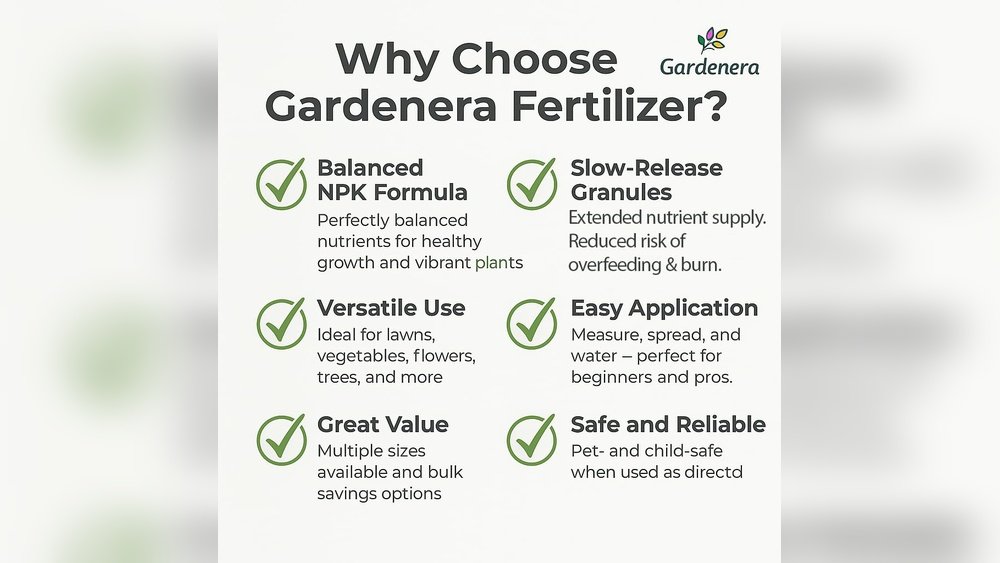
Slow-release fertilizers offer many benefits for fruit trees. They provide nutrients steadily, helping trees grow strong. These fertilizers improve soil and reduce the chance of nutrient loss. Using slow-release fertilizers supports healthy trees and better fruit production.
Long-lasting Nutrient Supply
Slow-release fertilizers release nutrients over time. This steady supply feeds fruit trees for weeks or months. Trees get what they need without sudden nutrient spikes. This helps roots absorb nutrients better. Long-lasting nutrients mean fewer fertilizer applications.
Reduced Risk Of Overfertilizing
Slow-release fertilizers lower the chance of overfertilizing. Nutrients are not released all at once. This protects trees from nutrient burn. It also prevents waste of fertilizer. Overfertilizing can harm tree roots and reduce fruit quality. Slow-release options keep trees safe and healthy.
Improved Soil Health
Slow-release fertilizers support soil health naturally. They reduce nutrient runoff and pollution. Healthy soil holds water and nutrients well. This creates a better environment for roots. Over time, soil structure improves. Strong soil leads to strong, productive fruit trees.

Credit: www.amazon.com
Types Of Slow-release Fertilizers
Slow-release fertilizers feed fruit trees over time. They reduce the need for frequent fertilizing. Different types suit different needs and soil types. Knowing the options helps choose the best fit for your trees.
Each type releases nutrients at a steady rate. This supports healthy growth and fruit production. Some are natural, others are made in labs. Some have special coatings to control release speed.
Organic Options
Organic slow-release fertilizers come from natural sources. Compost, manure, and bone meal are common examples. They improve soil health and add nutrients slowly. These options are safe for the environment. They boost beneficial soil microbes and earthworms.
Synthetic Options
Synthetic slow-release fertilizers are made chemically. They offer precise nutrient content. These fertilizers release nutrients steadily over weeks or months. They work well for quick, reliable feeding. They do not improve soil structure but provide exact nutrients.
Coated Fertilizers
Coated fertilizers have a special outer layer. This coating controls nutrient release speed. The layer breaks down slowly in soil moisture and temperature. Coated fertilizers can be organic or synthetic. They provide steady feeding and reduce nutrient loss.
Key Nutrients For Fruit Trees
Fruit trees need specific nutrients to grow strong and produce healthy fruit. Choosing the right slow-release fertilizer means knowing these key nutrients. Each nutrient supports a different part of the tree’s life cycle. Understanding these needs helps you pick the best fertilizer for your trees.
Nitrogen Needs
Nitrogen is vital for leafy growth. It helps trees develop lush, green leaves. Without enough nitrogen, trees look pale and weak. Too much nitrogen can reduce fruit production. A balanced slow-release fertilizer provides steady nitrogen over time.
Phosphorus And Root Growth
Phosphorus supports strong roots and flower development. Healthy roots absorb water and nutrients better. This nutrient also helps fruit trees bloom well. Slow-release fertilizers ensure phosphorus is available during key growth stages.
Potassium For Fruit Quality
Potassium improves fruit size, color, and taste. It strengthens the tree’s resistance to disease. Potassium also helps trees handle drought stress. A good slow-release fertilizer contains enough potassium for healthy fruit.
Micronutrients Importance
Micronutrients like zinc, iron, and manganese are needed in small amounts. They support overall tree health and growth. Deficiency can cause poor leaf color and weak growth. Choose a fertilizer that includes essential micronutrients for best results.

Credit: homesteadgardens.com
Factors To Consider When Choosing
Choosing the right slow-release fertilizer for fruit trees depends on several key factors. These factors help ensure the tree gets the nutrients it needs without waste. Understanding these points can guide you to the best product for your garden.
Soil Type And Condition
Soil affects how nutrients move and stay around roots. Sandy soil drains quickly and may need more frequent feeding. Clay soil holds nutrients longer but can cause buildup. Test your soil’s pH and nutrient levels before buying fertilizer. Adjust the fertilizer choice to match soil needs.
Tree Age And Variety
Young trees need different nutrients than mature ones. Seedlings require balanced fertilizers to support growth. Older trees often need fertilizers rich in potassium for fruit production. Different fruit types, like apples or citrus, have unique nutrient needs. Choose fertilizer formulas that suit your tree’s stage and type.
Climate And Weather Patterns
Climate affects how trees absorb fertilizer. In hot, dry areas, nutrients can wash away fast. Cool or wet climates slow down nutrient release. Select a fertilizer that matches your local weather conditions. This helps maintain steady nutrient supply year-round.
Application Timing And Frequency
Slow-release fertilizers feed trees over weeks or months. Consider how often you want to apply fertilizer. Some products last through an entire growing season. Others need reapplication every few months. Choose a fertilizer that fits your schedule and tree needs.
Reading Fertilizer Labels
Reading fertilizer labels helps you choose the right slow-release fertilizer for fruit trees. Labels hold key information about nutrients and release timing. Understanding these details ensures healthy growth and better fruit yield. Let’s break down the important parts of a fertilizer label.
Understanding N-p-k Ratios
The N-P-K ratio shows the amount of nitrogen, phosphorus, and potassium in the fertilizer. These three numbers are always in the same order. Nitrogen helps leaves grow green and strong. Phosphorus supports root and flower development. Potassium boosts overall plant health and fruit quality. Choose a ratio that matches your tree’s needs.
Release Rate Information
Slow-release fertilizers release nutrients over time. The label usually states how long nutrients last. Some last 3 months, others up to 6 months or more. This helps you plan when to fertilize next. A steady release avoids nutrient burn and supports steady growth.
Additional Ingredients
Labels also list extra ingredients like micronutrients or additives. Micronutrients include iron, zinc, and magnesium. These help fix minor nutrient gaps. Some fertilizers add beneficial microbes to improve soil health. Check for these extras to support your tree’s overall well-being.
Application Tips For Best Results
Applying slow-release fertilizer correctly helps fruit trees grow strong and healthy. Proper application ensures nutrients reach the roots steadily. Follow these tips to get the best results from your fertilizer.
Correct Dosage
Use the amount recommended on the fertilizer package. Too much fertilizer can harm the tree and the soil. Too little may not provide enough nutrients. Measure carefully for the right balance.
Proper Placement
Spread fertilizer evenly around the tree’s drip line. This area is the ground under the outer edge of the branches. Avoid placing fertilizer too close to the trunk. This prevents root damage and ensures nutrient absorption.
Watering Practices
Water the fertilizer after applying it. This helps nutrients soak into the soil. Keep the soil moist but not soaked. Regular watering supports nutrient release and root uptake.
Common Mistakes To Avoid
Choosing the right slow-release fertilizer for fruit trees can boost growth and fruit quality. Avoiding common mistakes helps protect your trees and soil. These errors often reduce fertilizer benefits and waste money.
Over-application Risks
Applying too much fertilizer harms fruit trees. Excess nutrients can burn roots and stunt growth. Overfeeding causes weak branches and fewer fruits. It also leads to nutrient runoff, polluting nearby water. Use recommended amounts to keep trees healthy.
Ignoring Soil Tests
Skipping soil tests wastes fertilizer and effort. Soil tests reveal nutrient levels and pH balance. Without tests, you might add wrong nutrients or too much fertilizer. Testing guides the right fertilizer choice and application rate. Test soil every few years for best results.
Using Incompatible Fertilizers
Not all fertilizers suit every fruit tree or soil type. Some fertilizers release nutrients too fast or too slow. Using incompatible products can cause nutrient imbalances. Check fertilizer labels and match them to your soil and tree needs. This ensures steady growth and fruit development.

Credit: www.groworganic.com
Frequently Asked Questions
What Is Slow-release Fertilizer For Fruit Trees?
Slow-release fertilizer releases nutrients gradually over time. It prevents nutrient leaching and promotes steady fruit tree growth. This type improves soil health and supports long-term tree productivity.
How To Choose The Right Fertilizer For Fruit Trees?
Select fertilizer based on tree species, soil test results, and nutrient needs. Look for balanced NPK ratios and slow-release formulas to feed trees effectively.
When Is The Best Time To Apply Slow-release Fertilizer?
Apply slow-release fertilizer in early spring or late fall. This timing ensures nutrients are available during critical growth and fruit development stages.
Can Slow-release Fertilizer Improve Fruit Quality?
Yes, it provides consistent nutrition, leading to healthier trees and better fruit size, taste, and color. Slow-release formulas reduce nutrient stress and improve overall fruit quality.
Conclusion
Choosing the right slow-release fertilizer helps your fruit trees grow strong. It feeds trees gradually and saves your effort. Check the nutrient content and match it to your tree’s needs. Remember to consider soil type and climate. This care gives better fruit and healthier trees.
Regular feeding keeps your garden thriving year after year. Start with these simple steps and watch your fruit trees flourish.