
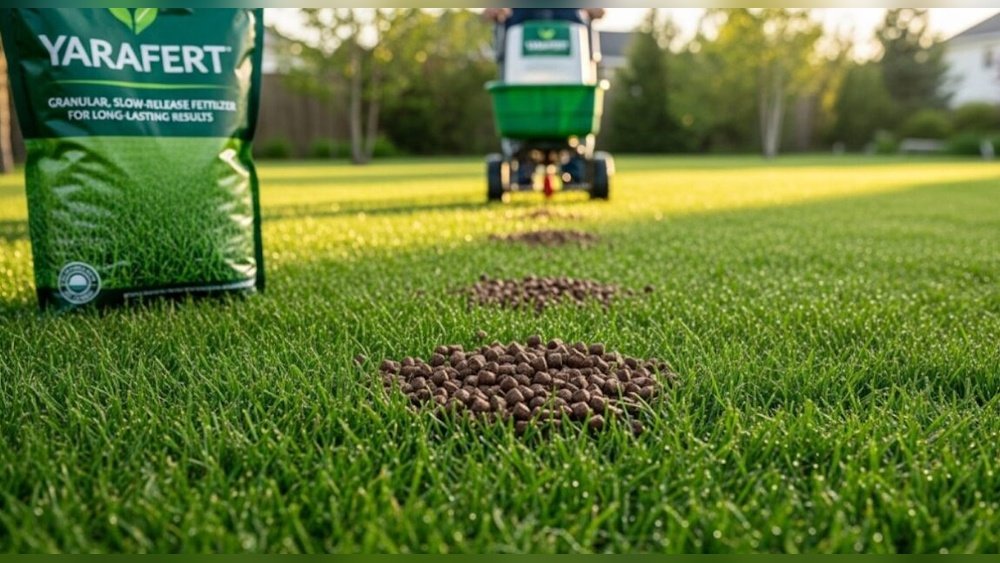
Are you tired of constantly feeding your plants and still not seeing the results you want? Slow-release fertilizer could be the game-changer your garden needs.
It provides steady nutrition over time, so your plants stay healthy and vibrant longer without extra effort from you. You’ll discover simple, effective ways to use slow-release fertilizer to get long-lasting growth and beauty. Keep reading to unlock the secrets to a thriving garden with less work.
Benefits Of Slow-release Fertilizers
Slow-release fertilizers provide nutrients to plants over a long period. They feed plants gradually, avoiding quick bursts of nutrients. This steady supply supports healthy growth and stronger roots. Many gardeners prefer them for ease and better plant care. Slow-release fertilizers also reduce the need for frequent feeding. This saves time and effort in garden maintenance.
Using slow-release fertilizers improves nutrient use and helps plants stay healthy longer. These fertilizers work well for many types of plants and soils. The benefits go beyond plant health, affecting the environment and garden safety.
Extended Nutrient Supply
Slow-release fertilizers release nutrients slowly into the soil. This process lasts weeks or even months. Plants get a steady nutrient flow that matches their growth needs. It prevents nutrient spikes that can harm plants. The extended supply supports continuous growth and helps plants stay strong. This steady feeding means fewer fertilizer applications are needed.
Reduced Fertilizer Burn
Fertilizer burn happens when too much fertilizer hits plants at once. It causes leaf damage and weakens plants. Slow-release fertilizers lower this risk by spreading nutrients out over time. Plants absorb nutrients gently, avoiding stress and damage. This makes slow-release options safer for young and sensitive plants. Gardeners can apply them without worrying about harming plants.
Environmental Advantages
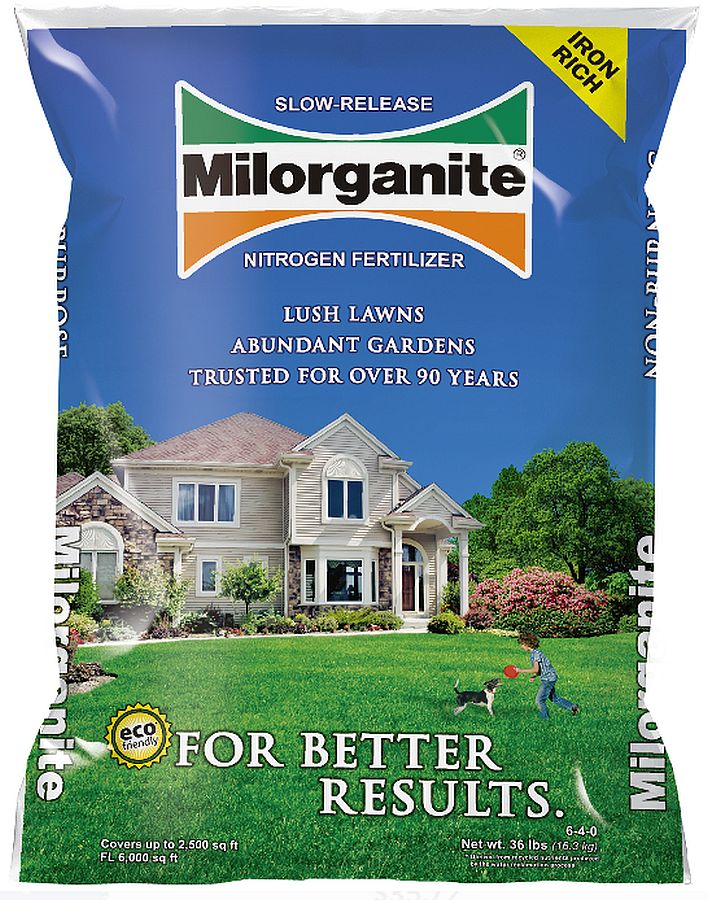
Slow-release fertilizers reduce nutrient runoff into water bodies. This protects rivers, lakes, and oceans from pollution. They also lower the chance of excess fertilizer harming soil life. The steady nutrient flow means less fertilizer waste. Using slow-release fertilizers helps create a cleaner, healthier environment. It supports sustainable gardening practices with less chemical impact.
Credit: sutherlands.com
Types Of Slow-release Fertilizers
Slow-release fertilizers come in different types. Each type works in its own way to feed plants over time. Understanding these types helps you pick the right fertilizer for your garden. Here are the main types of slow-release fertilizers.
Organic Options
Organic slow-release fertilizers come from natural sources like compost, bone meal, and manure. They break down slowly through natural processes in the soil. These fertilizers improve soil health while feeding plants. They release nutrients gently, which reduces the risk of burning plants. Organic options also support beneficial soil microbes.
Synthetic Formulations
Synthetic slow-release fertilizers are made from man-made chemicals. They are designed to release nutrients steadily over weeks or months. These fertilizers give plants a consistent supply of nutrients. They often contain a balanced mix of nitrogen, phosphorus, and potassium. Synthetic formulas work well for precise feeding schedules and specific plant needs.
Coated Granules
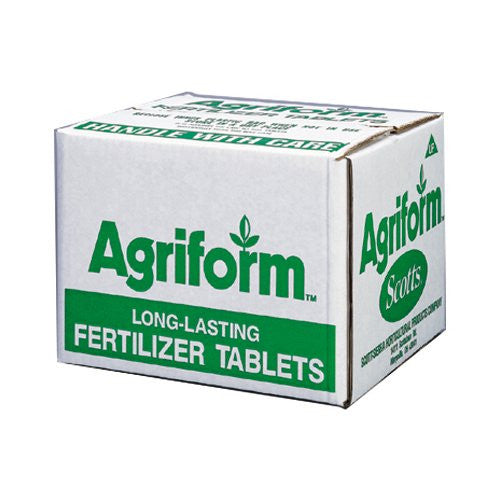
Coated granules are fertilizers wrapped in a special layer that controls nutrient release. The coating slows down how fast nutrients leave the granule. Water and temperature influence the release speed. These granules can last for several months. They are easy to apply and reduce nutrient loss from leaching.
Choosing The Right Fertilizer
Choosing the right slow-release fertilizer is key to healthy plants and long-lasting soil nutrition. The right choice helps plants grow steadily without frequent feeding. It also prevents nutrient loss and reduces the risk of over-fertilizing. Understanding your soil, plant needs, and environmental factors guides you to pick the best fertilizer type.
Soil Testing Essentials
Soil testing reveals nutrient levels and pH balance. Knowing what your soil lacks or has enough of helps avoid waste. Testing kits are easy to use or available through local extension services. Use results to select a fertilizer that fills nutrient gaps. This step saves money and supports plant health.
Matching Fertilizer To Plant Needs
Different plants require different nutrients in varying amounts. Leafy greens need more nitrogen, while flowering plants benefit from phosphorus. Check plant labels or guides for nutrient needs. Choose a fertilizer with a nutrient ratio that fits your plant type. Slow-release formulas work best when they match these needs precisely.
Considering Climate And Season
Climate affects how plants absorb nutrients. In hot weather, plants use nutrients faster. Cooler seasons slow nutrient uptake. Select fertilizers designed for your climate and season for steady feeding. Some fertilizers release nutrients slower in cold, helping plants during winter. Adjust your fertilizer choice based on local weather patterns.
Credit: www.seedworldusa.com
Application Techniques
Using slow-release fertilizer correctly helps plants grow strong and healthy. Proper application techniques ensure nutrients last longer. This saves time and effort while feeding plants steadily. Follow these key steps for best results.
Proper Dosage And Timing
Use the amount recommended on the fertilizer package. Too much can harm plants or waste nutrients. Too little may not support growth well. Apply slow-release fertilizer at the start of the growing season. This gives plants nutrients over time. Avoid adding fertilizer during extreme heat or drought.
Correct Placement In Soil
Place fertilizer near plant roots for easy nutrient uptake. Spread it evenly around the base of plants. Lightly mix the fertilizer into the top layer of soil. Avoid piling fertilizer in one spot. Keep fertilizer away from plant stems to prevent damage.
Watering Tips For Activation
Water plants after applying fertilizer to activate nutrient release. Use enough water to moisten the soil without causing runoff. Regular watering helps nutrients reach roots slowly. Avoid overwatering, which can wash away fertilizer. Consistent moisture supports steady nutrient supply.
Common Mistakes To Avoid
Using slow-release fertilizer can boost plant health for weeks. Avoiding common mistakes helps get the best results. These errors can waste fertilizer and harm plants. Learn what to watch out for to protect your garden.
Over-application Risks
Applying too much fertilizer harms plants. It causes leaf burn and weak roots. Slow-release types still release nutrients steadily. But excess amounts overwhelm the soil. Follow package instructions carefully. Measure the right amount for your soil and plants.
Ignoring Soil Ph
Soil pH affects nutrient absorption. Fertilizer works best in balanced pH levels. Acidic or alkaline soil blocks nutrient uptake. Test soil pH before applying fertilizer. Adjust soil pH with lime or sulfur if needed. This step improves fertilizer efficiency.
Neglecting Follow-up Care
Fertilizer is not a one-time fix. Plants need water to absorb nutrients. Water the soil after applying fertilizer. Check plants regularly for signs of stress. Reapply fertilizer based on plant needs and growth. Regular care ensures long-lasting benefits.
Maximizing Fertilizer Efficiency
Maximizing fertilizer efficiency means getting the most out of slow-release fertilizer. It helps plants grow strong while using less product. This saves money and protects the environment. Simple steps can improve how fertilizer works in your garden or lawn.
Combining With Mulching
Mulching keeps soil moist and cool. It stops nutrients from washing away during rain. Mulch also slows weed growth, which competes for nutrients. Applying mulch over slow-release fertilizer improves its effect. Use organic mulch like straw, wood chips, or leaves for best results.
Using Complementary Soil Amendments
Soil amendments improve soil structure and health. Adding compost or organic matter helps soil hold nutrients better. This supports slow-release fertilizer by making nutrients more available to roots. Lime or sulfur can adjust soil pH, helping plants absorb nutrients. Test soil first to choose the right amendments.
Regular Monitoring And Adjustments
Check plant growth and soil health often. Look for signs of nutrient deficiency like yellow leaves or slow growth. Test soil every season to track nutrient levels. Adjust fertilizer amount or type based on results. Regular care ensures long-lasting fertilizer benefits and healthy plants.
Expert Tips For Specific Plants
Using slow-release fertilizer properly helps plants grow strong and healthy. Different plants need different care. Applying the right amount and type of fertilizer gives the best results. Here are expert tips for specific plants. Follow these to feed your garden effectively.
Vegetables And Herbs
Vegetables and herbs need steady nutrition for good growth. Spread slow-release fertilizer evenly around the base. Avoid putting it too close to stems. Use fertilizers with balanced nutrients like nitrogen, phosphorus, and potassium. Water the soil well after applying to start nutrient release. Reapply every 8 to 12 weeks for continuous feeding. This helps plants produce more leaves and tasty herbs.
Flowering Plants
Flowering plants need food that supports blooms. Choose slow-release fertilizer higher in phosphorus. Apply it in early spring when plants start growing. Spread fertilizer around the root zone, avoiding direct contact with stems. Water after application to activate nutrients. Repeat feeding every 10 to 14 weeks. This encourages vibrant, lasting flowers through the season.
Lawns And Turf
Lawns require slow-release fertilizer for green, thick grass. Select fertilizers with higher nitrogen content for lush growth. Spread evenly over the entire lawn using a spreader. Apply in early spring and again in late summer. Water the lawn lightly after applying to help nutrients soak in. This method reduces frequent feeding and keeps grass healthy longer.

Credit: cofers.com
Frequently Asked Questions
What Is Slow-release Fertilizer And How Does It Work?
Slow-release fertilizer gradually releases nutrients over time. It feeds plants steadily, reducing nutrient loss. This ensures long-lasting plant growth and minimizes frequent fertilizing.
When Is The Best Time To Apply Slow-release Fertilizer?
Apply slow-release fertilizer at the start of the growing season. This timing maximizes nutrient absorption and promotes healthy root and leaf development throughout the season.
How Much Slow-release Fertilizer Should I Use Per Plant?
Use the amount recommended on the fertilizer label. Typically, apply evenly around the root zone to avoid over-fertilizing and ensure balanced nutrient delivery.
Can Slow-release Fertilizer Be Used For All Plants?
Slow-release fertilizers suit most plants, including flowers, vegetables, and lawns. However, always check specific plant needs and fertilizer compatibility before application.
Conclusion
Slow-release fertilizer feeds plants over time. It saves effort and reduces fertilizer waste. Applying it correctly helps plants grow strong and healthy. Regular use means fewer applications and steady nutrients. Remember to follow package instructions for best results. Healthy plants mean a beautiful garden all season long.
Try slow-release fertilizer for lasting garden care.