
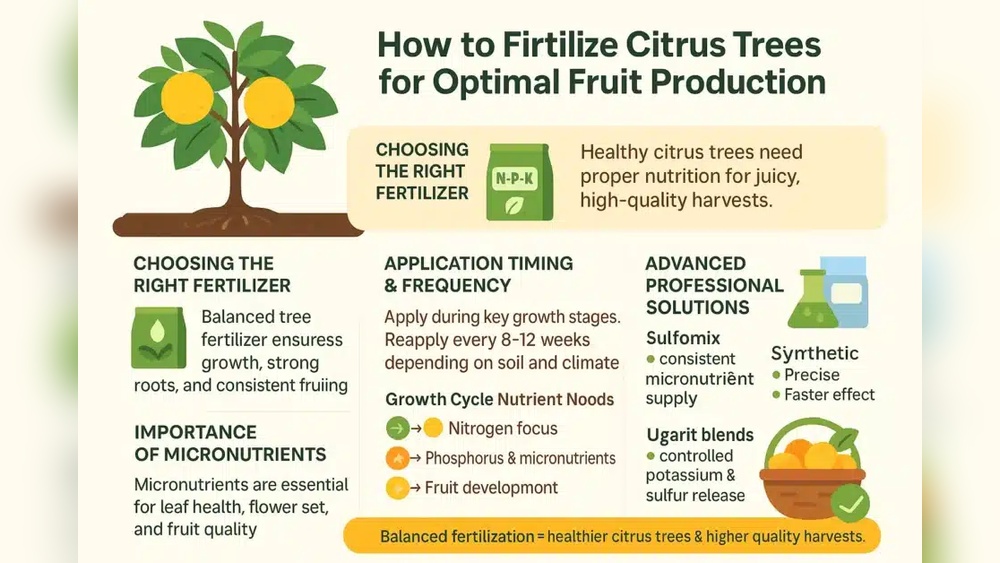
If you want your trees to grow stronger, healthier, and more vibrant, knowing how to fertilize them correctly is key. You might be wondering when to feed your trees, what type of fertilizer to use, or how often to apply it.
This guide will give you clear, simple steps to boost your trees’ growth and keep them thriving year after year. Keep reading—you’re about to discover easy tips that will make a big difference in your garden’s success.

Credit: growplant.org
Choosing The Right Fertilizer
Choosing the right fertilizer helps trees grow strong and healthy. The right nutrients support leaves, roots, and overall growth. Different trees need different types of fertilizers. Knowing what to use improves tree health and growth speed.
Types Of Tree Fertilizers
Tree fertilizers come in many forms. Granular fertilizers release nutrients slowly. Liquid fertilizers act fast and feed trees quickly. Slow-release fertilizers work over several months. Choose based on how fast you want results and ease of use.
Nutrient Needs By Tree Species
Each tree species has unique nutrient needs. Some trees need more nitrogen for green leaves. Others require phosphorus for root growth. Check your tree type before buying fertilizer. Correct nutrients help trees resist disease and stress.
Organic Vs Synthetic Options
Organic fertilizers come from natural sources like compost or manure. They improve soil health and release nutrients slowly. Synthetic fertilizers are man-made and provide quick nutrients. Both types have benefits. Choose based on tree needs and soil condition.
When To Fertilize Trees
Knowing when to fertilize trees is key for healthy growth. Fertilizing at the right time helps trees absorb nutrients better. It supports strong roots, lush leaves, and vibrant blooms. Timing depends on the tree type and local climate. Careful planning can boost your tree’s health and lifespan.
Seasonal Timing
Spring is the best season to fertilize most trees. Trees use nutrients quickly after winter dormancy ends. Early spring feeding encourages new shoots and leaves. Avoid fertilizing in late fall or winter. Trees slow their growth and do not absorb fertilizer well then. For some trees, late summer feeding works too. This helps prepare them for the cold months ahead.
Signs Your Tree Needs Fertilizer
Look for slow growth or small leaves on your tree. Pale or yellowing leaves often indicate nutrient shortage. Thin or weak branches can mean poor nutrition. If fruit or flowers are fewer than usual, consider fertilizing. Soil testing can confirm if nutrients are low. These signs show your tree needs a boost soon.
How To Apply Fertilizer
Applying fertilizer to trees helps them grow strong and healthy. It supports root development and improves leaf color. Correct application ensures the nutrients reach the tree effectively. Follow these steps for better results.
Soil Testing And Preparation
Test the soil before adding fertilizer. Soil testing shows nutrient levels and pH balance. Prepare the soil by removing weeds and debris. Loosen the soil around the tree to help roots absorb nutrients.
Proper Application Techniques
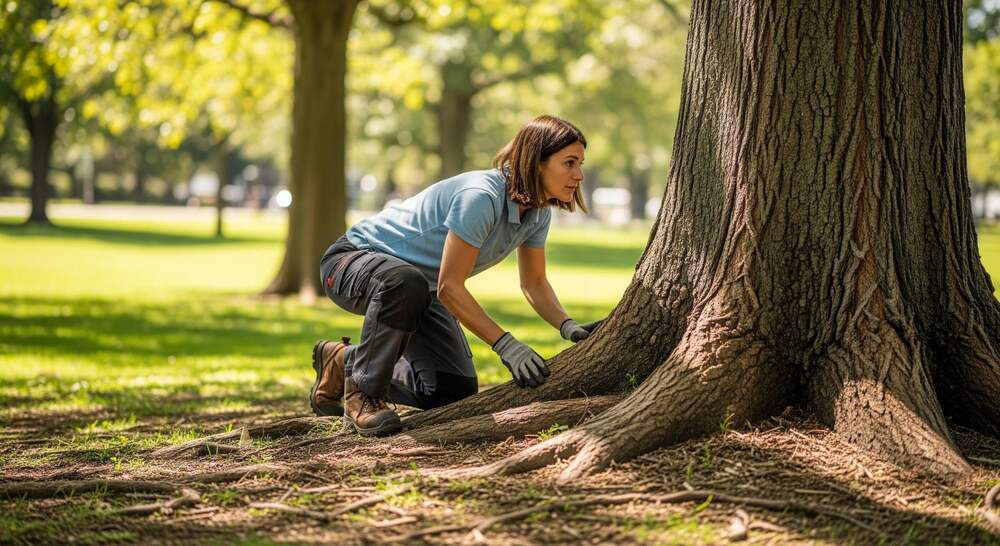
Spread fertilizer evenly around the tree’s drip line. Avoid placing fertilizer near the trunk to prevent damage. Water the area after applying fertilizer to help it soak in. Use slow-release fertilizers for steady nutrient supply.
Safety Tips For Fertilizing
Wear gloves and protective clothing during application. Keep fertilizer away from children and pets. Follow the instructions on the fertilizer package carefully. Store fertilizer in a cool, dry place to maintain its quality.
Common Fertilizing Mistakes
Fertilizing trees helps them grow strong and healthy. Many people make common mistakes while fertilizing. These errors can harm the tree instead of helping it. Knowing what to avoid will improve your tree care.
Overfertilizing Dangers
Putting too much fertilizer on trees causes root damage. Excess nutrients can burn roots and leaves. Overfertilizing also wastes money and pollutes the soil. Trees may grow too fast and become weak. Use only the recommended amount for each tree.
Incorrect Timing Issues
Fertilizing at the wrong time reduces its benefits. Fertilizer applied during dormancy may not be absorbed. Applying too late in the season can cause winter damage. The best time is early spring or late fall. Follow the tree species’ specific growth cycle.
Ignoring Soil Conditions
Soil quality affects how fertilizer works. Fertilizer in poor soil may not reach tree roots well. Test soil before fertilizing to know nutrient levels. Adjust fertilizer type and amount based on soil needs. Healthy soil supports better tree growth.
Enhancing Fertilizer Effectiveness
Enhancing fertilizer effectiveness helps trees absorb nutrients better. Proper care ensures fertilizers work well and support growth. Simple techniques make a big difference in nutrient uptake. Focus on watering, mulching, and soil health for best results.
Watering Strategies
Water helps fertilizer reach tree roots. Apply water slowly to avoid runoff. Deep watering encourages roots to grow downward. Water before and after fertilizing for best absorption. Avoid overwatering to prevent nutrient loss.
Mulching Benefits
Mulch keeps soil moist and cool. It reduces water evaporation and soil erosion. Organic mulch breaks down, adding nutrients to soil. Mulch also stops weeds that compete for nutrients. Keep mulch a few inches from tree trunk.
Using Soil Amendments
Soil amendments improve soil structure and nutrient holding. Add compost or peat moss to increase organic matter. Amendments help soil retain water and air. Test soil before adding amendments to avoid excess nutrients. Healthy soil boosts fertilizer efficiency and tree growth.
Credit: happytreeserviceofaustin.com
Fertilizing Different Tree Types
Different types of trees need different kinds of care. Fertilizing trees helps them grow strong and healthy. Each tree type has unique needs for nutrients. Understanding these needs helps you choose the right fertilizer. Proper fertilization improves tree health, leaf color, and fruit production. Below are tips for fertilizing common tree types.
Fruit Trees
Fruit trees need fertilizers rich in nitrogen, phosphorus, and potassium. These nutrients support flower and fruit growth. Apply fertilizer in early spring before buds open. Use a balanced fertilizer like 10-10-10 or one made for fruit trees. Avoid over-fertilizing to prevent weak fruit and excessive leaves. Spread fertilizer evenly around the tree’s drip line. Water the area well after applying fertilizer.
Shade Trees
Shade trees need nutrients to support strong branches and dense leaves. Use a slow-release fertilizer with balanced nutrients. Apply fertilizer in early spring or late fall. Spread fertilizer under the tree’s canopy, not near the trunk. This encourages deep root growth. Mulching after fertilizing helps keep moisture and nutrients in the soil. Avoid using high-nitrogen fertilizers, which can cause too much leafy growth.
Evergreens
Evergreens need fertilizers with higher nitrogen to maintain green color. Fertilize in early spring before new growth starts. Use a fertilizer made for evergreens or acid-loving plants. Spread fertilizer around the tree’s drip line. Water deeply after applying fertilizer. Avoid fertilizing late in the growing season to prevent new growth damage from frost. Regular feeding helps keep evergreens lush and vibrant year-round.
Credit: www.greenlawnfertilizing.com
Frequently Asked Questions
How Often Should I Fertilize Trees For Optimal Growth?
Fertilize young trees every 4-6 weeks during the growing season. Mature trees benefit from fertilizing once or twice a year. Always follow specific tree species guidelines for best results.
What Type Of Fertilizer Is Best For Tree Growth?
Use a balanced, slow-release fertilizer with nitrogen, phosphorus, and potassium. Organic fertilizers like compost or manure also promote healthy root and foliage development.
When Is The Best Time To Fertilize Trees?
Early spring and late fall are ideal times for fertilizing trees. This timing supports root growth and prepares trees for seasonal changes.
How Much Fertilizer Should I Apply To My Trees?
Apply fertilizer based on tree size and soil test results. Avoid over-fertilizing, which can damage roots and reduce growth.
Conclusion
Fertilizing trees helps them grow strong and healthy. Use the right type and amount of fertilizer. Apply it during the best seasons for your tree. Healthy trees resist pests and live longer. Keep watching your trees and adjust care as needed.
Small steps make a big difference in tree growth. Start now and enjoy greener, fuller trees soon.