
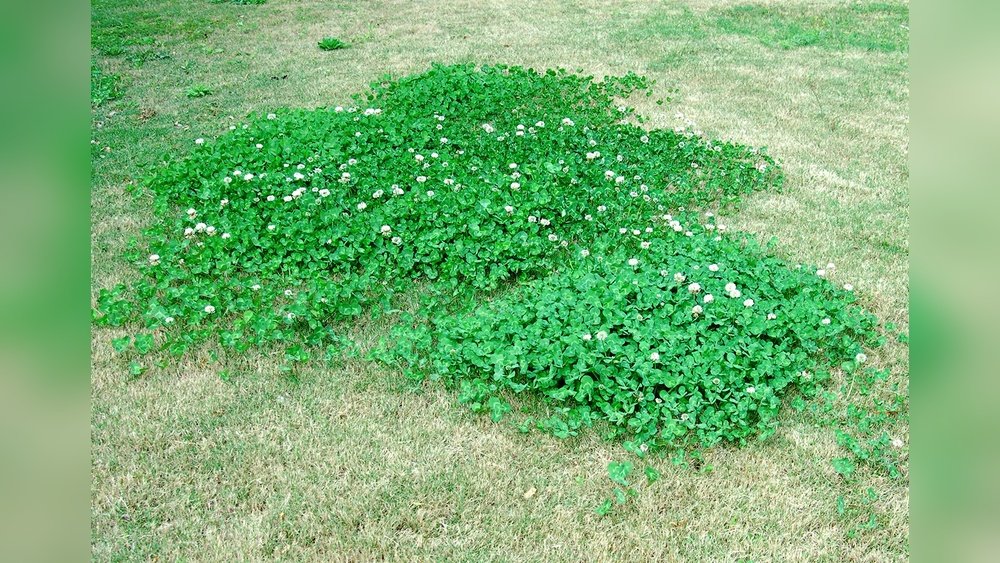
Is clover taking over your lawn and you want it gone—without using harsh chemicals? You’re not alone.
Many homeowners want a lush, green yard but worry about the damage chemical herbicides can cause to their grass, pets, and the environment. The good news is, you don’t have to sacrifice a healthy lawn or resort to toxic treatments to remove clover naturally“>remove clover naturally. You’ll discover simple, effective ways to get rid of clover naturally. By following these easy steps, you can reclaim your lawn and enjoy a vibrant outdoor space you’ll be proud of—without any chemicals involved. Keep reading to learn how to tackle clover the safe and smart way!

Credit: www.youtube.com
Identify Clover In Your Lawn
Identifying clover in your lawn is the first step to removing it without chemicals. Knowing what clover looks like helps you target it effectively. This guide makes spotting clover easy, even for beginners.
Recognize Clover Characteristics
Clover has small, round leaves that grow in groups of three. Each leaf usually has a faint white mark shaped like a crescent. The plant stays low to the ground and spreads quickly. Clover blooms small, round flower heads, usually white or pink. These flowers attract bees and other pollinators. The stems are soft and can root where they touch the soil. Clover feels smooth and soft compared to rough grass blades.
Distinguish Clover From Grass
Grass blades are long, thin, and grow straight up. Clover leaves are wider and rounder, forming clusters of three. Grass grows from the base in bunches or spreads through runners. Clover spreads mainly by creeping stems on the surface. Grass has a sharp texture, while clover feels soft and leafy. Flowers only appear on clover, not on grass. Spotting these differences helps you find clover patches quickly.
Manual Clover Removal
Removing clover from your lawn by hand is a natural and effective approach. It avoids chemicals and protects your grass“>protects your grass. Manual removal demands patience but delivers lasting results. Focus on removing the entire plant, roots included. This stops the clover from growing back quickly.
Hand Pulling Techniques
Start by moistening the soil to ease pulling. Grab the clover near its base with your fingers. Pull gently but firmly, avoiding breakage. Removing the whole plant, especially the roots, is crucial. Small patches can be removed by hand daily. This prevents clover from spreading further.
Using Tools For Root Removal
Use a garden trowel or weeding fork for stubborn roots. Insert the tool into the soil around the clover. Loosen soil carefully without harming nearby grass. Lift the clover out with roots intact. Tools help remove deeper roots that hand pulling misses. Work slowly to avoid soil damage.
Proper Disposal Of Clover
Collect pulled clover in a bucket or garden bag. Avoid leaving clover on the lawn as it can regrow. Dispose of clover in compost if heat reaches 140°F or higher. Otherwise, throw it away with yard waste. Proper disposal stops clover from reseeding your lawn.
Improve Lawn Health
Improving your lawn’s health is key to removing clover naturally. A strong, thick lawn stops clover from growing. Focus on nurturing your grass to crowd out unwanted plants. Healthy grass gets more sunlight, water, and nutrients, leaving little space for clover to spread. Follow simple lawn care steps to boost grass strength and keep clover away.
Regular Mowing Practices
Mow your lawn often to keep grass dense and healthy. Set your mower blade high to avoid cutting grass too short. Taller grass shades the soil, making it harder for clover to grow. Remove clippings to reduce weed seeds spreading. Regular mowing encourages grass to grow thick and strong.
Aeration And Dethatching
Aerate your lawn to improve soil air and water flow. Aeration helps grass roots
Natural Lawn Care Tips
Fertilize Organically
Use organic fertilizers to nourish your lawn without chemicals. Organic options improve soil health and encourage grass growth, making it harder for clover to thrive.
Watering Techniques
Water deeply but infrequently to promote deep root growth in grass. This strengthens your lawn and helps it outcompete clover for resources.