
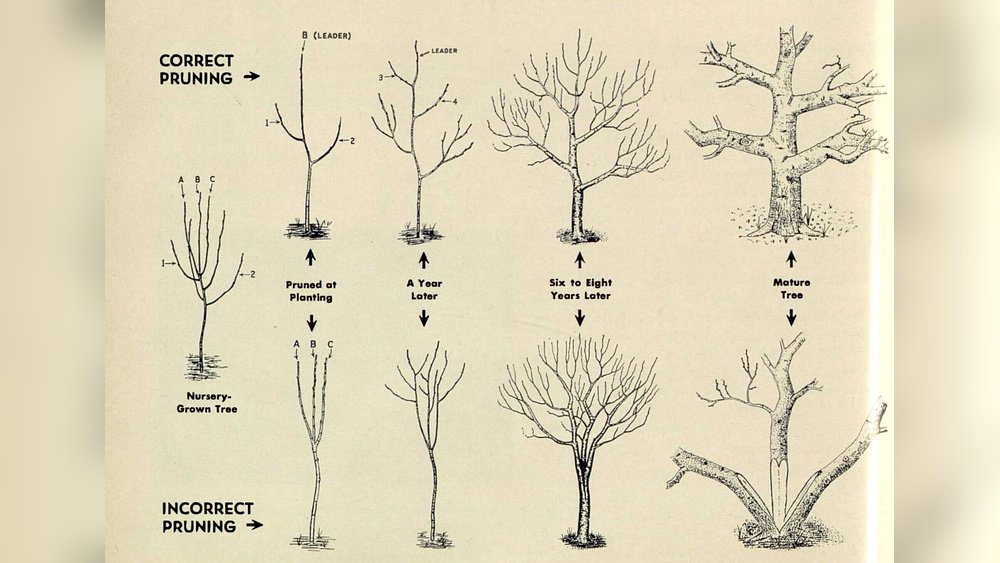
Spring is the most active season for gardens and landscapes. As trees wake from winter, pruning becomes essential to keep them healthy, safe, and beautiful. Whether you have fruit trees, shade trees, or ornamental trees, knowing how and when to prune makes a big difference. This guide shares practical tips, step-by-step advice, and expert insights for spring tree pruning. Even if you are new to gardening or English, you’ll find clear explanations, simple steps, and helpful examples here.
Why Prune Trees In Spring?
Pruning is not just about cutting branches. It’s about shaping the tree, improving growth, and preventing problems. Spring is a popular time to prune because:
- Trees start growing again after winter dormancy
- Wounds heal faster in warmer weather
- Diseases are less likely to spread compared to late summer or fall
Spring pruning helps remove dead or damaged wood, encourages strong new growth, and prevents dangerous branches from falling. Many gardeners notice their trees look healthier and produce more flowers or fruit after proper spring pruning.
Understanding Tree Growth And Pruning Needs
Before you start pruning, it’s important to know how trees grow and why each cut matters. Trees have two main growth periods: dormancy (winter) and active growth (spring and summer). Pruning in spring means you are working with the tree’s natural growth cycle.
Types Of Trees And Pruning Timing
Not all trees should be pruned at the same time. Here’s a quick comparison:
| Tree Type | Best Pruning Time | Special Notes |
|---|---|---|
| Fruit Trees | Late winter to early spring | Prune before new buds open |
| Flowering Trees | After bloom or early spring | Avoid cutting off flower buds |
| Evergreens | Late spring | Prune after new growth appears |
| Shade Trees | Early spring | Check for dead or weak branches |
Non-obvious insight: Pruning too early can risk frost damage to cuts. Pruning too late can reduce flowering and fruit production.
Tools You Need For Spring Tree Pruning
Using the right tools makes pruning easier and safer. Here are the must-have tools:
- Hand pruners – For small branches (under 1/2 inch thick)
- Loppers – For medium branches (up to 2 inches thick)
- Pruning saw – For larger limbs
- Pole pruner – For high branches
- Disinfectant – To clean tools and prevent disease spread
- Gloves – Protect your hands from thorns and splinters
- Safety goggles – Shield your eyes from falling debris
| Tool | Best Use | Common Mistake |
|---|---|---|
| Hand pruners | Small shoots and twigs | Using on thick branches can damage blades |
| Loppers | Medium branches | Forcing through large limbs risks tool breakage |
| Pruning saw | Large limbs | Using dull saws makes cuts jagged |
| Pole pruner | High branches | Overreaching can cause accidents |
Expert tip: Always keep tools sharp and clean. Dirty or dull tools can introduce diseases or make rough cuts that heal slowly.
How To Prune Trees In Spring: Step-by-step
Pruning is both art and science. Follow these steps to prune trees correctly in spring:
Step 1: Inspect The Tree
Walk around the tree. Look for:
- Dead, broken, or diseased branches
- Branches rubbing against each other
- Weak forks or narrow angles
- Branches growing inward or downward
Mark problem branches with colored tape or chalk. Don’t rush this step; careful inspection prevents mistakes.
Step 2: Prepare Your Tools
Clean and sharpen all tools. Use a disinfectant before and after pruning each tree, especially if you see signs of disease.
Step 3: Remove Dead Or Damaged Wood
Start by cutting off dead, broken, or diseased branches. Make cuts close to the main trunk or healthy branch, but avoid cutting too close (no flush cuts).
Step 4: Thin Out Crowded Areas
Remove branches that cross, rub, or crowd each other. This improves air flow and light penetration, reducing disease risk.
Step 5: Shape The Tree
Decide on the tree’s shape. For fruit trees, aim for an open center or central leader. For shade trees, keep a strong main trunk.
Trim branches to encourage outward growth. Avoid cutting off the main leader unless necessary.
Step 6: Make Proper Cuts
Use the three-cut method for large limbs:
- Make a small undercut 6-12 inches from the trunk.
- Make a top cut a few inches further out, removing the branch.
- Make the final cut just outside the branch collar (the swollen area where the branch joins the trunk).
This prevents bark tearing and promotes quick healing.
Step 7: Clean Up
Remove all pruned branches and leaves from the area. Dispose of diseased wood separately, not in compost.
Non-obvious insight: Leaving pruned branches on the ground can attract pests and diseases.

Credit: www.fourwindsgrowers.com
Best Practices And Common Mistakes
Pruning is simple, but small mistakes can cause big problems. Here are best practices and mistakes to avoid:
Best Practices
- Prune when the weather is dry to reduce disease risk.
- Cut at a slight angle, just above a bud facing outward.
- Sterilize tools between trees, especially if disease is present.
- Prune gradually; don’t remove more than 25% of the tree’s crown at once.
- Use proper safety gear, especially when working overhead.
Common Mistakes
- Making flush cuts (too close to the trunk), which delay healing.
- Leaving stubs, which invite decay and pests.
- Pruning too late in spring, which can remove flower buds.
- Cutting too much at once, stressing the tree.
- Ignoring tool maintenance, leading to rough wounds.
Data point: According to the University of Minnesota, improper pruning can reduce fruit yield by up to 40% and increase disease risk by 60%.
How Often Should You Prune Trees?
Most trees benefit from annual pruning in spring. Some fast-growing trees may need more frequent attention, while slow-growing varieties can be pruned every 2-3 years.
Factors Affecting Pruning Frequency
- Tree age: Young trees need more shaping cuts.
- Tree species: Fruit trees require more frequent pruning.
- Growth rate: Fast growers need yearly pruning.
- Health: Trees recovering from storm damage may need extra care.
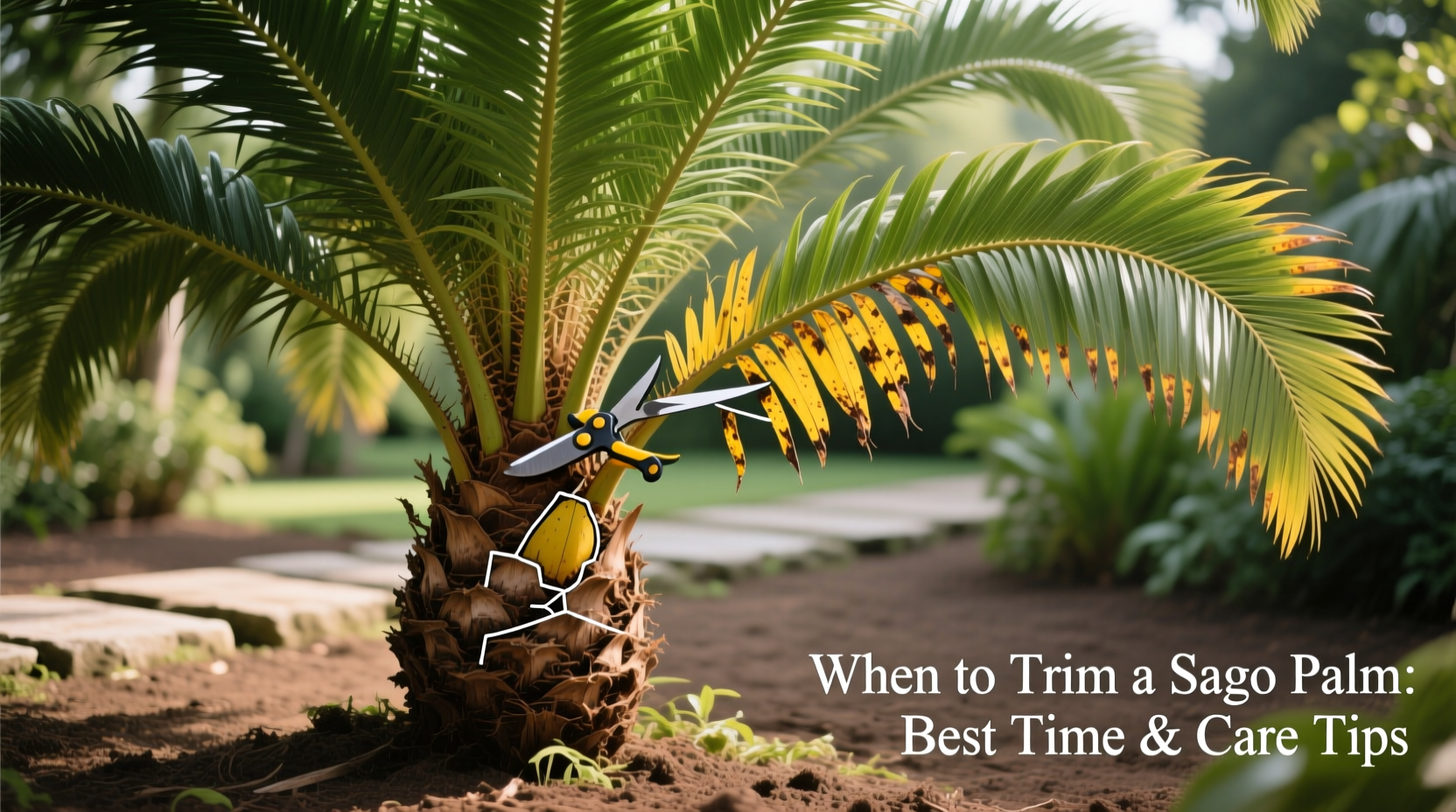
Example: Apple trees should be pruned every spring for best fruit production. Oak trees, however, can be pruned every 2-3 years.
Credit: plantin.alibaba.com
Pruning For Safety And Disease Prevention
Pruning helps prevent accidents and reduces disease. Broken or weak branches can fall and damage property or hurt people. Crowded branches trap moisture and invite fungal infections.
Signs Of Unsafe Branches
- Large limbs hanging over walkways or houses
- Branches with cracks or splits
- Limbs with fungal growth (mushrooms, mold)
- Branches infested with insects
If you see these signs, prune immediately or call a professional arborist.
Non-obvious insight: Safety pruning is often ignored until after storms. Regular spring checks prevent bigger problems.
Pruning Different Tree Types In Spring
Each tree species has unique needs. Here’s how to prune common types in spring:
Fruit Trees (apple, Pear, Cherry)
- Remove suckers (shoots from roots) and water sprouts (upright shoots on branches)
- Shape for open center to let sunlight reach all fruit
- Thin out branches to prevent overcrowding
Flowering Trees (dogwood, Magnolia, Crabapple)
- Prune after flowering to avoid cutting off flower buds
- Remove dead wood and shape lightly
- Avoid heavy pruning, which reduces blooms
Shade Trees (maple, Oak, Elm)
- Remove dead and crossing branches
- Maintain strong central leader
- Thin lower branches to raise canopy
Evergreens (pine, Spruce, Cedar)
- Prune lightly after new growth appears
- Remove dead tips and shape gently
- Avoid cutting main leader
Expert tip: For evergreens, avoid pruning in early spring—wait until new growth starts.
Geographic Considerations: Pruning Across Different Regions
Where you live affects how and when you prune. Climate, rainfall, and local pests all play a role.
Cold Regions
- Prune late in winter or early spring, just before buds swell
- Watch for frost damage after pruning
Warm Regions
- Prune earlier, as trees break dormancy sooner
- Monitor for fast-growing pests and fungal diseases
Humid Regions
- Prune to increase airflow and reduce moisture
- Sterilize tools more often to prevent disease spread
| Region | Pruning Start | Special Tips |
|---|---|---|
| Northern US | March-April | Wait for frost to end |
| Southern US | February-March | Monitor for early bud break |
| Coastal | March-May | Prune for wind damage |
Non-obvious insight: In areas with late snow or frost, pruning too early can cause die-back on cuts.
Pruning For Aesthetics: Shaping And Training
Pruning isn’t just about health—it also shapes the tree for beauty and landscape design. You can train young trees to grow in desired shapes, create shade, or highlight flowers.
Shaping Young Trees
- Remove lower branches to raise canopy
- Encourage outward growth for wider shape
- Guide central leader for tall, strong trees
Training Fruit Trees
- Use pruning to create open center or espalier shapes
- Remove crowded shoots for neat appearance
Expert tip: Aesthetic pruning should be gradual. Drastic changes can shock the tree and slow growth.
Dealing With Pruning Wounds And Recovery
After pruning, trees need time to heal. Large cuts can leave wounds that attract insects or disease. Here’s how to help your tree recover:
- Avoid pruning in wet weather, which slows healing.
- Do not use wound sealants or paint—most research shows these slow natural healing.
- Water and fertilize the tree as needed to support recovery.
- Monitor cuts for signs of infection (darkening, oozing, fungal growth).
Data point: Trees naturally seal wounds within weeks. Artificial sealants are often unnecessary and can trap moisture.
When To Call A Professional Arborist
Some pruning jobs are too risky or complex for homeowners. Consider calling a professional if:
- Branches are high or large enough to need a ladder
- Tree shows signs of disease or infestation
- You’re unsure which branches to cut
- Pruning involves power lines or buildings
Professional arborists have the training, tools, and insurance to handle dangerous jobs safely.
Eco-friendly Pruning Tips
Pruning can support a healthy environment. Here’s how to make your pruning eco-friendly:
- Compost healthy pruned branches and leaves
- Avoid pruning during nesting season for birds
- Use manual tools instead of power tools to reduce emissions
- Plant new trees to replace old or removed ones
Non-obvious insight: Some insects and birds use pruned branches for nesting materials. Leave healthy trimmings in a pile for wildlife, away from garden beds.
Spring Pruning Checklist
Before you start, review this checklist for safe and effective pruning:
- Inspect tree for dead, damaged, or unsafe branches
- Gather and clean all pruning tools
- Wear gloves, goggles, and sturdy shoes
- Mark branches to cut
- Prune in dry, mild weather
- Make clean, angled cuts
- Remove cut branches quickly
- Clean tools between trees
- Monitor tree for recovery signs
Completing this checklist helps prevent mistakes and supports healthy tree growth.
Advanced Pruning Techniques
If you want to go beyond basic pruning, try these advanced techniques:
Pollarding
Cutting back all branches to promote dense new growth. Used for shade or ornamental trees.
Espalier
Training trees to grow flat against a wall or fence. Popular for fruit trees.
Coppicing
Cutting trees to the ground to encourage multiple shoots. Used for firewood or craft materials.
Expert tip: Advanced techniques require more planning. Learn from experts or join a local gardening group for hands-on training.
Pruning And Local Regulations
Some cities and counties have rules about tree pruning, especially for large or historic trees. Before you prune:
- Check local regulations for permits or restrictions
- Ask neighbors about shared boundary trees
- Avoid pruning in protected areas or parks
Violating local rules can lead to fines or legal issues.
:strip_icc()/pruning-lilac-100168077-3d3f59f15d674f8ab1a8c818f9bd8d1e.jpg)
Credit: www.bhg.com
Related Spring Tree Care Tasks
Pruning is just one part of spring tree care. Combine pruning with these tasks for best results:
- Fertilize after pruning to boost growth
- Mulch around base to retain moisture
- Inspect for pests and diseases
- Water as needed, especially during dry spells
Data point: Mulching reduces water loss by up to 30% and keeps roots cool.
Digital Tools And Resources For Pruning
Technology can help you prune smarter. Use apps or online guides to identify tree species, track pruning schedules, and get expert advice.
- Tree identification apps: Help recognize species and best pruning times
- Weather apps: Track dry, mild days for safe pruning
- Online forums: Share photos and get feedback from arborists
For more detailed pruning information, visit Arbor Day Foundation.
Frequently Asked Questions
How Much Should I Prune In One Spring Session?
Don’t remove more than 25% of the tree’s crown at once. Over-pruning can stress the tree and slow recovery.
Can I Prune Trees After They Bloom?
Yes, especially flowering trees. Prune right after blooms fade to avoid cutting off next year’s buds.
What Happens If I Prune Too Early In Spring?
Pruning too early can expose cuts to frost damage, slowing healing and causing die-back. Wait until the risk of frost passes.
Should I Use Sealants On Pruning Cuts?
No. Most experts recommend not using sealants. Trees heal naturally, and sealants can trap moisture and cause decay.
How Do I Know If A Branch Is Dead Or Alive?
Scratch the bark with a knife. If the layer beneath is green and moist, the branch is alive. If it’s brown and dry, it’s dead and should be pruned.
Final Thoughts
Spring tree pruning is simple once you know the basics. It keeps trees healthy, safe, and beautiful, supports strong growth, and prevents disease. Remember to inspect carefully, use sharp tools, make clean cuts, and prune at the right time for your region and tree species.
With these tips, your landscape will flourish and your trees will thrive for years to come. Don’t hesitate to reach out to local experts or use digital resources if you need help. Happy pruning!