
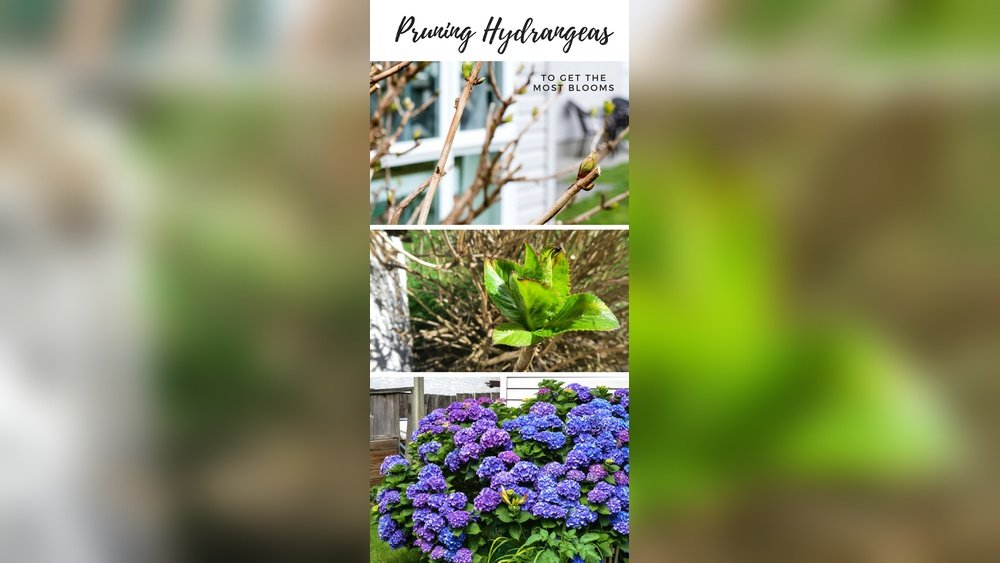
Hydrangeas capture the heart with their large, colorful blooms. These shrubs can make any garden look magical, but many gardeners struggle with getting them to flower year after year. Often, the secret to more blossoms is proper pruning. However, pruning hydrangeas isn’t as simple as grabbing your shears and cutting away. Different types of hydrangeas need different techniques, and a wrong cut at the wrong time can mean fewer flowers, or none at all, for a season.
This guide will help you understand how to prune hydrangeas for more blooms. You’ll discover the key differences between hydrangea types, the best time to prune, and exactly how to shape your plant for vigorous growth. Along the way, you’ll learn common mistakes, practical tips, and advanced tricks that even experienced gardeners sometimes miss.
Whether you’re a beginner or a seasoned grower, this article will give you clear, step-by-step advice to make your hydrangeas thrive.
Understanding Hydrangea Types
Before you pick up your pruners, it’s essential to know what kind of hydrangea you have. Each type blooms on different wood—some on old wood, some on new, and a few on both. Knowing this is the key to successful pruning.
Common Hydrangea Varieties
Hydrangeas fall into several main groups. Here’s a quick overview:
| Type | Scientific Name | Blooming Wood | Typical Colors |
|---|---|---|---|
| Bigleaf | Hydrangea macrophylla | Old wood | Pink, blue, purple |
| PeeGee/Panicle | Hydrangea paniculata | New wood | White, pink |
| Smooth | Hydrangea arborescens | New wood | White, pink |
| Oakleaf | Hydrangea quercifolia | Old wood | White, pink, red |
| Climbing | Hydrangea petiolaris | Old wood | White |
Key insight: Most pruning errors happen because gardeners don’t identify their hydrangea type. For example, cutting back a Bigleaf hydrangea at the wrong time removes the buds for next season’s flowers.
How To Identify Your Hydrangea
- Bigleaf hydrangeas have thick, shiny leaves and ball-shaped or flat blooms.
- Panicle hydrangeas have cone-shaped flowers and more woody stems.
- Smooth hydrangeas look softer, with thinner, matte leaves and round blooms.
- Oakleaf hydrangeas have leaves shaped like oak leaves and tall, cone-like blooms.
- Climbing hydrangeas are vines with heart-shaped leaves and lacey white flowers.
If you’re unsure, check the plant tag or compare with photos from a trusted gardening site.
Why Pruning Matters For More Blooms
Pruning hydrangeas isn’t just about making them look neat. It directly affects how many flowers you get, the size of the blooms, and the health of your plant. Here’s why:
- Removes old, weak wood: This lets more energy go into strong, flowering stems.
- Encourages new growth: More new stems often mean more flower heads.
- Improves air circulation: Reduces disease risk, which can damage buds.
- Shapes the plant: Prevents your hydrangea from becoming overgrown or leggy.
A well-pruned hydrangea produces more flowers, each with better color and form. But timing and technique are crucial.

Credit: www.youtube.com
When To Prune Hydrangeas
The best time to prune depends on your hydrangea’s blooming habit—old wood or new wood.
Old Wood Vs New Wood
- Old wood: Stems that grew last year. Buds form here in late summer/fall and bloom next year.
- New wood: Stems that grow in the current season. Buds form and flower on the same year’s growth.
Timing Table For Pruning
Here’s a quick reference for when to prune each type:
| Hydrangea Type | Best Time to Prune | Notes |
|---|---|---|
| Bigleaf (H. macrophylla) | Right after flowering | Prune before mid-August |
| Oakleaf (H. quercifolia) | After flowering | Don’t prune in spring |
| Panicle (H. paniculata) | Late winter/early spring | Prune before new growth |
| Smooth (H. arborescens) | Late winter/early spring | Can cut back hard |
| Climbing (H. petiolaris) | After flowering | Prune lightly |
Pro tip: If you prune old wood bloomers in late fall, winter, or spring, you’ll cut off next year’s flowers. For new wood bloomers, late winter or early spring is best.
Tools You Need For Pruning
Having the right tools makes pruning easier and safer for your plant.
- Bypass pruners: For thin stems.
- Loppers: For thicker, older branches.
- Gloves: To protect your hands.
- Sanitizer: Clean blades between plants to prevent spreading disease.
Always use sharp blades to make clean cuts, which heal faster and reduce stress on the plant.
How To Prune Bigleaf Hydrangeas (hydrangea Macrophylla)
Bigleaf hydrangeas are the most common type in home gardens. They include mophead and lacecap varieties, often with pink, blue, or purple flowers. These bloom on old wood.
Step-by-step Pruning
- Wait until blooming is finished (usually midsummer). Do not prune in fall, winter, or spring.
- Remove dead or weak stems at ground level.
- Cut back spent flower heads to the first pair of healthy buds. Look for fat, green buds below the flower.
- Shape lightly if needed, but never remove more than one-third of the plant.
- Leave strong, leafy stems—these will bloom next year.
Non-obvious insight: If your bigleaf hydrangea is old and has stopped blooming well, rejuvenate it by cutting one-third of the oldest stems at the base each year for three years. This encourages new growth without losing all flowers.
Common Mistakes
- Pruning in early spring: This removes flower buds.
- Cutting all stems short: Leads to no blooms the next year.
- Over-pruning: Weakens the plant and reduces blooms.
How To Prune Panicle Hydrangeas (hydrangea Paniculata)
Panicle hydrangeas, like ‘Limelight’ and ‘PeeGee’, have cone-shaped flower clusters. They bloom on new wood.
Step-by-step Pruning
- Prune in late winter or early spring before new leaves appear.
- Cut back last year’s growth to 1–3 feet above the ground. New buds will form below your cuts.
- Remove weak or crossing branches for better shape and airflow.
- Thin out crowded stems to let light reach all parts of the plant.
Pro tip: Panicle hydrangeas tolerate hard pruning. You can cut them back by up to two-thirds if you want larger blooms.
Mistakes To Avoid
- Pruning too late in spring: You may remove new shoots.
- Leaving too many stems: This leads to smaller, less impressive flowers.
How To Prune Smooth Hydrangeas (hydrangea Arborescens)
Smooth hydrangeas, like the famous ‘Annabelle’, produce large, round white or pink flowers. They bloom on new wood.
Step-by-step Pruning
- Prune in late winter or early spring while the plant is still dormant.
- Cut all stems back to 12–18 inches from the ground.
- Remove dead or crossing branches.
- Apply mulch to protect roots and encourage even growth.
Non-obvious insight: If you want sturdier stems (to support heavy blooms), don’t cut too low—leave at least 18 inches. Very low cuts can cause weak, floppy growth.
Common Errors
- Cutting back too late: You risk damaging young shoots.
- Not thinning: Overcrowded plants have smaller flowers and more disease risk.
How To Prune Oakleaf Hydrangeas (hydrangea Quercifolia)
Oakleaf hydrangeas offer beautiful foliage and cone-shaped blooms. They flower on old wood.
Step-by-step Pruning
- Prune right after the plant finishes blooming (usually midsummer).
- Remove spent flower heads by cutting just above the first pair of healthy buds.
- Cut out dead or damaged wood at the base.
- Shape lightly—do not remove too much, or you’ll lose next year’s blooms.
- Keep mature stems for the best flowering.
Advanced tip: Oakleaf hydrangeas can be sensitive to heavy pruning. If you need to rejuvenate, do it gradually over several years.
Pitfalls To Avoid
- Pruning in fall or spring: You’ll cut off next year’s flowers.
- Severe cutting: Slows recovery and weakens the plant.
How To Prune Climbing Hydrangeas (hydrangea Petiolaris)
Climbing hydrangeas are grown as vines on walls, fences, or trees. They bloom on old wood and need only light pruning.
Step-by-step Pruning
- Prune after flowering—usually late summer.
- Remove spent flower heads and any dead stems.
- Cut back wayward shoots that grow out of bounds.
- Thin if necessary to improve air circulation, but keep most old wood.
Practical insight: Don’t prune climbing hydrangeas hard. They grow slowly, and heavy cuts can set flowering back for years.
Special Pruning Situations
Hydrangeas sometimes need extra care beyond regular pruning. Here are two scenarios gardeners face:
Rejuvenating Old Or Neglected Hydrangeas
If your hydrangea is old, woody, and not blooming well, a gradual rejuvenation can bring it back to life.
- Each year for three years, remove up to one-third of the oldest stems at the base.
- Thin crowded branches to allow more light and air.
- Feed with compost in spring for extra energy.
This approach prevents sudden shock and keeps some flowering each year.
Pruning For Smaller Spaces
Sometimes, hydrangeas outgrow their spot. To keep them in bounds:
- Regularly thin out oldest stems to control size.
- Pinch new growth in spring to keep plants bushy.
- Choose compact varieties if you have a small garden.
Tips For Maximizing Blooms
Getting the most flowers isn’t just about pruning. Here are proven ways to boost blooms:
- Feed hydrangeas in spring with a balanced, slow-release fertilizer.
- Mulch yearly to keep roots cool and moist.
- Water deeply during dry spells—hydrangeas wilt fast in heat.
- Site your plant well: Most hydrangeas prefer morning sun and afternoon shade.
- Check soil pH: Some hydrangeas change color based on acidity (blue in acid, pink in alkaline).
- Protect buds from late frost: Cover plants if frost threatens after buds form.
Critical insight: Avoid high-nitrogen fertilizers. They make lush leaves but fewer flowers.
Comparing Pruning Results
Many gardeners wonder what happens if you prune too much or too little. Here’s a side-by-side comparison:
| Pruning Style | Bloom Quantity | Bloom Size | Plant Health |
|---|---|---|---|
| No Pruning | Fewer, smaller | Small | Can become woody, crowded |
| Light, correct pruning | Many | Large, healthy | Vigorous, disease-resistant |
| Heavy, incorrect pruning | Few or none | Varies | Stunted, slow recovery |

Credit: www.englishgardens.com
Common Pruning Mistakes And How To Avoid Them
Even experienced gardeners can make errors with hydrangeas. Here are the most frequent mistakes and how to avoid them:
- Pruning at the wrong time: Always check if your variety blooms on old or new wood.
- Over-pruning: Never remove more than one-third of old wood bloomers in one season.
- Ignoring dead wood: Dead stems sap energy; remove them as soon as you see them.
- Using dull tools: Dull blades crush stems, which can invite disease.
- Not sanitizing tools: Dirty pruners can spread bacteria and fungus.
- Confusing hydrangea types: Label your plants when you buy them to avoid future confusion.
Helpful tip: If you’re unsure, prune a little and wait. You can always cut more, but you can’t put wood back once it’s gone.
Advanced Techniques For Experienced Gardeners
Once you master basic pruning, you can try these advanced methods for even better results:
Deadheading Vs. Pruning
- Deadheading: Removing spent blooms during the flowering season can encourage some varieties to rebloom.
- Pruning: Cutting stems for shape, health, and more blooms, usually done after or before the growing season.
Pinching For Bushiness
In early spring, pinch out the tips of new growth on young hydrangeas. This encourages branching, which leads to more flower heads later.
Layering For Propagation
After pruning, use some of the healthy stems for layering—bend a stem to the ground and cover it with soil. It will root and become a new plant, giving you more hydrangeas for free.
Caring For Hydrangeas After Pruning
Pruning is a shock for any plant. After you cut, support your hydrangea with good care:
- Water well: Especially in the weeks following pruning.
- Feed lightly: Use compost or a balanced fertilizer.
- Mulch: To keep soil moist and roots cool.
- Watch for pests: Open cuts can attract bugs—inspect regularly.
Key insight: Hydrangeas are tough, but they’ll reward attentive care with more and better blooms.
Real-world Examples And Success Stories
To see how proper pruning makes a difference, consider these examples:
- Case 1: A gardener in North Carolina pruned her bigleaf hydrangeas every spring. For years, she had no blooms. After learning to prune just after flowering, she saw a full display the next summer.
- Case 2: In Ohio, a homeowner cut his smooth hydrangeas to the ground each winter. The plants came back with bigger, sturdier flowers every year.
- Case 3: An urban gardener used mulch and light pruning on panicle hydrangeas in a small yard. The plants stayed compact and produced abundant, showy blooms.
These examples show that small changes in timing and technique can lead to dramatic results.

Credit: www.youtube.com
Environmental Factors That Affect Blooming
Sometimes, even with perfect pruning, hydrangeas don’t bloom as expected. Environmental factors matter:
- Winter cold: Buds on old wood can be killed by harsh winter temperatures.
- Late spring frost: Kills new buds, especially on early-blooming types.
- Too much shade: Hydrangeas need some sun to flower well.
- Drought or poor soil: Stresses the plant, reducing flower production.
If your hydrangea isn’t blooming, consider these factors before blaming your pruning technique.
Hydrangeas And Climate Zones
Not all hydrangeas are suited to every climate. For example:
- Bigleaf hydrangeas: Best in USDA zones 6–9. In colder climates, flower buds may freeze.
- Panicle and smooth hydrangeas: Handle cold better (zones 3–8), making them a good choice for northern gardens.
Tip: If you live in a cold climate and have old wood bloomers, plant them where they get morning sun but are shielded from harsh winter winds.
Hydrangea Pruning Myths Debunked
Many myths surround hydrangea care. Let’s clear up a few:
- “Pruning always makes more flowers.” Not true—timing and technique are everything.
- “All hydrangeas are pruned the same way.” Each type needs a different approach.
- “Hydrangeas can’t recover from pruning mistakes.” Most will bounce back, but you might lose a season’s flowers.
- “You should cut hydrangeas to the ground every year.” Only true for smooth hydrangeas, not others.
For more details on hydrangea varieties and care, you can check the Hydrangea page on Wikipedia.
Frequently Asked Questions
How Do I Know If My Hydrangea Blooms On Old Wood Or New Wood?
Check the variety name or consult a plant tag. Bigleaf, oakleaf, and climbing hydrangeas bloom on old wood. Panicle and smooth hydrangeas bloom on new wood. If you’re still unsure, observe when buds form and when the plant flowers.
Can I Prune Hydrangeas In Fall?
It’s not recommended for most types. Pruning in fall can remove the buds that will produce next year’s flowers, especially in old wood bloomers. Only prune after flowering or in late winter/early spring, depending on type.
What Should I Do If My Hydrangea Never Blooms?
First, check your pruning habits and timing. If that’s not the issue, consider environmental factors—late frosts, too much shade, or poor soil can all reduce blooming. You may also have a variety not suited for your climate.
Will Pruning Make My Hydrangea’s Flowers Bigger?
Yes, with panicle and smooth hydrangeas. Cutting back these types encourages larger blooms. With bigleaf and oakleaf types, proper pruning gives more, but not necessarily larger, flowers.
How Soon Will I See More Blooms After Correct Pruning?
You’ll see results the following season. For old wood bloomers, you’ll notice more flowers next summer if you prune right after they finish blooming. For new wood bloomers, you’ll see the difference in the same growing season.
Hydrangeas are forgiving plants. With the right pruning approach, you can enjoy a garden full of vibrant, long-lasting blooms year after year. Just remember: know your type, prune at the right time, and always use sharp, clean tools. With a little practice, you’ll become a hydrangea expert in no time.