
Are you tired of those sudden flare ups ruining your perfectly grilled meal? Flare ups not only char your food but can also be dangerous and stressful.
The good news is, you don’t have to let these fiery surprises take over your grilling experience. With a few simple tips and tricks, you can keep your grill under control and enjoy juicy, evenly cooked dishes every time. Ready to master the art of preventing grill flare ups and become the barbecue hero among your friends and family?
Let’s dive into easy, practical ways you can stop flare ups before they start and keep your cookouts safe and delicious.
Credit: www.vevor.com
Causes Of Grill Flare Ups
Grill flare ups happen when flames suddenly burst up from the grill. These flames can burn food and create smoke. Understanding what causes flare ups helps you prevent them. Several factors on the grill can lead to these bursts of fire.
Role Of Fat And Oil
Fat and oil dripping from food hit the hot grill surface. This causes flames to ignite quickly. High-fat cuts of meat cause more flare ups. Excess oil from marinades or brushing can also fuel flames. Keeping fat in check reduces sudden fires on the grill.
Impact Of Marinades
Marinades with sugar or oil increase flare ups. Sugar burns fast and creates smoke and flames. Too much oil in a marinade drips onto the heat source. This fuels flare ups and burns the food surface. Use light marinades to keep flames under control.
Effects Of Open Lid Cooking
Grilling with the lid open lets oxygen feed the fire. More oxygen makes flames grow bigger and faster. This can cause flare ups to spread across the grill. Closing the lid controls oxygen flow and keeps flare ups smaller. Open lid cooking needs careful attention to avoid fires.
Preparing Your Grill
Preparing your grill is the first step to prevent flare ups while cooking. A well-prepared grill helps control heat and reduces the risk of grease fires. Clean and clear grates allow even cooking and less smoke. Follow simple steps to get your grill ready for a safe barbecue session.
Cleaning With An Onion
Use a fresh onion to clean your hot grill grates. The onion’s natural acids and moisture help break down stuck-on grease and food. Heat the grill until hot, then rub the cut onion over the grates using tongs. This method lifts grime and adds a slight flavor to your food. It also creates a temporary non-stick surface without chemicals.
Removing Grease And Debris
Grease buildup causes dangerous flare ups. Scrape off leftover food and grease after each use. Clean the drip pan and trays regularly to avoid blockages. Use a grill brush or scraper to clear debris from the grill grates. Keeping the grill clean reduces smoke and fire risks while cooking.
Avoiding Chemical Cleaners
Skip harsh chemical cleaners on your grill. They can leave harmful residues that affect food taste and safety. Use natural cleaning methods like onion or warm soapy water instead. These options protect your grill’s surface and keep your food healthy. A chemical-free grill is safer and better for the environment.
Setting Up Your Grill Zones
Setting up your grill zones is key to controlling flare ups. Dividing your grill into areas with different heat levels helps manage cooking better. This setup lets you sear food over high heat and finish it gently over low heat. It also reduces the risk of sudden flames caused by dripping grease. Proper grill zones keep your cooking safe and your food delicious.
Direct Heat Zone
The direct heat zone is where the flames are hottest. Place your food directly above the coals or burners here. This zone is perfect for searing meat and cooking food fast. Keep an eye on food to avoid burning. Move food away if flames rise too high. This zone creates a nice crust and locks in juices.
Indirect Heat Zone
The indirect heat zone is cooler and away from direct flames. Move food here for slow cooking or finishing. This zone is ideal for thicker cuts and delicate items. It helps cook food evenly without flare ups. Use this area to avoid charring and keep food juicy. Indirect heat works like an oven inside your grill.
Managing Heat Levels
Control heat by adjusting burner settings or coal placement. Add more coals to increase heat or spread them out to lower it. Watch your food carefully for signs of flare ups. Keep a spray bottle of water nearby to tame small flames. Adjust food position between zones for even cooking. Managing heat stops flare ups and improves taste.
Credit: www.charbroil.co.nz
Safe Grilling Techniques
Safe grilling techniques help keep flare-ups under control. They reduce fire risks and improve food taste. Using smart methods makes grilling more fun and less stressful. Follow these simple tips to stay safe and enjoy your cookout.
Controlling Fat Drippings
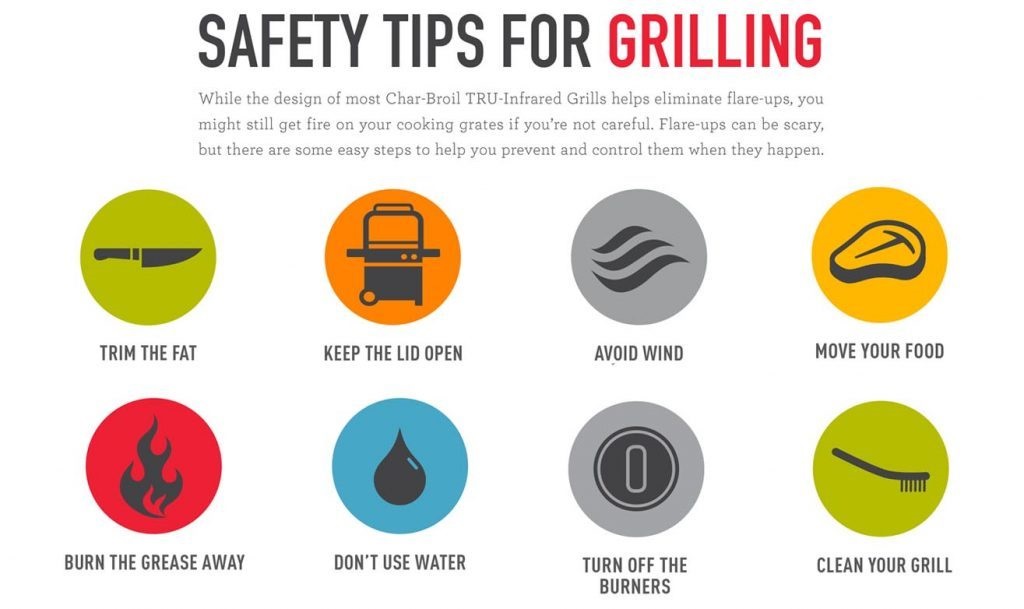
Fat drippings cause most flare-ups on the grill. Trim excess fat from meats before cooking. Use a drip pan to catch melted fat below the grill. Avoid placing food directly over open flames. These steps reduce flare-up chances and keep flames steady.
Using Leaner Cuts
Choose lean cuts of meat to lower flare-up risk. Less fat means fewer drippings that cause flames. Chicken breasts, pork loin, and sirloin are good choices. Lean meats grill evenly and produce less smoke. This creates a safer and cleaner grilling experience.
Proper Lid Handling
Keep the grill lid closed as much as possible. Closing the lid controls oxygen and limits flare-ups. Open the lid only to check or flip food. Avoid frequent lid lifting to keep heat steady. Proper lid use helps food cook evenly without sudden flames.
Tools And Accessories
Using the right tools and accessories can help prevent grill flare-ups. These items control grease and heat better. They make grilling safer and easier.
Choosing the right tools lets you manage your grill without causing sudden flames. Keep flare-ups small and avoid burns or ruined food.
Choosing Grill Mats Or Trays
Grill mats or trays catch grease and drippings. They stop fat from reaching the flames. This reduces flare-ups and smoke.
These mats are easy to clean and reusable. They protect your grill grates and keep food from sticking.
Using Tongs And Spatulas
Long-handled tongs and spatulas keep your hands away from heat. They help turn food safely without piercing it.
Avoid squeezing meat. This keeps juices inside and lowers fat dripping. Less fat means fewer flare-ups.
Avoiding Wire Brushes
Wire brushes can leave metal bristles on your grill. These bristles may stick to food and cause injury.
Use grill stones or nylon brushes instead. They clean well without breaking off pieces.
Emergency Flare Up Control
Emergency flare ups can happen fast during grilling. Knowing how to control them keeps you and your food safe. Quick action stops small flames from turning into big fires. Keep calm and use the right method to control flare ups.
Smothering Flames
Cut off oxygen to stop flames quickly. Close the grill lid to smother small flare ups. This reduces oxygen and helps flames die fast. Use a metal lid or pan to cover flames if needed. Never use plastic or anything flammable.
Using Water Safely
Water can help with small flare ups but use it carefully. Spray water lightly on flames to cool grease. Avoid pouring water directly; it can spread grease and fire. Keep a spray bottle filled with water nearby for quick use. Use water only if flames are small and contained.
Maintaining Fire Extinguishers
Always keep a fire extinguisher near your grill. Check it regularly to ensure it works well. Know how to use it before grilling. Use a Class B or multipurpose extinguisher for grease fires. Never use water on grease fires; use the extinguisher instead.
Additional Tips For Safe Grilling
Safe grilling requires more than just controlling flames. Taking extra steps helps avoid flare ups and accidents. These additional tips keep your cooking smooth and your food tasty. Follow simple habits for a safer, more enjoyable grilling experience.
Regular Grill Maintenance
Clean your grill after every use. Remove grease and food scraps from grates. Check burners and tubes for blockages. Replace worn parts quickly. A clean grill reduces flare ups and improves heat control. Regular maintenance extends your grill’s life and keeps cooking safe.
Monitoring Cooking Times
Cook food at the right speed to avoid burning. Use a timer or watch the clock closely. Overcooked food can cause grease to drip and flare ups to start. Turn food often to prevent charring. Proper timing helps keep your grill fires under control and your meals perfect.
Staying Vigilant Outdoors
Never leave your grill unattended. Keep a spray bottle of water nearby for small flames. Watch for strong winds that may spread fire. Keep children and pets away from the cooking area. Staying alert reduces the risk of flare ups turning dangerous. Safe grilling means watching your grill at all times.

Credit: texaspepperjelly.com
Frequently Asked Questions
How Do I Keep My Grill From Flaring Up?
Keep your grill clean by removing grease and debris regularly. Use a two-zone fire setup for better heat control. Trim excess fat from meats to reduce drippings. Avoid pressing food down, and keep a spray bottle of water handy to manage flare-ups quickly.
Why Do Mexicans Use Onions To Clean Grills?
Mexicans use onions to clean grills because the onion’s acidity and moisture loosen grease and stuck food. The steam lifts grime safely without chemicals. Onion oils add subtle flavor and create a temporary non-stick surface. This traditional method also signals grilling has started.
Why Do Grill Flare-ups Happen?
Grill flare-ups happen when fat or grease drips onto hot flames, causing sudden bursts of fire. Excess oil and high heat increase flare-up risk.
Why Are My Grill Flames So High?
High grill flames usually occur from excess grease or fat dripping onto the burners. Using too much oil or cooking fatty foods can cause flare-ups. Keep your grill clean and avoid over-oiling to prevent flames from rising too high.
Conclusion
Preventing grill flare ups keeps your cooking safe and enjoyable. Always clean your grill to remove grease and food bits. Use two heat zones to control flare ups better. Trim excess fat from meats to reduce dripping flames. Keep a spray bottle of water nearby for quick flare control.
These simple steps help you grill with confidence and ease. Enjoy tasty meals without the worry of sudden flames. Grill smart, stay safe, and make every cookout great.