
Are you ready to unlock the full potential of your garden? The secret lies beneath the surface—in your soil amendments“>soil amendments.
Maintaining them properly can transform your garden into a thriving, vibrant space. But how do you keep these essential nutrients working their best for your plants? You’ll discover simple, effective ways to care for your soil amendments. By following these tips, you’ll watch your garden grow stronger and healthier than ever before.
Keep reading to learn how to give your soil the attention it deserves and enjoy a flourishing garden all season long.

Credit: www.amazon.com
Choosing The Right Amendments
Choosing the right soil amendments is key to healthy garden growth. The right amendments improve soil structure, add nutrients, and help plants thrive. Knowing which types suit your garden helps avoid problems like poor drainage or nutrient imbalance. This section explains how to pick the best options for your soil and plants.
Organic Vs Inorganic Options
Organic amendments come from natural materials like compost, manure, and peat moss. They improve soil health by adding nutrients and boosting microbes. Organic options break down slowly, feeding plants over time.
Inorganic amendments include materials like perlite, vermiculite, and synthetic fertilizers. They offer quick nutrient release and help with soil texture. Inorganic choices work fast but may not improve soil life.
Choosing between organic and inorganic depends on garden needs. Organic is best for long-term soil health. Inorganic helps when plants need fast nutrients or better drainage.
Matching Amendments To Soil Types
Different soils need different amendments. Sandy soil drains quickly but lacks nutrients. Adding organic matter helps it hold water and nutrients better.
Clay soil holds water but drains poorly. Amendments like sand or perlite improve drainage and loosen the soil.
Loamy soil is balanced but still benefits from organic matter to keep nutrients available. Test your soil to know what it needs most.
Seasonal Considerations
Season affects how amendments work. In spring, adding compost boosts soil before planting. It warms the soil and adds nutrients.
Fall is good for adding manure or organic matter. It breaks down over winter, ready for spring growth.
During hot summer months, mulch helps keep moisture in the soil. Amendments that improve water retention work best then.
Proper Application Techniques
Proper application techniques ensure soil amendments work well. Applying amendments correctly helps plants grow strong and healthy. It also prevents waste and protects the environment. Follow these steps for best results.
Correct Measurement And Timing
Measure soil amendments carefully. Use a scale or measuring cup. Too much or too little can harm plants. Check the product label for guidance. Apply amendments during planting or early growth. Avoid applying during heavy rain or drought.
Incorporating Amendments Into Soil
Mix amendments evenly into the top 6 to 8 inches of soil. Use a garden fork or tiller for mixing. This helps nutrients reach plant roots. Avoid leaving amendments on the soil surface. Proper mixing improves soil texture and fertility.
Avoiding Over-application
Too much amendment can damage plants and soil life. Over-application causes nutrient buildup and pollution. Follow recommended amounts strictly. Apply amendments in small doses over time. Monitor soil and plant health regularly for signs of excess.
Monitoring Soil Health
Monitoring soil health is key to growing a strong, vibrant garden. Healthy soil supports plant roots and helps plants absorb water and nutrients. Regular checks help you spot problems early. This way, you can fix issues and keep your garden thriving.
Testing Soil Ph And Nutrients
Soil pH affects how plants absorb nutrients. Test your soil pH at least twice a year. Use a simple soil test kit or send samples to a lab. Check nutrient levels like nitrogen, phosphorus, and potassium. These nutrients are vital for plant growth. Adjust soil pH and nutrients based on test results.
Identifying Nutrient Deficiencies
Plants show signs when they lack nutrients. Yellow leaves often mean low nitrogen. Purple or red leaves may signal phosphorus deficiency. Weak stems can indicate potassium shortage. Watch your plants closely. Early detection helps you add the right amendments fast.
Signs Of Amendment Imbalance
Too much or too little amendment harms plants. Over-fertilized soil causes leaf burn or stunted growth. Poor soil drainage can result from excess organic matter. Uneven plant growth may point to nutrient imbalance. Monitor your soil regularly to keep amendments balanced and plants healthy.
Maintaining Amendment Effectiveness
Maintaining the effectiveness of soil amendments is vital for garden health. Soil amendments improve soil structure, nutrient content, and water retention. Over time, these benefits can decrease without proper care. Simple maintenance steps help keep the soil rich and supportive for plants.
Regular Soil Aeration
Soil aeration improves air flow and water movement. Compacted soil blocks roots from getting oxygen. Use a garden fork or aerator tool to loosen the soil. Aerate in early spring or fall for best results. This practice helps amendments mix deeply and work well.
Mulching Benefits
Mulch covers the soil surface and protects it. It keeps the soil temperature steady and stops moisture loss. Organic mulch breaks down slowly, adding nutrients back into the soil. Mulching reduces weeds that compete with plants. Spread mulch in a 2-3 inch layer around plants.
Managing Soil Moisture
Soil moisture affects nutrient availability and plant growth. Amendments work best in moist but not soggy soil. Water the garden deeply but less often to encourage strong roots. Check soil moisture by feeling it a few inches below the surface. Adjust watering habits based on weather and soil type.
Sustainable Practices
Sustainable practices help keep your garden soil healthy over time. They protect the environment and reduce waste. Using natural methods improves soil quality and plant growth.
Composting And Recycling Organic Matter
Composting turns kitchen scraps and garden waste into rich soil. It adds nutrients and improves soil texture. Recycling organic matter reduces trash and lowers the need for chemical fertilizers. This process supports a healthy garden ecosystem.
Reducing Chemical Inputs
Using fewer chemicals prevents soil damage and pollution. Natural alternatives like compost and mulch feed plants safely. Avoiding harsh chemicals helps beneficial insects and earthworms thrive. Healthy soil grows stronger plants with less effort.
Encouraging Beneficial Microorganisms
Microorganisms break down organic matter and release nutrients. They improve soil structure and water retention. Adding compost and avoiding chemicals supports these tiny helpers. A thriving microbial community leads to healthier plants and better soil.

Credit: phycoterra.com
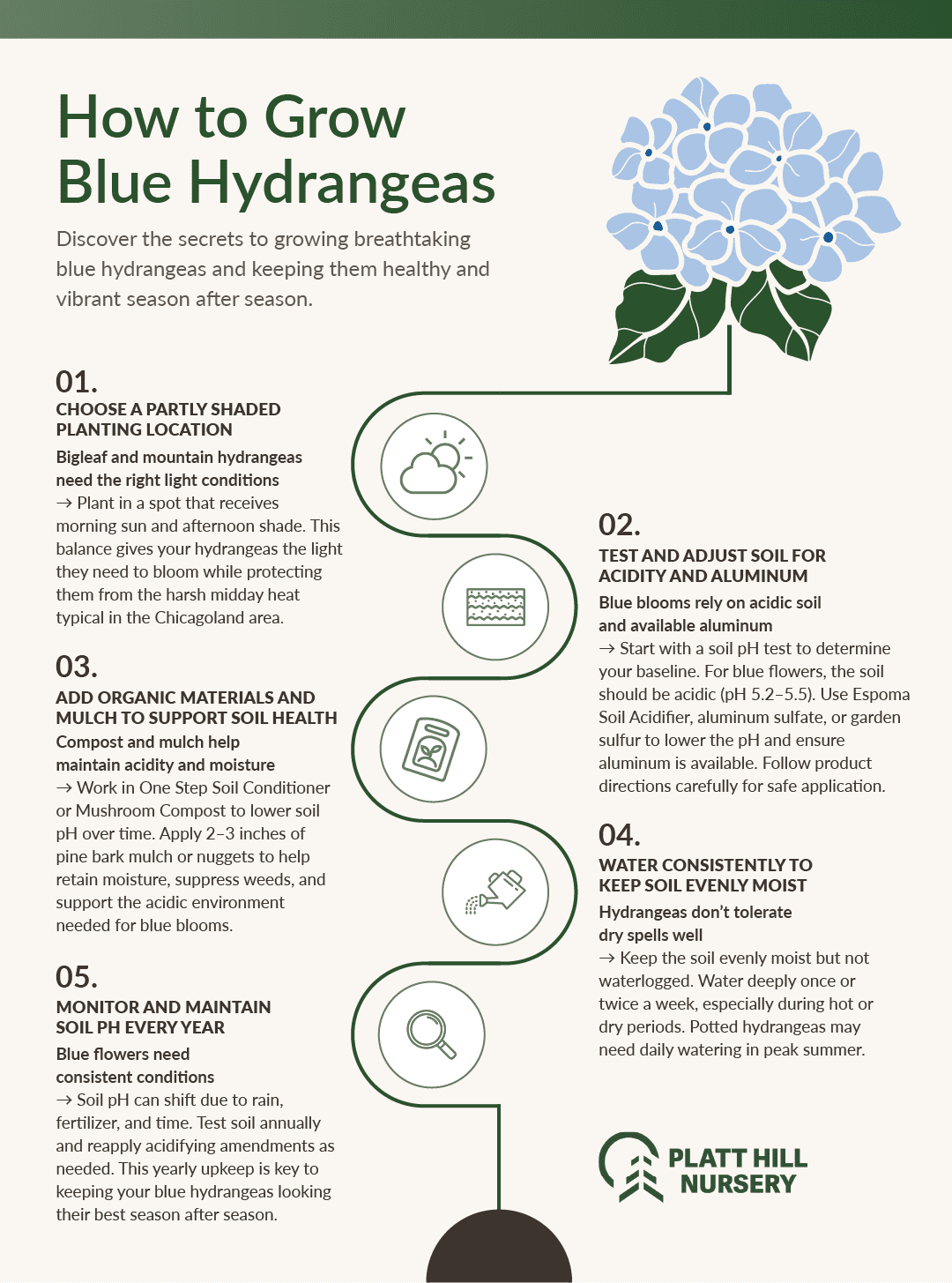
Credit: platthillnursery.com
Frequently Asked Questions
What Are The Best Soil Amendments For Garden Growth?
Organic compost, manure, peat moss, and vermiculite are top soil amendments. They improve soil structure, moisture retention, and nutrient content for healthy plants.
How Often Should I Apply Soil Amendments?
Apply soil amendments annually or before planting. This refreshes soil nutrients and maintains optimal soil health for continuous garden growth.
How Do I Maintain Soil Amendments Effectively?
Regularly mix amendments into soil, monitor pH levels, and water consistently. Proper maintenance ensures nutrients remain available for plants to absorb.
Can Overusing Soil Amendments Harm My Garden?
Yes, excessive amendments can disrupt soil balance and harm plants. Follow recommended amounts to avoid nutrient buildup and poor plant growth.
Conclusion
Maintaining soil amendments keeps your garden healthy and strong. Check soil regularly to know what it needs. Add organic matter like compost to improve soil quality. Water your soil properly to help nutrients reach plants. Avoid overusing amendments to prevent harming your garden.
Watch your plants grow and adjust care as needed. Healthy soil leads to better plants and bigger harvests. Keep learning and caring for your garden each season. Simple steps make a big difference in garden growth. Stay patient and enjoy the process of gardening.