
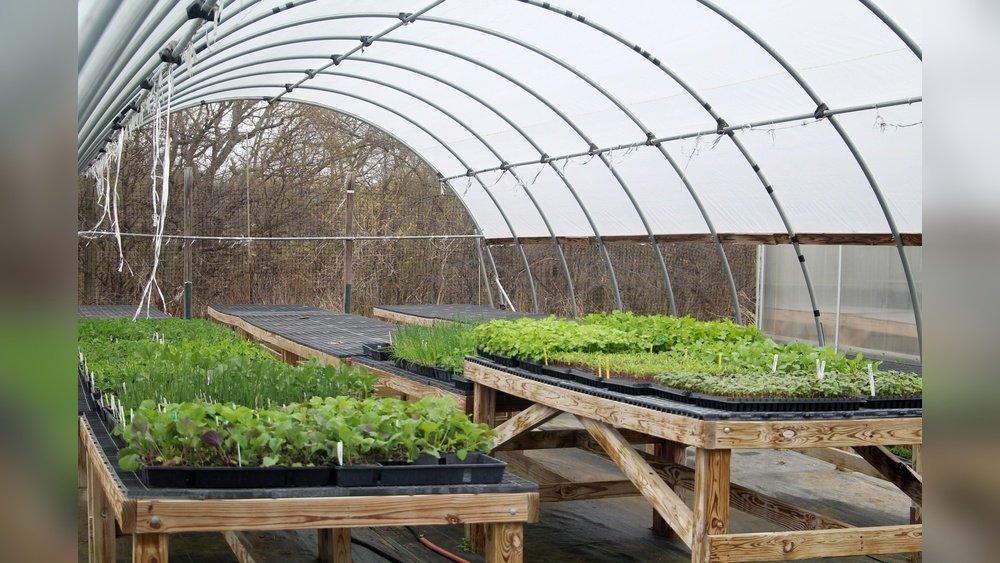
Seedlings are the starting point for most successful gardens. But many gardeners struggle with one important step: hardening off seedlings. This process gets young plants ready for the real world outside, after living in the soft comfort of indoor trays or greenhouses. Skip it, and even strong seedlings can suffer, wilt, or die when planted outdoors. Done well, hardening off turns delicate plants into tough survivors, ready to thrive in your garden.
Many gardeners rush this step or make simple mistakes. Some think it just means putting trays outside for a few hours. Others are unsure how much sun, wind, or cold their young plants can handle. If you want bigger harvests or beautiful flowers, understanding how to harden off seedlings correctly is essential.
This guide will show you exactly how to do it, with practical tips, common pitfalls, and real-world examples.
What Is Hardening Off?
Hardening off is the process of slowly introducing seedlings to outdoor conditions. When you start seeds indoors, they grow in gentle light, steady warmth, and with no wind or rain. Outside, temperatures change, sun is stronger, and wind dries leaves. Hardening off helps seedlings adapt, so they don’t get shocked when you transplant them.
This process usually takes 7–14 days. It’s not just about sunlight. It’s about getting used to all outdoor conditions: temperature shifts, breezes, and sometimes even rain. Hardening off is like training for a marathon—seedlings get stronger each day.
Why Hardening Off Matters
Skipping hardening off is one of the most common mistakes new gardeners make. Here’s why it’s so important:
- Prevents transplant shock: Sudden changes can cause plants to wilt, drop leaves, or stop growing.
- Reduces sunburn: Indoor seedlings are used to weak light. Real sun can burn them in just an hour.
- Strengthens stems and leaves: Wind and cooler air help plants grow thicker stems and tougher leaves.
- Improves survival rates: Hardened seedlings are more likely to thrive and produce better crops.
Research from the University of Maryland Extension shows that hardening off can increase transplant survival by up to 90% compared to seedlings moved directly outdoors.
When To Start Hardening Off
Timing is everything. Start hardening off about 1–2 weeks before you plan to plant seedlings outdoors. But the best time depends on:
- Local frost dates: Never start before the risk of frost is gone for your plant type.
- Seedling age: Wait until plants have at least 2–3 sets of true leaves.
- Weather forecast: Look for a stretch of mild, dry days without strong wind or heavy rain.
For example, tomatoes and peppers are sensitive to cold. Start hardening them off when night temperatures are above 50°F (10°C). Cool-weather crops like broccoli or lettuce can start earlier if nights stay above 40°F (4°C).
Essential Equipment And Setup
You don’t need fancy tools to harden off seedlings, but a few items can make the process smoother and safer:
- Trays or flats: For carrying multiple seedlings at once.
- Lightweight covers: Old sheets, row covers, or garden fleece to protect from harsh sun or wind.
- Shade cloth: Useful for very sunny days, especially in hot climates.
- A sheltered spot: A patio, porch, or under a tree is ideal for the first days.
- Watering can: Seedlings dry out faster outdoors.
Example Setup
Imagine you have 40 tomato seedlings in a tray. Place them on a porch that gets morning sun but is shaded in the afternoon. Lay a light sheet nearby in case the weather changes quickly.
Step-by-step Guide To Hardening Off Seedlings
Here’s how to harden off seedlings the right way. This process works for vegetables, flowers, and herbs started indoors.
Day 1–2: Gentle Start
- Place seedlings outdoors in a shady, sheltered spot for 1–2 hours.
- Bring them back inside before midday sun or any strong wind.
- Avoid cold, windy, or rainy days.
Day 3–4: Increase Exposure
- Move seedlings outside for 2–3 hours. Give them dappled sunlight (under a tree or shade cloth).
- If nights are mild, you can leave them out in their tray for a few hours in the evening.
- Water if soil feels dry.
Day 5–7: More Sun And Wind
- Place seedlings where they get morning sun (not afternoon heat) for 4–5 hours.
- Let them feel some gentle wind. You can run a fan indoors for 30 minutes a day if it’s calm outside.
- Watch for leaf curling or wilting. If you see signs of stress, slow down.
Day 8–10: Longer Days, Some Night
- Gradually increase outdoor time to 6–8 hours.
- Allow full morning sun and some afternoon light.
- If night temperatures are safe, leave seedlings outside overnight for the first time.
Day 11–14: Ready For Transplant
- Seedlings should now handle full sun and overnight lows.
- They should look sturdy, with thick stems and deep green leaves.
- Check them each morning and evening.
Final Check Before Transplanting
- Look for firm stems (should not flop over).
- Leaves should be dark green, not pale or yellow.
- If weather turns bad, delay transplanting or give extra protection.
Common Mistakes And How To Avoid Them
Even experienced gardeners can slip up during hardening off. Watch out for these mistakes:
- Moving too quickly: Don’t double outdoor time every day. Watch your plants and slow down if they look stressed.
- Forgetting to water: Outdoor air dries pots fast. Check soil moisture daily.
- Ignoring weather: Strong sun, wind, or cold can damage seedlings. Always check forecasts.
- Hardening off in one day: This almost never works. Seedlings need gradual exposure.
- Not protecting from pests: Birds, slugs, and insects love tender seedlings. Use mesh or covers if needed.
How Different Plants Respond To Hardening Off
Not all seedlings are the same. Some are tougher than others. Here’s a comparison of how common garden seedlings handle hardening off:
| Seedling Type | Hardening Off Time | Special Considerations |
|---|---|---|
| Tomato | 10–14 days | Very sensitive to cold; needs above 50°F (10°C) |
| Broccoli | 7–10 days | Tolerates cool nights; less sunburn risk |
| Marigold | 7 days | Sun-loving but sensitive to wind |
| Lettuce | 5–7 days | Prefers cool, moist conditions |
| Peppers | 10–14 days | Needs warm nights and protection from wind |
Weather Factors To Watch
Outdoor weather changes every day. Seedlings are most sensitive to these factors:
- Sunlight: Too much sun, too soon, causes leaf burn.
- Wind: Strong breezes can snap stems or dry leaves.
- Temperature swings: Sudden cold shocks or hot spells are dangerous.
- Rain: Heavy rain flattens small plants.
A tip many gardeners miss: Cloudy days are perfect for hardening off. The clouds act as a natural shade cloth, so seedlings adjust with less stress.
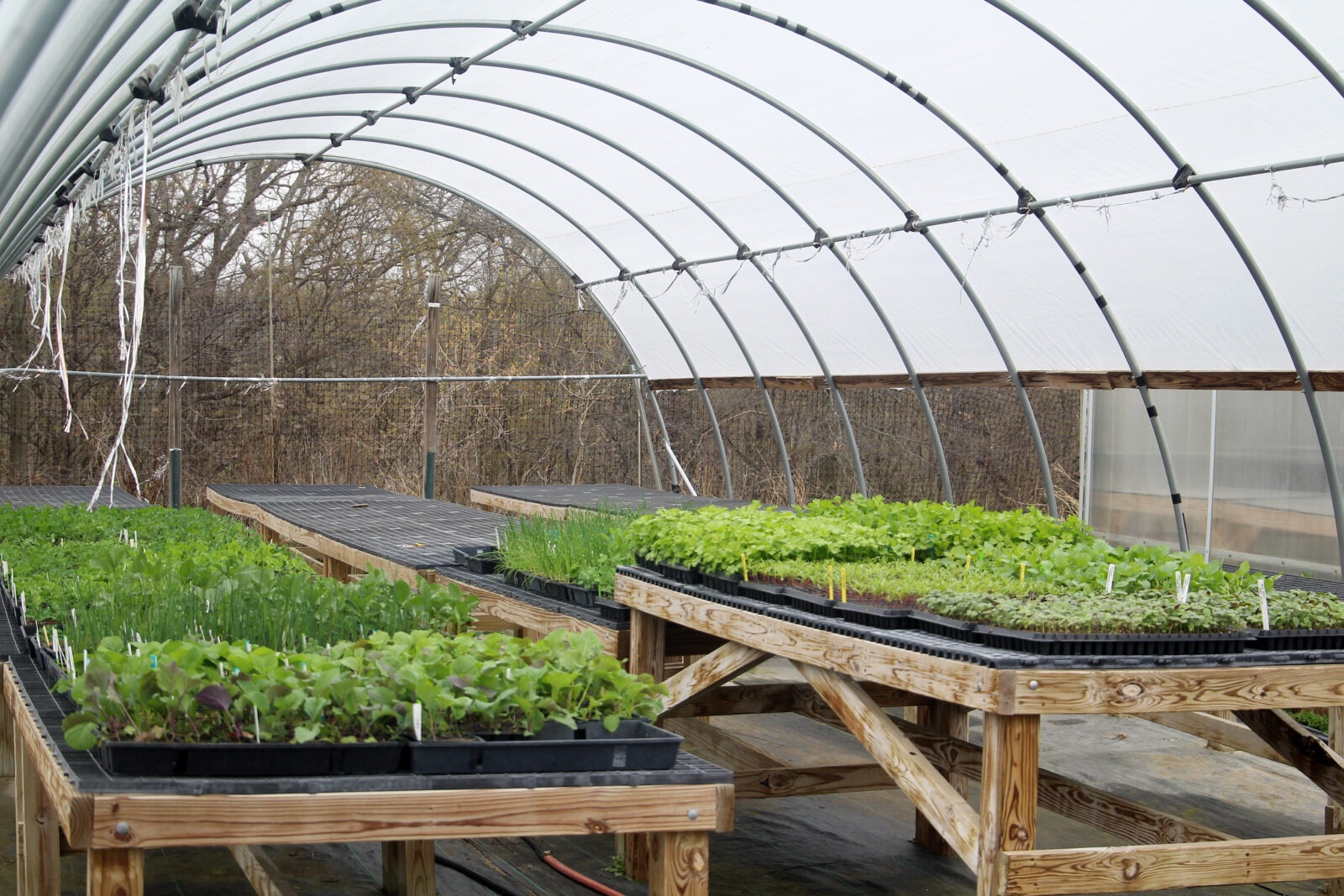
Credit: seedsavers.org
Using Mini Greenhouses And Cold Frames
If you grow a lot of seedlings, a cold frame or mini greenhouse makes hardening off easier. These are small, box-like structures with a clear lid. They trap some heat and block strong wind, but let in sun.
How To Use A Cold Frame
- Place seedlings inside and prop the lid open a little.
- Open the lid more each day, letting in more air and light.
- Close the lid if nights are cold or windy.
Cold frames help if you live in a place with spring storms or big temperature swings. You can build one cheaply with old windows and bricks.
Watering And Feeding During Hardening Off
Seedlings need special care during this transition. Here’s how to handle watering and feeding:
- Check soil moisture daily. Outdoor air dries pots faster than indoors.
- Water early in the morning so leaves dry before night.
- Avoid over-fertilizing. Too much fertilizer can make soft, weak growth that sunburns easily.
- If your seedlings look pale, a half-strength liquid fertilizer once during the hardening off period is enough.
A common mistake: forgetting to water on windy days. Even if soil looks damp on top, roots may be dry.

Credit: www.almanac.com
Signs Of Stress And How To Fix Them
Hardening off can be tough on seedlings. Watch for these signs:
- Wilting: Usually means not enough water, or too much sun too soon.
- Leaf burn (white, crispy spots): Sunburn. Move to shade and slow down.
- Purple leaves: Cold stress, common in tomatoes and peppers.
- Drooping or flopping stems: Not enough wind exposure indoors, or quick temperature drop.
If you see these signs, move seedlings back indoors for a day or two. Let them recover, then restart the process more slowly.
How To Harden Off Seedlings In Different Climates
Not every gardener has perfect spring weather. Here’s how to adapt:
Cold Climates
- Start hardening off on warmer days, even if just for an hour.
- Use cold frames or place trays against a south-facing wall for more heat.
- Cover seedlings at night with fleece or old towels.
Hot, Dry Climates
- Use shade cloth for the first week.
- Water twice a day if needed.
- Avoid hardening off during heat waves.
Rainy Or Windy Places
- Place trays under a porch or in a garage with open doors.
- Use mesh or screen covers to block wind.
- Move seedlings back inside if storms are coming.
Transplanting After Hardening Off
Once seedlings are hardened off, it’s time to move them to the garden. Here’s how to do it with less stress:
- Choose a cloudy day or plant in late afternoon. This reduces transplant shock.
- Water seedlings well before planting.
- Dig holes just as deep as the pots. For tomatoes, you can bury some of the stem for stronger roots.
- Gently remove seedlings from trays, holding by the leaves, not the stem.
- Firm the soil around each plant and water again.
Don’t fertilize right after transplanting. Wait a week until plants start growing again.
Practical Tips For Successful Hardening Off
Here are some extra tips that even many experienced gardeners forget:
- Rotate trays: Turn trays daily so all seedlings get even exposure.
- Group by size: Larger seedlings block sun and wind from smaller ones. Keep them separate.
- Keep a log: Write down what worked (or didn’t) each year. Weather and timing change every spring.
- Mark your calendar: Use reminders so you don’t miss a day or rush the process.
An insight often missed: Not all seedlings in a tray harden off at the same speed. Remove weaker ones and give them an extra day or two if needed.
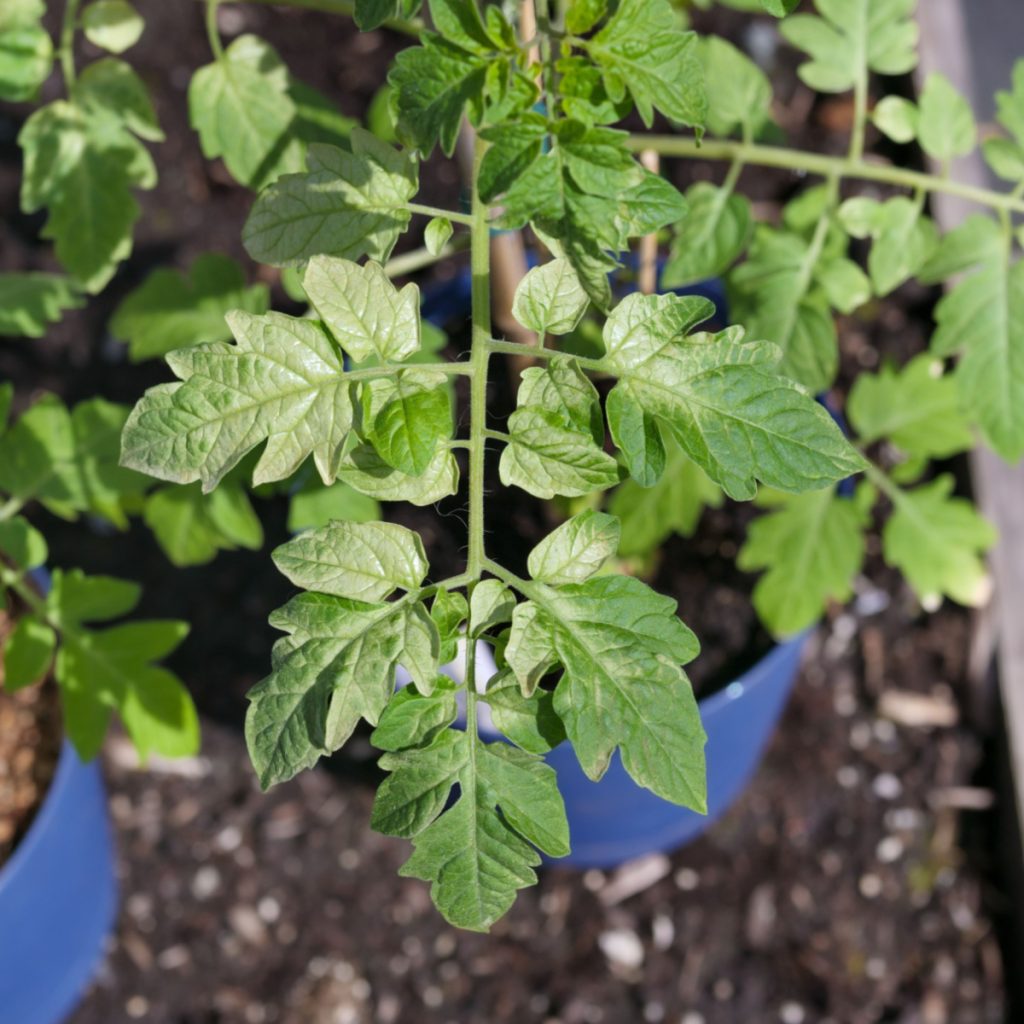
Credit: thisismygarden.com
Comparing Indoor Vs. Outdoor Seedling Growth
Hardening off does more than just toughen plants. It actually changes how seedlings grow. Here’s a comparison:
| Condition | Stem Thickness | Leaf Color | Root Growth |
|---|---|---|---|
| Indoor Only | Thin, weak | Pale green | Shallow, less branching |
| After Hardening Off | Thick, sturdy | Deep green | Deep, well-branched |
Plants that skip hardening off often stay spindly, even weeks after transplanting.
Real-world Examples: Success Stories And Lessons Learned
Gardeners everywhere have stories about hardening off. Here are two examples that highlight important lessons:
Case 1: Rushing The Process
Maria in Minnesota started tomatoes indoors in March. She put them outside all day in strong sun for the first time. By evening, half the plants had sunburned leaves. She learned to start with shade and increase sun slowly. The next batch grew thick stems and gave her the best crop in years.
Case 2: Using A Cold Frame
Eli in Oregon used a homemade cold frame for his peppers. He left the lid open a crack the first week, then fully open by week two. Even when nights dropped to 45°F, his plants stayed healthy. The cold frame let him start earlier and grow larger plants.
Frequently Asked Questions
What Happens If I Don’t Harden Off Seedlings?
If you skip hardening off, seedlings may wilt, sunburn, or die soon after planting outside. They are not used to strong sun, wind, or temperature swings. Even if they survive, growth is often stunted and harvests are smaller.
How Do I Know If Seedlings Are Ready For Outdoors?
Look for thick stems, deep green leaves, and no signs of wilting after a full day outside. The plants should not flop over in a breeze and should have strong roots holding the soil ball together.
Can I Harden Off Seedlings In A Greenhouse?
Yes, but you need to open vents or doors to let in outdoor air and reduce humidity. Move seedlings outside for a few hours each day to expose them to real sun and wind. Greenhouses help, but real outdoor conditions are still best.
Should I Fertilize Seedlings During Hardening Off?
Use a dilute liquid fertilizer only once if leaves look pale. Too much fertilizer makes soft growth that sunburns easily. Focus on water and gradual exposure to sun and wind.
How Do I Protect Seedlings From Pests During Hardening Off?
Place mesh, netting, or lightweight row covers over trays. Check for slugs or snails under pots each evening. Keep trays off the ground if birds or rodents are a problem.
Hardening off seedlings is one of the most important steps in gardening. It takes patience and attention, but the reward is strong, healthy plants that thrive outdoors. With the right timing, tools, and gradual exposure, even delicate seedlings can become garden champions. For more on transplanting and seedling care, visit the University of Maryland Extension.
Take the time to do it right—your garden will thank you all season long.