
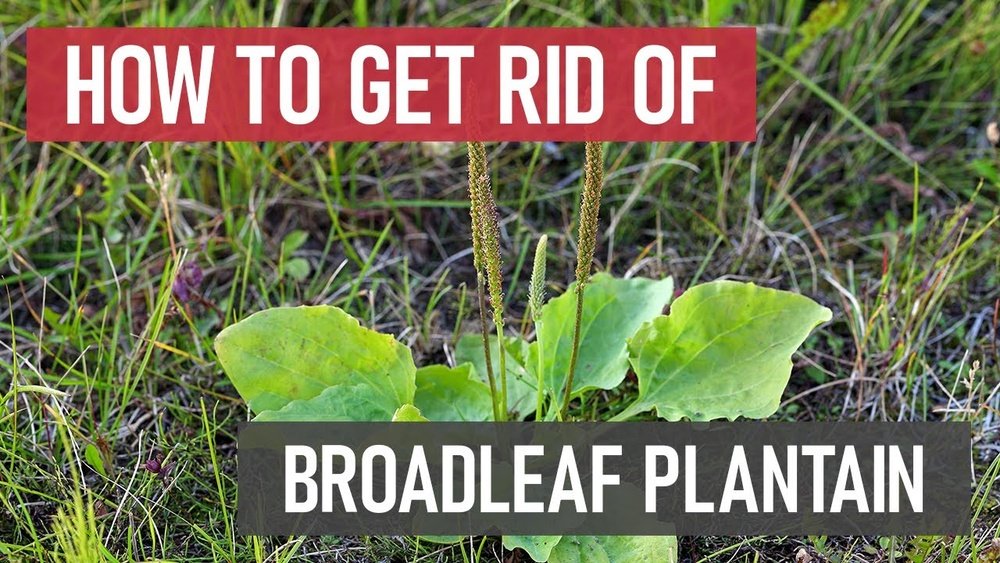
Plantain weed is a stubborn problem for many lawns in the United States and around the world. Its broad, oval leaves and deep roots make it hard to remove once established. If you’re seeing these pesky plants in your yard, you’re not alone.
Millions of homeowners fight plantain weed each year, but with the right knowledge, you can win the battle and restore your lawn’s beauty.
This guide will help you understand plantain weed, why it grows, and how to remove it effectively. Whether you want natural solutions, chemical options, or tips to keep it from coming back, you’ll find everything you need here. We’ll look at common mistakes, practical steps, and share new insights most beginners miss. By the end, you’ll know how to get rid of plantain weed lawn for good.
Understanding Plantain Weed
Plantain weed, often known as broadleaf plantain (*Plantago major*) or buckhorn plantain (*Plantago lanceolata*), is a common broadleaf weed. Both types thrive in lawns, gardens, and disturbed soils. These weeds are persistent because they adapt easily to different environments, and their seeds can survive tough conditions. Even if your lawn looks healthy, plantain weed can find small weaknesses and start growing.
Identifying Plantain Weed
Plantain weed is easy to spot once you know what to look for:
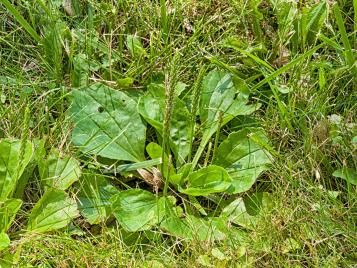
- Broadleaf plantain has wide, oval leaves that grow close to the ground. The leaves have prominent veins and sometimes a waxy feel. When touched, the leaves often feel thick and slightly rubbery, which helps them withstand mowing and foot traffic.
- Buckhorn plantain features narrow, lance-shaped leaves with edges that curl upward. These leaves grow more upright and may look like small spikes coming out of the soil.
Both types produce tall flower spikes in summer, which carry tiny seeds. These seeds can spread quickly if the spikes aren’t removed. A single plant can produce hundreds or thousands of seeds, which makes it easy for the weed to spread across your lawn.
| Characteristic | Broadleaf Plantain | Buckhorn Plantain |
|---|---|---|
| Leaf Shape | Wide, oval | Narrow, lance-shaped |
| Leaf Arrangement | Rosette (circle at ground) | Upright, curled edges |
| Flower Spike | Tall, green spikes | Slender, brown spikes |
| Root System | Fibrous, shallow | Taproot, deeper |
Many homeowners confuse plantain weed with dandelion, but dandelion leaves have jagged edges while plantain leaves are smooth. The flower spikes are also different: plantain spikes are long and thin, while dandelions have bright yellow flowers.
Why Plantain Weed Grows
Plantain weed thrives in compacted soil, areas with poor drainage, and lawns that are thin or damaged. It’s highly adaptable. The seeds can survive for years, waiting for the right conditions.
Most lawns with plantain weed share these problems:
- Soil is hard and packed down. Compacted soil makes it difficult for grass roots to grow, but plantain weed thrives in these conditions.
- Grass coverage is thin or patchy. Weak grass gives space for plantain weed to invade and spread.
- Lawn receives heavy foot traffic. Walking or playing on the lawn compacts soil and damages grass, giving weeds a chance to grow.
- Mowing is too short or irregular. If you mow too low or skip mowing, grass becomes stressed and weeds take over.
If you fix these issues, plantain weed becomes less likely to return. Improving soil and lawn health is the best long-term solution.
The Impact Of Plantain Weed On Your Lawn
Plantain weed doesn’t just look bad—it harms your lawn in several ways.
- Reduces grass growth: Plantain weed’s wide leaves shade the grass, slowing its growth and making it weak. Grass needs sunlight to grow, and plantain weed blocks that light.
- Spreads quickly: Each plant can produce thousands of seeds per season. If you don’t control it, the weed spreads fast. Seeds can be carried by wind, water, pets, or even shoes.
- Attracts pests: The broad leaves can attract insects and other pests that harm your lawn. Some bugs hide under the leaves, while others feed on the plantain weed itself.
- Makes lawn uneven: Plantain weed grows in thick patches, making your lawn look uneven and bumpy. This can create tripping hazards and make mowing harder.
In some areas, plantain weed is also known to trigger allergies for people and pets. The pollen from flower spikes can cause sneezing, itchy eyes, or skin irritation, especially for sensitive individuals. If you have children or pets who play on the lawn, removing plantain weed can improve their comfort and safety.
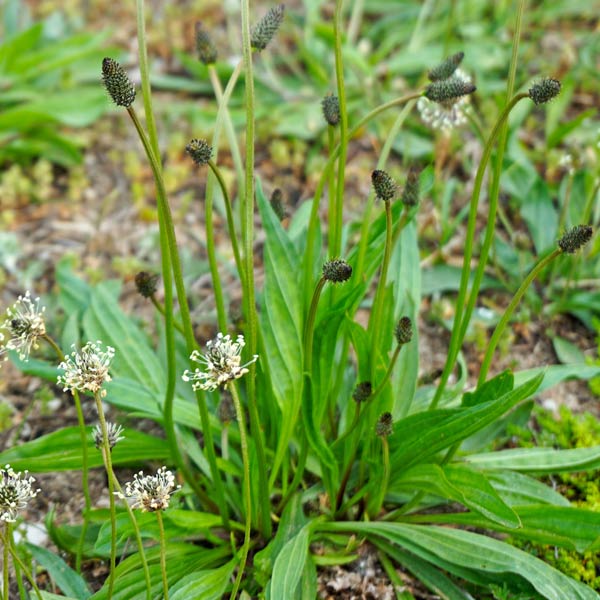
Credit: www.preen.com
How To Get Rid Of Plantain Weed Lawn
Removing plantain weed requires a smart plan. You need to tackle the weeds, improve your lawn, and prevent new growth. Let’s walk through the best methods, from manual removal to advanced prevention.
Manual Removal
Pulling out plantain weed by hand is a good first step, especially if you only have a few plants.
- Water the soil first. Moist soil is softer and makes it easier to remove the roots. Dry soil can cause roots to break, leaving pieces behind.
- Use a weeding tool or a small trowel. Slide it under the root and gently lift. A forked tool works well for fibrous roots.
- Remove the entire root. If you leave any part behind, the plantain weed may grow back. Inspect the hole after removal to check for leftover roots.
- Dispose of the weed properly. Don’t compost the weed unless you’re sure it won’t spread seeds.
Non-obvious insight: Many beginners forget that plantain weed roots are fibrous. Even small pieces can regrow. Always check for leftover roots. Another tip is to remove weeds before they flower, so fewer seeds are spread.
Manual removal is best for small lawns or when weeds are just starting to appear. For larger areas, combine manual removal with other methods.
Chemical Control
If your lawn is heavily infested, manual removal may not be enough. Selective herbicides target broadleaf weeds without harming grass.
| Herbicide Type | Targets | Safe for Lawns | Application Timing |
|---|---|---|---|
| 2,4-D | Broadleaf weeds | Yes (most grasses) | Spring or fall |
| Dicamba | Broadleaf weeds | Yes (careful with new grass) | Cool weather |
| Glyphosate | All plants | No (kills grass) | Spot treatment only |
Tips for chemical use:
- Always read the label and follow safety instructions. Wear gloves and avoid spraying on windy days.
- Apply during calm weather to avoid drift onto other plants. Wind can carry spray to flowers, vegetables, or shrubs.
- Water the lawn a day before and avoid mowing for several days after. This lets the herbicide work on leaves and roots.
- Spot treat isolated patches to protect healthy grass. Don’t spray the entire lawn unless absolutely needed.
Common mistake: Spraying too much herbicide can harm your grass and soil. Only use the amount recommended. Also, avoid using non-selective herbicides like glyphosate on your whole lawn, as they kill all plants, not just weeds.
For best results, apply herbicide when weeds are actively growing but not yet flowering. Repeat applications may be needed for stubborn patches.
Organic And Natural Methods
Some homeowners prefer natural options to avoid chemicals. Here are popular organic ways:
- Boiling water: Pour directly onto the plant. It kills leaves and roots, but may harm nearby grass. Use carefully on small patches or cracks.
- Vinegar: Use horticultural vinegar (20% acetic acid) for tough weeds. Spray on leaves during sunny days. Repeat as needed. Household vinegar (5%) is usually too weak.
- Corn gluten meal: Prevents seeds from sprouting. Apply in early spring before weeds emerge. It acts as a natural pre-emergent.
- Mulching: Cover bare soil with wood chips or straw to block sunlight and stop seed growth. Mulch also helps conserve moisture and prevent erosion.
Non-obvious insight: Corn gluten meal works only as a pre-emergent. If the weed is already growing, it won’t kill it. Also, vinegar can harm grass if sprayed too broadly, so use it as a spot treatment.
Organic methods are best for eco-friendly lawns or where children and pets play. They may take longer to work, so patience and repeat treatments are needed.
Improving Lawn Health
Healthy lawns resist plantain weed naturally. Focus on these steps to improve your grass:
- Aerate your soil: Use a core aerator to reduce compaction. This lets water and nutrients reach the roots. Aeration also encourages deep root growth for grass, making it harder for weeds to invade.
- Overseed thin areas: Add new grass seed to bare spots. Choose grass types that match your climate. For cool climates, try fescue or ryegrass. For warm climates, Bermuda or zoysia work well.
- Fertilize smartly: Use slow-release fertilizers. Too much fertilizer can cause weak grass and more weeds. Fertilizing in early spring and fall supports healthy growth.
- Water deeply, not often: Deep watering encourages strong roots. Shallow watering helps weeds. Water once or twice a week, not every day.
Most homeowners overlook aeration. It’s one of the best ways to fight plantain weed because the weed loves compacted soil. Aeration is easy to do with rental tools and can improve the whole lawn’s health.
Mowing And Maintenance
Regular mowing keeps your lawn strong and prevents weeds from spreading.
- Set mower height to 2.5–3 inches. Taller grass shades the soil and makes it harder for plantain weed to grow. Short grass exposes soil and gives weeds sunlight.
- Sharpen mower blades. Dull blades tear grass, which weakens it and allows weeds to invade. Sharpen blades every few weeks during the mowing season.
- Remove flower spikes: Cut off plantain weed’s spikes before they set seeds. Use clippers or a bagging mower to collect spikes.
Mistake to avoid: Mowing too short (“scalping”) stresses the grass and gives plantain weed an advantage. Always check your mower settings before each cut.
Mowing at the right height also helps grass crowd out weeds, making your lawn thicker and greener.
Soil Testing And Correction
Plantain weed often signals poor soil health. Testing your soil helps you make smart changes.
- Buy a soil test kit or send samples to a local extension office. Testing costs little and gives valuable information.
- Check for pH (ideal for most lawns is 6.0–7.0), nutrient levels, and compaction. Low pH means acidic soil; high pH means alkaline.
- Add lime if soil is acidic, or sulfur if it’s too alkaline. Follow recommendations from your soil test.
- Use organic matter (compost) to improve structure and drainage. Compost helps soil hold water and nutrients, supporting strong grass.
Healthy soil supports thick grass, crowding out plantain weed. Most gardeners do not test soil often, but yearly testing prevents many lawn problems.
Advanced Prevention Strategies
Once you’ve removed plantain weed, prevention is key. Here are advanced strategies to keep your lawn weed-free.
Pre-emergent Herbicides
These products stop weed seeds from sprouting. Apply in early spring or fall.
- Use products labeled for broadleaf weeds. Read the instructions carefully.
- Water in lightly after application. This activates the herbicide and moves it into the soil.
- Do not overseed immediately after using pre-emergents—they block all seeds.
Pre-emergents are best for lawns with a history of plantain weed problems. They work by stopping seeds before they grow.
Lawn Renovation
If your lawn is very thin or damaged, consider a full renovation.
- Kill all weeds and grass with a non-selective herbicide. Wait until all plants are dead.
- Remove dead plants and aerate soil. Aeration breaks up hard soil.
- Spread new grass seed and cover with straw or mulch. This protects seeds and helps them sprout.
- Water regularly until grass is established. Keep soil moist, but not soggy.
Lawn renovation is a big job, but it can transform a weedy lawn into thick, healthy grass.
Edging And Borders
Physical barriers stop weed seeds from blowing in.
- Install edging around flower beds and lawn borders. Edging comes in plastic, metal, or stone.
- Use landscape fabric under mulch to block weed growth. Fabric lets water through but blocks sunlight.
Edging also makes mowing easier and gives your lawn a neat look.
Companion Planting
Some plants naturally repel weeds. Clover, for example, grows thick and outcompetes plantain weed.
| Companion Plant | Benefit | Drawback |
|---|---|---|
| Clover | Thick cover, nitrogen fix | May attract bees |
| Fescue | Strong roots, shade | Needs regular mowing |
| Perennial ryegrass | Quick growth | Short lifespan |
Clover is especially useful because it adds nitrogen to the soil, helping grass grow. Fescue and ryegrass grow quickly and cover soil, making it harder for weeds to take hold.
Proper Irrigation
Overwatering or underwatering can weaken grass and encourage weeds.
- Use sprinklers with timers to deliver 1–1.5 inches of water per week. Measure with a rain gauge or empty can.
- Water early in the morning to reduce evaporation and disease risk. Night watering can cause fungus.
Adjust watering based on weather, soil, and grass type. Deep watering helps roots grow strong.
Credit: www.lovethegarden.com
Mistakes To Avoid When Removing Plantain Weed
Many people make errors that let plantain weed return. Avoid these mistakes for best results.
- Ignoring soil compaction: If you don’t fix compacted soil, weeds will keep coming back. Aeration is key.
- Mowing too short: Short grass gives plantain weed more sunlight and space. Set your mower higher.
- Using the wrong herbicide: Some herbicides kill grass along with weeds. Always use selective products.
- Skipping follow-up care: After removal, you must overseed and fertilize to restore grass.
- Leaving roots behind: Even tiny root pieces can regrow into full plants.
- Applying pre-emergents too late: They only stop seeds before sprouting.
- Overusing chemicals: Excessive herbicide harms soil health and nearby plants.
A less obvious mistake is ignoring lawn edges and borders. Weeds often start at the edges and spread inward. Keep these areas well maintained.
Real-life Examples And Results
Let’s look at two homeowners who tackled plantain weed using different methods.
Case 1: Sarah’s Suburban Lawn
Sarah had a thick patch of broadleaf plantain. She tried pulling the weeds by hand but they kept coming back. After soil testing, she found her soil was compacted and low in nitrogen.
Steps Sarah followed:
- Used a core aerator to loosen soil.
- Applied a slow-release fertilizer to boost grass health.
- Overseeded thin spots with fescue grass.
- Pulled remaining weeds by hand.
- Set her mower to 3 inches.
Within 6 weeks, her lawn was thicker and plantain weed almost disappeared. Sarah also noticed fewer bugs and her lawn looked greener.
Case 2: Mike’s Large Rural Yard
Mike had buckhorn plantain covering half his yard. Manual removal was impossible. He used a selective herbicide containing 2,4-D, following label instructions.
Steps Mike followed:
- Sprayed herbicide on a calm day.
- Waited two weeks, then mowed and removed dead plants.
- Spread ryegrass seed in bare areas.
- Added mulch around borders to prevent new weeds.
In 8 weeks, Mike saw strong grass growth and no new plantain weed patches. He continued to check for weeds and spot treat as needed.
Quick Reference Guide: Plantain Weed Removal
Here’s a summary of the best steps for removing plantain weed lawn:
- Identify plantain weed type.
- Water soil and pull weeds by hand if possible.
- Use selective herbicide for large infestations.
- Aerate compacted soil.
- Overseed bare spots.
- Fertilize with slow-release nutrients.
- Set mower height to 2.5–3 inches.
- Test and correct soil pH.
- Apply pre-emergent herbicides in spring/fall.
- Install edging and mulch borders.
- Water deeply once per week.
- Monitor for regrowth and repeat steps as needed.
Each step helps build a healthier lawn that resists weeds naturally.
Data: How Effective Are Different Removal Methods?
Studies show that combining manual, chemical, and lawn improvement methods works best.
| Method | Effectiveness (%) | Time to See Results | Best For |
|---|---|---|---|
| Manual Removal | 60 | 2–4 weeks | Small patches |
| Chemical Herbicides | 85 | 2–8 weeks | Large infestations |
| Organic Methods | 50 | 4–12 weeks | Eco-friendly yards |
| Lawn Renovation | 95 | 8–16 weeks | Damaged lawns |
Non-obvious insight: Combining at least two methods (herbicide + lawn improvement or manual + organic) increases success and prevents regrowth. For example, aerate after using herbicide, then overseed to fill bare spots.
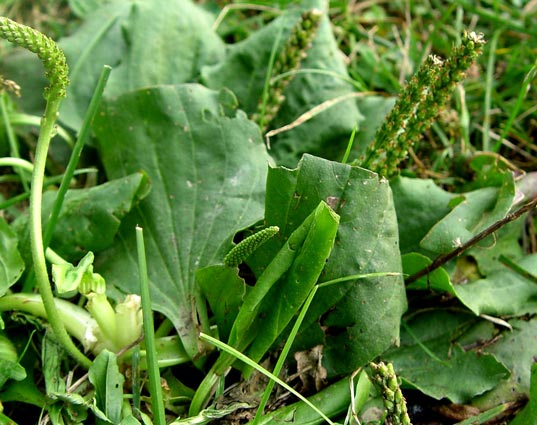
Credit: www.preen.com
Frequently Asked Questions
What Is The Best Time To Remove Plantain Weed?
The best time is spring or fall. Weeds are easier to pull when soil is moist. Herbicides work best during cool weather before the weeds flower. Avoid removing weeds during summer heat, as grass is stressed and may not recover quickly.
Can Plantain Weed Spread By Mowing?
Yes. If you mow plantain weed when it has flower spikes, you spread seeds across your lawn. Always remove spikes before mowing or use a bagging mower. Clean mower blades after use to avoid spreading seeds to other parts of your yard.
Will Pulling Plantain Weed By Hand Remove It Forever?
Hand pulling works for small patches, but you must remove all roots. If roots stay in the soil, the weed can regrow. For large areas, combine manual removal with soil improvement.
Are There Any Safe Chemicals For Pets And Children?
Selective herbicides like 2,4-D are generally safe when used correctly, but keep pets and children away until the product dries. Always follow label instructions for safety. Consider organic methods if your lawn is used by children and pets often.
How Long Does It Take To Get Rid Of Plantain Weed Lawn?
Most lawns see improvement in 2–8 weeks if you use the right methods. Full removal may take a season, especially for large infestations or damaged lawns. Consistent care and repeat treatments give the best results.
Final Thoughts
Getting rid of plantain weed lawn isn’t just about removing the weeds. It’s about fixing soil, improving grass health, and preventing future growth. Many beginners focus only on spraying or pulling, but the real secret is combining strategies. Aerate your lawn, overseed, mow correctly, and use herbicides wisely.
Remember, plantain weed is a sign your lawn needs attention. With patience and the right steps, you can enjoy a thick, green lawn free from weeds. If you’re still struggling, check local resources or extension offices for expert help. For more details on weed management, you can visit EPA’s Weed Management Guide.
Take action today—your lawn will thank you, and you’ll enjoy a healthier, more attractive yard for years to come.