
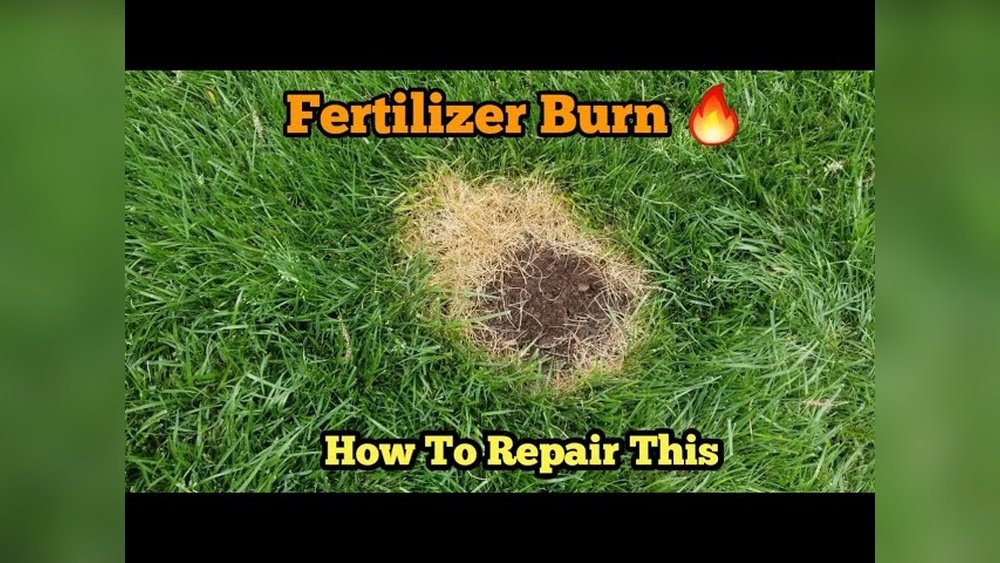
A healthy, green lawn is a point of pride for many homeowners. But sometimes, even with the best intentions, mistakes happen—especially when applying fertilizer. If your lawn has brown, yellow, or dead patches after fertilizing, you’re not alone. Fertilizer burn is a common problem, but it’s not the end of your lawn’s story.
With the right steps and knowledge, you can fix burned grass, prevent future damage, and restore your yard to its lush beauty.
This guide will show you how to recognize fertilizer burn, explain why it happens, and walk you through the complete recovery process. We’ll also cover how to prevent it, share useful tips, and answer common questions. You’ll learn practical solutions and expert insights that beginners often miss, so your lawn can bounce back stronger than ever.
What Is Fertilizer Burn?
Fertilizer burn happens when too much fertilizer is applied to your lawn, or when it’s applied incorrectly. Fertilizer contains salts and nutrients. If these build up in the soil or on the grass blades, they draw water out of the plant tissues, causing dehydration. The result is brown patches, dry areas, or even dead grass. Fertilizer burn can look similar to drought stress, but it’s caused by chemical damage, not just lack of water.
Key signs of fertilizer burn:
- Dry, crispy grass blades
- Yellow or brown streaks
- Patchy dead spots
- White or crusty residue on the soil
Not every brown lawn is caused by fertilizer, so it’s important to confirm the problem before starting repairs. Sometimes, grass naturally turns brown in extreme heat or drought, but fertilizer burn usually appears shortly after applying fertilizer and often affects only certain areas.
Extra detail: If you notice that the brown patches follow the pattern of your fertilizer application (straight lines, curved sweeps), this is a strong clue the problem is fertilizer burn. Unlike diseases, which often spread in irregular shapes, fertilizer burn often shows up in the same direction you walked with your spreader or hand.
Causes Of Fertilizer Burn
Understanding why fertilizer burn happens helps you avoid it in the future. Here are the main causes:
- Overapplication – Using too much fertilizer, or applying it too often, increases salt levels in the soil.
- Incorrect timing – Fertilizing during hot, dry weather makes plants more sensitive.
- Poor distribution – Uneven spreading leads to concentrated patches.
- Wrong product – Some fertilizers are stronger than others; slow-release types are gentler.
- Not watering after application – Water helps dissolve fertilizer and move it into the soil.
Even experienced gardeners sometimes make these mistakes. For example, using a spreader that’s not calibrated can cause uneven results. Or, applying fertilizer before rain, expecting it to wash in, but the rain doesn’t come.
Additional explanation: Another often-missed cause is using leftover fertilizer from a previous season. Fertilizer can absorb moisture and clump, leading to uneven application and unexpected burn. Also, people sometimes mix liquid fertilizers incorrectly, making the solution too strong for the lawn.
How To Identify Fertilizer Burn
Before you start fixing your lawn, make sure fertilizer burn is the real cause. Here’s how to tell:
- Visual inspection: Look for brown or yellow patches that appear shortly after fertilizing.
- Touch test: Grass will feel dry and brittle, not soft.
- Residue check: If you see white, powdery residue on the soil, it’s likely excess fertilizer.
- Timing: If damage appears 1-3 days after fertilizing, it’s probably burn.
Some diseases and pests can cause similar symptoms. If you’re unsure, try pulling up a few blades. If they come out easily and the roots look healthy, it’s probably burn, not disease.
Practical example: Suppose you fertilized your lawn on Monday and by Wednesday, you see brown streaks where the spreader passed. If the soil looks normal in other areas, but damaged only where you fertilized, it’s almost certainly burn.
Extra tip: If you notice the damage is limited to the edges where you started or finished, it’s likely you overlapped or spilled extra fertilizer there. This is a common mistake for beginners.
Immediate Steps: What To Do When You Notice Fertilizer Burn
The sooner you act, the better the chances of recovery. Here’s a step-by-step plan for immediate action:
- Stop fertilizing: Don’t add any more fertilizer until your lawn recovers.
- Water deeply: Apply 1 inch of water per day for three days. This helps flush excess salts from the soil.
- Remove visible residue: If you see fertilizer granules, gently rake them away.
- Avoid mowing: Let the lawn rest until signs of recovery begin.
If you have an automatic sprinkler system, adjust it for extra watering. For manual watering, use a hose with a spray nozzle to avoid puddling.
Further detail: It’s important not to overwater either. If the soil becomes waterlogged, roots can suffocate and new problems may start. Aim for deep, slow watering so water penetrates the soil without causing runoff.
Watering: The Most Important Recovery Step
Water is your best tool for fixing fertilizer burn. It dilutes the salts, helping them move below the grass roots. Deep watering is better than frequent light watering. Aim for soaking the soil to a depth of 6 inches.
Pro tip: If your soil is clay-heavy, water more slowly to prevent runoff. Sandy soils drain faster, so you may need shorter but more frequent watering sessions.
Extra explanation: To check soil moisture, push a screwdriver into the ground. If it slides in easily for 6 inches, you’ve watered enough. If not, keep watering. Also, use a rain gauge or empty can to measure how much water you’ve applied.
Repairing Burned Lawn Areas
Once the immediate steps are done, it’s time to focus on recovery. Depending on how severe the burn is, you may need to reseed, patch, or simply encourage regrowth.
Light Burn: Encouraging Recovery
For mild fertilizer burn:
- Continue deep watering for at least a week.
- Don’t fertilize again for 4-6 weeks.
- Wait for new shoots to appear; healthy grass will start to green up.
If your lawn is only lightly affected, it will often recover on its own with proper watering.
Additional advice: Try to keep foot traffic off the affected areas. Even mild burns make grass more fragile. Giving your lawn time to rest is important for regrowth.
Moderate Burn: Patching And Reseeding
For moderate damage:
- Remove dead grass: Use a rake to clear out dead patches.
- Loosen the soil: Lightly aerate the area to improve water movement.
- Add topsoil: Spread a thin layer of fresh topsoil over affected spots.
- Reseed: Choose a grass seed that matches your existing lawn.
- Keep moist: Water daily until seeds germinate and new grass grows.
Example: If you have a cool-season lawn (like Kentucky bluegrass or fescue), use the same type of seed. Warm-season lawns (like Bermuda or zoysia) require their own seed varieties.
Extra insight: After reseeding, cover seeds with a light layer of straw or mulch. This prevents birds from eating seeds and helps keep the soil moist. Avoid using thick mulch; grass needs light to grow.
Severe Burn: Sod Replacement
For severe cases where large sections are dead:
- Remove all dead grass and soil: Dig out affected areas to a depth of 1 inch.
- Add new soil: Replace with fresh, nutrient-rich topsoil.
- Lay sod: Place new sod pieces, pressing edges firmly.
- Water heavily: Keep sod moist for two weeks.
Expert tip: Sod is expensive, so only replace severely burned areas. Most lawns recover with reseeding and watering.
Extra explanation: If you’re laying sod in hot weather, water twice a day for the first week. Sod dries out faster than established lawn, so close monitoring is vital.
Comparing Recovery Strategies
Let’s compare common recovery methods for burned lawns:
| Method | Best For | Cost | Time to Recover | Success Rate |
|---|---|---|---|---|
| Deep Watering | Light to moderate burn | Low | 1-2 weeks | High |
| Reseeding | Moderate burn | Medium | 2-4 weeks | Medium-High |
| Sod Replacement | Severe burn | High | Immediate | Very High |
Most homeowners find that deep watering and reseeding are enough. Sod replacement is best for very large or severely damaged areas.
Extra detail: Deep watering is not only cost-effective, but also helps the lawn recover from other stresses, like drought. Reseeding can also fill in thin spots, improving the overall look even after the burn heals.

Credit: farison.com
How Long Does Recovery Take?
Recovery depends on the severity of burn, grass type, and weather.
- Light burn: 1-2 weeks for green shoots to appear.
- Moderate burn: 2-4 weeks for full regrowth.
- Severe burn (with sod): Immediate improvement, but roots need 2-3 weeks to establish.
Non-obvious insight: Cool-season grasses recover faster in spring and fall, while warm-season grasses do best in summer. If you reseed at the wrong time, germination will be slow.
Extra explanation: If temperatures are too cold or hot, seeds may not sprout, and sod may struggle to root. Always check your region’s growing calendar before reseeding or laying sod.
Preventing Fertilizer Burn In The Future
Prevention is easier than fixing the problem. Here’s how to keep your lawn safe:
- Read instructions: Always follow the fertilizer label for rates and timing.
- Use a spreader: Hand application is uneven; a spreader gives consistent results.
- Choose slow-release fertilizer: These release nutrients gradually, reducing burn risk.
- Water after fertilizing: Always water deeply to move fertilizer into the soil.
- Fertilize during cool weather: Avoid hot, dry days.
- Calibrate your spreader: Make sure it’s set for the right amount.
- Avoid overlapping passes: Don’t double up on areas.
Common mistake: Many people think “more is better” when it comes to fertilizer. But excess nutrients don’t help plants—they can kill them.
Extra tip: Keep a notebook or calendar with your fertilizing schedule. This helps avoid accidental overapplication, especially if multiple people care for the lawn.
Comparing Fertilizer Types
Choosing the right fertilizer can prevent burn. Here’s a comparison:
| Fertilizer Type | Release Speed | Burn Risk | Cost | Best Use |
|---|---|---|---|---|
| Fast-Release | Immediate | High | Low | Quick boost |
| Slow-Release | Gradual | Low | Medium | Regular feeding |
| Organic | Slow | Very Low | High | Safe, eco-friendly |
Non-obvious tip: Organic fertilizers rarely cause burn, but they take longer to work. If you’re new to lawn care, organic is safer.
Extra explanation: Some organic fertilizers also help improve soil health, making your lawn more resilient to stresses like heat and drought. Over time, organic products can reduce your need for chemical fertilizers.

Credit: www.youtube.com
Practical Tips For Lawn Recovery
Here are some practical tips to speed up recovery and avoid future issues:
- Mow carefully: Keep blades high; don’t cut stressed grass too short.
- Aerate soil: Improves water movement and root health.
- Monitor progress: Check weekly for new growth and color changes.
- Avoid weed killers: Herbicides can stress burned lawns further.
- Use mulch: A thin layer of mulch helps keep soil moist during recovery.
Mistake to avoid: Don’t fertilize again until your lawn shows healthy new growth. Adding more nutrients too soon can cause a second burn.
Extra tip: Try marking burned areas with small flags or stakes. This helps you monitor progress and reminds you to avoid mowing or walking there.
Real-life Example: Recovering From Fertilizer Burn
Let’s look at a real-life case. A homeowner in Dallas, TX applied granular fertilizer in July, expecting summer growth. After two days, brown patches appeared. They watered lightly each day, but the lawn didn’t improve. After consulting an expert, they switched to deep watering (1 inch per day for five days), raked out dead grass, and reseeded with Bermuda seed.
Within three weeks, new shoots appeared, and by week six, the lawn was fully green again.
Key lessons:
- Deep watering works better than frequent light watering.
- Reseeding helps if damage is moderate.
- Timing matters: Avoid fertilizing in peak summer heat.
Extra detail: The homeowner learned to always check weather forecasts before fertilizing and now uses slow-release fertilizer in the future. They also keep a record of lawn care actions to prevent mistakes.
Lawn Repair Products: Do They Work?
Many stores sell lawn repair kits or liquid solutions claiming to fix burned spots. Some work, but they’re not magic cures.
Repair kits usually contain:
- Grass seed
- Mulch or soil
- Starter fertilizer
These can help with reseeding, but if the burn is from excess fertilizer, you must flush the soil first. Liquid soil conditioners claim to neutralize salts, but their effectiveness varies.
Expert advice: Focus on deep watering and reseeding. Repair kits are useful if you’re patching, but don’t skip the flushing step.
Extra explanation: If you use a repair kit, check the instructions for watering frequency. Some products contain peat moss or coconut coir, which help retain moisture, but too much can smother new grass. Apply only a thin layer.
Understanding Fertilizer Labels
Fertilizer bags have numbers, like 10-10-10 or 20-5-10. These are the N-P-K ratio: nitrogen, phosphorus, and potassium. High nitrogen is good for green growth but increases burn risk.
- Nitrogen (N): Promotes leaf growth.
- Phosphorus (P): Helps root development.
- Potassium (K): Improves stress resistance.
Choose balanced fertilizers for regular feeding. Avoid high-nitrogen products unless you’re confident in your application.
Extra tip: If your soil already has plenty of phosphorus or potassium, extra may not help and can cause problems. Soil testing is the best way to know.
Comparing N-p-k Ratios
Here’s a quick comparison:
| N-P-K Ratio | Use | Burn Risk |
|---|---|---|
| 10-10-10 | General feeding | Low |
| 20-5-10 | Spring boost | Medium |
| 30-0-0 | High growth | High |
Tip: For beginners, stick to balanced or low-nitrogen fertilizers.
Soil Testing: A Secret Weapon
Many homeowners skip soil testing. This is a mistake. A soil test tells you exactly what nutrients your lawn needs, and prevents over-fertilizing. You can buy DIY kits or send samples to a lab.
Benefits:
- Know the pH level
- See salt buildup
- Identify missing nutrients
If your lawn is burned, test the soil before reapplying fertilizer. A test costs $10-$30 and saves money in the long run.
Extra explanation: Soil tests also tell you if your soil is too acidic or alkaline. If pH is off, grass can’t absorb nutrients, no matter how much fertilizer you apply.
Professional Help: When To Call An Expert
If your lawn is severely burned, or if recovery isn’t happening after a month, it may be time to call a professional. Lawn care companies have tools for soil testing, aeration, and sod installation. They can diagnose hidden problems, like compaction or disease.
Non-obvious insight: Sometimes, fertilizer burn happens because of underlying soil issues, like high salt levels or poor drainage. An expert can spot these problems early.
Extra tip: If you have repeated fertilizer burn each year, ask a professional to check your irrigation system. Overwatering or underwatering can make lawns more sensitive to fertilizer.
Seasonal Lawn Care Tips
The best time to repair burned lawns depends on the season:
- Spring: Ideal for cool-season grass recovery and reseeding.
- Summer: Best for warm-season grasses; avoid fertilizing in peak heat.
- Fall: Good for root growth; repair before winter dormancy.
- Winter: Avoid fertilizing; focus on soil improvement.
Tip: Always check your grass type before reseeding or fertilizing.
Extra explanation: In fall, adding compost or organic matter can help your lawn recover from summer stresses and prepare for winter. In winter, avoid all fertilizer, as dormant grass cannot use nutrients.
Summary Of Steps To Fix Burned Lawn
- Confirm fertilizer burn as the cause.
- Stop fertilizing immediately.
- Water deeply for several days.
- Remove excess fertilizer and dead grass.
- Reseed or patch as needed.
- Avoid mowing until grass recovers.
- Monitor progress and avoid further stress.
With patience and the right actions, most lawns recover fully from fertilizer burn.
Credit: www.reddit.com
Frequently Asked Questions
What Causes Fertilizer Burn On Lawns?
Fertilizer burn is caused by applying too much fertilizer, or by using it incorrectly. The salts in fertilizer draw water out of grass blades, causing dehydration and brown patches.
How Can I Tell If My Lawn Is Burned From Fertilizer Or Something Else?
Look for brown or yellow patches that appear shortly after fertilizing. Check for white residue on the soil. Disease or pest damage looks different, often with irregular shapes or root issues.
How Long Does It Take For A Burned Lawn To Recover?
Recovery depends on the severity. Light burns take 1-2 weeks. Moderate burns need 2-4 weeks. Severe burns (with sod) show immediate improvement but need 2-3 weeks for roots to establish.
Is It Safe To Use Fertilizer After My Lawn Has Recovered?
Yes, but wait until you see healthy new growth. Use slow-release or organic fertilizers, follow label instructions, and water deeply after application.
Can Fertilizer Burn Kill My Lawn Completely?
If the burn is severe, and the roots are damaged, grass may die. Most cases are recoverable with deep watering and reseeding. For very large dead areas, sod replacement is best.
A burned lawn is stressful, but it’s not permanent. With the right steps, you can restore your grass to full health—and prevent future damage. Remember, water is your best friend, and careful fertilizer use is the key to a lush, green yard. If you want more details on lawn care basics, check this helpful Fertilizer Basics from National Gardening Association.