
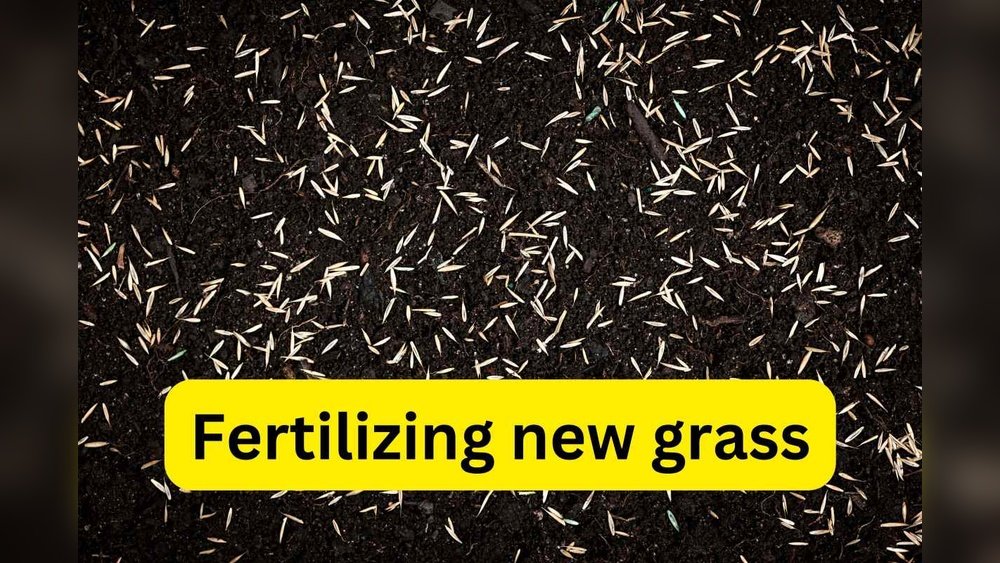
Laying new sod is exciting. You imagine a fresh, green lawn within weeks. But many people miss one key step: fertilizing new sod correctly. If you skip proper fertilization, your sod may struggle to root, turn yellow, or grow poorly. With the right approach, your new lawn will thrive quickly and stay healthy for years. This guide gives you clear steps, practical advice, and science-backed tips to fertilize new sod the right way—even if you’re new to lawn care.
Understanding Sod Needs: Why Fertilizer Matters
Sod is not just grass—it’s a living carpet of roots, soil, and shoots. When you lay new sod, the roots are cut short. They need to re-grow and connect with your soil fast. Fertilizer gives sod the nutrients it needs to:
- Build strong roots
- Grow thick green blades
- Resist pests and disease
Many homeowners think sod comes “ready to grow. ” It doesn’t. Sod is often stressed from harvest and transport. Fertilizer helps sod recover and adapt to its new home.
Key Nutrients For Sod
The main nutrients for sod are:
- Nitrogen (N): Boosts green growth
- Phosphorus (P): Helps root development
- Potassium (K): Improves stress tolerance
Each nutrient plays a role. For new sod, phosphorus is especially important. It helps roots grow deep and strong. Without enough phosphorus, sod may never fully connect to your soil.
Besides these three, sod also needs micronutrients like iron, calcium, and magnesium. These aren’t always included in basic fertilizers, but they can affect color and disease resistance. For example, iron helps grass stay dark green, while magnesium assists in photosynthesis.
Common Sod Problems Without Fertilizer
Some typical issues you may see:
- Yellow blades (nitrogen deficiency)
- Weak roots (phosphorus deficiency)
- Patchy growth (overall nutrient imbalance)
Correct fertilization prevents these problems. It also helps sod survive dry spells and heavy foot traffic. Many beginners don’t realize that sod is often harvested just before installation, which means it’s already stressed and vulnerable. Giving your sod a nutrient boost right away helps it recover faster and start growing as soon as possible.
Preparing Your Lawn Before Sod Installation
Fertilizing new sod starts before you even lay it. Preparation is key for success.
Soil Testing: The Secret Step Most Skip
A soil test tells you what nutrients your soil already has. Many people skip this step, but it makes a huge difference. Testing is simple—you can buy a kit online or from a garden center.
- Collect soil samples from several spots in your yard.
- Send them to a lab or use a home test.
- Get results on pH and nutrients.
If your soil is low in phosphorus, you’ll know to add more. If pH is too high or low, sod may struggle. Aim for a pH between 6.0 and 7.0.
Soil testing also reveals other issues, like salt buildup, which can harm sod. If your soil has high salt levels, flushing with water before installation helps. Another detail: different areas of your yard may have different soil quality. Testing multiple spots prevents surprises after sod is laid.
Clearing And Leveling
Remove old grass, weeds, and debris. Use a rake to smooth the surface. This helps sod roots reach the soil easily.
- Remove rocks larger than 1 inch.
- Fill low spots to avoid water pooling.
- Firm the soil lightly—don’t compact it.
A smooth, even surface prevents problems later. Uneven ground can cause puddles, which leads to root rot and fungal disease. If your lawn has slopes, consider running sod strips across the slope to reduce erosion.
Pre-installation Fertilizer
Before you lay sod, apply a starter fertilizer. This gives roots a “boost” right away.
- Choose a fertilizer with high phosphorus (look for middle number in N-P-K, like 10-15-10).
- Use about 1 pound of phosphorus per 1,000 square feet.
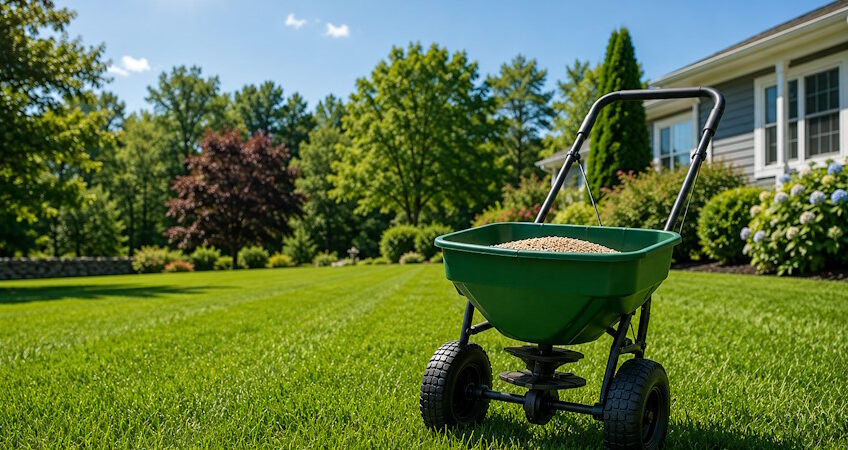
- Spread fertilizer evenly with a broadcast spreader.
Water the soil lightly after fertilizing. This helps nutrients dissolve and reach root zone.
If your soil is sandy, nutrients can wash away quickly. In that case, add organic matter before fertilizing. Compost or peat moss improves soil structure and nutrient retention.

Credit: www.pennington.com
Fertilizing New Sod: The Right Way
Now your lawn is ready. Let’s dive into the main steps for fertilizing new sod.
Timing: When To Fertilize
Proper timing is crucial. Fertilize at these stages:
- Before sod installation: Starter fertilizer in soil.
- After sod is laid: Wait 2–3 weeks, then fertilize again.
- Ongoing maintenance: Fertilize every 6–8 weeks during growing season.
Don’t fertilize sod immediately after laying. Roots need time to settle first. Waiting allows the sod to adjust and start rooting without risk of fertilizer burn.
If your climate is cooler, roots may take longer to settle. In warmer climates, you might see faster root growth, so adjust your fertilizing schedule slightly. Always observe your sod’s color and growth rate before deciding to fertilize.
Choosing The Best Fertilizer
There are many types of fertilizer. Picking the right one helps your sod grow fast and strong.
| Type | Best For | Pros | Cons |
|---|---|---|---|
| Starter Fertilizer | New sod | High phosphorus, boosts roots | Not for mature lawns |
| Slow-Release | Maintenance | Feeds lawn over time | Can be more expensive |
| Organic | Eco-friendly lawns | Improves soil health | Slower results |
| Liquid | Quick green-up | Easy to apply | Short-lived effect |
For new sod, use a starter fertilizer first. Later, switch to slow-release or organic for ongoing care.
If you’re unsure which to pick, starter fertilizer is safest. Some brands make blends for new sod that include micronutrients and soil conditioners. These products can help sod adapt better, especially in tough soils.
How To Apply Fertilizer
Applying fertilizer the right way matters more than you think.
- Use a broadcast spreader for granules. This gives an even coat.
- For liquids, use a hose-end sprayer.
- Read package instructions—don’t guess amounts.
- Avoid overlapping passes to prevent “hot spots.”
- Water sod after fertilizing. This helps nutrients soak in.
Over-fertilizing can burn sod. Under-fertilizing leaves it weak. Stick to recommended rates.
When spreading fertilizer, walk at a steady pace. If you move too slowly, you may apply too much in one area. If you go too fast, you risk missing spots. Many beginners forget to calibrate their spreader—always check settings before use.
Watering After Fertilizing
Water is critical after fertilizing. It helps nutrients move into the root zone.
- Water sod lightly right after fertilizing.
- Keep sod moist (not soggy) for first 2 weeks.
- Sod needs about 1 inch of water per week.
Deep watering encourages roots to grow down. Shallow watering keeps roots weak.
If your sod sits on clay soil, water more slowly. Clay holds water but can become compacted easily. Sandy soil drains fast—water more often but for shorter periods.
Common Mistakes When Fertilizing New Sod
Even experienced gardeners make mistakes. Here are pitfalls to avoid:
- Skipping soil testing: You may guess wrong about what your lawn needs.
- Over-fertilizing: Too much fertilizer can burn sod and kill microbes.
- Under-fertilizing: Sod may fail to root, leading to thin, patchy grass.
- Poor timing: Fertilizing too soon or too late reduces effectiveness.
- Using wrong fertilizer: Starter fertilizer is best for new sod—not regular lawn food.
- Uneven spreading: Missed spots stay yellow; heavy spots may burn.
- Not watering after fertilizing: Nutrients don’t reach roots without water.
- Ignoring weather: Rain can wash away fertilizer; dry spells weaken sod.
Real Example: Lawn Burn From Over-fertilizing
A homeowner in Texas laid new sod and applied double the recommended fertilizer. Within days, yellow stripes appeared. Soil test showed excess nitrogen. The fix? Flooding the lawn with water to dilute nutrients. The lesson: stick to recommended rates.
Another common mistake is using fertilizer designed for mature lawns. These products often lack phosphorus, so new sod doesn’t root well. Always check the N-P-K ratio before buying.
Credit: www.powerequipmentct.com
Step-by-step Guide: Fertilizing New Sod
Let’s make the process simple. Follow these steps for best results:
- Test your soil before buying sod.
- Clear and level the site.
- Apply starter fertilizer to bare soil.
- Lay sod tightly, avoiding gaps.
- Water sod thoroughly (first soaking).
- Wait 2–3 weeks for roots to settle.
- Apply second round of fertilizer (slow-release or organic).
- Continue watering as needed.
- Monitor growth and color.
- Fertilize every 6–8 weeks during growing season.
Pro Tip: Use A Fertilizer Calendar
Mark dates on your calendar for fertilizing. This keeps you consistent and avoids missed treatments.
To help, set phone reminders or use a wall calendar in your garage. Some lawn care apps allow you to log treatments and get alerts. Consistency is key for a healthy lawn.
Choosing The Right Fertilizer Product
There are hundreds of products. Here’s how to choose wisely.
Reading The N-p-k Label
Fertilizer bags show three numbers, like 10-15-10. These mean:
- N: Nitrogen
- P: Phosphorus
- K: Potassium
For new sod, pick a product with higher phosphorus (middle number). This encourages root growth.
Some starter fertilizers also include micronutrients. If your soil test shows deficiencies, look for products with added iron, zinc, or magnesium. These can help prevent yellowing and improve overall sod health.
Comparing Popular Brands
Here’s a quick comparison of common starter fertilizers:
| Brand | N-P-K | Price (per 1,000 sq ft) | Notes |
|---|---|---|---|
| Scotts Turf Builder Starter | 24-25-4 | $7 | High phosphorus; good for sod |
| Pennington Smart Seed Starter | 18-24-6 | $6 | Balanced formula |
| Espoma Organic Lawn Starter | 10-10-10 | $8 | Organic; slower release |
| Miracle-Gro Lawn Food | 22-3-14 | $7 | Low phosphorus; not ideal for new sod |
Choose a fertilizer that matches your sod’s needs and your budget.
Granular Vs Liquid Fertilizer
Both types work, but each has pros and cons:
- Granular: Easy to spread, lasts longer, slower effect.
- Liquid: Fast-acting, needs more frequent application, can be messy.
For most homeowners, granular is easier and safer for new sod.
If you want quick results for a special event, liquid fertilizers can green up your lawn in days. But for long-term health, granular is better. Some people use liquid fertilizer for the first application, then switch to granular for maintenance.
Organic Vs Synthetic Fertilizer: Which Is Better?
Both types can work well for new sod. Let’s compare the options.
Organic Fertilizer
Made from natural materials (compost, manure, bone meal).
- Improves soil structure
- Releases nutrients slowly
- Safer for kids and pets
Organic fertilizer is a good choice if you value environmental health. But it works slower than synthetic.
Some organic fertilizers contain beneficial microbes. These microbes help break down nutrients and improve root uptake. Over time, organic fertilizer builds richer soil, which supports sod growth.
Synthetic Fertilizer
Made from chemicals; often faster acting.
- Delivers nutrients quickly
- Predictable results
- Often cheaper
Synthetic fertilizer is ideal if you want fast green-up and don’t mind chemical products.
Synthetic fertilizers don’t improve soil structure, but they deliver nutrients immediately. If your sod needs quick recovery, synthetic is a good starting point.
Which Should You Use?
If your soil is poor or you want quick results, start with synthetic. Over time, switch to organic for ongoing maintenance. Some people mix both for best of both worlds.
Mixing small amounts of organic matter with synthetic fertilizer can help balance fast results and long-term soil health. This strategy is popular in professional landscaping.
Seasonal Fertilization Tips
Fertilizing new sod isn’t a one-time job. Different seasons need different strategies.
Spring
- Apply starter fertilizer after sod is laid.
- Use slow-release for ongoing growth.
- Water regularly as temperatures rise.
Spring is also a good time to aerate soil. Aeration opens up compacted earth and helps roots access nutrients.
Summer
- Fertilize every 6–8 weeks.
- Avoid fertilizing during extreme heat.
- Water more often to prevent drought stress.
In hot climates, fertilizer can evaporate or wash away quickly. Fertilize early morning or late evening to avoid heat stress.
Fall
- Apply fertilizer in early fall.
- Helps roots store nutrients for winter.
- Reduce watering as temperatures drop.
Fall fertilization strengthens sod for winter dormancy. Grass stores energy, so it comes back strong in spring.
Winter
- Don’t fertilize sod during cold months.
- Grass is dormant; fertilizer won’t help.
If you live in a warm region, winter fertilization may be possible. But most areas should pause feeding until spring.
Extra Insight: Timing And Weather
Fertilize when temperatures are mild (50–80°F). Avoid heavy rain right after fertilizing—it can wash nutrients away.
Always check your local weather before applying fertilizer. Windy days can blow granules off target. Rain within 24 hours can wash fertilizer into drains, wasting money and harming the environment.
Practical Tips For Success
Here are simple but effective tips to ensure your sod flourishes.
- Use mulch around edges: This keeps moisture in and prevents weeds.
- Check for pests: Healthy sod is less likely to attract bugs, but watch for grubs.
- Aerate soil yearly: Aeration helps nutrients reach roots.
- Don’t mow too soon: Wait until sod is well rooted (usually 2–3 weeks).
- Keep pets off sod: Foot traffic damages tender sod and roots.
- Monitor color: Yellow means nutrient deficiency; dark green is healthy.
If you see mushrooms after watering, it’s normal. Mushrooms show that your soil is rich and moist. Just remove them by hand if needed.
Extra Tip: Don’t Ignore Soil Amendments
If your soil test shows low potassium or micronutrients (like iron), add amendments as needed. Healthy soil means healthy sod.
Many homeowners skip micronutrients, thinking N-P-K is enough. But iron, magnesium, and calcium make a big difference in sod color and toughness.
How Much Fertilizer Should You Use?
Applying the right amount is critical. Too much or too little can harm your lawn.
- For starter fertilizer: Use 1 pound phosphorus per 1,000 sq ft.
- For ongoing maintenance: Use products at rates suggested on package.
- Avoid fertilizing when ground is frozen or during heavy rain.
If your lawn has irregular shapes, measure each section separately and total the area. Always err on the side of caution—using slightly less is better than too much.
Calculating Coverage
If your lawn is 2,500 sq ft, you need 2. 5 pounds of phosphorus for starter fertilizer. Use a spreader to apply evenly.
For hills or slopes, apply fertilizer up and down the slope, not across, to avoid runoff.
Credit: www.lawnstarter.com
Aftercare: Keeping Your Sod Healthy
Fertilizing is just the first step. Proper aftercare makes your sod last.
- Keep sod moist for first month.
- Don’t mow until sod is well rooted.
- Fertilize every 6–8 weeks.
- Watch for signs of stress (yellowing, thinning).
- Aerate soil once a year.
- Remove weeds by hand—avoid herbicides for first 3 months.
If weeds appear, pull them gently by hand. Herbicides can damage new sod, so wait at least three months before using.
Real-life Case: Sod Success Story
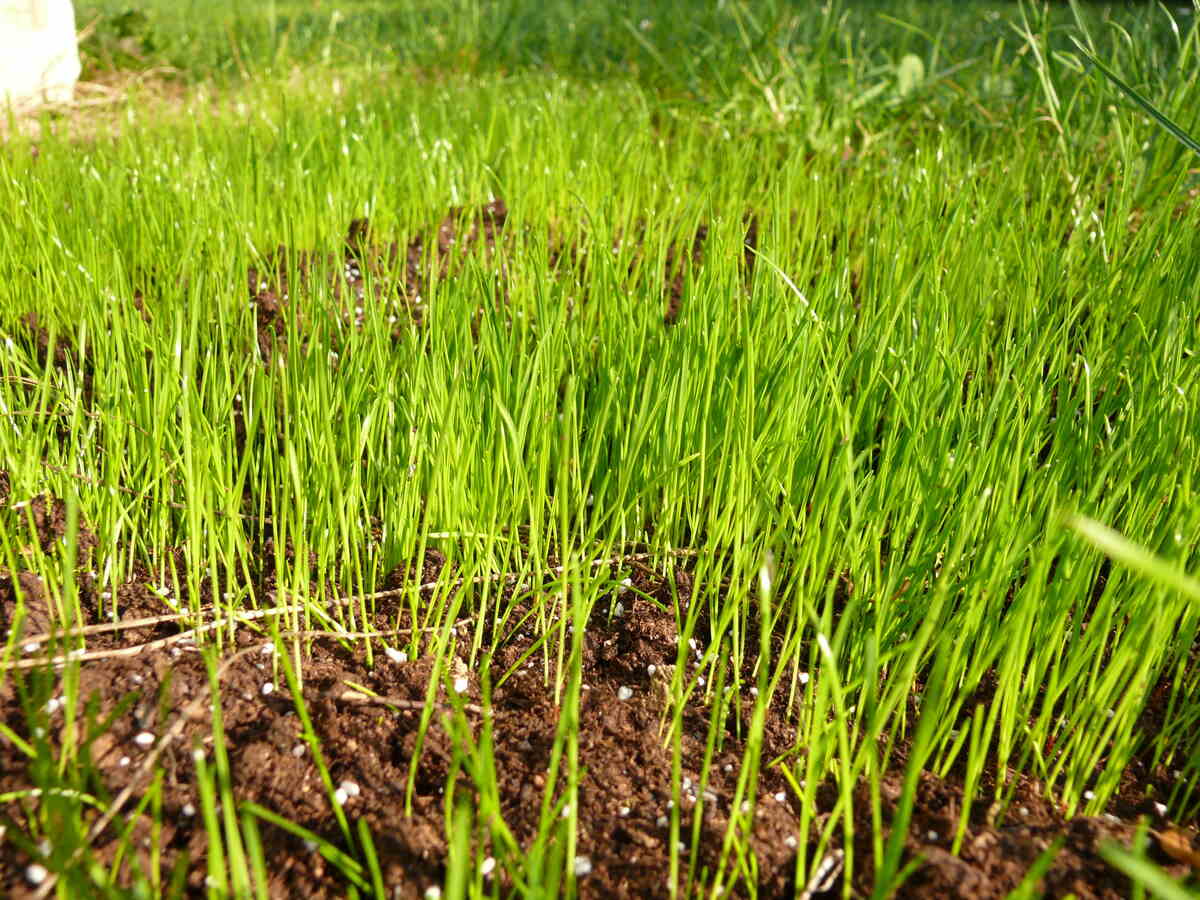
A family in Florida followed all steps: soil test, starter fertilizer, regular watering. Their sod rooted in 10 days and turned deep green within three weeks. They avoided mowing early and used slow-release fertilizer for ongoing care. Their lawn stayed healthy all year.
They also added compost around the sod edges, which helped keep moisture in and prevented weeds. This simple step made a big difference during dry spells.
Environmental Concerns And Safe Practices
Fertilizer can help or harm the environment. Use safe practices:
- Don’t over-fertilize—runoff pollutes streams.
- Keep fertilizer off sidewalks and driveways.
- Choose organic when possible.
- Follow local regulations on fertilizer use.
Learn more about safe fertilizing from EPA Nutrient Pollution.
If you live near a lake or river, consider using phosphorus-free fertilizer after sod is established. This reduces water pollution and keeps your local ecosystem healthy.
Advanced Tips: Going Beyond Basics
If you want the best lawn in your neighborhood, try these advanced tips:
- Use humic acid: Helps roots absorb nutrients better.
- Add mycorrhizal fungi: These “friendly” soil microbes boost root growth.
- Monitor with apps: Some lawn care apps track fertilizing schedules and growth.
- Top-dress with compost: Adds organic matter and nutrients.
Some sod suppliers offer sod pre-treated with mycorrhizal fungi. This can give your lawn a head start, especially in tough soils.
Non-obvious Insight: Microbial Boosters
Most people focus only on N-P-K. But boosting soil microbes helps sod root faster and resist disease. Products like compost tea or mycorrhizal inoculants can make a big difference.
Healthy microbes improve soil texture, making it easier for roots to grow deep and strong.
Troubleshooting: If Your Sod Struggles
Sometimes sod doesn’t respond as expected. Here’s how to fix common issues.
- Yellow patches: Add nitrogen or check watering.
- Weak roots: Increase phosphorus; aerate soil.
- Dry, brown edges: Water more deeply.
- Slow growth: Check soil pH; add lime if too acidic.
If your sod lifts easily after two weeks, roots haven’t established. Try watering more deeply and add phosphorus-rich fertilizer.
Extra Insight: Watch For Fungal Disease
New sod can be prone to fungal diseases, especially with heavy watering. If you see fuzzy spots or rapid yellowing, reduce watering and consider a fungicide.
Don’t forget to clean your mower blades before first cut—dirty blades can spread disease.
Frequently Asked Questions
How Soon After Laying Sod Should I Fertilize?
Wait 2–3 weeks after laying sod before applying fertilizer. This gives roots time to settle and avoids burning. Use a starter fertilizer before installation, then switch to maintenance fertilizer later.
Can I Use Regular Lawn Fertilizer On New Sod?
No, you should use starter fertilizer with higher phosphorus. Regular lawn fertilizer is low in phosphorus and won’t help roots grow. Switch to regular fertilizer after sod is established.
How Often Should I Fertilize My New Sod?
Fertilize new sod every 6–8 weeks during the growing season. Avoid fertilizing in winter when grass is dormant. Adjust based on growth and color.
What Happens If I Over-fertilize Sod?
Over-fertilizing can burn roots, cause yellow patches, and harm soil microbes. Always follow package directions and avoid doubling rates.
Is Organic Fertilizer Good For New Sod?
Yes, organic fertilizer improves soil health and feeds sod slowly. It works best for ongoing maintenance. For quick root growth, combine organic with starter synthetic fertilizer.
Closing Thoughts
Fertilizing new sod correctly is the difference between a lush lawn and a patchy, weak yard. Start with a soil test, use the right starter fertilizer, and follow a careful schedule. Water deeply, avoid common mistakes, and use advanced tips for best results.
Whether you’re a beginner or seasoned gardener, these steps help your sod root fast and stay healthy. Remember, a green lawn starts with smart fertilizing—your efforts will pay off every time you step outside.