
Cleaning outdoor tiles is a task many homeowners face, but few do it well. Whether on patios, balconies, walkways, or poolside, outdoor tiles add beauty and function to your space. But exposure to weather, dirt, and stains means they need regular care. If you’ve ever struggled with slippery moss, stubborn stains, or dull surfaces, you know that ordinary mopping isn’t enough. Cleaning outdoor tiles correctly can save you money on repairs, make your space safer, and keep your home looking its best. This guide shows you how to do it right, using safe methods, smart tools, and some non-obvious tricks that most people miss.
Why Outdoor Tiles Get Dirty And Damaged
Outdoor tiles face much tougher challenges than indoor ones. Weather, foot traffic, and nature all leave their mark. Rain brings water stains and encourages moss. Dust and pollen settle into cracks. Leaves, berries, and other organic matter stain tiles and encourage mildew. In cold climates, freeze-thaw cycles can crack tiles or loosen grout. In warm, humid areas, algae and mold can make surfaces slippery and dangerous.
Even daily life plays a role. Barbecues leave grease spots. Garden chemicals and fertilizers can stain or etch tiles. Pets and wildlife contribute messes that are tough to clean. Over time, small problems build up. If you skip regular cleaning, tiles become harder to restore and may need replacement sooner.
Understanding these causes helps you choose the right cleaning methods and avoid mistakes that can damage your outdoor tiles.
Types Of Outdoor Tiles And Their Cleaning Needs
Not all outdoor tiles are the same. Each type has its own strengths, weaknesses, and cleaning requirements. Knowing what kind of tile you have is the first step to cleaning it properly.
| Tile Type | Common Uses | Typical Challenges | Cleaning Sensitivity |
|---|---|---|---|
| Porcelain | Patios, balconies | Stains, algae, dirt | Low (very durable) |
| Ceramic | Walkways, terraces | Surface cracks, mold | Moderate |
| Natural Stone (e.g., slate, granite) | Luxury patios, poolside | Etching, stains, moss | High (avoid harsh chemicals) |
| Concrete/Stone Pavers | Driveways, gardens | Weeds, oil stains, fading | Low to moderate |
| Terracotta | Courtyards, rustic spaces | Water stains, cracking | High (very porous) |
Porcelain Tiles
Porcelain is dense, waterproof, and resists most stains. It’s popular for patios and pool decks. Standard cleaning works for daily dirt, but greasy spills or algae need extra attention.
Ceramic Tiles
Ceramic is less dense than porcelain and can develop surface cracks. Avoid harsh scrubbing tools. Mold and mildew can settle in grout lines.
Natural Stone Tiles
Slate, granite, marble, and travertine look beautiful but are sensitive to acids and strong cleaners. Always check for sealant before cleaning. Never use vinegar or bleach on these tiles, as they cause permanent damage.
Concrete And Stone Pavers
Concrete and stone pavers are durable but can fade or stain. Oil, moss, and weeds are common problems, especially on driveways or garden paths.
Terracotta Tiles
Terracotta is rustic and charming but very porous. It absorbs water and stains easily. Use only gentle, pH-neutral cleaners and avoid letting water pool on the surface.
Credit: stonecera.co.uk
Basic Tools And Materials For Cleaning Outdoor Tiles
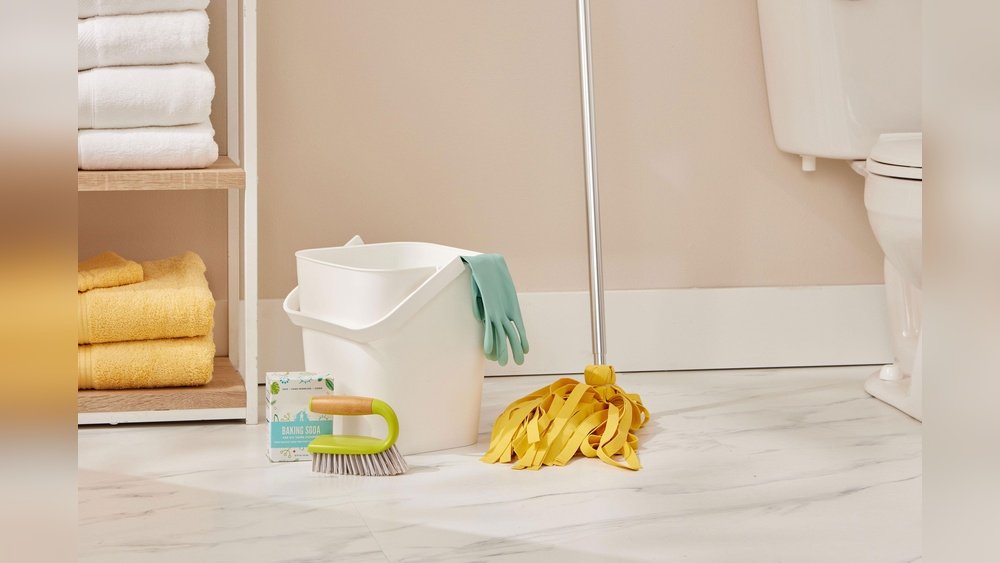
Many people believe they need special machines for outdoor tile cleaning. In reality, most jobs can be done with basic tools you may already have. Choosing the right tool can make cleaning faster, more effective, and less likely to damage your tiles.
Here are the essentials:
- Stiff-bristle brush (for scrubbing dirt and algae)
- Soft-bristle brush (for delicate tiles like natural stone or terracotta)
- Bucket (for mixing cleaner and water)
- Garden hose with spray nozzle (for rinsing)
- Mop or squeegee (for drying large areas)
- Pressure washer (optional, for tough stains and pavers)
- Protective gloves
- Cleaning solution (choose based on tile type)
- Broom (for sweeping loose debris)
- Plastic scraper (for stuck-on gunk)
Choosing The Right Cleaning Solution
There’s no one-size-fits-all cleaner for outdoor tiles. The wrong product can cause discoloration, surface damage, or even weaken grout lines.
- PH-neutral cleaners: Safe for most surfaces, especially natural stone.
- Oxygen bleach: Good for mold, mildew, and organic stains. Less harsh than chlorine bleach.
- Mild dish soap: Safe and effective for light cleaning.
- Specialty tile cleaners: Designed for tough stains, but always test a small area first.
- Avoid vinegar, ammonia, or acid-based cleaners on stone or terracotta.
Tip: Always check the manufacturer’s instructions for your tile type. When in doubt, test your cleaner on a hidden spot first.
Step-by-step Guide: How To Clean Outdoor Tiles Correctly
Cleaning outdoor tiles is a process, not just a single action. Rushing or skipping steps can make stains worse or damage your tiles. Here’s a proven method for a deep, safe clean.
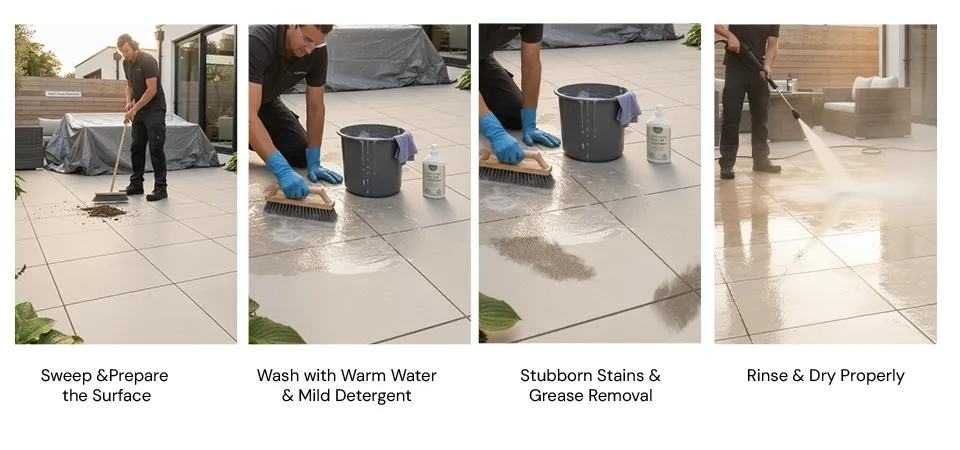
1. Remove Loose Dirt And Debris
Start by sweeping or blowing away leaves, soil, twigs, and dust. This prevents scratching and makes deep cleaning easier. For stubborn debris in grout lines, use a vacuum or narrow brush.
2. Wet The Surface
Rinse the tiles with a garden hose. Wetting the area helps soften dirt and makes scrubbing easier. It also prevents dry dust from becoming airborne.
3. Apply The Cleaning Solution
Mix your chosen cleaner with water according to package directions. For most jobs, a bucket of warm water with a small amount of cleaner works well. Apply the solution generously with a mop or brush.
- For greasy or oily stains, sprinkle baking soda on the spot before applying cleaner.
- For mold or algae, use an oxygen bleach solution. Avoid chlorine bleach, as it can damage plants and grout.
4. Scrub Thoroughly
Use your brush to scrub the tiles, focusing on stained or slippery areas. For textured or patterned tiles, scrub in both directions to reach all grooves. For large patios, work in sections to keep the cleaner from drying out.
- For grout lines, use a smaller brush or old toothbrush.
5. Let The Solution Sit
Allow the cleaning solution to soak for 5–10 minutes (unless the product says otherwise). This gives it time to break down dirt and stains. Avoid letting the cleaner dry completely, especially in hot weather.
6. Rinse Well
Rinse the tiles thoroughly with a garden hose. For deep stains or large areas, a pressure washer can save time. Use a low-pressure setting to avoid damaging grout or delicate tiles.
- If you see suds or residue, rinse again until the water runs clear.
7. Dry And Inspect
Use a mop or squeegee to remove excess water, especially on smooth or sloped surfaces. This prevents water spots and helps you spot missed stains. Let the tiles air dry completely before using the area.
8. Repeat Or Spot-treat As Needed
Some stains need extra attention. For stubborn spots, repeat the cleaning process or use a specialty spot cleaner. Always rinse well afterward.
Non-obvious insight: Many people forget to dry tiles or rush this step. Dampness encourages mold and makes tile surfaces slippery, so always let them dry fully.
Dealing With Common Outdoor Tile Problems
Some tile problems need special solutions. Here’s how to handle the most common outdoor tile issues:
Removing Moss, Algae, And Lichen
Green or black patches are usually moss, algae, or lichen. These make tiles slippery and dangerous.
- Use an oxygen bleach solution. Let it sit for 10–15 minutes before scrubbing and rinsing.
- Avoid metal brushes, which can scratch tile and encourage regrowth.
- For large areas, a pressure washer works well—use a wide spray and keep the nozzle at least 12 inches from the surface.
Getting Rid Of Oil And Grease Stains
Barbecue spills, car leaks, and oily food can leave tough stains.
- Sprinkle baking soda or cornstarch on the stain and let it sit for 30 minutes.
- Scrub gently with a soft brush and rinse.
- For old stains, use a degreasing tile cleaner. Avoid harsh solvents on natural stone or terracotta.
Removing Rust Stains
Metal furniture or garden tools can leave rust stains on tiles.
- Use a mild acid-based cleaner (like a diluted oxalic acid product) for porcelain or ceramic. Never use acid on natural stone.
- Rinse thoroughly and dry the area after treatment.
Cleaning Mold And Mildew
Mold and mildew thrive in damp, shaded areas.
- Mix oxygen bleach with water and scrub affected areas.
- Improve air flow and sunlight to discourage regrowth.
- Seal grout lines to keep moisture out.
Dealing With Efflorescence
Efflorescence appears as white, chalky residue on tile surfaces, usually from mineral deposits.
- Scrub with a stiff brush and water.
- For stubborn residue, use a commercial efflorescence remover (never on natural stone without checking compatibility).
Eliminating Weeds And Grass
Weeds often grow between outdoor tiles, especially in patios and driveways.
- Pull weeds by hand, getting as much root as possible.
- Use a vinegar-water solution on concrete pavers (not for stone or terracotta).
- Fill gaps with polymeric sand to block regrowth.
How Often Should You Clean Outdoor Tiles?
The right cleaning schedule keeps tiles beautiful and safe without wasting effort. Frequency depends on tile type, location, and local climate.
| Area | Recommended Cleaning Frequency | Reason |
|---|---|---|
| Patio/Deck | Every 1–2 months | High foot traffic, food/drink spills |
| Driveway/Walkway | Monthly | Oil, dirt, vehicle use |
| Poolside | Every 2–4 weeks | Water, algae, sunscreen |
| Shaded Courtyard | Every 2–4 weeks | Moss and mildew risk |
| Balcony | Seasonally (4x/year) | Lower use, less dirt |
Non-obvious insight: Cleaning more often with mild methods prevents heavy buildup, which means less need for harsh scrubbing or chemicals later.
Using Pressure Washers: Pros, Cons, And Safety Tips
Pressure washers are popular for outdoor tile cleaning, but they’re not always the best option. Used incorrectly, they can etch tile surfaces, erode grout, or force water under tiles.
When To Use A Pressure Washer
- On hard surfaces like concrete pavers or porcelain tiles
- For heavy moss, algae, or soil buildup
- When regular scrubbing doesn’t work
When To Avoid Pressure Washing
- On natural stone (slate, granite, marble)
- On terracotta or tiles with loose grout
- Near delicate landscaping
Tips For Safe Use
- Use the lowest pressure setting that gets results.
- Keep the nozzle 12–18 inches from the surface.
- Use a fan spray, not a pinpoint jet.
- Move in smooth, even strokes to avoid gouging.
- Rinse thoroughly and let tiles dry.
Pro tip: For delicate areas, attach a surface cleaner or use a garden hose with a strong spray nozzle instead.
Preventing Future Tile Stains And Damage
Cleaning is only part of tile care. Smart prevention makes your work easier and extends the life of your tiles.
Seal Your Tiles
Most natural stone and terracotta tiles need sealing to block water and stains. Porcelain and ceramic often don’t, but sealing grout lines is always smart.
- Apply a penetrating sealer every 1–2 years, following product instructions.
- Reseal after deep cleaning or pressure washing.
Manage Drainage
Standing water causes stains and encourages moss. Make sure your outdoor area slopes away from the house and clears water quickly.
- Clean gutters and drains regularly.
- Add drainage channels if you notice puddles.
Remove Debris Quickly
Don’t let leaves, dirt, or food sit on tiles. Sweep or rinse away debris often, especially after storms or parties.
Use Rugs And Mats
Place outdoor rugs or welcome mats at entrances to catch dirt before it reaches your tiles. Use non-slip, weather-resistant options.
Move Heavy Objects Carefully
Dragging furniture, grills, or planters can scratch or crack tiles. Lift or use protective pads under legs.
Trim Nearby Plants
Overhanging branches drop sap, berries, and leaves that stain tiles. Keep plants trimmed and choose less messy varieties for nearby landscaping.

Credit: jointit.com
Eco-friendly Outdoor Tile Cleaning
Many people want to avoid harsh chemicals, especially near gardens or pets. Eco-friendly cleaning is possible if you follow a few guidelines.
- Use biodegradable, pH-neutral cleaners.
- Try baking soda or vinegar on concrete (not stone).
- Rinse with buckets of water instead of hosing for less runoff.
- Sweep often to prevent buildup.
Note: Always check if “natural” solutions are safe for your tile type—vinegar, for example, damages stone and terracotta.
Common Cleaning Mistakes To Avoid
Even experienced homeowners make mistakes that can damage outdoor tiles. Avoid these pitfalls:
- Using acid or bleach on stone: Causes permanent etching and discoloration.
- Skipping regular cleaning: Makes stains set and increases slippery surfaces.
- Overusing the pressure washer: Damages grout and tile surfaces.
- Ignoring manufacturer guidelines: Can void warranties or cause unexpected problems.
- Leaving water to pool: Leads to stains, moss, or tile loosening.
- Not testing cleaners first: Risk of color loss or surface damage.
Experience-based tip: When in doubt, use the gentlest method first. You can always repeat or try a stronger solution if needed.
Credit: www.youtube.com
Professional Vs. Diy Outdoor Tile Cleaning
Should you clean your own outdoor tiles or hire a pro? The answer depends on the size of the area, type of tile, and severity of stains.
Diy Cleaning
- Cost-effective for small or moderately dirty areas
- Lets you control what products are used (good for pets, kids, or gardens)
- Satisfying if you enjoy hands-on home care
Professional Cleaning
- Best for large patios, deep stains, or delicate stone
- Pros have specialized equipment and knowledge
- Saves time and reduces risk of mistakes
Cost Comparison:
- DIY: Mostly supplies (cleaner, brushes, etc. ), usually under $50–$100 for standard patios
- Professional: Typically $0.50–$2 per square foot, depending on location and tile type
If you’re unsure, get a quote from a reputable local cleaning company. Many offer free estimates and can advise on the safest approach for your specific tiles.
Outdoor Tile Cleaning: Real-life Examples
A few real stories help show what works—and what doesn’t.
Case 1: Greasy Barbecue Patio
A homeowner noticed black, greasy stains on a porcelain patio after a summer of barbecues. They tried scrubbing with soap, but stains remained. Switching to oxygen bleach and letting it soak 10 minutes before scrubbing finally removed all marks. Sealing the grout afterward kept future stains from setting.
Case 2: Slippery Pool Deck
A family found their slate pool deck dangerously slippery with green algae. They used a pressure washer, but it damaged the surface, leaving white streaks. They learned to switch to a stiff brush and oxygen bleach, which cleaned the algae without harming the stone.
Now, they clean every three weeks and keep plants trimmed back for more sunlight.
Case 3: Faded Driveway Pavers
Concrete pavers on a driveway became dull and stained after years of neglect. A professional cleaning with a rotary surface cleaner and resealing restored the color and made cleaning easier in the future.
Lesson: Using the right cleaner, tool, and schedule for your specific tile makes all the difference.
Frequently Asked Questions
How Do I Clean Outdoor Tiles Without A Pressure Washer?
You can clean outdoor tiles effectively using a stiff-bristle brush, pH-neutral cleaner, and garden hose. Scrub the surface well, rinse thoroughly, and let the area dry. For tough stains, spot-treat with oxygen bleach or a specialty tile cleaner.
Can I Use Vinegar To Clean All Outdoor Tiles?
No. Vinegar is acidic and can damage natural stone and terracotta tiles, causing permanent etching or color loss. It’s safe for concrete pavers and porcelain but always test a small area first.
How Do I Prevent Mold And Algae On Outdoor Tiles?
Keep the area dry and sunny, sweep away debris, and clean regularly. Seal grout lines and tiles if possible. For ongoing problems, use an oxygen bleach solution every few weeks.
What Is The Safest Cleaner For Natural Stone Outdoor Tiles?
A pH-neutral stone cleaner is safest. Avoid acids, bleach, or harsh chemicals. Always check the manufacturer’s recommendations and test on a small spot first.
When Should I Call A Professional For Outdoor Tile Cleaning?
Call a professional if you have large areas, deep stains, delicate stone tiles, or if DIY cleaning isn’t working. Professionals have the right equipment and experience to avoid damage.
For more details on outdoor tile types and care, see the Tile Wikipedia page.
Keeping your outdoor tiles clean isn’t just about looks—it’s about safety, durability, and protecting your investment. With the right tools, regular care, and the smart tips in this guide, your outdoor spaces will stay beautiful and welcoming for years to come.