
Aluminum patio furniture is a popular choice for outdoor spaces. It’s lightweight, stylish, and resists rust better than many metals. But dirt, stains, and oxidation can still make it look old and worn. If you want your aluminum chairs, tables, and loungers to last for years, regular cleaning is essential.
Many people think cleaning aluminum furniture is easy—just spray with water and wipe. In reality, to keep it looking its best, you need the right steps, tools, and knowledge. This guide will show you exactly how to clean aluminum patio furniture, handle tough stains, and prevent damage.
You’ll also learn some practical tips that even experienced owners often overlook.
Why Aluminum Patio Furniture Needs Special Care
Aluminum is known for being durable and rust-resistant, but it’s not immune to outdoor elements. Over time, exposure to sun, rain, and pollution can cause:
- Dirt and grime buildup: Dust and pollen collect on surfaces, making them look dull.
- Stains: From food spills, bird droppings, or plant debris.
- Oxidation: A chalky white residue forms, often mistaken for mildew or mold.
- Discoloration: Sunlight can fade painted or powder-coated finishes.
Unlike wood or iron, aluminum won’t rot or rust easily, but it does require attention. If ignored, the furniture may lose its shine and structural integrity. Knowing how to clean it properly will extend its lifespan and keep your patio looking fresh.
Understanding Aluminum: Cast Vs. Wrought Vs. Tubular
Not all aluminum patio furniture is the same. The cleaning approach can change depending on the type you have. Here’s a quick comparison:
| Type | Features | Common Issues |
|---|---|---|
| Cast Aluminum | Heavy, one-piece, often ornate designs | Oxidation, paint chipping |
| Wrought Aluminum | Bent into shapes, lighter than cast | Surface scratches, fading |
| Tubular Aluminum | Hollow tubes, lightest option | Dents, oxidation at seams |
Tip: Always check the manufacturer’s recommendations before cleaning. Some finishes may have special care instructions.

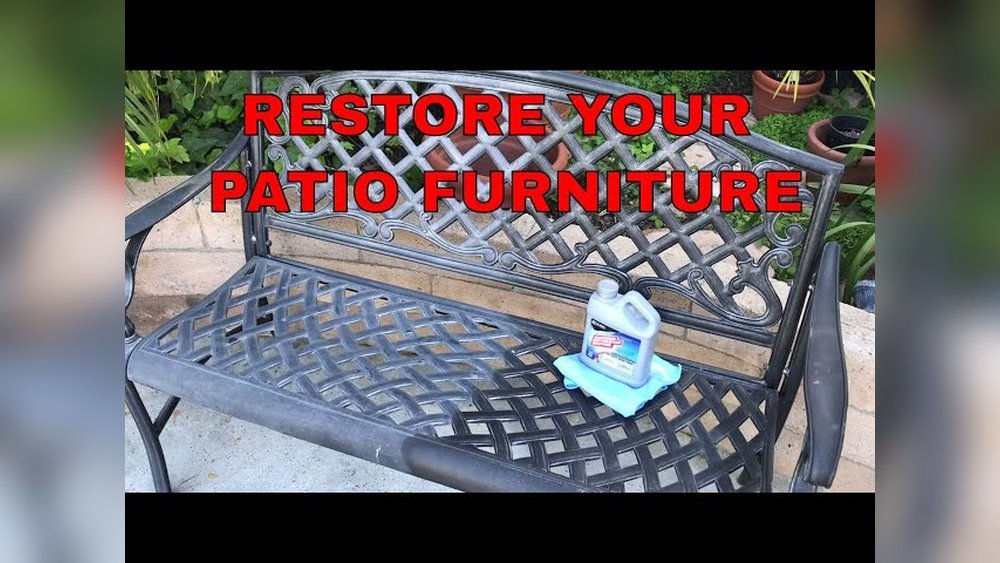
Credit: www.youtube.com
Essential Tools And Products For Cleaning Aluminum Furniture
Before you start, gather the right supplies. Using the wrong tools can scratch the finish or make stains worse. Here’s what you’ll need for most cleaning jobs:
- Soft-bristle brush: Avoid wire brushes, which scratch aluminum.
- Microfiber cloths: For wiping and drying.
- Bucket of warm water
- Mild dish soap
- White vinegar or lemon juice: For tough stains and oxidation.
- Baking soda: Helps with stubborn spots.
- Garden hose with spray nozzle
- Non-abrasive sponge
- Protective gloves
- Optional: Car wax or a specialized metal polish for extra shine
Avoid harsh chemicals like bleach, ammonia, or abrasive powders. These can damage the finish and cause pitting.
Step-by-step: How To Clean Aluminum Patio Furniture
Cleaning aluminum furniture doesn’t have to be difficult. Follow these steps for the best results:
1. Remove Cushions And Accessories
Start by taking off any cushions, pillows, or decorations. These should be cleaned separately, following their care labels.
2. Rinse Off Loose Dirt
Use a garden hose to rinse away dust, pollen, and loose debris. Spray all surfaces, including the undersides and legs. This step prevents dirt from scratching the metal during scrubbing.
3. Wash With Soapy Water
Mix a few drops of mild dish soap in a bucket of warm water. Dip a soft-bristle brush or sponge into the soapy solution. Scrub the furniture gently, working on small sections at a time. Pay extra attention to corners, joints, and crevices where dirt often hides.
4. Tackle Stains And Spots
For stubborn stains, use a paste of baking soda and water. Apply it to the stain, let it sit for 5-10 minutes, then scrub gently. For bird droppings or tree sap, soak the area with a cloth soaked in soapy water before scrubbing.
If you see a chalky white film (oxidation), mix equal parts white vinegar and water. Wipe the affected areas with a cloth soaked in this solution. Rinse well afterward.
5. Rinse Thoroughly
Once you’ve finished scrubbing, rinse the furniture again with the hose. Make sure to wash away all soap, baking soda, or vinegar residue. Leftover cleaning agents can dull the finish or attract more dirt.
6. Dry Properly
Wipe down the furniture with a microfiber cloth. Drying prevents water spots and streaks. For best results, let the furniture air-dry in a shaded area to avoid sun streaks.
7. Polish (optional)
To restore shine and add a protective layer, use a small amount of car wax or a specialized aluminum polish. Follow the product instructions, buffing with a clean, dry cloth. This step helps repel dirt and water in the future.
Dealing With Oxidation: The White Chalky Problem
Oxidation is a common issue with aluminum patio furniture. It looks like a white, powdery film, especially on older or untreated pieces. This is not mold—it’s a natural reaction between aluminum and oxygen. While it doesn’t usually harm the metal, it can make furniture look old.
How To Remove Oxidation
- Clean the surface with soapy water and dry completely.
- Apply a vinegar solution (equal parts white vinegar and water) to affected areas.
- Scrub gently with a non-abrasive sponge.
- Rinse well to remove any vinegar.
- Dry and polish as described earlier.
Non-obvious tip: Oxidation often returns if the furniture is left unprotected. Applying a thin layer of car wax after cleaning can slow down this process.
Preventing Damage: What Not To Do
Many people make mistakes when cleaning aluminum patio furniture. Here are some things to avoid:
- Don’t use steel wool or abrasive pads. These scratch the surface and make it easier for dirt and oxidation to return.
- Don’t use harsh chemicals. Bleach, ammonia, and strong acids can discolor or pit the aluminum.
- Don’t pressure wash at close range. High-pressure water can dent soft aluminum or strip off protective coatings.
- Don’t let water sit. Always dry the furniture after washing to prevent mineral stains.
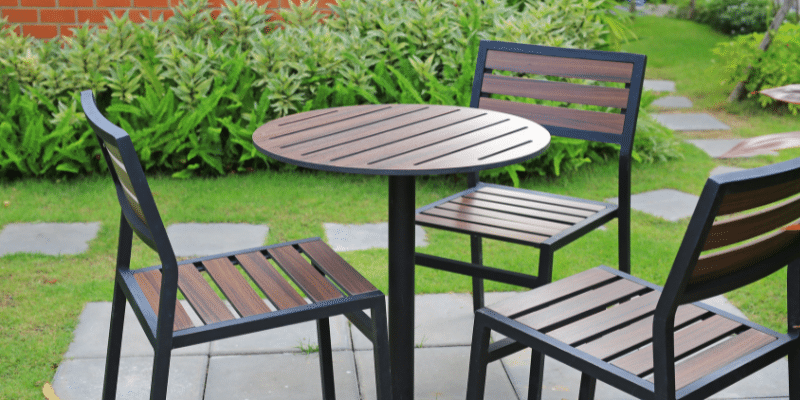
Credit: www.oakvillehomeleisure.ca
Cleaning Painted Or Powder-coated Aluminum
Most modern aluminum furniture is either painted or powder-coated. This finish adds color and extra protection, but it’s also sensitive to some cleaners.
To clean painted or coated aluminum:
- Use only mild soap and water.
- Avoid scrubbing too hard, especially on edges or corners.
- Never use paint thinners or solvents.
- For light scratches, a little car wax can help mask the marks.
- If the coating is peeling or chipped, consider touch-up paint recommended by the manufacturer.
How Often Should You Clean Aluminum Patio Furniture?
Frequency depends on your climate and usage:
| Climate/Usage | Recommended Cleaning Frequency |
|---|---|
| Humid or coastal areas | Once a month |
| Dry, mild climates | Every 2-3 months |
| After storms/heavy pollen | As needed |
| Light seasonal use | At least twice a year |
Extra tip: Even if you don’t use your patio often, check for dirt or stains every few weeks. Early cleaning is always easier.
Removing Common Stains From Aluminum Furniture
Different stains require different cleaning methods. Here’s how to handle some of the most common ones:
Food And Drink Spills
- Wipe up spills right away with a damp cloth.
- For sticky spots, use soapy water and a soft brush.
Bird Droppings
- Soak the area with soapy water for 10-15 minutes.
- Scrub gently and rinse.
Tree Sap Or Sticky Residue
- Apply a cloth soaked in warm, soapy water to the spot.
- For tough sap, try a small amount of rubbing alcohol on a cloth (test in a hidden area first).
- Rinse thoroughly.
Rust Stains From Other Metals
- Use a paste of baking soda and water.
- Scrub gently, rinse well.
Mold And Mildew
- True mold is rare on aluminum, but sometimes organic debris causes spots.
- Clean with soapy water and a touch of vinegar.
Non-obvious insight: Often, what looks like mold on aluminum is actually pollen, dust, or oxidation. Don’t use bleach—stick with mild cleaners.
Deep Cleaning: When A Simple Wash Isn’t Enough
If your furniture hasn’t been cleaned for a long time, or if it’s covered in thick grime, follow these steps for a deep clean:
- Rinse thoroughly to remove surface dirt.
- Mix a stronger cleaning solution: 1/4 cup white vinegar and 1/4 cup baking soda in a gallon of warm water.
- Scrub all surfaces with a soft brush or sponge.
- Let the solution sit on tough spots for up to 20 minutes.
- Rinse completely and dry.
- Polish with car wax for extra protection.
If you still see dark stains or spots after deep cleaning, the finish may be damaged. In this case, consider refinishing or repainting the furniture.
Maintenance Tips To Keep Aluminum Furniture Looking New
Regular maintenance saves time and keeps your furniture beautiful. Here are some best practices:
- Cover your furniture when not in use. Use breathable covers to prevent moisture buildup.
- Store indoors during winter or long periods of non-use.
- Inspect regularly for scratches, chips, or oxidation.
- Apply car wax every few months to protect the finish.
- Clean spills quickly to prevent permanent stains.
Pro tip: Place rubber or felt pads under chair and table legs to prevent scratches on both the furniture and your patio surface.
Aluminum Vs. Other Outdoor Furniture Materials
How does aluminum compare to other common outdoor materials when it comes to cleaning and maintenance? Here’s a quick side-by-side:
| Material | Cleaning Difficulty | Common Issues | Maintenance Needs |
|---|---|---|---|
| Aluminum | Easy | Oxidation, fading | Low |
| Wood | Moderate | Rot, warping, mildew | High |
| Wrought Iron | Moderate | Rust, chipping | Medium |
| Plastic/Resin | Easy | Fading, cracking | Low |
Aluminum stands out for being lightweight, rust-resistant, and easy to clean—making it a favorite for patios and decks.

Credit: shop4patio.com
Eco-friendly Cleaning Solutions For Aluminum Patio Furniture
If you prefer green cleaning, you can make safe and effective cleaners at home. Here are two options:
- Vinegar Solution: Mix 1 cup white vinegar with 1 quart warm water. Use for wiping and stain removal.
- Baking Soda Paste: Mix 3 tablespoons baking soda with enough water to form a paste. Works well on spots and mild oxidation.
These natural cleaners are safe for most finishes and won’t harm plants or pets. Avoid using citrus-based cleaners on coated surfaces, as they may dull the finish over time.
Repairing Minor Damage: Scratches, Chips, And Dents
Sometimes, cleaning reveals minor damage. Here’s how to handle common issues:
Scratches
- For small, light scratches, buff gently with a non-abrasive pad and apply car wax.
- For deeper scratches on painted or powder-coated surfaces, use touch-up paint from the manufacturer.
Chips
- Clean the area, let it dry, and apply touch-up paint.
- For larger chips, sand smooth before painting.
Dents
- Small dents in tubular aluminum can sometimes be pushed out from the inside.
- For serious dents, professional repair may be needed.
Non-obvious insight: Never use auto body filler or wood putty on aluminum. These can trap moisture and cause corrosion.
When To Call A Professional
Most cleaning and minor repairs can be done at home. But you should consider professional help if:
- The furniture has deep oxidation or corrosion that won’t come off.
- Large areas of paint or coating are peeling.
- Structural damage (like bent frames) affects safety.
A pro can sandblast, repaint, or refinish the furniture for a like-new look.
Storing Aluminum Patio Furniture For Winter
Aluminum is weather-resistant, but winter storage will extend its life. Follow these steps:
- Clean the furniture thoroughly and let it dry.
- Apply car wax or a protective spray.
- Store in a dry, covered area if possible.
- Use breathable covers to prevent condensation and mildew.
Do not wrap furniture in plastic. Trapped moisture can still cause damage, even on aluminum.
Mistakes To Avoid When Cleaning Aluminum Patio Furniture
Even experienced owners sometimes make these errors:
- Cleaning in direct sunlight—can cause water spots and streaks.
- Using too much water pressure—can dent or bend frames.
- Ignoring small chips or scratches—leads to bigger problems later.
- Forgetting to rinse off soap or vinegar—leaves a sticky residue.
- Storing furniture while damp—encourages mold on cushions and frames.
Pro tip: Clean on a cloudy day or in the shade for the best results.
The Benefits Of Regular Cleaning
Why invest time in cleaning aluminum patio furniture? Here are some convincing reasons:
- Longer lifespan: Prevents buildup that can weaken the metal.
- Better appearance: Keeps your outdoor space inviting.
- Higher resale value: Clean, well-kept furniture sells for more.
- Healthier environment: Reduces allergens and bacteria outdoors.
Regular care is simple, but the payoff is big. Your patio will always be ready for relaxing, entertaining, or enjoying a quiet cup of coffee.
Frequently Asked Questions
What’s The Best Cleaner For Aluminum Patio Furniture?
Mild dish soap and warm water is the safest choice for regular cleaning. For tough stains or oxidation, white vinegar mixed with water works well. Avoid strong chemicals like bleach or ammonia, which can damage the finish.
How Do I Remove Oxidation From Aluminum Furniture?
Mix equal parts white vinegar and water. Apply with a soft cloth, scrub gently, then rinse and dry. For stubborn spots, a paste of baking soda and water can help. Always test in a hidden area first.
Can I Use A Pressure Washer On Aluminum Patio Furniture?
It’s best to avoid using a pressure washer, especially at close range. The force can dent soft aluminum and strip away protective coatings. If you must use one, keep the pressure low and the nozzle at least two feet away.
How Do I Protect Aluminum Furniture From Outdoor Elements?
Apply a thin layer of car wax or metal polish every few months to repel water and dirt. Use covers when not in use, and store furniture indoors during harsh weather. Quick cleaning after storms or heavy pollen helps prevent stains.
Is It Safe To Use Vinegar Or Lemon Juice On Powder-coated Aluminum?
Yes, in most cases, but use a diluted solution (equal parts water and vinegar or lemon juice). Avoid scrubbing too hard or letting it sit for a long time, as strong acids can dull some finishes. Always rinse well and dry after cleaning.
For more in-depth information about aluminum and its care, you can visit the Wikipedia page on Aluminum.
Taking care of your aluminum patio furniture isn’t just about looks—it’s about making your investment last for years. With these tips, you can enjoy a clean, comfortable, and welcoming outdoor space season after season.