
Are you tired of guessing how much water your garden really needs? Choosing the right watering kit can make all the difference in keeping your plants healthy and thriving without wasting water or time.
But with so many options out there—drip systems, soaker hoses, spray kits—how do you pick the one that fits your garden perfectly? In this guide, you’ll discover simple tips to help you select the ideal watering kit tailored to your garden’s size, plant types, and your daily routine.
Keep reading to unlock the secret to effortless watering and watch your home garden flourish like never before.
Types Of Watering Kits
Choosing the right watering kit is essential for a healthy garden. Different kits suit different needs. Understanding the types of watering kits helps you pick the best one. Each type has unique features and benefits. The main types include soaker hoses, drip irrigation, and spray systems.
Soaker Hoses
Soaker hoses release water slowly along their length. They deliver water directly to the soil. This reduces water waste and keeps leaves dry. Soaker hoses work well for flower beds and vegetable gardens. They are easy to install and affordable.
Drip Irrigation
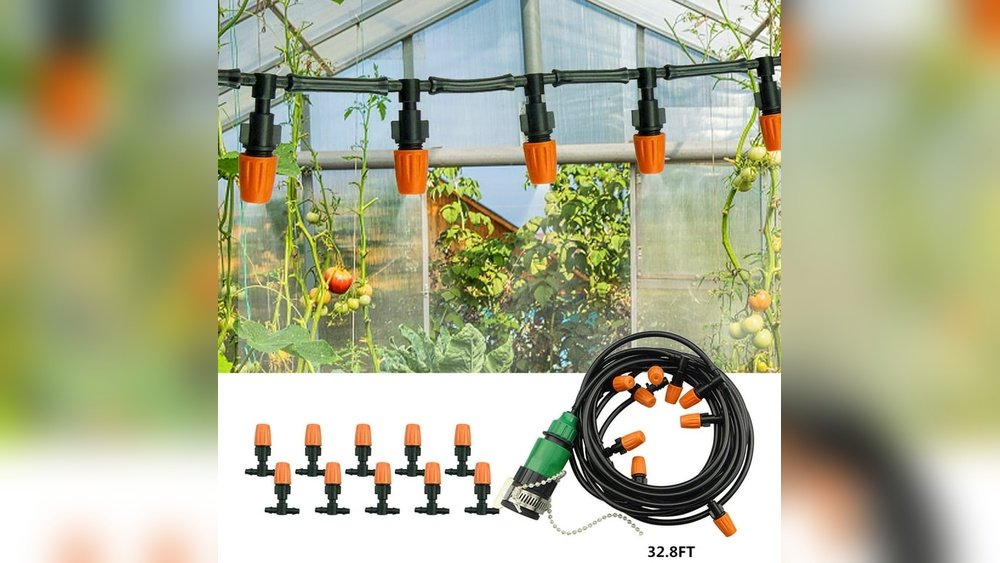
Drip irrigation uses small tubes to deliver water near plant roots. It is very efficient and conserves water. This system is great for gardens with many plants. It prevents overwatering and helps control weeds. Drip kits can be automated for convenience.
Spray Systems
Spray systems distribute water over a large area through nozzles. They are ideal for lawns and large garden spaces. Sprays provide even coverage and quick watering. Some systems offer adjustable spray patterns. They may use more water than soaker or drip systems.
Credit: plantin.alibaba.com
Assessing Garden Needs
Assessing your garden’s needs is the first step in selecting the right watering kit. Understanding specific requirements helps prevent water waste and supports healthy plant growth. Careful evaluation ensures the watering system matches your garden perfectly.
Plant Types And Water Requirements
Different plants need different amounts of water. Some prefer moist soil, while others thrive with less water. Identify your plants’ water needs before choosing a watering kit. This avoids overwatering or underwatering. For example, vegetables often need more water than succulents.
Garden Layout And Size
The shape and size of your garden affect the watering system choice. Large gardens may need automated systems with timers. Small gardens work well with simple hose setups or drip systems. Consider access to water sources and how easy it is to move hoses or components.
Soil And Climate Considerations
Soil type impacts how water is absorbed and retained. Sandy soils drain quickly and may need frequent watering. Clay soils hold water longer, requiring less frequent watering. Climate also matters. Hot, dry climates increase water needs. Cooler, humid areas need less frequent watering.
Key Features To Consider
Choosing the right watering kit for your home garden depends on several important factors. These features ensure your plants get the right amount of water efficiently. Understanding these key points helps you pick a kit that works best for your garden size and plant types.
Water Pressure And Flow Rate
Water pressure affects how water flows through the system. A kit with proper pressure avoids leaks and uneven watering. Check the flow rate to match your garden’s needs. Too high or too low flow can harm plants or waste water.
Ease Of Installation
Simple setup saves time and effort. Choose a kit with clear instructions and few parts. Kits that connect easily to your existing water source reduce hassle. Quick installation means you can start watering your garden sooner.
Durability And Materials
Strong materials last longer under sun and water exposure. Look for kits made from UV-resistant plastic or metal parts. Durable kits resist cracks and wear. This ensures your watering system works well season after season.

Credit: nithio.com
Benefits Of Automated Systems
Automated watering systems bring many benefits to home gardens. They save time and effort by handling watering tasks. These systems help plants stay healthy by providing water regularly. Home gardeners enjoy easier care and better plant growth. Below are key benefits of automated watering kits.
Timers And Controllers
Timers let you set watering schedules. You choose the best time and length for watering. Controllers manage multiple zones in your garden. This ensures each plant gets the right amount of water. Automation reduces the risk of overwatering or underwatering. Your garden stays well-watered even if you are away.
Water Conservation
Automated systems use water efficiently. They deliver water directly to the plants’ roots. This reduces water waste from evaporation or runoff. Timed watering avoids watering during hot or windy times. Saving water helps the environment and lowers your water bill. Smart systems adjust watering based on weather conditions.
Consistent Moisture Levels
Plants need steady moisture to grow well. Automated kits keep soil moisture stable. This supports strong roots and healthy leaves. Consistent watering reduces plant stress and disease risk. Your garden stays lush without dry or soggy spots. This is especially useful for delicate or new plants.
Budget And Maintenance
Choosing a watering kit for your home garden involves thinking about budget and maintenance. These factors affect how much you spend now and later. Also, they influence how easy the system is to keep working well. Understanding costs and upkeep helps you pick a kit that fits your needs and wallet.
Initial Costs
Initial costs include the price of the watering kit and any extra tools. Some kits come fully equipped, while others need more parts. Basic kits cost less but may lack features. More advanced kits can be expensive but save water and time. Choose a kit that matches your budget and garden size.
Upkeep And Repairs
Regular upkeep keeps your watering system running smoothly. Check for leaks and blockages often. Clean filters and nozzles to avoid clogs. Repairs might be needed for damaged tubes or connectors. Simple systems usually require less maintenance. More complex systems may need frequent care and expert help.
Replacement Parts Availability
Replacement parts should be easy to find. Common parts include tubes, connectors, and drippers. Check if the brand sells spare parts separately. Some kits use universal parts, which are easier to replace. Hard-to-find parts can cause long downtime. Choose kits with good support and available replacements.
Tips For Installation
Installing a watering kit correctly ensures your garden receives water efficiently. Follow simple steps to set up the system right. Good installation saves water and keeps plants healthy.
Planning The Layout
Start by mapping your garden area. Identify where plants need water the most. Sketch the garden shape and mark plant positions. Plan pipe routes to cover all plants without overlap. Keep water source location in mind for easy connection. Avoid sharp bends in pipes to maintain flow. Measure distances to buy the right pipe length.
Testing The System
After laying out pipes and sprinklers, turn the system on. Check each nozzle for water flow. Look for leaks or blockages in pipes and joints. Make sure water reaches all plants evenly. Watch for dry spots or overwatered areas. Fix any leaks or loose connections immediately. Testing early prevents water waste and plant stress.
Adjusting For Optimal Coverage
Adjust sprinkler heads or drip emitters for best reach. Rotate or tilt heads to target specific plants. Change emitter flow rates if needed to balance watering. Space emitters properly to avoid dry patches. Monitor the garden after a few days and tweak settings. Proper adjustment saves water and supports plant growth.
Common Mistakes To Avoid
Choosing the right watering kit is crucial for a healthy garden. Many gardeners make simple mistakes that can harm plants and waste water. Avoiding these errors helps your garden thrive and saves time and money. Below are common mistakes to watch out for when selecting and using a watering kit.
Overwatering Or Underwatering
Too much water can drown plant roots and cause disease. Too little water makes plants weak and dry. Choose a watering kit that controls water flow well. Set timers or drip systems to match your plants’ needs. Monitor soil moisture regularly to avoid these problems.
Ignoring Plant Diversity
Different plants need different watering methods and amounts. Using one watering style for all plants can cause stress. Group plants by their water needs and select a kit that serves each group. Drip irrigation works well for varied plant types in one garden.
Neglecting Regular Maintenance
Watering kits need care to work correctly over time. Clogged nozzles, broken tubes, and leaks reduce efficiency. Check your system often and clean parts as needed. Regular maintenance keeps water flowing evenly and prevents damage to plants.
Credit: plantin.alibaba.com
Frequently Asked Questions
What Type Of Watering Kit Suits Home Gardens Best?
Drip irrigation kits are ideal for home gardens. They save water, target plant roots, and reduce weed growth effectively.
How To Select A Watering Kit For Different Plants?
Choose adjustable kits that allow varying water flow. This meets diverse plant needs from delicate flowers to sturdy shrubs.
Are Automated Watering Kits Beneficial For Home Gardens?
Yes, automated kits provide consistent watering schedules. They save time, prevent overwatering, and promote healthy plant growth effortlessly.
What Factors Affect The Cost Of Watering Kits?
Kit price depends on size, features, and brand. Basic kits cost less, while automated and expandable kits are pricier.
Conclusion
Choosing the right watering kit helps your garden grow healthy and strong. Think about your plants’ needs and garden size first. Consider ease of use and water savings too. Pick a system that fits your budget and skill level. Regular watering keeps plants happy and green.
A good watering kit makes gardening simpler and more fun. Start small, learn, and adjust as your garden grows. Keep your plants well-watered for a beautiful home garden all year.