
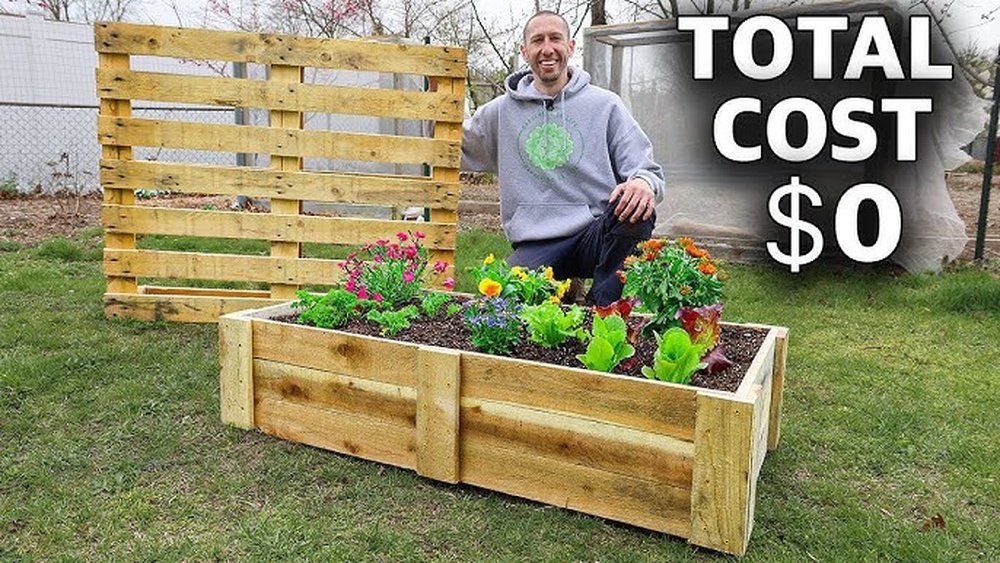
Creating your own garden is a wonderful project, but the cost of supplies can sometimes put people off. Raised garden beds are a popular choice for growing vegetables, herbs, and flowers, but store-bought kits and lumber can be expensive. The good news is, you don’t have to spend a lot to make a productive, beautiful raised bed.
With smart planning, some simple tools, and a few tricks, you can create a raised bed that’s sturdy and looks good—without hurting your wallet.
This guide will show you step by step how to build a raised garden bed cheap. You’ll learn about choosing low-cost materials, finding free or recycled supplies, and simple construction methods that even beginners can handle. You’ll also see practical tips for filling your bed with rich soil, what to plant, and how to keep costs low for years to come. By the end, you’ll have the knowledge and confidence to start your own garden—no matter your budget or building skills.
Why Build A Raised Garden Bed?
Raised beds offer many benefits, especially for new gardeners or those with poor native soil. They allow you to control your soil quality, improve drainage, and make gardening easier on your back and knees. Raised beds also help prevent soil compaction and can reduce weed problems.
But perhaps the biggest draw is that they offer a neat, organized look and can fit almost any space—even small backyards or patios.
Building your own raised bed can save you money and let you customize the size and shape. But the real magic happens when you find ways to keep costs down without sacrificing quality or durability.
Planning Your Raised Garden Bed
Before you start collecting materials, take a little time to plan. This step is important for making sure you don’t waste money or effort.
Choosing The Location
Look for a sunny spot. Most vegetables and flowers need at least 6-8 hours of sunlight a day. Avoid low areas that collect water, as too much moisture can cause root rot or attract pests.
Think about convenience. Place your bed near a water source, and somewhere you’ll see it often so you remember to water and tend your plants.
Picking The Size
A common size for raised beds is 4 feet by 8 feet, with a height of 12 to 24 inches. Four feet is a good width because you can reach the middle from either side without stepping on the soil. But you can make your bed smaller or larger depending on your space and budget.
A taller bed (18-24 inches) is better for people with mobility issues, but costs more to fill. Even a 6-8 inch high bed works if you have decent ground underneath.
How Many Beds Should You Build?
For beginners, start with one or two. It’s better to start small and expand later. Each bed can grow a surprising amount of food.
Measuring And Marking
Use stakes and string or a garden hose to mark out the area. Check that the bed is square by measuring diagonally from corner to corner—the distances should match.
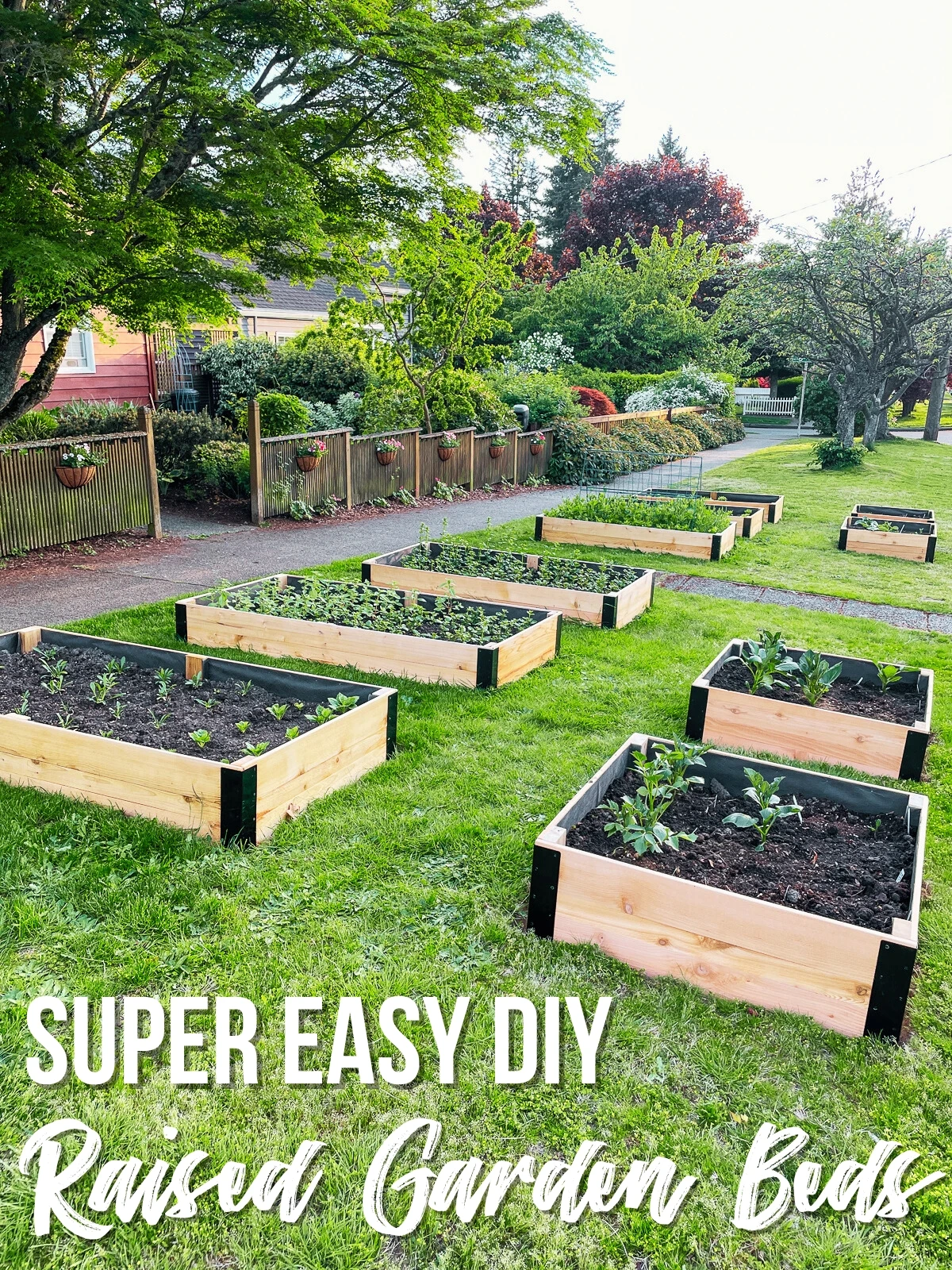
Credit: www.thehandymansdaughter.com
Finding Cheap Or Free Materials
One of the biggest costs in garden beds is the building material. But with some creativity, you can find many options that are cheap, free, or recycled.
Best Low-cost Materials
1. Untreated Pine Boards
Pine is affordable and easy to work with. Make sure the wood is untreated to avoid chemicals leaching into your soil. Pine won’t last as long as cedar, but it can still give you several good years.
2. Pallet Wood
Old shipping pallets are often available for free from stores or warehouses. Look for pallets marked “HT” (heat-treated) rather than “MB” (methyl bromide, a chemical treatment). Disassemble the pallets and use the boards for your bed.
3. Concrete Blocks Or Bricks
These are heavy, but they last almost forever. Sometimes you can find used blocks on classifieds or at construction sites.
4. Upcycled Materials
Get creative! Old fence panels, scrap lumber, or even corrugated metal can all work. Just avoid materials with paint, chemicals, or rot.
5. Logs Or Branches
If you have access to fallen trees or large branches, you can stack them to form a rustic bed.
6. Raised Bed Kits
Sometimes, local stores have clearance sales or damaged kits at a discount. These can be a good option if you don’t want to build from scratch.
Where To Find Free Or Cheap Supplies
- Construction sites (ask for scraps or extras)
- Local hardware stores (check the clearance bin)
- Online classifieds (like Craigslist or Facebook Marketplace)
- Community “free” groups
- Neighbors or friends doing remodeling projects
What To Avoid
Never use pressure-treated lumber made before 2003, old railroad ties, or painted/treated wood, as they may contain toxic chemicals. When in doubt, research or ask a professional.
Material Comparison
Here’s a quick comparison to help you decide which material might work best for you:
| Material | Cost | Durability | Ease of Use | Safety for Edibles |
|---|---|---|---|---|
| Pine Boards | Low | 3-7 years | Easy | Yes |
| Pallet Wood | Free/Low | 2-5 years | Medium | Check for HT mark |
| Concrete Blocks | Medium | 20+ years | Hard | Yes |
| Scrap Wood | Free/Low | Varies | Medium | Check for chemicals |
Step-by-step: Building A Cheap Raised Garden Bed
Now, let’s walk through the process of building a simple and inexpensive raised bed using basic tools and materials.
Tools You’ll Need
- Saw (hand saw or circular saw)
- Drill or screwdriver
- Measuring tape
- Hammer
- Screws or nails (galvanized are best)
- Work gloves
- Level (optional, but helpful)
If you’re using concrete blocks, you’ll need a shovel and possibly a mallet.
Basic Bed Design
The most common and cheapest design uses four boards screwed together to make a rectangle. Here’s how you do it with pine boards or pallet wood.
Step 1: Cut Your Boards
For a 4×8 foot bed, you’ll need:
- Two 8-foot boards (for the long sides)
- Two 4-foot boards (for the short sides)
If your boards are 2 inches thick and 8-12 inches wide, that’s perfect. Cut the boards to length if needed.
Step 2: Assemble The Frame
Lay out the boards in a rectangle. Place the short boards inside the long ones at each corner. Use 2-3 screws per corner to attach. Pre-drill holes if your wood tends to split.
Check that the frame is square by measuring diagonally. Adjust as needed.
Step 3: Level The Ground
Remove grass or weeds under the area. You can use a shovel to level the ground, but it doesn’t have to be perfect. If you’re placing the bed on pavement or gravel, just make sure it sits flat.
If you want, lay down cardboard or several layers of newspaper to block weeds and grass. This will break down over time and improve your soil.
Step 4: Set The Frame In Place
Move your assembled frame to the marked spot. Check with a level if you want, but a little unevenness is okay.
If you live in a windy area, or have kids and pets, you can drive wooden stakes into the corners for extra support.
Step 5: (optional) Stack Another Layer
If you want a taller bed, make a second rectangle and stack it on top of the first, screwing the corners together.
Step 6: Fill The Bed
Now comes a key part—filling your raised bed cheaply, but with good soil for plants.

Credit: www.youtube.com
How To Fill A Raised Bed Cheap
Buying dozens of bags of garden soil can be very expensive. Here are ways to fill your raised garden bed cheap while still providing rich soil for your plants.
Layered Soil Method (lasagna Gardening)
This method uses layers of organic materials that break down over time, topped with good soil or compost. It’s a great way to recycle yard waste and reduce costs.
Steps:
- Bottom Layer: Start with cardboard or several sheets of newspaper to block weeds.
- Bulk Material: Add sticks, twigs, or old leaves. These provide drainage and take up space.
- Compost Layer: Add a layer of unfinished compost, grass clippings, or kitchen scraps.
- Soil/Compost Mix: Top with 6-8 inches of good garden soil, compost, or a mixture.
This method saves money and creates fertile soil as the bottom layers break down.
Where To Get Cheap Or Free Soil
- Community compost sites often give away or sell finished compost for a low price.
- Local farms may have aged manure or compost.
- Leaf mold or decomposed leaves can be collected in fall.
- Neighbors with garden projects may have soil to share.
Soil Mix Comparison
Here’s a comparison of different ways to fill your bed, with approximate costs and pros/cons:
| Filling Method | Cost (per 4×8 bed) | Pros | Cons |
|---|---|---|---|
| Bagged Garden Soil | $80-$150 | Easy, clean, consistent | Expensive, plastic waste |
| Layered Lasagna | $0-$40 | Cheap, recycles waste, improves soil | May settle/compact, needs time |
| Bulk Topsoil + Compost | $20-$70 | Balanced, good for most plants | May contain weeds, variable quality |
Tips For Better Soil
- Aim for at least 6-8 inches of good soil on top.
- Mix compost and topsoil if possible.
- Avoid filling beds with only sand or clay—plants won’t thrive.
- If you have worms in your soil, that’s a good sign! They help break down organic matter.
Cheap Raised Bed Designs: Examples
Here are three practical designs you can build on a budget, with a short outline of their pros and cons.
1. Basic Pine Board Bed
- Four pine boards, assembled as above
- Lasts 3-7 years
- Simple, classic look
- Cost: $20-$50, depending on lumber prices
2. Pallet Wood Bed
- Disassemble heat-treated pallets
- Use the boards for sides, stacking for height
- Rustic look, costs almost nothing
- May take more time to build and find good pallets
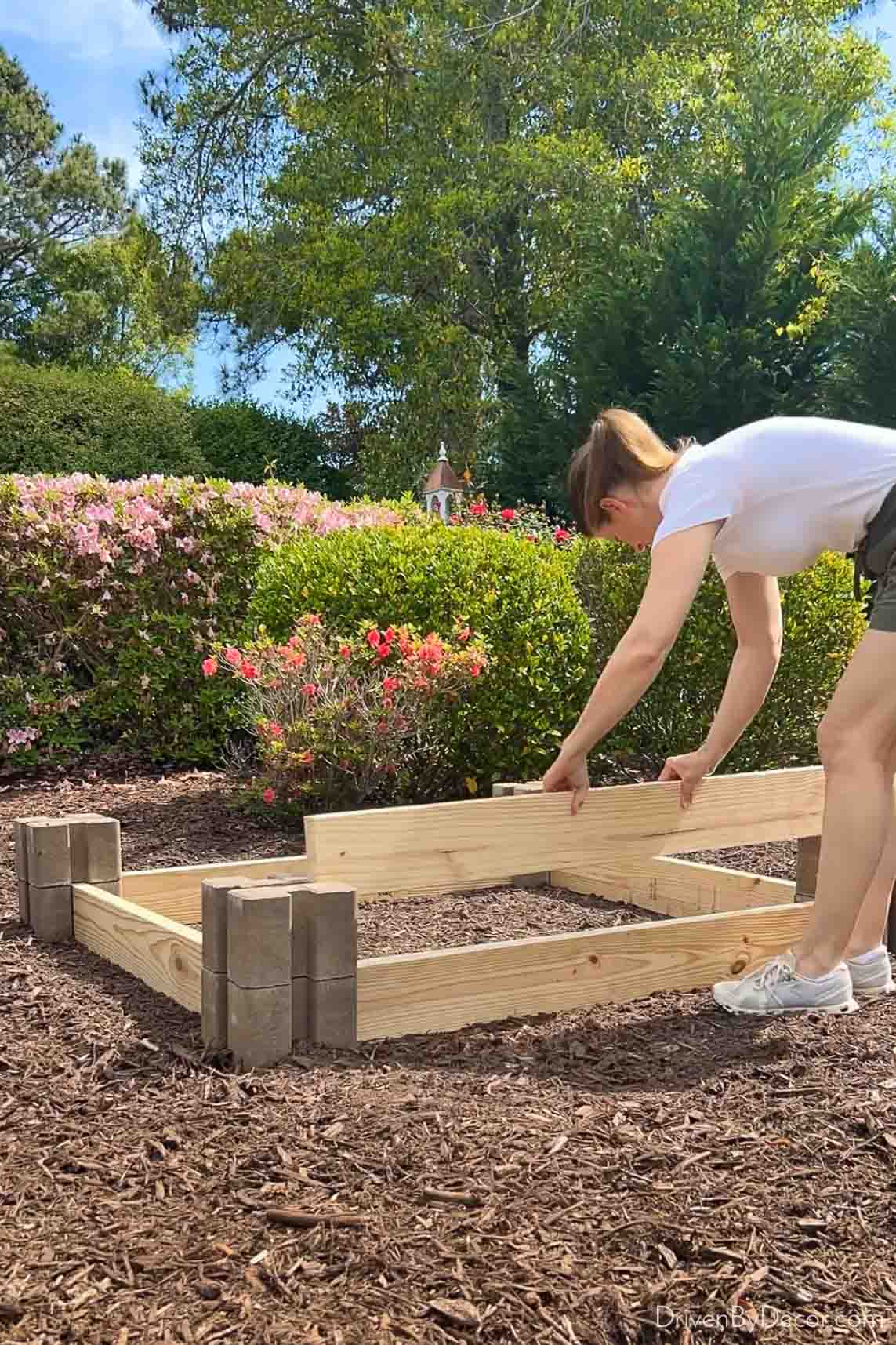
3. Concrete Block Bed
- Arrange concrete blocks in a rectangle, 2 blocks high
- No cutting or nailing required
- Extremely durable, but heavy to move
- Slightly higher up-front cost, but lasts decades
If you want even more ideas, the Gardener’s Supply Company offers visual examples and instructions.
Credit: www.drivenbydecor.com
Keeping Costs Down: Smart Tips
Saving money goes beyond just building your bed. Here are some insider tips:
- Use mulch (like wood chips, straw, or leaves) on top of your soil to keep weeds down and moisture in.
- Make your own compost from kitchen scraps and yard waste.
- Plant seeds instead of buying started plants. Seeds are much cheaper and give you more variety.
- Group plants with similar water needs to avoid waste.
- Reuse old containers, buckets, or even fabric bags for small “bonus” beds.
Common Mistakes To Avoid
Even a cheap project can end up costing more if you make certain mistakes. Watch out for these:
- Using Treated or Toxic Materials
- As mentioned earlier, some wood or old building materials can leach chemicals into your soil. Always check before using.
- Building Beds Too Wide
- If you can’t reach the middle, you’ll end up stepping on your soil, which leads to compaction and poor plant growth.
- Not Planning for Drainage
- Raised beds drain better than ground-level gardens, but you still need to avoid low spots or heavy clay soils underneath.
- Filling with Poor Soil
- Don’t use only sand, pure clay, or subsoil. Your plants need nutrients and good structure.
- Ignoring Your Budget
- It’s easy to get carried away with extras. Start simple, and add more later if you like.
What To Plant In Your Cheap Raised Garden Bed
The beauty of raised beds is that almost any plant can thrive if you provide good soil and water. If you’re new, start with easy and productive crops.
Best Vegetables For Raised Beds
- Lettuce and greens: Fast-growing, can be harvested multiple times.
- Radishes: Quick and reliable.
- Carrots: Loose soil in raised beds is perfect for straight roots.
- Tomatoes: Need support, but do well in deep, rich soil.
- Beans and peas: Climbing varieties can save space.
- Herbs: Parsley, basil, cilantro, and chives are all easy.
Flowers And Companion Plants
- Marigolds: Help repel pests.
- Nasturtiums: Edible, attract pollinators.
- Calendula: Good for beneficial insects.
Succession Planting
With a small raised bed, you can plant several crops in the same space over the season. For example, after harvesting lettuce in spring, plant beans or carrots in summer.
Watering And Maintaining Your Raised Bed
Taking care of your raised bed doesn’t have to be hard or expensive.
Watering Tips
- Water deeply rather than often. This encourages roots to grow deeper.
- In hot weather, beds dry out faster, so check moisture regularly.
- Drip irrigation or soaker hoses can save water and time, but a simple watering can is fine for small beds.
Mulching
Cover the soil with straw, leaves, or grass clippings to keep moisture in and weeds out. Mulch also breaks down and adds nutrients.
Fertilizing
If you use rich compost and rotate crops, you may not need much fertilizer. If plants look pale or grow slowly, add a balanced organic fertilizer as needed.
Pest And Weed Control On A Budget
Raised beds can make pest and weed control easier, but you still need to be proactive.
Cheap Pest Control
- Hand-pick pests like beetles or caterpillars.
- Use row covers (old sheets or mesh) to keep out insects.
- Encourage beneficial insects (like ladybugs) by planting flowers.
Weed Control
- Start with clean soil and use cardboard or newspaper under your bed.
- Mulch heavily.
- Pull weeds when they’re small—don’t let them go to seed.
Raising Your Bed Game: Next-level Ideas
Once you master the basics, you can add upgrades to your raised bed over time, still keeping costs down.
Add A Trellis
A simple trellis made from sticks or wire fencing lets you grow climbing crops like peas, beans, or cucumbers vertically.
Install A Cold Frame
Extend your growing season with a homemade cold frame. Use old windows or clear plastic to create a mini greenhouse on top of your bed.
Drip Irrigation
Save water and time with a basic drip system. Kits can be found for $20-$30, and often pay for themselves in healthier plants.
Paint Or Seal The Wood
Protect your bed from the weather by using a non-toxic stain or linseed oil on the outside only.
Diy Row Covers
Use hoops made from old wire or PVC pipe and cover with row cover fabric or old bed sheets to protect plants from frost or bugs.
Real-world Example: Building A 4×8 Raised Bed For Under $50
Let’s look at a real example to see how cheap it can be to build a raised bed.
Materials Used
- Four 2″x10″x8′ pine boards (cut two in half for the short sides): $32
- Box of galvanized screws: $5
- Cardboard for weed barrier: Free (from a local store)
- Bulk compost/topsoil mix (enough to fill 4×8 bed 12″ deep): $10 (from a municipal compost center)
Assembly
- Boards cut and screwed together
- Bed placed on leveled ground, over cardboard
- Filled with bulk compost and topsoil
- Seeds sown: Lettuce, carrots, radishes, and bush beans
Outcome
Total Cost: $47
Time Spent: 2-3 Hours
Expected harvest: Over 100 pounds of fresh vegetables over the season
This shows that with smart choices, you can create a productive raised bed for less than the price of a nice dinner out.
Frequently Asked Questions
How Long Will A Cheap Raised Garden Bed Last?
Most untreated pine or pallet wood beds will last between 3 and 7 years, depending on your climate and how much water they get. Concrete block beds can last for decades. Using a non-toxic sealer on the outside of your wood can help it last longer.
Can I Build A Raised Bed Without Any Tools?
Yes, if you use concrete blocks or bricks to form your bed, you don’t need any tools—just stack them in a rectangle. If you use boards, you’ll need at least a screwdriver or hammer, but you can often borrow these from friends or neighbors if you don’t own them.
What Is The Cheapest Way To Fill A Raised Bed?
The layered or lasagna method is usually cheapest. Use free materials like sticks, leaves, grass clippings, and unfinished compost to fill the bottom, and finish with 6-8 inches of good soil or finished compost on top. Bulk compost from community sites is also a low-cost option.
Is It Safe To Use Pallets For A Vegetable Garden?
Yes—if you check for the “HT” stamp on pallets, which means they are heat-treated, not chemically treated. Avoid pallets marked “MB” (methyl bromide) or pallets with signs of paint, oil, or other contamination.
Can I Build A Raised Garden Bed On Concrete Or Pavement?
Absolutely. Raised beds work well on hard surfaces. Make sure your bed is at least 12 inches deep so roots have room to grow. You may need to water more often, as beds on pavement can dry out faster.
Build More, Spend Less
Building a raised garden bed cheap is a project anyone can do, even with limited tools or experience. The keys are using simple designs, sourcing free or low-cost materials, and focusing on good soil. Start small, learn as you go, and add more beds or features over time. Soon, you’ll be enjoying fresh vegetables, flowers, and the satisfaction of a thriving garden—all without breaking the bank. Happy gardening!