
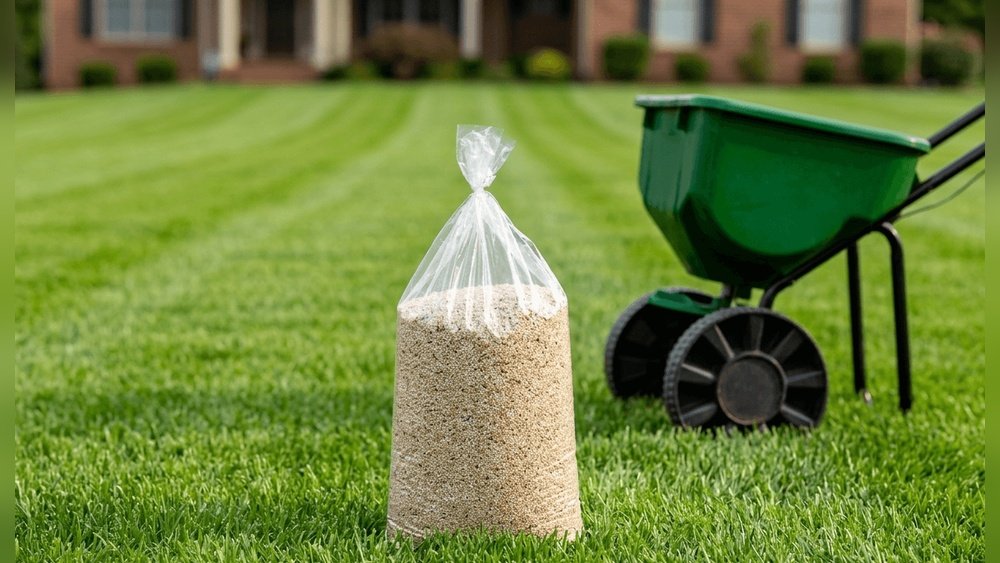
Applying weed and feed to your lawn can feel complicated, but it’s one of the most important steps for maintaining a healthy yard. Done right, it saves hours of manual work and helps your grass thrive, while keeping weeds under control.
Many homeowners struggle with timing, technique, and understanding the right product to use. This guide covers everything you need to know, so you can confidently apply weed and feed without causing damage or wasting money.
What Is Weed And Feed?
Weed and feed is a lawn care product combining two functions: it kills unwanted weeds and fertilizes grass at the same time. Most products include a herbicide (weed killer) and fertilizer (grass nutrient). The weed killer targets broadleaf weeds like dandelions and clover, while the fertilizer encourages grass growth.
There are two main types:
- Granular weed and feed: Comes in dry pellets you spread over the lawn.
- Liquid weed and feed: Mixed with water and sprayed.
Each works differently. Granular forms are often easier for beginners, while liquid types can be more precise but require careful application.
Why Correct Application Matters
Applying weed and feed incorrectly can cause several problems:
- Damage to your lawn: Over-application burns grass, under-application lets weeds survive.
- Environmental impact: Excess chemicals can run off into waterways.
- Wasted money: Using too much or too little means you buy products more often.
Most mistakes happen because homeowners skip instructions or don’t understand timing. If you want a green, weed-free lawn, learning the right way is essential.

Credit: www.wikihow.com
Choosing The Right Weed And Feed Product
Before you apply anything, pick a product that matches your lawn type and weed situation. Not all weed and feed products are equal.
1. Know Your Grass Type
Some herbicides harm certain grass types. For example, St. Augustine grass is sensitive to some common weed killers. Always check the package for compatibility.
| Grass Type | Recommended Weed & Feed | Notes |
|---|---|---|
| Bermuda | Most products | Strong tolerance |
| St. Augustine | Special formulas only | Very sensitive |
| Fescue | Granular preferred | Careful with liquid types |
| Zoysia | Check label | Moderate tolerance |
2. Identify Your Weeds
Different products target different weeds. Look for broadleaf weed formulas if you have dandelions, clover, or chickweed. If your lawn has grassy weeds like crabgrass, you need a pre-emergent herbicide, not standard weed and feed.
3. Understand Fertilizer Types
Most weed and feed products use slow-release fertilizers, which provide nutrients over time. Some use quick-release for faster results. Slow-release is safer for most lawns and reduces risk of burning.
4. Read The Label Carefully
Look for:
- Grass compatibility
- Targeted weed types
- Application instructions
- Safety warnings
If you’re unsure, ask a local garden center or consult university extension resources.
When To Apply Weed And Feed
Timing is critical. Applying weed and feed too early or late can reduce effectiveness and damage your lawn.
Best Time Of Year
- Spring: Ideal for most lawns. Weeds are actively growing, and grass needs nutrients.
- Fall: In some regions, especially the South, fall is also good as weeds return.
Weather Conditions
Avoid extreme heat or cold. The best conditions are:
- Daytime temperature: 60–80°F (15–27°C)
- Soil moist, but not soggy
- No rain expected for 24–48 hours after application
Applying before rain can wash the product away. Dry spells reduce effectiveness.
Lawn Stage
Apply when:
- Grass is actively growing
- Weeds are visible but not mature
- Lawn is not stressed (from drought, disease, or mowing)
Don’t apply to new lawns until they’re established (usually after 6–8 weeks).
Preparing Your Lawn For Weed And Feed
Preparation is the difference between success and wasted effort. Here’s what you should do before spreading weed and feed.
1. Mow Your Lawn
- Cut grass to a normal height (not too short or tall)
- Remove grass clippings to expose weeds
Don’t mow right after applying weed and feed—wait at least 2–3 days.
2. Water Lightly (if Needed)
For granular products, lightly water the lawn a day before application. This helps the granules stick to weeds. For liquid products, dry foliage is best.
3. Mark Problem Areas
Identify spots with heavy weed growth. You may need to apply extra product or spot-treat these areas later.
4. Protect Nearby Plants
Weed and feed can damage flowers, shrubs, or vegetable gardens. Use barriers or avoid applying near these areas.
How To Apply Weed And Feed Correctly
Now comes the main step. Follow these directions carefully for best results.
Applying Granular Weed And Feed
- Check the weather: Make sure rain isn’t expected for 24–48 hours.
- Read instructions: Each product has recommended spreader settings.
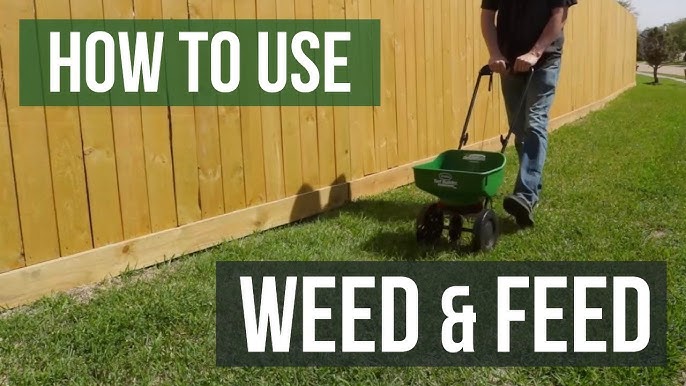
- Use a spreader: Don’t apply by hand. Use a broadcast or drop spreader for even coverage.
- Fill the spreader: Pour granules carefully, avoid spills.
- Walk the lawn: Start at the edge and move back and forth in straight lines.
- Overlap slightly: Prevent missed spots but avoid double-applying.
- Clean up: Sweep granules off sidewalks, driveways, and patios. They can stain or cause runoff.
Applying Liquid Weed And Feed
- Mix product and water: Follow label instructions for the right ratio.
- Use a sprayer: Backpack or hose-end sprayers work best.
- Apply evenly: Spray the entire lawn, focusing on weed patches.
- Avoid drift: Don’t spray on windy days. Herbicide can blow onto plants you want to keep.
- Wash hands and equipment: Clean everything after use.
Common Application Mistakes
- Applying too much: Leads to lawn burn.
- Applying too little: Weeds survive and spread.
- Uneven coverage: Causes patchy growth.
- Applying during bad weather: Reduces effectiveness.
Credit: www.youtube.com
Aftercare: What To Do After Applying Weed And Feed
Your job isn’t done after spreading weed and feed. Proper aftercare makes sure your lawn recovers and gets maximum benefit.
1. Wait Before Watering
Most products need 24–48 hours before watering. This lets the herbicide stick to the weeds. Watering too soon washes it away.
2. Avoid Mowing
Let the product work for at least 2–3 days before mowing. Cutting too soon removes treated weeds.
3. Monitor Results
Expect visible weed death in 7–14 days. Grass growth may increase within a week. If weeds persist after 2–3 weeks, consider a second application (following label instructions).
4. Spot Treat Stubborn Weeds
Some weeds are tough. Use a targeted weed killer for patches that survive. Don’t over-apply weed and feed; it can damage your lawn.
5. Keep Pets And Children Away
Let treated areas dry before letting pets or children on the lawn. Most products are safe after 24 hours, but check the label.
Comparing Granular Vs Liquid Weed And Feed
Choosing between granular and liquid weed and feed depends on your lawn, comfort level, and weed type. Here’s a quick comparison:
| Type | Best For | Pros | Cons |
|---|---|---|---|
| Granular | Large lawns, beginners | Easy to apply, slow-release, less risk of burn | Less precise, needs spreader, may miss weeds |
| Liquid | Spot treatment, tough weeds | More precise, fast results | Requires sprayer, higher burn risk, more skill needed |
Pro tip: If you’re new to lawn care, start with granular products. Liquid weed and feed is best for experienced users or serious weed problems.
Safety Tips For Weed And Feed Application
Safety is important. Many weed and feed products contain chemicals that can irritate skin, eyes, or cause health issues if misused.
1. Wear Protective Gear
- Gloves
- Long sleeves and pants
- Goggles (especially with liquid products)
2. Store Products Safely
Keep weed and feed in a cool, dry place, away from pets and children. Don’t leave open bags or bottles outside.
3. Dispose Of Waste Correctly
Sweep excess granules off hard surfaces and put them back in the bag. Don’t hose them into storm drains.
4. Avoid Overuse
More is not better. Overusing weed and feed can harm your lawn, pollute water, and kill helpful insects.
5. Follow Local Rules
Some areas restrict certain herbicides. Always check local guidelines before applying.
How Often To Apply Weed And Feed
Applying weed and feed too often is a common mistake. Most lawns only need it once or twice a year.
- Cool-season grasses: Apply in spring and, if needed, in fall.
- Warm-season grasses: Usually spring only.
Wait at least 8 weeks between applications. Overuse stresses your lawn and increases risk of chemical buildup.
Practical Tips For Better Results
Beginners often miss a few key details that make a big difference.
1. Calibrate Your Spreader
Every spreader works differently. Before applying, test your spreader on a driveway or sidewalk with a small amount. Adjust settings to match the label.
2. Start With The Borders
Apply weed and feed along the edges first. This prevents missing spots and gives a neat finish.
3. Use A Pattern
Walk in straight lines, overlapping slightly. For large lawns, switch directions with each application (north-south, then east-west).
4. Avoid Hot, Dry Days
Applying weed and feed during heat waves increases risk of burn and reduces effectiveness. Early morning or late afternoon is best.
5. Keep A Lawn Care Journal
Write down dates, products used, and results. This helps you plan next year and avoid repeating mistakes.
Environmental Impact: Using Weed And Feed Responsibly
Weed and feed can help your lawn, but it has environmental risks. Runoff, overuse, and improper disposal affect local water sources and wildlife.
Minimize Runoff
- Don’t apply before heavy rain.
- Sweep granules off paved areas.
- Use the minimum needed.
Support Pollinators
Many herbicides harm bees and butterflies. If you have wildflowers or clover, consider spot-treating weeds instead of whole-lawn application.
Composting Grass Clippings
After applying weed and feed, don’t compost grass clippings for at least two mowings. Herbicide residues can harm your compost pile.
Local Regulations
Some states and cities limit weed and feed products. Always check local rules, especially if you live near water or sensitive habitats.
For more information, see the EPA’s guidelines on lawn care: EPA Lawn & Garden.
Signs You’re Using Weed And Feed Correctly
How do you know it’s working? Look for these signs:
- Weeds yellow, wilt, or die within 7–14 days
- Grass grows thicker and greener
- No yellow or brown patches (lawn burn)
- Even color across the lawn
- Fewer weeds over time
If you see brown patches or weeds that survive, review your technique and adjust next time.
Mistakes To Avoid When Applying Weed And Feed
Even experienced homeowners make errors. Avoid these common mistakes:
- Skipping instructions: Every product has unique guidelines.
- Applying before rain: Washes product away.
- Mowing too soon: Reduces weed killer effectiveness.
- Using wrong product: Not all weed and feed works for every grass type.
- Overapplying: Causes lawn burn and environmental harm.
- Ignoring spreader calibration: Leads to uneven coverage.
- Applying to stressed lawn: Wait until grass recovers from drought or disease.
Real-life Example: Transforming A Neglected Lawn
Let’s see how correct application can change a lawn. John, a homeowner in Texas, had a lawn overrun by dandelions and clover. He chose a granular weed and feed compatible with Bermuda grass, followed label instructions, and calibrated his spreader.
He applied in early spring, waited two days before watering, and monitored progress. Within two weeks, weeds began to yellow. After one month, his lawn was thicker and greener, with fewer weeds. He avoided mowing for three days and kept pets off the lawn until dry.
John’s success came from careful prep, correct timing, and not rushing the process. Beginners often skip these steps, but they make all the difference.
Comparing Popular Weed And Feed Brands
Not all weed and feed products are equal. Here’s a comparison of three popular brands:
| Brand | Grass Compatibility | Weed Types Targeted | Release Type | Average Price (per 5,000 sq ft) |
|---|---|---|---|---|
| Scotts Turf Builder | Bermuda, Fescue, Zoysia | Broadleaf | Slow-release | $35 |
| Pennington UltraGreen | Bermuda, St. Augustine | Broadleaf | Slow-release | $32 |
| Ortho Weed B Gon | Multiple types (liquid) | Broadleaf, some grassy | Quick-release | $28 |
Tip: Price isn’t the only factor. Match the product to your lawn and weed situation for best results.

Credit: www.youtube.com
Faqs: Frequently Asked Questions
What Happens If It Rains Right After Applying Weed And Feed?
Heavy rain within 24 hours can wash away granules or dilute liquid products. You may need to reapply. Always check the weather forecast before application.
Can I Use Weed And Feed On New Sod Or Seedlings?
No. Wait at least 6–8 weeks after installing new sod or seeding before applying weed and feed. New grass is sensitive and can be damaged.
How Long Should I Keep Pets And Children Off The Lawn?
Most products are safe after 24 hours, once the lawn is dry. Always check the label for specific safety instructions.
What’s The Difference Between Pre-emergent And Post-emergent Weed And Feed?
Pre-emergent targets weeds before they sprout. Post-emergent kills existing weeds. Most weed and feed products are post-emergent; pre-emergent is for crabgrass and similar weeds.
Is It Safe To Use Weed And Feed Near Flower Beds Or Vegetable Gardens?
No. Weed and feed can harm non-grass plants. Avoid applying near gardens, or use barriers and spot treatment.
Applying weed and feed correctly is a skill that pays off every year. With careful planning, proper technique, and ongoing care, you’ll enjoy a greener, healthier lawn with fewer weeds. The key is to match the product to your grass and weed types, follow instructions closely, and avoid rushing the process.
Remember, lawn care is about progress, not perfection. Each season, you’ll learn what works best for your yard. Stay consistent, and your lawn will thank you.