

Is your lawn struggling with puddles after every rain or does water seem to just sit on the surface? Poor drainage can suffocate your grass roots, leaving your lawn patchy and unhealthy.
The good news is, you don’t have to live with soggy soil. By learning how to aerate your lawn properly, you can unlock better drainage, stronger roots, and a greener, more vibrant yard. In this guide, you’ll discover simple steps to aerate your lawn effectively, why timing matters, and how this easy lawn care technique can transform your outdoor space.
Ready to give your lawn the breath of fresh air it needs? Let’s dive in!
Credit: www.lacostegardencentre.com
Benefits Of Lawn Aeration
Knowing when your lawn needs aeration helps keep it healthy and strong. Aeration improves soil drainage and allows roots to grow better. Some clear signs show your lawn is struggling and needs this care.
Watch for these signs to decide if it is time to aerate your lawn.
Thick Thatch Layer
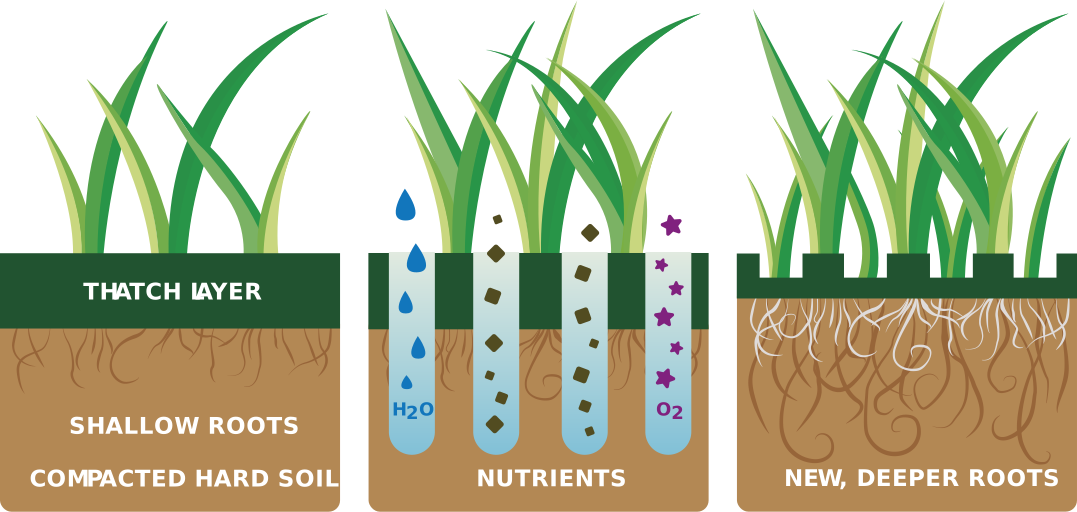
A thick thatch layer blocks water and air from reaching roots. This layer is made of dead grass and roots. When it becomes too thick, lawn health suffers. Aeration breaks this layer and lets the lawn breathe.
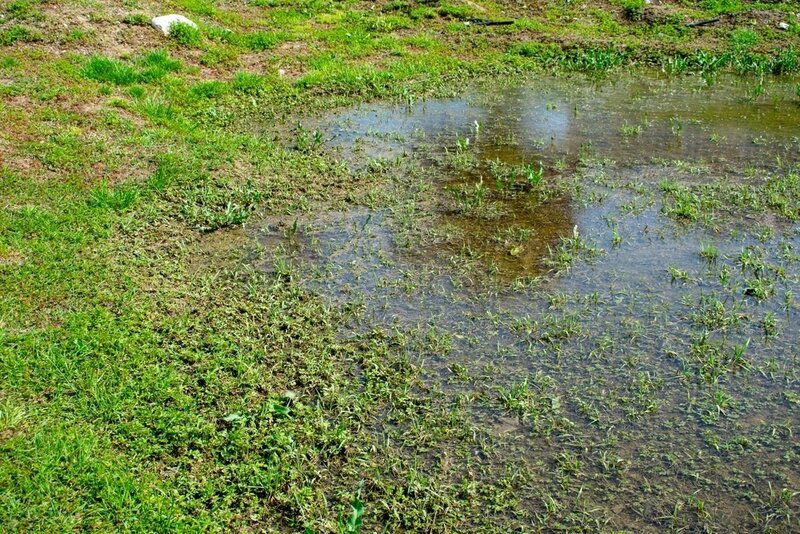
Water Pooling Issues
Water pooling on the lawn shows poor drainage. This happens when soil is compacted and water cannot soak in. Standing water can kill grass roots and cause disease. Aeration creates holes to help water drain better.
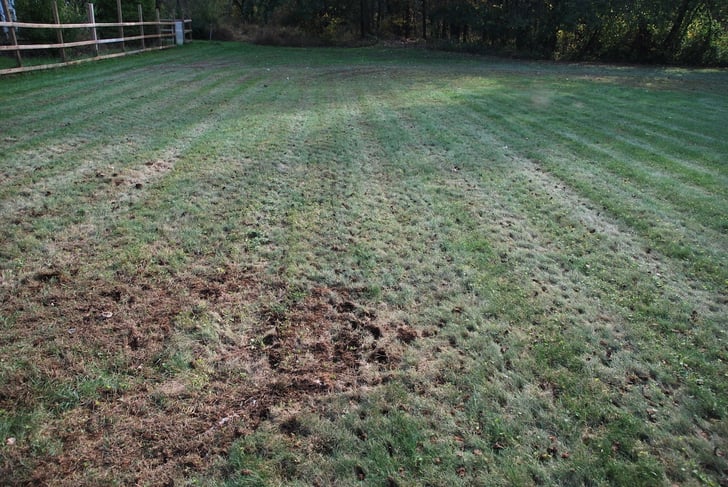
Sparse Or Patchy Grass
Thin or patchy grass means roots are not growing well. Compacted soil stops roots from spreading and getting nutrients. Aerating loosens the soil so grass can grow thick and green again. This improves the lawn’s overall look.
Credit: www.joshuatreeexperts.com
Signs Your Lawn Needs Aeration
Aerating your lawn improves drainage and helps roots grow strong. This process creates small holes in the soil, allowing air, water, and nutrients to reach the grass roots. Follow these simple steps to aerate your lawn properly and see better results.
Preparing Your Lawn
Start by mowing your lawn short. This makes aeration easier and more effective. Remove any debris like sticks, leaves, or stones from the surface. Water your lawn one or two days before aerating. Moist soil allows the aerator to pull out plugs more easily. Avoid aerating if the soil is too wet or dry. Check the weather forecast and pick a clear day for aeration.
Choosing The Right Equipment
Choose between a manual or powered aerator. Manual aerators are good for small lawns. They have hollow tines that pull out soil plugs. Powered aerators work faster and cover larger areas. Rent or buy one depending on your lawn size and budget. Spike aerators push into the soil without removing plugs. Core aerators remove plugs and are better for compacted soil. Pick core aeration for better drainage and root health.
Executing Aeration Correctly
Start aerating in straight lines across your lawn. Overlap slightly to avoid missing spots. Aerate the lawn twice, once in one direction and once perpendicular. Focus on high-traffic or compacted areas. Do not aerate more than needed; once or twice a year is enough. After aeration, leave soil plugs on the lawn. They break down naturally and return nutrients to the soil. Water your lawn again after aeration to help recovery.
Types Of Lawn Aeration
Proper lawn aeration improves drainage and soil health. Avoid mistakes that reduce aeration benefits. Common errors can harm your lawn or waste effort. Learn what to watch out for below.
Aerating Dry Soil
Aerating dry soil is difficult and less effective. Dry soil is hard and plugs do not come out easily. This limits oxygen and water flow to roots. Water your lawn a day before aeration for better results.
Over-aerating
Too much aeration can stress your lawn. Aerating more than once or twice a year is unnecessary. It damages grass roots and disrupts growth. Follow recommended schedules for your grass type and soil conditions.
Ignoring Lawn Type
Different lawns need different aeration methods. Cool-season grasses and warm-season grasses respond differently. Choose the right tool and timing for your lawn type. Ignoring this can harm grass and reduce drainage improvement.
Credit: premierlawns.co.uk
Frequently Asked Questions
Will Aerating A Lawn Help With Drainage?
Aerating a lawn improves drainage by loosening compacted soil, allowing water to penetrate deeper and reducing surface runoff.
Is October Too Late To Aerate Your Lawn?
October is not too late to aerate cool-season lawns; it improves soil and root health before winter. Avoid late October if overseeding. For warm-season grasses, aerate earlier in summer as October is too late. Always aerate after watering for best results.
How To Tell If Your Lawn Needs Aerated?
Check for compacted soil, poor drainage, thinning grass, or heavy foot traffic. These signs mean your lawn needs aeration.
How To Fix A Lawn With Poor Drainage?
Fix poor lawn drainage by aerating soil to reduce compaction. Create holes for water, air, and nutrients to reach roots. Add organic matter and improve grading to direct water flow away from the lawn. Use proper drainage solutions like French drains if necessary.
Conclusion
Aerating your lawn helps water drain better and roots grow strong. It breaks up hard soil, allowing air and nutrients in. Regular aeration keeps your grass healthy and green. Use the right tools and timing for best results. Keep your lawn well-aerated to avoid water pooling.
Healthy soil means a healthy lawn all year round. Simple steps make a big difference in lawn care. Start aerating today for a greener, better-drained yard.