
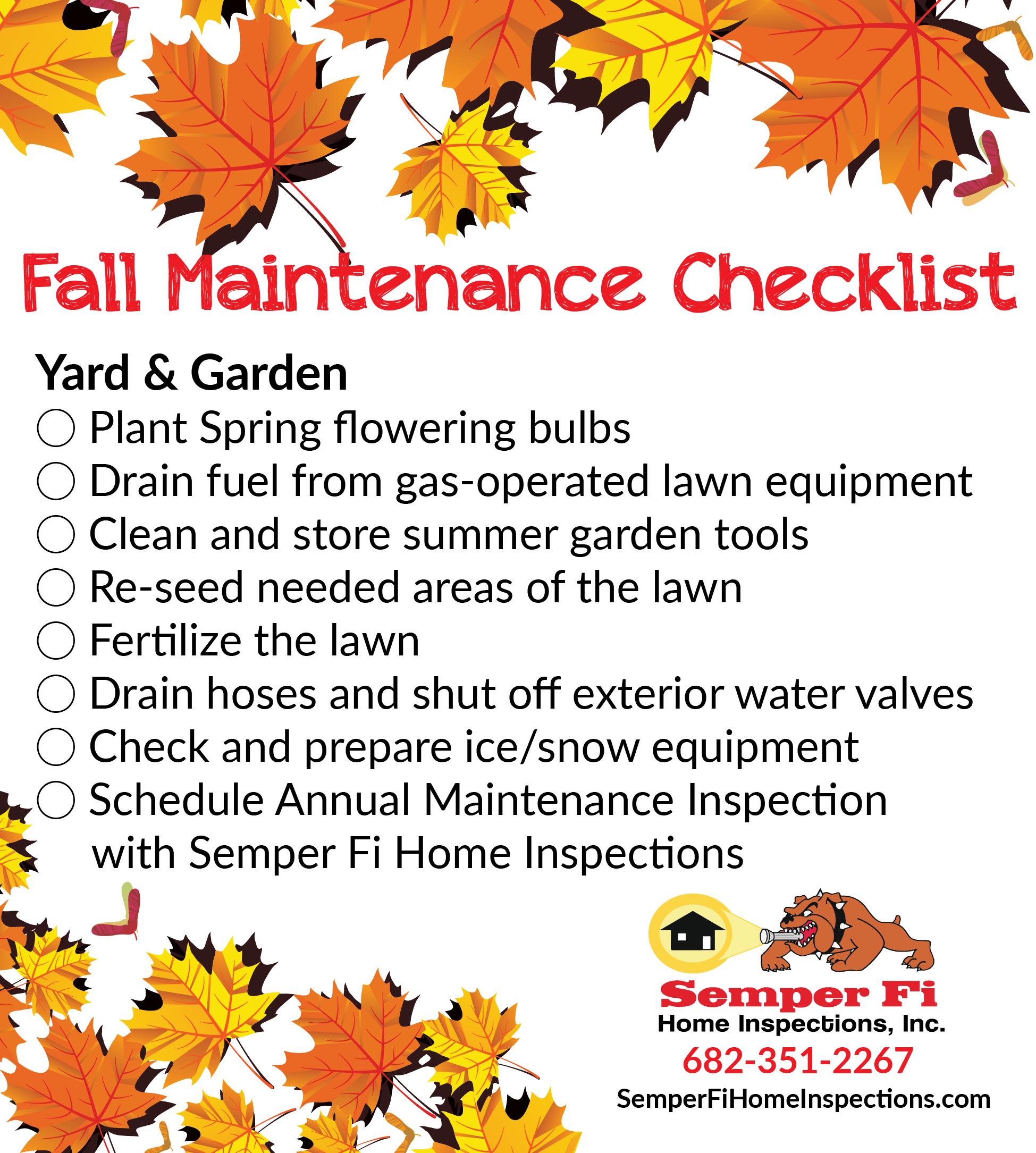
Fall is a crucial time for lawn care. As the weather cools, your lawn needs special attention. Following a fall lawn care checklist helps keep your yard healthy. Here is a detailed guide to ensure your lawn thrives.
Mowing
Regular mowing is essential even in the fall. Keep mowing your lawn until the grass stops growing. Maintain your lawn at a height of 2.5 to 3 inches. This height helps protect the grass from frost. Shorter grass can get damaged by cold weather.
Raking Leaves
Fallen leaves can smother your grass. Rake leaves regularly to keep your lawn healthy. A thick layer of leaves blocks sunlight and air. This can cause dead spots on your lawn. Rake or use a leaf blower to clear the leaves.
Aeration
Aeration is crucial for a healthy lawn. It involves perforating the soil with small holes. This allows air, water, and nutrients to reach the grass roots. Fall is the best time for aeration. The cool weather helps grass recover faster.
Fertilizing
Fertilizing in the fall provides essential nutrients for your lawn. Use a slow-release fertilizer for the best results. This helps the grass store nutrients for winter. Apply fertilizer after aeration for better absorption.
Seeding
Fall is the perfect time for overseeding. Overseeding helps fill in bare spots and thickens your lawn. Choose a high-quality grass seed for your lawn type. Spread the seed evenly for the best results.
Watering
Even in the fall, your lawn needs water. Water your lawn deeply but less frequently. This encourages deep root growth. Adjust your watering schedule based on rainfall. Avoid overwatering, as this can lead to disease.
Credit: semperfihomeinspections.com
Weed Control
Weeds can compete with your grass for nutrients. Fall is a good time to control weeds. Apply a pre-emergent herbicide to prevent weed growth. Remove any existing weeds by hand or with a weed killer.
Pest Control
Pests can damage your lawn. Fall is a good time to check for pests. Look for signs of grubs or other insects. Apply a pesticide if needed to protect your lawn.
Soil Testing
Soil testing helps you understand your lawn’s needs. Test your soil’s pH and nutrient levels. Adjust your lawn care routine based on the results. This ensures your lawn gets the right nutrients.
Cleaning Up
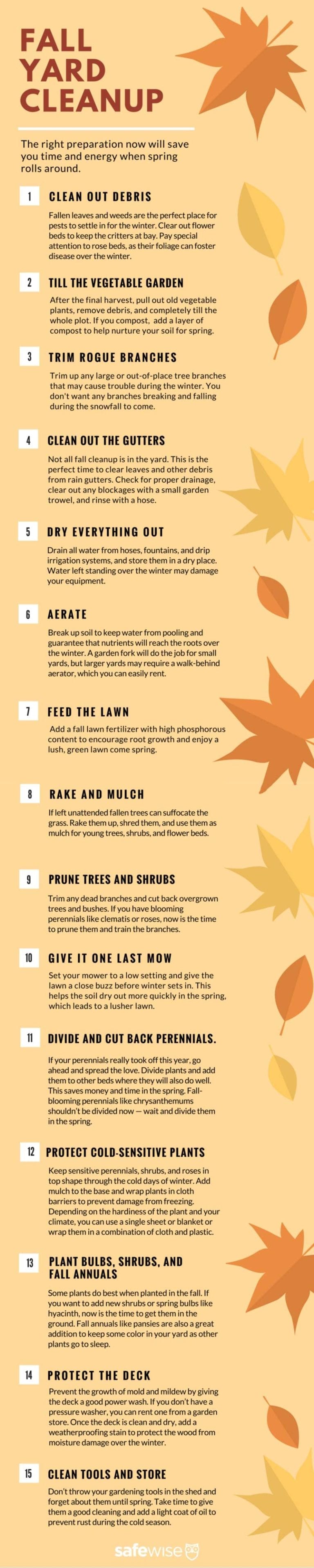
Fall is a good time to clean up your yard. Remove any debris or dead plants. This helps prevent disease and pests. Keep your lawn and garden beds tidy.
Credit: www.safewise.com
Winter Preparation
Prepare your lawn for winter. Remove any garden hoses and store them. Clean and store lawn equipment. Cover any delicate plants to protect them from frost.
Frequently Asked Questions
What Is The Best Time For Fall Lawn Care?
Early fall is ideal for lawn care. Cooler temperatures promote healthy grass growth.
How Often Should I Mow My Lawn In Fall?
Mow your lawn weekly. Maintain a height of 2. 5-3 inches for optimal health.
Should I Fertilize My Lawn In The Fall?
Yes, apply a slow-release fertilizer. This supports root growth and prepares your lawn for winter.
Do I Need To Aerate My Lawn?
Yes, aerate in early fall. It improves soil structure and nutrient absorption.
Conclusion
Following this fall lawn care checklist keeps your yard healthy. Regular maintenance ensures your lawn looks great in the spring. Take the time to care for your lawn this fall.