
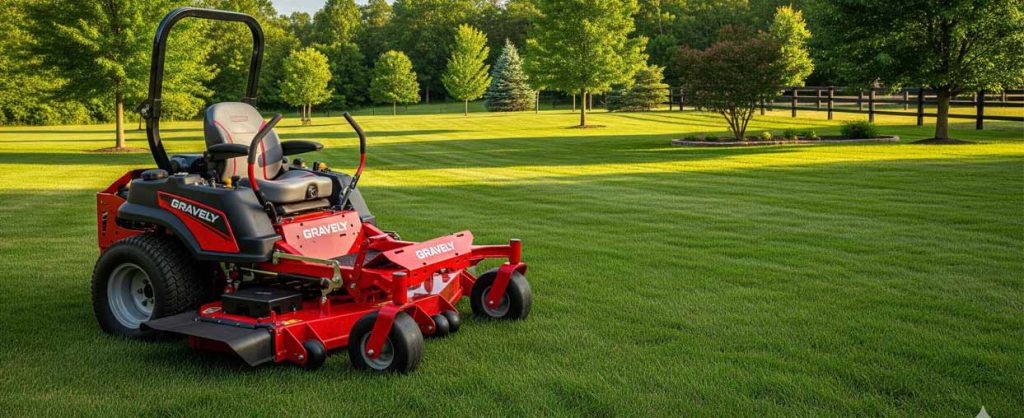
Choosing the right riding lawn mower depends on factors like lawn size, terrain, and mower features. Here are some essential riding lawn mower tips to help you make an informed decision.
Navigating the world of riding lawn mowers can be daunting with many choices and features to consider. Whether you're a seasoned pro or a newcomer to maintaining large lawns, understanding what to look for in a riding mower is crucial. This article will guide you through the important aspects of selecting the perfect mower to ensure your lawn is beautifully maintained without unnecessary hassle.
Consider Your Lawn Size and Type
Assessing Lawn Characteristics
When choosing a riding lawn mower, start by assessing your lawn size and type. Large properties require mowers with different capabilities than small or medium lawns. Analyze the terrain too—hills, slopes, and obstacles will impact the type of mower you need.
- Flat, Even Lawns: Opt for standard riding mowers with adequate power.
- Hilly Terrain: Consider a model with enhanced traction and stability.
- Obstacles: Look for mowers with tight steering or zero-turn capabilities.
Engine Power and Performance
Understanding Engine Specifications
The engine is the heart of your mower, dictating performance and efficiency. For large lawns, a powerful engine ensures consistent results.
- Horsepower (HP): More horsepower means more power to tackle thick grass quickly.
- Transmission: Automatic or hydrostatic transmissions offer smoother operation compared to manual.
- Fuel Type: Gas-powered engines are common, but electric options are quieter and more eco-friendly.
Cutting Width and Deck Size
Choosing the Right Deck
A larger deck size decreases mowing time, a key consideration for extensive lawns. However, wider decks can be challenging around tight corners or obstacles.
- Deck Size: Common ranges are 42-54 inches for large lawns.
- Adjustability: Look for decks that offer height adjustments to manage diverse grass lengths.
- Material: Durable steel decks are preferred for their robustness.
Comfort and Usability
Enhancing User Experience
Long mowing sessions require comfort features to keep fatigue at bay. Modern mowers incorporate several user-friendly attributes.
- Seat Quality: Padded, adjustable seats enhance comfort.
- Steering Wheel or Joystick: Choose based on ease of use and control preference.
- Additional Features: Cup holders, armrests, and adjustable steering columns add to the experience.
Maintenance and Longevity
Ensuring Long-Term Use
Routine maintenance is crucial for a mower’s lifespan, so consider the ease of upkeep.
- Ease of Access: Easily accessible oil changes, filters, and parts prolong life.
- Warranty: A solid warranty shows the manufacturer’s confidence in their product.
- Parts Availability: Ensure replacement parts are easily obtainable.
Budget Considerations
Balancing Cost and Features
While it's tempting to go for the latest model, consider what truly fits your budget and needs. Sometimes, less expensive models offer all the necessary features without breaking the bank.
- Analyze Needs vs. Wants: Focus on essential features.
- Financing Options: Many retailers provide financing plans to ease upfront costs.
Frequently Asked Questions
How much horsepower do I need for a large lawn?
For large lawns, a mower with at least 18-24 horsepower is ideal. This ensures efficient cutting and performance.
Is a zero-turn mower worth the investment?
Yes, especially for lawns with many obstacles. They offer better maneuverability, saving time and effort.
How often should I maintain my riding mower?
Routine maintenance should be conducted at least once per season, including oil changes, blade sharpening, and air filter cleaning.
Can I use an electric riding mower for a large lawn?
Yes, bu