
Last updated: October 2026 · Written by the LawnVibe editorial team.
Mowing a sloped lawn is harder work and carries more risk than mowing a flat one. The wrong mower slips, scalps the crest of the hill, wears you out on every climb, or, in the worst case, tips over. The best mower for hills gives you traction to climb, control to go down safely, and a weight and size you can manage on uneven ground. This guide compares mowers and traction upgrades for sloped yards and explains how to choose and use them safely.
Our picks are based on published specifications, manufacturer information and the features that matter most on slopes, such as drive type, weight and power, rather than on hands-on testing.
Our Top Picks

Makita XML11CT1 36V 21-Inch Self-Propelled Mower
Best for: Sloped lawns up to about half an acre
A 21-inch battery mower with self-propelled drive, running on two 18V LXT batteries at a time. Self-propel is the single most useful feature for mowing hills, and this kit includes four 5.0Ah batteries for longer sessions.
- Self-propelled drive for climbing
- Kit includes four batteries
- Quiet, no fuel or oil
- Heavier than push models
- Premium price
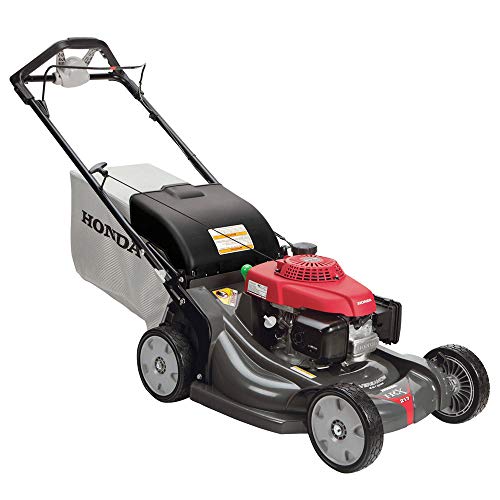
Honda 660250 21-Inch 187cc Versamow Mower
Best for: Larger, steeper lawns and thick grass
A 21-inch, 187cc gas mower with Honda’s 4-in-1 Versamow system for mulching, bagging, discharging and leaf shredding. Gas power and long runtime suit bigger sloped properties; confirm the listing includes self-propelled drive before buying for hills.
- Strong 187cc engine
- 4-in-1 clipping management
- Long runtime for big lawns
- Heavy, around 100 lb class
- Needs fuel and oil maintenance

Greenworks 80V 21-Inch Brushless Mower Combo
Best for: Moderate slopes with dense grass
An 80V brushless 21-inch mower sold as a combo with a blower. High-voltage power helps in thick grass on slopes. This is a push model, so it best suits gentle to moderate grades.
- 80V brushless power
- 3-in-1 mulch, bag, side discharge
- Combo kit adds a blower
- Push only, no self-propel
- Heavier battery platform

Greenworks 48V 17-Inch Brushless Mower
Best for: Small sloped yards
A compact 17-inch brushless mower that runs on two 24V batteries and weighs about 39 lb, which makes it easier to control across a small slope than a heavy 21-inch machine.
- Light and easy to maneuver
- Brushless motor
- Two batteries and dual charger included
- 17-inch cut means more passes
- Push only

WORX 14-Inch Cordless Mower
Best for: Tiny lawns and short banks
A very light 14-inch cordless mower with two batteries and six height positions. Its low weight makes short, gentle banks and terraced strips easier to handle.
- Very lightweight
- Two batteries included
- Six height settings
- Narrow cut
- Limited runtime for larger areas

Husqvarna Automower Rough Terrain Wheel Kit
Best for: Husqvarna Automower owners with slopes
An accessory wheel kit for compatible Husqvarna Automower robots, designed to improve grip on rough and uneven ground. Check compatibility with your model before buying.
- Improves robot traction
- Easy to install
- Built for compatible Automowers
- Fits specific models only
- Adds cost

Marastar Turf Traction 18×8.50-8 Tire
Best for: Riding mowers on grassy grades
A 4-ply turf traction tire for lawn mowers and golf carts. Fresh tread on worn rider tires is one of the simplest ways to improve grip on gentle slopes. Confirm the size matches your mower.
- Turf-friendly traction tread
- 4-ply rating
- Easy to install on rim
- Size-specific fit
- Does not raise slope limits
Comparison Table
| # | Product | Best for | Link |
|---|---|---|---|
| 1 | Makita XML11CT1 36V 21-Inch Self-Propelled Mower | Sloped lawns up to about half an acre | Check price |
| 2 | Honda 660250 21-Inch 187cc Versamow Mower | Larger, steeper lawns and thick grass | Check price |
| 3 | Greenworks 80V 21-Inch Brushless Mower Combo | Moderate slopes with dense grass | Check price |
| 4 | Greenworks 48V 17-Inch Brushless Mower | Small sloped yards | Check price |
| 5 | WORX 14-Inch Cordless Mower | Tiny lawns and short banks | Check price |
| 6 | Husqvarna Automower Rough Terrain Wheel Kit | Husqvarna Automower owners with slopes | Check price |
| 7 | Marastar Turf Traction 18×8.50-8 Tire | Riding mowers on grassy grades | Check price |
A Closer Look at Each Pick
Makita XML11CT1 21-inch self-propelled. Self-propel is the feature that makes the biggest difference on hills, and this battery mower combines it with a full 21-inch deck. Because it runs two 18V batteries at once and the kit ships with four, you can swap packs mid-mow on a larger sloped lawn. It suits homeowners who want gas-like capability without fuel, noise or pull starts.
Honda 660250 21-inch gas mower. Honda's 187cc engine and Versamow clipping system make this a strong choice for larger properties with thick grass. Gas gives long, consistent runtime, which matters when climbing uses a lot of power. It is heavy, so on hills you want a self-propelled version; check the specific listing before ordering.
Greenworks 80V 21-inch brushless. High voltage and a brushless motor give plenty of cutting power in dense grass. It is a push model, so it fits lawns with gentle to moderate grades rather than long, steep climbs. The combo kit adds a blower, which is handy for clearing clippings off paths.
Greenworks 48V 17-inch brushless. At around 39 pounds, this mower is easy to hold steady across a small slope and to turn at the end of each row. The narrower deck means more passes, but on small hilly yards control matters more than width.
WORX 14-inch cordless. Very light and compact, it is ideal for terraced strips, short banks and tiny lawns where a big mower is awkward and risky.
Husqvarna Automower rough terrain wheels. If you own a compatible Automower, this kit improves grip on uneven, sloped ground, helping the robot handle areas you would rather not mow yourself.
Marastar turf traction tire. Worn tires are a common reason riding mowers slip on grassy grades. Fresh traction tread restores grip, but it does not increase the slope limit in your manual.
Why Hills Need a Different Mower
On flat ground, almost any mower works. On a slope, three things change. First, traction matters: wheels must grip to climb, and any slip makes mowing slow and uneven. Second, weight and balance matter: a heavy mower is harder to push uphill and harder to hold back going down, and on side slopes it tends to drift downhill. Third, safety matters: riding mowers in particular can slide or roll if used on slopes beyond their limits, and the U.S. Consumer Product Safety Commission has long warned about mower rollovers and injuries.
Types of Mowers for Sloped Lawns
Self-propelled walk-behind mowers
For most homeowners with hilly yards, a self-propelled walk-behind is the best tool. The drive system does the climbing, you guide the mower, and if something goes wrong you can simply let go of the control bar and step away. Look for rear-wheel drive or all-wheel drive, variable speed, and large rear wheels.
Lightweight push mowers
On small lawns with gentle slopes or short banks, a light battery push mower is easy to control and maneuver. Weight matters more than power here; a 35- to 45-pound mower is far easier to manage on a slope than a 90-pound gas machine.
Riding mowers and lawn tractors
Lawn tractors steer with the front wheels and can handle moderate slopes within the limits listed in the manual. Zero-turn mowers steer with their rear wheels and lose steering when those wheels slip, so they are generally not suited to steeper ground. Our guide on whether zero-turn mowers are good on hills explains why, and our best riding lawn mower for hills guide covers riders with better slope performance.
Robot mowers
Many robot mowers handle surprisingly steep slopes, and they remove the operator from the hill entirely. Check the maximum slope rating carefully, and consider traction accessories where the manufacturer offers them.
String trimmers
For banks too steep for any mower, a string trimmer is the safest choice.
How to Choose the Best Mower for Hills
Drive type
Rear-wheel drive is the usual recommendation for hills, because weight shifts toward the rear wheels when you climb. All-wheel drive gives the most grip on steep or rough slopes. Front-wheel drive is easier to turn on flat ground but tends to lose traction going uphill, especially when the bag is full.
Weight
Lighter mowers are easier to control on slopes and across side hills. Battery mowers are often lighter than gas mowers of the same width.
Power
Climbing and cutting at the same time takes power. Look for brushless motors on battery mowers and a capable engine on gas mowers. Climbing also drains batteries faster, so choose a larger battery or a spare.
Wheels and tires
Large rear wheels with good tread grip better and roll more easily over bumps. On riding mowers, worn tires are a common cause of slipping; turf traction tires restore grip on gentle grades.
Cutting height and deck design
Uneven ground scalps easily, especially at the crest of a hill. Mow higher on slopes and choose a mower with an easy height adjustment.
Bagging, mulching and side discharge
A full bag adds weight. On hills, mulching is often easier because you do not carry clippings up and down the slope.
Slope Safety Tips
With a walk-behind mower, mow across the slope, never up and down, so the mower cannot roll back onto you. With a riding mower, follow the manual, which often advises mowing up and down rather than across. Never mow slopes when grass is wet. Wear shoes with good grip. Avoid sudden turns, starts and stops on slopes. Keep away from drop-offs, ditches, retaining walls and water edges, and trim those areas by hand. Walk the slope before mowing to find holes, roots and rocks.
How to Measure Your Slope
A phone inclinometer app laid on a straight board along the slope gives you the angle in degrees. Compare that with your mower manual's limits. Measure the steepest sections, not the average.
Mowing Technique on Hills
Start at the bottom and work up, mowing across the slope in overlapping rows. Keep a steady pace and let the self-propel do the work. On very steep sections, mow a narrower strip so the mower stays stable. Raise the cutting height a notch to avoid scalping. Turn on flat ground at the ends of each row whenever possible. Our guide on how to use a push lawn mower covers turning and slope technique in more detail.
Best Mower for Hills by Lawn Size
Small sloped yard (under a quarter acre): a lightweight battery push mower or a compact self-propelled model.
Medium sloped yard (a quarter to half an acre): a 21-inch self-propelled walk-behind with rear-wheel or all-wheel drive, battery or gas.
Large property with gentle slopes: a lawn tractor with good tires, used within its slope rating, plus a walk-behind or trimmer for steeper sections.
Steep banks of any size: a string trimmer, a slope-rated robot mower, or replacing turf with ground cover.
Make a Hilly Lawn Easier to Maintain
Consider replacing grass on very steep banks with ground cover, ornamental grasses or terraced beds. Add steps or paths on slopes you walk regularly. Topdress and level bumpy areas so the mower rides smoothly. Choose grass types that tolerate a higher mowing height, which hides minor unevenness.
Common Mistakes on Sloped Lawns
Choosing a front-wheel-drive mower for a steep, bagging-heavy lawn. Buying a zero-turn for a hilly property. Mowing up and down with a walk-behind. Mowing wet slopes. Cutting too low and scalping the crest. Ignoring worn tires on a rider. Trying to mow banks that are simply too steep instead of trimming them or planting ground cover.
Maintenance Tips for Hill Mowing
Slopes put extra strain on drive systems, so keep them in good shape. Check and adjust the self-propel cable and drive belt each season. Clear grass from drive wheels and gears. Keep tires inflated evenly on mowers with pneumatic tires. Keep the blade sharp, because a dull blade makes the mower work harder on every climb. On gas mowers, check the oil level more often; on steep slopes, engines can be starved of oil if the level is low.
Gas vs Battery on Slopes
Gas mowers offer long runtime and strong torque, which helps on big sloped properties, but they are heavier and need fuel and oil. Battery mowers are lighter, quieter and easier to start, and modern brushless models have plenty of power for most home lawns; just plan for extra battery capacity because climbing uses more energy. If your lawn is over about half an acre and mostly sloped, a self-propelled gas mower or a high-capacity battery self-propelled model makes sense. Our guide on what size mower you need helps match mower type to property size.
The Bottom Line
The best mower for hills for most people is a self-propelled walk-behind with rear-wheel or all-wheel drive, enough power to climb and cut, and a weight you can control. Lightweight battery push mowers suit small sloped yards, riding mowers belong only on gentle slopes within their limits, and robot mowers rated for slopes can take the job off your hands entirely. Mow across slopes with walk-behinds, never mow wet hills, and leave the steepest banks to a trimmer or ground cover.
Frequently Asked Questions
What type of mower is best for hills?
For most sloped home lawns, a self-propelled walk-behind mower is the safest and most practical choice. Rear-wheel or all-wheel drive gives the best traction on climbs. Riding mowers suit only gentle slopes within their rated limits.
Is rear-wheel drive or front-wheel drive better for hills?
Rear-wheel drive is generally better, because weight shifts to the rear wheels when you climb and when the bag fills. All-wheel drive offers the most traction on steep or uneven ground.
Should I mow across or up and down a hill?
With a walk-behind mower, mow across the slope, side to side. With a riding mower, follow the manual; many advise mowing up and down to reduce rollover risk. Never mow slopes when grass is wet.
What slope is too steep to mow?
It depends on the mower. Riding mowers list a maximum slope in the manual, often modest for residential machines. Very steep banks are safer with a string trimmer, a slope-rated robot mower, or ground cover instead of grass.
Are battery mowers good on hills?
Yes, especially self-propelled models and lightweight push models for small slopes. Climbing uses more battery, so choose a larger battery or a spare for sloped lawns.