
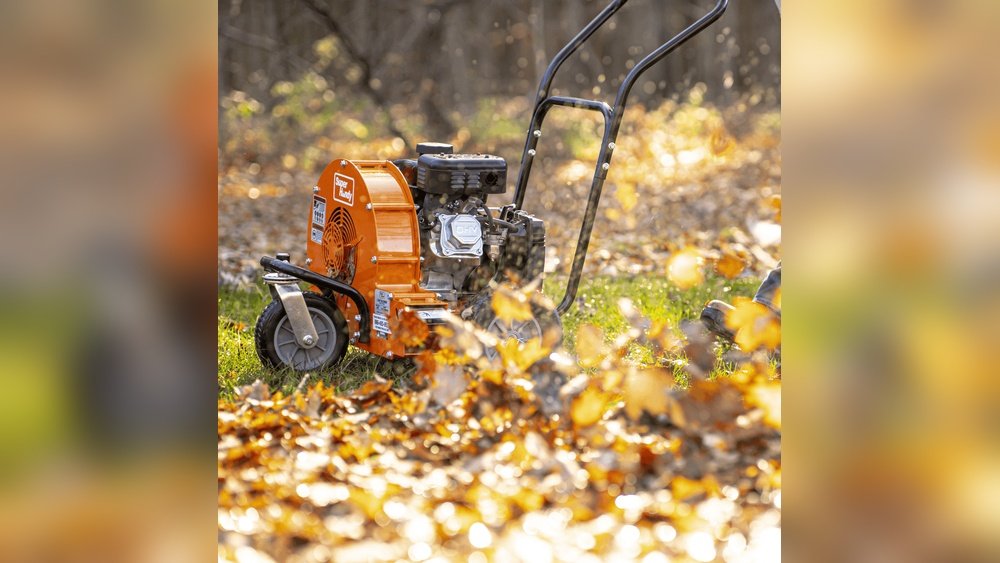
Choosing the right leaf blower for your garden can make all the difference between a quick, easy cleanup and a frustrating, time-consuming chore. You want a tool that fits your yard’s size, the type of debris you deal with, and your own comfort while using it.
But with so many options and specs like CFM and MPH to understand, where do you start? This guide will help you cut through the confusion and find the perfect leaf blower that saves you time and effort, so your garden stays neat and inviting all year round.
Keep reading to discover how to make the best choice for your garden’s needs.
Types Of Leaf Blowers
Choosing the right leaf blower starts with understanding the main types available. Each type suits different garden needs and user preferences. Knowing the differences helps you pick a blower that matches your yard size and cleaning tasks.
Gas-powered Models
Gas-powered leaf blowers offer strong power for heavy-duty jobs. They clear wet leaves, twigs, and large debris quickly. These models are usually louder and heavier. They work well for big gardens or areas without electric outlets. Maintenance includes refilling fuel and cleaning spark plugs.
Electric Corded Options
Electric corded blowers are lightweight and easy to use. They deliver consistent power without worrying about battery life. These blowers are quiet and eco-friendly with zero emissions. The main limitation is the cord length, which may limit mobility. Perfect for small to medium yards with easy access to power outlets.
Battery-powered Blowers
Battery-powered leaf blowers combine mobility and quiet operation. They run on rechargeable batteries, allowing cordless use. These blowers suit medium-sized gardens and light to moderate tasks. Battery life varies, so choose models with longer runtimes for bigger jobs. They require less maintenance than gas models.
Power Metrics
Understanding power metrics is key to choosing the right leaf blower for your garden. These metrics show how much air the blower moves and how fast it moves. They affect the blower’s ability to clear leaves and debris efficiently. Knowing these numbers helps pick a blower that fits your yard size and cleanup needs.
Air Volume (cfm)
CFM stands for cubic feet per minute. It measures the volume of air the blower pushes out. A higher CFM means the blower moves more air. This helps to clear large areas quickly. It is best for moving big piles of leaves or light debris. Think of it as how much air flows through the blower.
Air Speed (mph)
MPH means miles per hour. It shows the speed of the air coming from the nozzle. Higher MPH means faster air speed. This speed helps break up and move heavy, wet, or stuck debris. It works like a strong, focused blast of air. This is important for tough garden messes.
Balancing Cfm And Mph
Both CFM and MPH matter for good performance. High CFM moves more leaves in less time. High MPH gives the power to dislodge stubborn debris. A leaf blower with balanced CFM and MPH suits most garden tasks. For large yards, choose higher CFM and MPH. For small gardens, lower values may be enough.
Yard Size And Debris Type
Choosing the right leaf blower depends greatly on your yard size and the type of debris you need to clear. These two factors influence the power and features required for efficient cleaning. A small yard with light debris needs a different tool than a large property with heavy, wet leaves or branches.
Understanding your yard’s needs helps avoid overspending on a blower that is too powerful or under-equipped for your tasks. It also makes yard work easier and faster.
Small Yards And Light Debris
Small yards usually have less space and fewer leaves or debris. A lightweight, electric leaf blower works well here. Battery-powered or corded blowers are quiet and easy to handle.
They provide enough air speed to move dry leaves and small twigs. These blowers are perfect for quick cleanups around flower beds or patios. Their lower power means less noise and no fumes, making them ideal for close neighborhoods.
Large Properties And Heavy Debris
Large yards often have more leaves, branches, and heavier debris. Gas-powered blowers offer the power needed for these tough jobs. They deliver higher air volume and speed to clear wet leaves and larger piles fast.
Look for blowers with strong CFM and MPH ratings. These measures show how much air moves and how fast it blows. A powerful blower reduces work time and handles thick debris with ease.
Keep in mind the blower’s weight if you must use it for long periods. Balance power and comfort to avoid fatigue while cleaning your large garden.

Credit: www.gardenersworld.com
Weight And Ergonomics
Choosing the right leaf blower involves more than just power and features. Weight and ergonomics play a key role in how easy and comfortable the tool is to use. A heavy blower can cause fatigue quickly, especially if you have a large garden. Ergonomic design helps reduce strain on your hands, arms, and back. Both factors affect how long you can work without discomfort.
Portability Considerations
Portability means how easy the blower is to carry and move around. Lightweight models are best for quick jobs and small gardens. Battery-powered blowers often weigh less than gas-powered ones. Look for a balanced blower that feels steady in your hand. A bulky or heavy blower makes gardening harder and tires you faster. Compact designs help you reach tight spots easily.
Comfort For Extended Use
Comfort is vital if you plan to use the blower for a long time. Choose models with padded handles to reduce pressure on your hands. Adjustable handles let you find the best grip angle. Some blowers have shoulder straps or harnesses to spread the weight evenly. Vibration control features lower hand fatigue. A well-designed blower lets you work longer without pain or strain.
Noise Levels And Regulations
Noise levels play a key role when choosing a leaf blower for your garden. Loud blowers can disturb neighbors and may even break local laws. Understanding noise regulations helps you pick the right model. It also keeps your gardening peaceful and respectful.
Local Noise Restrictions
Many areas have rules about noise from garden tools. These laws often limit the hours and decibel levels allowed. Check your city or county website for details. Some places ban loud gas blowers during early mornings or late evenings. Following these rules avoids fines and complaints. Knowing local limits guides your choice of a quieter blower.
Quieter Model Options
Electric blowers are usually much quieter than gas-powered ones. Battery models offer good power with less noise. Some brands design blowers specifically to reduce sound. Look for models labeled “low noise” or with decibel ratings below 65 dB. Quieter blowers make gardening more enjoyable. They let you work without disturbing others or yourself.
Credit: www.fourseasns.com
Additional Features
Choosing the right leaf blower involves more than just power and size. Additional features can enhance your experience and make yard work easier. These features help tailor the blower to your garden’s specific needs. Consider the options carefully to find the best fit for your tasks.
Variable Speed Controls
Variable speed controls let you adjust airflow strength. This helps save energy and reduce noise. Use lower speeds for light debris and higher speeds for heavy leaves. It gives you better control and precision during cleanup.
Vacuum And Mulching Functions
Some leaf blowers include vacuum and mulching options. Vacuum mode sucks leaves into a bag for easy disposal. Mulching shreds leaves into small pieces, which can be used as compost. These features reduce waste and simplify garden maintenance.
Battery Life And Charging
Battery life matters if you choose a cordless blower. Longer battery life means more work without stopping. Check how long the battery lasts and the charging time. Fast charging reduces downtime between uses. Choose a blower with reliable battery performance for your garden size.
Budget And Brand Choices
Choosing the right leaf blower involves more than just power and features. Budget and brand choices play a key role in finding a model that fits your needs. Deciding how much to spend can affect the quality and durability of your blower. Picking a reliable brand can ensure better performance and support.
Affordable Vs Premium Models
Affordable leaf blowers often suit small gardens and light tasks. They tend to be lighter and easier to handle. These models usually use electric or battery power, which means less noise and zero emissions. Premium models offer more power and longer runtime. They often come with extra features like variable speed and ergonomic designs. These blowers handle heavy debris and large yards better. Consider how often you will use the blower. For occasional use, an affordable model may work well. For frequent, tough jobs, investing in a premium model pays off.
Trusted Manufacturers
Brands with strong reputations often deliver reliable products. Trusted manufacturers provide good warranties and customer support. They use quality materials and tested technology. Choosing a well-known brand reduces the risk of buying a low-quality blower. Popular brands also offer a range of models to match different budgets. Reading user reviews can help identify which brands perform best. Look for brands specializing in garden tools for more expertise. A reliable brand makes maintenance and repairs easier.
Credit: smartbuy.alibaba.com
Frequently Asked Questions
How To Pick The Right Leaf Blower?
Choose a leaf blower based on yard size and debris type. Electric models suit light leaves; gas-powered handle heavy, wet debris. Prioritize weight for comfort and balance CFM (air volume) with MPH (air speed) for efficient clearing.
Is It Better To Have More Mph Or Cfm In A Leaf Blower?
CFM measures air volume for moving large debris fast, while MPH measures air speed to dislodge stubborn debris. Prioritize CFM for general cleanup and MPH for heavy, wet leaves. A balanced blower with both offers the best versatility.
How Powerful Of A Leaf Blower Should I Get?
Choose a leaf blower with higher CFM for large areas and heavy debris. Opt for balanced CFM and MPH for versatility. Light tasks need lower power; heavy jobs require stronger airflow and speed. Consider blower weight for comfort during extended use.
What Type Of Leaf Blowers Do Landscapers Use?
Landscapers use gas-powered backpack leaf blowers for heavy debris and large areas. Cordless electric models suit light tasks and small yards. High CFM moves large piles fast; high MPH handles stubborn debris efficiently. Weight and runtime also influence their choice.
Conclusion
Choosing the right leaf blower makes garden cleanup easier and faster. Think about your yard size and the type of debris. Battery models suit light tasks and small gardens well. Gas blowers handle heavy, wet leaves and large areas with power.
Check the blower’s weight for comfort during use. Balance air volume (CFM) and air speed (MPH) based on your needs. A well-chosen leaf blower saves time and effort. Your garden will stay neat with less work. Take time to pick the best fit for your space.