
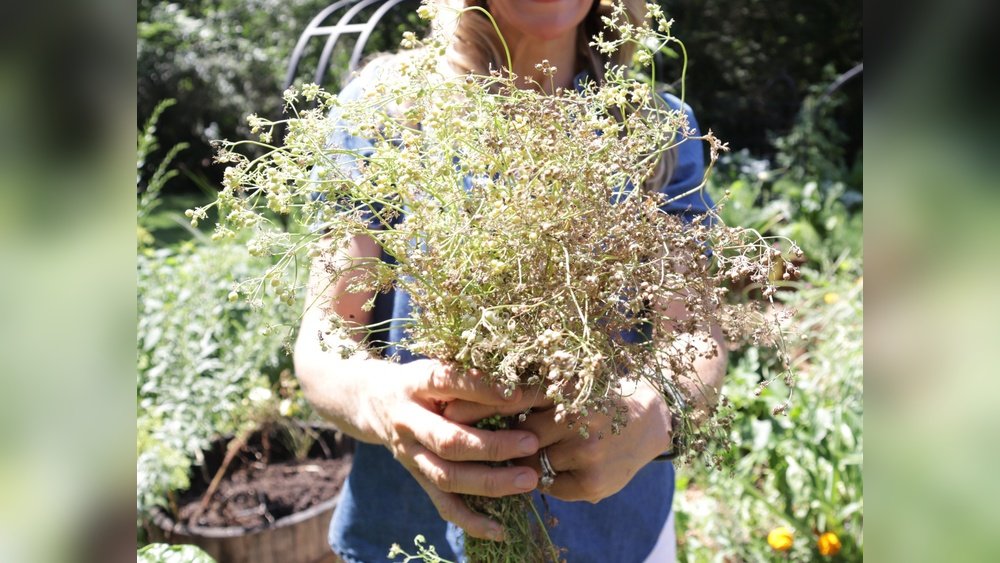
If you love fresh herbs straight from your garden, growing cilantro from seeds is a simple and rewarding way to add vibrant flavor to your meals. You might think cilantro is tricky to grow, but with the right tips, you can watch your seeds sprout into lush, fragrant plants right in your backyard or even in pots.
Imagine having a steady supply of this bright green herb whenever you need it—no more last-minute grocery runs or wilted bunches. Ready to discover the secrets to growing healthy cilantro plants that thrive? Keep reading, and you’ll learn exactly how to plant, care for, and harvest cilantro from seeds, making your garden the go-to source for fresh, flavorful herbs all season long.
Choosing Seeds
Choosing the right cilantro seeds sets the foundation for a healthy garden. The quality and type of seeds affect how well your cilantro grows. Seeds vary in size, flavor, and growth speed. Picking the best seeds ensures strong plants and a rich harvest. Understanding your options helps you select seeds that suit your garden’s climate and soil.
Types Of Cilantro Seeds
Cilantro seeds come in different varieties. Some seeds grow fast and produce tender leaves. Others are slow but yield more flavorful herbs. There are standard cilantro seeds and slow-bolting types. Slow-bolting seeds resist heat and stay fresh longer. Choose seeds based on how often you want to harvest cilantro. Some gardeners prefer regular seeds for quick growth. Others pick slow-bolting for longer leaf production.
Where To Buy Quality Seeds
Buy cilantro seeds from trusted garden centers or online stores. Look for seeds labeled organic or non-GMO for better results. Check the seed package for freshness and expiry dates. Fresh seeds germinate faster and grow stronger plants. Avoid packets with damaged or missing information. Local seed suppliers offer varieties suited to your area’s climate. Online shops provide a wider selection of rare cilantro types. Read customer reviews to find reliable sellers.

Credit: gardenmentors.com
Preparing The Garden Bed
Preparing the garden bed is the first step to growing healthy cilantro plants. A well-prepared bed gives cilantro the best start. It ensures the soil is rich and the environment suits the plant’s needs. This preparation improves seed germination and growth.
Soil Requirements
Cilantro prefers loose, well-draining soil. The soil should be rich in organic matter. A slightly acidic to neutral pH between 6.2 and 7.0 works best. Heavy clay or compacted soil can stunt growth. Adding compost improves soil texture and nutrients.
Site Selection
Choose a spot with full sun to partial shade. Cilantro grows well with at least four to six hours of sunlight daily. Avoid areas with strong winds or heavy foot traffic. Good air circulation helps prevent disease. Pick a site that drains water well to avoid root rot.
Soil Preparation Tips
Clear the area of weeds and debris before planting. Loosen the soil to a depth of about 8 inches. Mix in compost or aged manure for extra nutrients. Rake the bed smooth to create an even surface. Water the soil lightly to settle it before sowing seeds.
Planting Seeds
Planting cilantro seeds correctly sets the stage for a healthy, thriving herb garden. Proper planting ensures strong roots and lush foliage. Follow these simple guidelines to give your cilantro the best start.
Best Planting Time
Plant cilantro seeds in early spring or fall. The soil should be cool but not frozen. Avoid hot summer months as cilantro prefers cooler weather. In Austin, Texas, aim for March or September. This timing helps seeds germinate quickly and plants grow well.
Seed Spacing And Depth
Plant seeds about 1/4 inch deep in the soil. Space seeds 6 to 8 inches apart to allow room for growth. Thin seedlings if they become crowded. Good spacing improves air flow and reduces disease risk. Crowded plants struggle to grow big leaves.
Watering After Planting
Water the soil gently right after planting. Keep the soil moist but not soggy. Consistent moisture helps seeds sprout faster. Avoid overwatering, which can cause seeds to rot. Water early in the day to let soil dry by evening.

Credit: www.gardenary.com
Caring For Cilantro
Caring for cilantro properly ensures healthy growth and a flavorful harvest. This herb needs consistent attention to thrive in your garden. Simple steps in watering, sunlight, and fertilizing can make a big difference. Follow these care tips for a lush cilantro patch.
Watering Schedule
Water cilantro regularly to keep the soil moist but not soaked. Aim to water deeply once or twice a week depending on weather. Avoid letting the soil dry out completely between watering. Overwatering can cause root rot, so ensure good drainage.
Sunlight Needs
Cilantro grows best in full sunlight for at least 4 to 6 hours daily. In hotter areas, provide some afternoon shade to prevent wilting. Too much shade slows growth and reduces leaf flavor. A bright spot helps cilantro develop strong, fresh leaves.
Fertilizing Guidelines
Feed cilantro with a balanced, all-purpose fertilizer every 3 to 4 weeks during the growing season. Use a light application to avoid over-fertilizing, which can reduce leaf quality. Organic compost or slow-release fertilizers also work well for steady nutrition.
Managing Pests And Diseases
Managing pests and diseases is important for healthy cilantro plants. Pests and diseases can damage leaves and stunt growth. Early detection helps protect your garden. Using natural methods keeps your plants safe and your garden eco-friendly.
Common Pests
Aphids often attack cilantro by sucking plant juices. They cause leaves to curl and yellow. Spider mites create tiny webs and leave speckled damage on leaves. Whiteflies feed on the undersides of leaves, weakening the plant. Cutworms can chew young seedlings near the soil line. Watch plants regularly to spot these pests early.
Disease Prevention
Plant cilantro in well-drained soil to avoid root rot. Avoid overcrowding plants to improve air circulation. Water at the base, not overhead, to keep leaves dry. Remove dead or infected leaves to stop disease spread. Rotate cilantro with other crops to reduce soil-borne diseases. Clean tools and garden gloves to prevent contamination.
Organic Control Methods
Use neem oil spray to control aphids and whiteflies. Introduce ladybugs which eat aphids naturally. Spray insecticidal soap on affected leaves to reduce pests. Handpick larger pests like cutworms carefully. Use floating row covers to protect seedlings from insects. Maintain healthy soil with compost to strengthen plant resistance.

Credit: savvygardening.com
Harvesting Cilantro
Harvesting cilantro is a rewarding step in growing this flavorful herb. Knowing the right time and method to pick cilantro can improve its taste and encourage more growth. Proper harvesting also helps prevent the plant from bolting too soon. Follow these tips to enjoy fresh cilantro from your garden.
When To Harvest
Pick cilantro leaves when they are bright green and healthy. Usually, this happens about 3 to 4 weeks after planting. The leaves should be at least 4 to 6 inches long. Harvest before the plant starts to flower for the best flavor. Once flowers appear, the leaves may taste bitter.
Harvesting Techniques
Use scissors or garden shears to cut cilantro leaves. Cut the outer leaves first, leaving the inner ones to grow. Avoid pulling the plant from the soil to allow regrowth. Harvest in the morning when the leaves are fresh and full of oils. Clean cuts help the plant stay healthy.
Extending The Harvest
Regular harvesting encourages new leaf growth. Pinch off flower buds as soon as they form. Plant cilantro seeds every few weeks for a steady supply. Keep the soil moist and provide some shade in hot weather. These steps will keep your cilantro fresh longer.
Growing Cilantro In Containers
Growing cilantro in containers is a smart choice for small spaces and urban gardens. Containers let you control soil, water, and sunlight. You can move plants to catch the best light or protect them from harsh weather. This flexibility helps cilantro thrive.
Container gardening also keeps cilantro fresh and handy for cooking. It reduces weed problems and pests common in open gardens. With the right care, cilantro in containers grows healthy and flavorful.
Choosing Containers
Select containers at least 8-10 inches deep. Cilantro roots need space to grow well. Choose pots with drainage holes to avoid water buildup. Clay, plastic, or ceramic pots all work fine. Pick a size that fits your space and lets plants spread out.
Soil And Drainage Tips
Use light, well-draining potting soil for cilantro. Avoid garden soil that may hold too much water. Mix in compost to add nutrients. Make sure the container drains well to prevent root rot. Water often but do not let soil stay soggy. Keep soil moist but not wet.
Container Care
Place containers in a spot with 4-5 hours of sunlight daily. Water plants regularly, especially in hot weather. Fertilize every two weeks with a balanced, water-soluble fertilizer. Pinch off flowers to encourage leaf growth. Watch for pests like aphids and treat quickly. Harvest leaves often to keep plants producing fresh cilantro.
Troubleshooting Common Issues
Troubleshooting common issues helps keep cilantro plants healthy and productive. Growing cilantro from seeds can face challenges. These include bolting, yellow leaves, and slow growth. Each problem has simple solutions. Identifying the cause fast saves your crop and effort.
Bolting Prevention
Bolting means cilantro flowers early and stops leaf growth. Warm temperatures cause it to bolt quickly. Plant seeds in cooler weather for longer leaf growth. Provide partial shade during hot days. Water cilantro regularly to reduce stress. Harvest leaves often to delay flowering. Choose bolt-resistant cilantro varieties for better results.
Yellow Leaves Causes
Yellow leaves show plant stress or poor health. Overwatering is a common cause; roots may rot. Check soil moisture and water only when dry. Lack of nutrients also turns leaves yellow. Use balanced fertilizer to feed plants. Pests like aphids can cause damage and discoloration. Inspect leaves and treat pests early to protect your cilantro.
Slow Growth Solutions
Slow growth means plants are not thriving well. Poor soil quality limits growth speed. Add compost or organic matter to enrich soil. Cilantro prefers well-drained, loamy soil with good nutrients. Sunlight affects growth; ensure plants get at least 4-5 hours of sun. Thin seedlings to avoid crowding and boost air flow. Keep soil moist but not soaked for healthy growth.
Frequently Asked Questions
Is Cilantro Difficult To Grow From Seed?
Cilantro is easy to grow from seed with proper soil, consistent moisture, and cool weather. It germinates in 7-10 days.
Can I Plant Cilantro In September?
Yes, plant cilantro in September in mild climates for a fall harvest. It prefers cool weather and well-drained soil.
How Quickly Does Cilantro Grow From Seed?
Cilantro sprouts within 7 to 10 days after planting seeds. It reaches harvest size in about 3 to 4 weeks.
What’s The Trick To Growing Cilantro?
Grow cilantro by planting seeds in well-drained soil with full sun or light shade. Water regularly and harvest leaves early.
Conclusion
Growing cilantro from seeds brings fresh flavor right to your garden. Plant seeds in loose, well-drained soil and keep them moist. Choose a sunny spot, but provide some shade in hot climates. Thin seedlings to avoid crowding, helping plants grow strong.
Harvest leaves regularly to encourage new growth and prevent bolting. With patience and care, your cilantro will thrive and enhance many dishes. Start your garden today and enjoy homegrown cilantro’s bright, fresh taste. Simple steps lead to a healthy, flavorful herb harvest.