
Thinking about adding a beautiful pergola to your deck? You’re in the right place.
Building a pergola on your deck can transform your outdoor space into a cozy, stylish retreat perfect for relaxing or entertaining. But where do you start? You might wonder if it’s too complicated, too expensive, or if you have the right skills to pull it off yourself.
The good news is, with the right guidance, you can build a sturdy and stunning pergola on your deck without breaking the bank or calling in the pros. You’ll discover simple, step-by-step DIY tips that make the process clear and achievable. Keep reading to unlock the secrets of creating your dream pergola and take your deck to the next level!
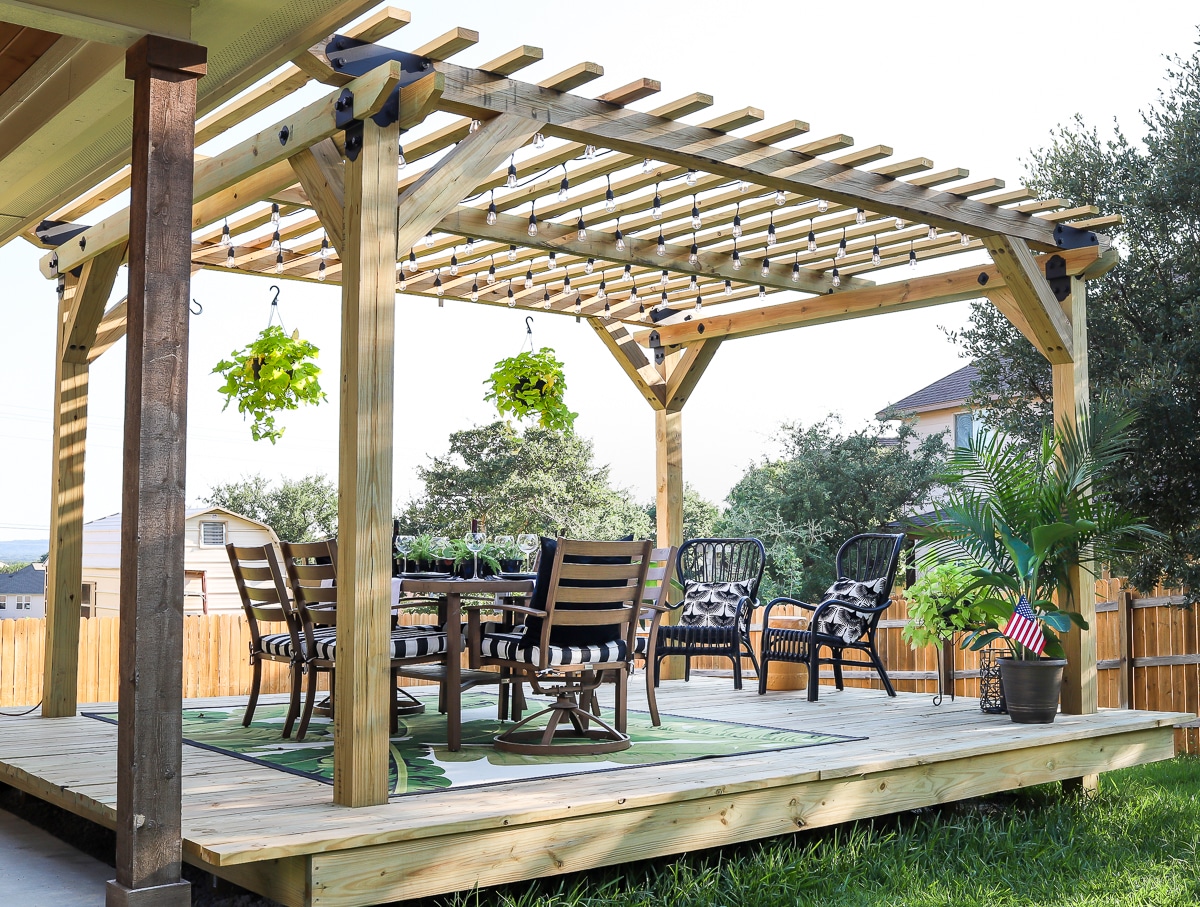
Credit: jenwoodhouse.com
Planning Your Pergola
Planning your pergola carefully sets the foundation for a successful build. This step helps avoid costly mistakes and ensures your pergola fits perfectly on your deck. Take time to think about location, size, and legal requirements before starting.
Choosing The Right Location
Pick a spot on your deck that gets the right amount of sun and shade. Consider how you will use the space under the pergola. Avoid areas with low clearance or obstacles like vents or lights. Think about the view and privacy too.
Measuring Your Deck Space
Measure the deck area where you want the pergola. Use a tape measure to get length and width. Allow space for walking and furniture. Double-check measurements to avoid errors. Accurate size helps plan materials and design.
Checking Local Codes And Permits
Check local building codes before you build. Some areas require permits for decks and pergolas. Visit your city or county website or call the building department. Follow rules on height, setbacks, and materials. Permits keep your project legal and safe.
Selecting Materials
Selecting the right materials is a crucial step in building a pergola on your deck. The materials affect the pergola’s look, durability, and maintenance needs. Choosing the right tools and deciding between a kit or building from scratch also impact your project’s success. This section will guide you through these important choices.
Wood Vs Metal Options
Wood offers a classic, natural look. It blends well with outdoor spaces and can be painted or stained. Cedar and redwood resist rot and insects. Pressure-treated wood is more affordable but needs regular care.
Metal, like aluminum or steel, is strong and low-maintenance. Metal pergolas last longer and resist weather better. They come in various finishes but may feel less warm than wood. Metal can be pricier upfront but saves time on upkeep.
Tools You Will Need
Gather essential tools before starting. You will need a measuring tape, drill, level, saw, and screwdriver. Safety gear like gloves and goggles is important. A ladder helps reach high spots. Having the right tools makes the build easier and safer.
Buying A Kit Or Building From Scratch
Kits include pre-cut parts and instructions. They save time and fit most decks. Kits usually cost less and are good for beginners. The designs and sizes are limited.
Building from scratch lets you customize size and style. You choose materials and details. This option takes more time and skill. It can lead to a better fit and higher quality. Mistakes can be costly, so plan carefully.
Preparing The Deck
Preparing the deck is the first step in building a sturdy pergola. It ensures the deck can support the extra weight and stress. Careful preparation prevents damage and keeps everyone safe. Follow these key steps before you start construction.
Inspecting Deck Strength
Check the deck’s overall condition. Look for signs of rot, cracks, or loose boards. Ensure the joists and beams are solid and stable. Use a level to confirm the deck surface is even. Test the deck by applying pressure on different areas. If the deck feels weak, reinforce it before adding the pergola.
Marking Post Locations
Decide where the pergola posts will sit on the deck. Measure and mark precise spots for each post. Space them evenly to balance the structure. Use a pencil or chalk to create clear marks. Double-check measurements to avoid mistakes. Correct post placement makes the pergola stronger and more attractive.
Reinforcing Deck Structure
Add extra support where the pergola posts will attach. Use metal brackets or additional lumber to strengthen the joists. Secure reinforcements with screws or bolts for a firm hold. Reinforcing prevents sagging and increases safety. Take time on this step to build a lasting pergola.

Credit: www.youtube.com
Building The Pergola Frame
Building the pergola frame is the key step in your deck project. A strong frame ensures your pergola stands firm and looks great. Follow each step carefully to get a solid structure. Use quality wood and tools for the best results.
Installing Support Posts
Start by measuring and marking where the support posts will go. Use sturdy wood posts that match your deck’s style. Securely attach the posts to the deck using metal post brackets. Make sure the posts are perfectly vertical. Check with a level before tightening bolts. Properly installed posts provide the main support for the entire pergola.
Adding Crossbeams
Next, place the crossbeams on top of the support posts. These beams connect the posts and give the pergola its shape. Cut the beams to the right length. Use wood screws or bolts to fasten the crossbeams firmly. Ensure they are evenly spaced and aligned. Crossbeams add strength and allow you to attach rafters later.
Securing Rafters
Finally, attach the rafters across the crossbeams. Rafters create the overhead lattice that defines a pergola. Cut rafters to fit the width of your frame. Space rafters evenly to create shade and style. Use screws or nails to secure rafters to the crossbeams. Double-check all connections for tightness. Properly secured rafters complete your pergola frame and prepare it for finishing touches.
Finishing Touches
Finishing touches bring your pergola to life. They protect the wood and enhance its beauty. Thoughtful details make your outdoor space inviting and comfortable. Focus on sanding and sealing, adding decorative elements, and installing shade options. These steps complete your DIY pergola project with style and function.
Sanding And Sealing Wood
Start by sanding all wooden surfaces smoothly. Use fine-grit sandpaper for a clean finish. Sanding removes rough spots and splinters. This step helps the wood absorb sealant evenly.
Next, apply a high-quality wood sealant. Choose one that protects against moisture and UV rays. Seal all sides, including ends and edges. This prevents wood from cracking or warping. Let the sealant dry completely before use.
Adding Decorative Elements
Decorative touches add charm to your pergola. String lights create a cozy atmosphere for evenings. Add hanging plants or flower baskets for natural beauty. Consider curtains or fabric panels for a soft look.
Use metal brackets or ornamental braces to enhance the structure’s style. Choose designs that match your outdoor décor. Small details make your pergola unique and welcoming.
Installing Shade Or Cover Options
Shade options improve comfort during sunny days. Install retractable canopies or fabric sails for flexible coverage. These provide protection while letting you control sunlight.
Wood or vinyl lattice panels add partial shade and privacy. Climbing plants like vines can grow on the lattice for natural coverage. Another choice is polycarbonate roofing, which blocks rain but lets light through.
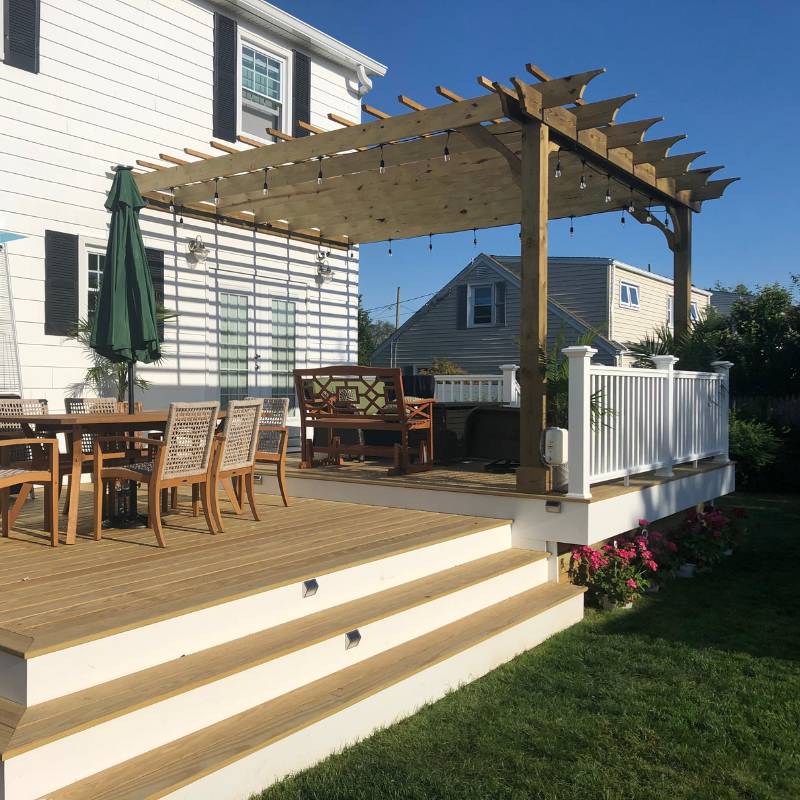
Credit: pergoladepot.com
Maintenance Tips
Maintaining your pergola keeps it strong and beautiful for years. Simple care protects your investment and ensures safety. Use these maintenance tips to enjoy your pergola without hassle.
Regular Cleaning
Clean your pergola often to remove dirt and debris. Use a soft brush or cloth with mild soap and water. Avoid harsh chemicals that can damage wood or paint. Rinse well and let it dry completely.
Clear leaves and bird droppings regularly. This prevents stains and decay. A clean pergola looks fresh and inviting.
Checking For Damage
Inspect your pergola monthly for cracks, splinters, or loose parts. Tighten screws and bolts as needed. Look for signs of wood rot or insect damage. Early repair stops small issues from growing.
Pay special attention after storms or strong winds. Repair damaged areas quickly to keep your pergola safe and stable.
Seasonal Care
Prepare your pergola for seasonal changes. In winter, remove snow buildup to avoid weight damage. Cover or seal wood to protect it from moisture and cold.
In summer, check for sun damage. Apply UV-protective finishes if needed. Proper seasonal care extends your pergola’s life and keeps it looking great.
Common Mistakes To Avoid
Building a pergola on your deck is a rewarding project. Avoiding common mistakes saves time and money. Careful planning ensures your pergola lasts for years. Here are key errors to avoid for a strong, safe structure.
Ignoring Deck Weight Limits
Your deck has a weight capacity. Adding a pergola increases the load. Too much weight can damage the deck or cause collapse. Check your deck’s weight limits before starting. Consult a professional if unsure. Use lighter materials or reinforce the deck as needed.
Skipping Permits
Many areas require permits for deck and pergola additions. Skipping permits can lead to fines or forced removal. Contact your local building department before building. Submit plans and get approval. Following rules keeps your project legal and safe.
Poor Weatherproofing
Exposure to rain and sun can ruin your pergola fast. Use weather-resistant wood or materials. Seal and paint all surfaces properly. Protect joints and connections from water damage. Regular maintenance extends your pergola’s life and appearance.
Frequently Asked Questions
Can I Put A Pergola On A Deck?
Yes, you can install a pergola on a deck by securely anchoring its posts to the deck structure. Many kits suit deck installation. This setup saves yard space and enhances outdoor living areas effectively. Ensure the deck supports the pergola’s weight for safety and durability.
Is It Cheaper To Build A Pergola Or Buy A Kit?
Buying a pergola kit usually costs less upfront than building from scratch. Kits save on labor but may limit customization. Custom builds offer better quality and design flexibility but cost more. Choose based on budget, desired features, and willingness to invest time in assembly.
What Are Common Pergola Mistakes?
Common pergola mistakes include poor planning, ignoring local codes, using low-quality materials, inadequate support, and improper anchoring. Avoid uneven spacing, skipping waterproofing, and neglecting maintenance to ensure durability and safety.
What Is The Cheapest Way To Build A Pergola?
The cheapest way to build a pergola is using a basic DIY kit with wood or aluminum. Assemble it yourself to save labor costs.
Conclusion
Building a pergola on your deck adds charm and shade. Follow clear steps to ensure a strong, safe structure. Use quality materials to make it last longer. Take your time and measure carefully for a perfect fit. Enjoy your new outdoor space for relaxing or entertaining friends.
A well-built pergola can increase your home’s value and appeal. Start your project with confidence and create a lovely deck upgrade.