
Are you ready to brighten up your space with beautiful small flowers but unsure how to get started? Using a trowel to plant flowers in containers is easier than you might think, and with the right technique, you can create stunning arrangements that thrive.
Whether you’re new to gardening or looking to sharpen your skills, learning how to handle a trowel properly will make planting quicker, cleaner, and more enjoyable. In this guide, you’ll discover simple, step-by-step tips to help you dig, plant, and nurture your small flowers so they flourish right in your containers.
Let’s dive in and transform your pots into vibrant floral displays you’ll love!

Credit: www.dreamstime.com
Choosing The Right Trowel
Choosing the right trowel makes planting small flowers in containers easier. The right tool fits your hand well and suits the task. It helps you dig, move soil, and plant with care. A good trowel saves time and protects your plants and fingers.
Types Of Trowels
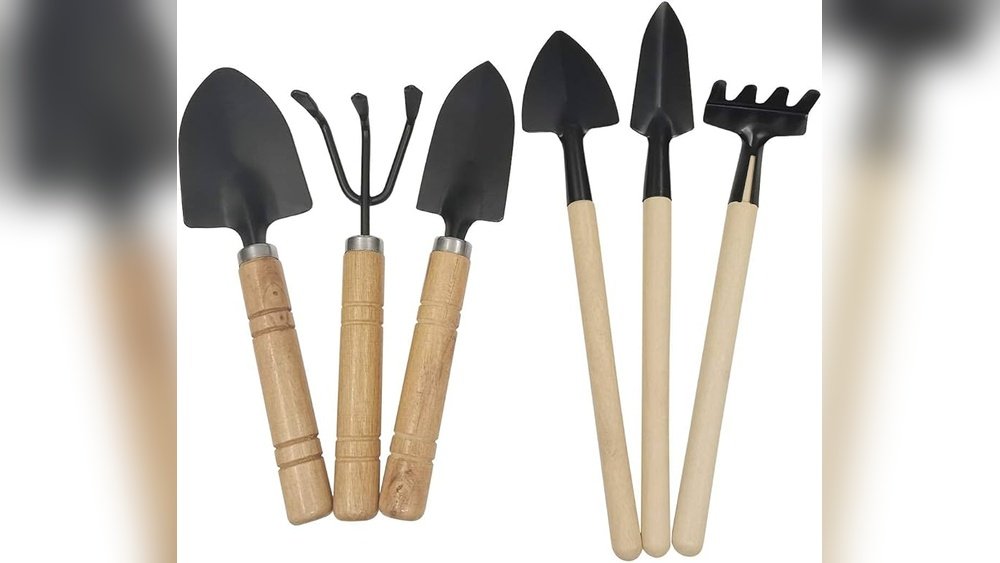
There are several types of trowels for different gardening jobs. A garden trowel has a wide, curved blade for digging and scooping soil. A transplanting trowel is narrow and long, ideal for small plants and tight spaces. A digging trowel is sturdy and strong, made for breaking tough soil.
Choose a type that fits your container size and flower roots. For small flowers, a transplanting trowel often works best. It helps you dig precise holes without disturbing nearby plants.
Material And Size Considerations
Trowels come in various materials like stainless steel, carbon steel, and plastic. Stainless steel resists rust and is easy to clean. Carbon steel is strong but may need more care to avoid rust. Plastic trowels are lightweight but less durable.
Handle size and grip matter too. Small hands need a smaller handle for comfort. Look for a trowel with a non-slip grip to avoid accidents. The blade size should match your container and flower size. A smaller blade fits better in tight spaces.
Preparing Your Container
Preparing your container is the first step to growing beautiful small flowers. This step sets the foundation for healthy plants. The right container, drainage, and soil mix help flowers thrive. Let’s explore how to prepare your container properly.
Selecting Suitable Containers
Choose containers that match the size of your flowers. Small flowers need pots that are not too big or too small. Clay, plastic, or ceramic pots work well. Pick containers with enough space for roots to grow. Also, consider the weight if you plan to move the pots often.
Ensuring Proper Drainage
Drainage is key to prevent water from pooling at the bottom. Check if your container has holes at the base. If not, drill some small holes to allow excess water to escape. Place a layer of small stones or broken pottery shards at the bottom. This layer improves drainage and keeps roots healthy.
Filling With Quality Potting Mix
Use a light, well-draining potting mix instead of garden soil. Quality potting mix contains nutrients and holds moisture well. Fill the container almost to the top, leaving some space for watering. Avoid compacting the soil too much. A loose mix lets roots spread easily and absorb water better.
Plant Selection For Containers
Selecting the right plants for your containers makes all the difference. Small flowers can brighten patios, balconies, and windowsills. The choice depends on space, light, and your style. Choose plants that stay small and adapt well to pots. Healthy plants grow better and need less care. Pick flowers with colors and shapes you enjoy. This helps create a lovely, cozy container garden.
Best Small Flowers For Pots
Petunias offer bright colors and bloom all season. Marigolds are hardy and repel pests naturally. Pansies bring cheerful faces and grow well in cool weather. Lobelia adds delicate blue or purple flowers. Alyssum fills gaps with tiny, fragrant blooms. These flowers stay compact and thrive in containers. They need regular watering and some sunlight. Choose flowers with similar care needs to keep your pots healthy.
Seasonal Planting Tips
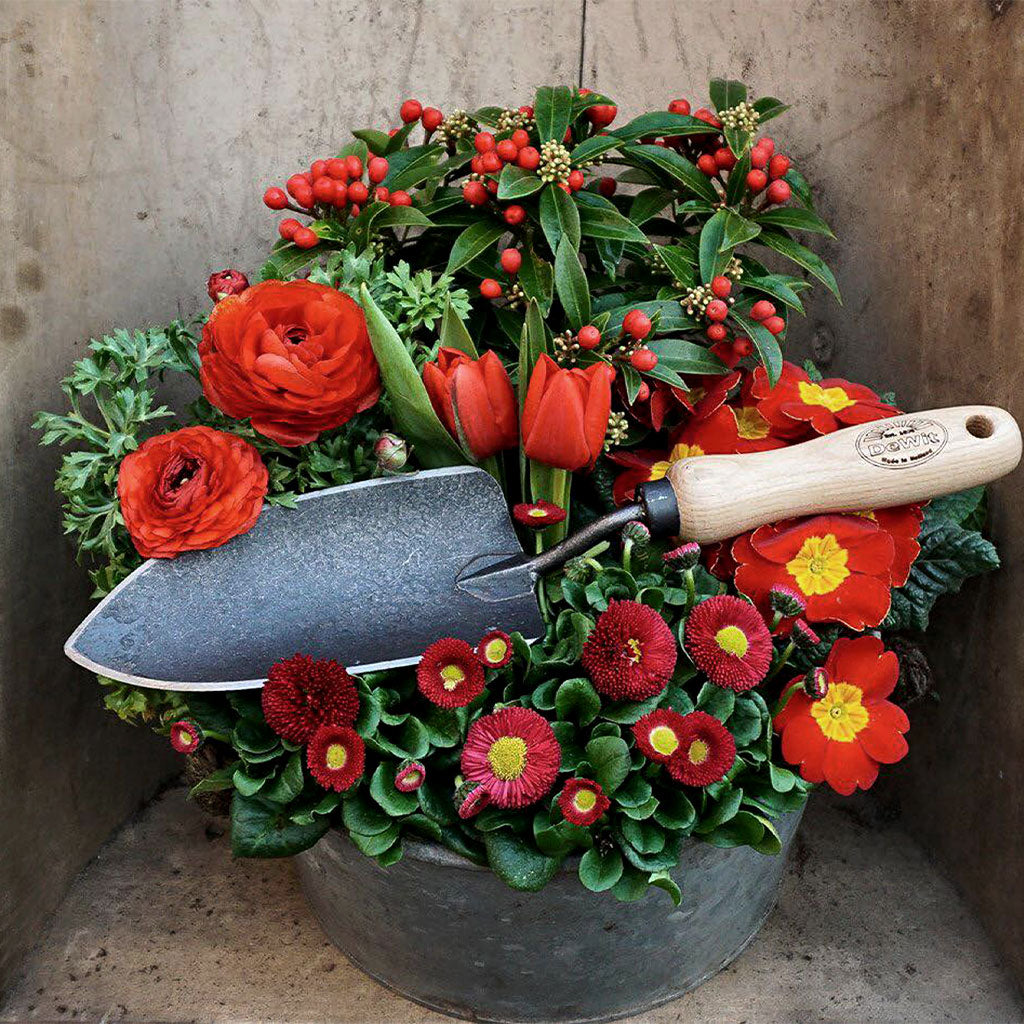
Spring is ideal for planting most flowers in containers. Start with cool-season bloomers like pansies and snapdragons. Summer suits petunias and marigolds that love warmth. In fall, plant hardy perennials and bulbs like tulips. Winter containers can hold evergreen plants or winter pansies. Adjust watering as temperatures change. Use fresh soil and clean pots for each new season. Seasonal planting keeps your containers colorful year-round.
Credit: www.gardenyourway.com
Planting With A Trowel
Planting small flowers in containers becomes easier with the right trowel technique. A trowel helps move soil precisely and gently. It creates space for roots and ensures flowers settle well in their new home. Follow these steps for better planting results.
Digging The Perfect Hole
Use the trowel to dig a hole slightly larger than the plant’s root ball. The hole must be deep enough to hold the roots without bending them. A well-sized hole helps plants grow stronger and prevents root damage.
Removing Plants From Nursery Pots
Hold the plant gently by its base. Turn the pot upside down and tap the sides softly. Slide the plant out carefully to keep roots intact. Avoid pulling hard to prevent breaking roots or stems.
Loosening And Positioning Roots
Check the roots for tight circles or clumps. Use the trowel or fingers to loosen them gently. Spread the roots out in the hole to encourage healthy growth. Proper root placement helps plants absorb water and nutrients better.
Filling And Firming Soil Around Plants
Fill the hole with potting soil around the roots. Use the trowel to add soil slowly, covering roots completely. Press the soil lightly with your fingers to remove air pockets. Firm soil keeps plants stable and supports root development.
Watering And Maintenance
Watering and maintenance are key for healthy small flowers in containers. Proper care helps plants grow strong and bloom beautifully. Containers need regular attention because they dry out faster than garden beds. Knowing how to water and maintain plants ensures they thrive in limited space.
Avoiding Overwatering
Overwatering is a common mistake with container flowers. It can cause root rot and kill the plants. Always check the soil before watering. Insert your finger about an inch deep. If it feels dry, it is time to water. Water slowly until it drains from the bottom. Avoid leaving containers sitting in water.
Regular Care Tips
Feed small flowers with a balanced liquid fertilizer every two weeks. Remove dead leaves and faded blooms to encourage new growth. Keep containers in a spot with enough sunlight, usually six hours daily. Rotate pots to help even growth on all sides. Watch for pests and treat them early to protect your plants.
Troubleshooting Common Issues
Troubleshooting common problems when using a trowel to plant small flowers in containers helps ensure healthy growth. Small errors can cause issues like root damage, poor drainage, or unhealthy foliage. Knowing how to fix these problems keeps your flowers thriving and your gardening effort rewarding.
Preventing Root Rot
Root rot occurs when soil stays too wet for too long. It damages roots and stops plants from absorbing nutrients. Use a well-draining potting mix to avoid water buildup. Make sure containers have drainage holes. After planting, water just enough to keep soil moist, not soggy. Remove any dead or soft roots before planting with a trowel. This helps flowers grow strong and healthy.
Dealing With Poor Drainage
Poor drainage causes water to pool at the bottom of containers. This can drown roots and harm plants. Check if your container has enough drainage holes. Add a layer of small stones or broken pottery pieces at the bottom for better water flow. Use a light, airy soil mix that drains well. Avoid compacting soil too much when planting with a trowel. Good drainage prevents many common plant problems.
Addressing Wilting And Yellowing
Wilting and yellowing leaves signal stress in small flower plants. Too much or too little water often causes these signs. Check soil moisture regularly using your finger or a moisture meter. Make sure plants get enough sunlight but avoid harsh, direct afternoon sun. Nutrient deficiency can also cause yellowing. Feed flowers with a balanced fertilizer as needed. Proper care after planting with a trowel keeps flowers vibrant and lively.
Enhancing Container Displays
Enhancing your container displays brings small flowers to life. Thoughtful care and design make containers stand out. Using a trowel to plant is just the start. Adding mulch and fertilizers keeps plants healthy. Arranging plants for visual appeal creates a charming scene.
Using Mulch And Fertilizers
Mulch helps keep soil moist and cool. It also stops weeds from growing around your plants. Spread a thin layer of mulch after planting. Use organic mulch like bark or straw for best results.
Fertilizers provide nutrients that flowers need. Choose a balanced fertilizer with equal parts nitrogen, phosphorus, and potassium. Apply it according to package instructions. This encourages strong roots and bright blooms. Feeding regularly keeps flowers healthy and vibrant.
Arranging Plants For Visual Appeal
Place taller flowers in the center or back of the container. Put shorter plants near the edges. This creates depth and balance. Mix different colors and textures for interest. Group plants with similar watering needs together.
Leave enough space between plants to grow. Crowding can cause poor air flow and disease. Use your trowel to adjust plant positions easily. A well-arranged container looks full and inviting all season.
Credit: www.etsy.com
Frequently Asked Questions
What Is The Most Common Mistake With Container Plants?
The most common mistake with container plants is overwatering, which causes root rot due to poor drainage.
How To Plant Small Potted Flowers?
Dig a hole slightly larger than the root ball. Remove the flower gently from its pot. Loosen roots and place the plant in the hole. Fill around roots with fresh potting mix. Firm soil gently to secure the plant and water thoroughly.
Is October Too Late To Plant Flowers?
October is a great time to plant spring-blooming bulbs, hardy perennials, and cool-season annuals. Cooler soil aids root growth.
What Is The Number One Cause Of Death For Plants Growing In Containers?
The number one cause of death for container plants is overwatering. Excess water drowns roots and causes root rot.
Conclusion
Using a trowel makes planting small flowers in containers simple and neat. Start by digging a small hole for each plant’s roots. Place the flower gently, then fill soil around it, pressing lightly. This helps the plant stay secure and grow well.
Water your flowers after planting to keep soil moist. With practice, you will enjoy the process and see your container garden bloom beautifully. Small steps bring great results in container gardening. Keep your tools clean and ready for the next planting day.
Happy gardening!