
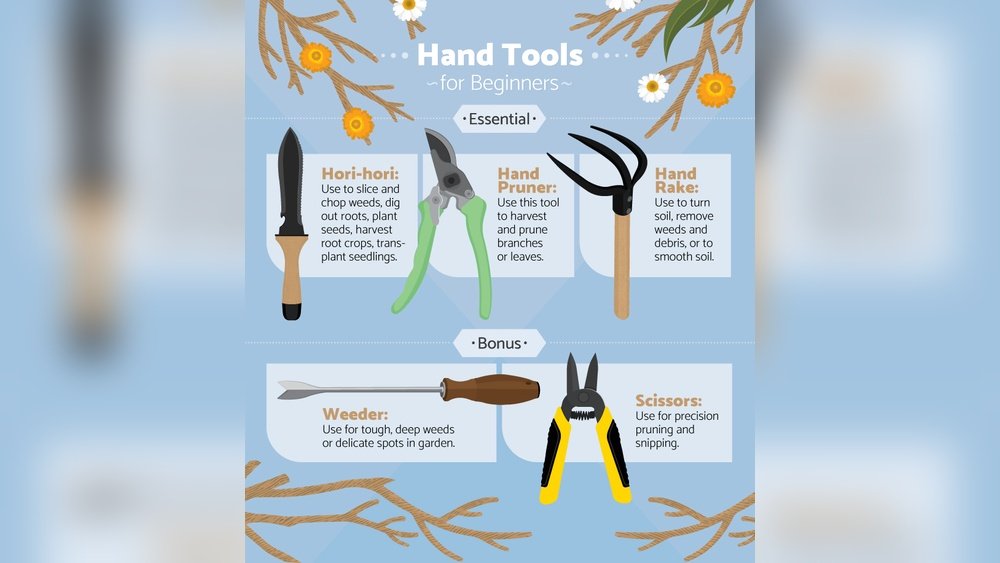
Choosing the right gardening tools can make all the difference when it comes to creating a beautiful flower garden. If you want your blooms to thrive and your gardening experience to be enjoyable, you need tools that are comfortable, efficient, and suited to your specific needs.
But with so many options out there, how do you know which ones are truly the best for your flower garden? You’ll discover simple tips to help you pick the perfect tools that will save you time, reduce effort, and bring out the best in your garden.
Keep reading, and soon you’ll be ready to dig in with confidence and watch your flowers flourish like never before.
Essential Tools For Flower Gardening
Choosing the right tools makes flower gardening easier and more enjoyable. Essential tools help you plant, nurture, and maintain your garden. These tools save time and reduce effort. Every flower gardener needs a mix of hand tools, power tools, and protective gear. Each category plays a key role in garden care and plant health.
Hand Tools You Need
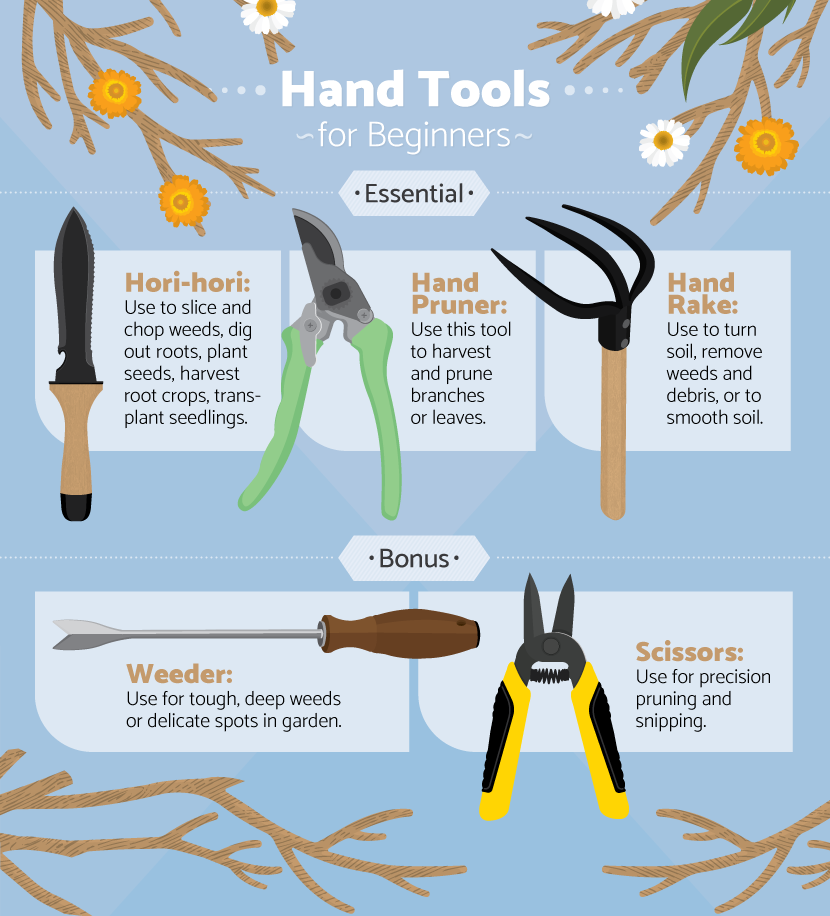
Hand tools are the foundation of flower gardening. A sturdy trowel helps with digging small holes and transplanting seedlings. A hand fork breaks up soil and removes weeds efficiently. Pruning shears keep flowers neat and healthy by trimming dead or overgrown parts. Gloves protect your hands from dirt, thorns, and sharp objects. These tools are easy to use and perfect for detailed work around flowers.
Power Tools To Consider
Power tools save time and effort in larger flower gardens. A cordless electric trimmer helps shape edges and trim grass near flower beds. A small tiller breaks up hard soil faster than hand tools. Leaf blowers keep the garden clean by removing fallen leaves and debris. Choose lightweight and easy-to-handle models to avoid fatigue. Power tools speed up chores and help maintain a tidy flower garden.
Protective Gear
Gardening can expose you to cuts, dirt, and sun. Protective gear keeps you safe and comfortable. Gardening gloves prevent blisters and protect skin from irritants. Wear a wide-brimmed hat to shield your face from the sun. Use knee pads or a kneeling mat to reduce strain during planting and weeding. Safety glasses protect your eyes from flying debris. Protective gear ensures you can garden longer without discomfort or injury.

Credit: www.urbanplant.in
Choosing Tools By Garden Size
Choosing gardening tools depends greatly on the size of your flower garden. The right tools make planting and maintaining easier. Each garden size needs specific tools to save time and effort.
Small Flower Beds
Small flower beds need compact and lightweight tools. Hand trowels and small pruning shears work best. These tools help you dig, plant, and trim easily in tight spaces. A hand fork is useful for loosening soil without damaging nearby plants. Choose tools with comfortable grips to reduce hand strain.
Medium-sized Gardens
Medium gardens need a mix of hand tools and longer-handled tools. A garden spade and hoe help with digging and weeding larger areas. Use pruning shears and loppers for trimming shrubs and flowers. A watering can or hose with a spray nozzle is essential for regular watering. Pick tools that are sturdy but easy to handle.
Large Garden Areas
Large flower gardens require heavy-duty and efficient tools. Long-handled shovels, rakes, and garden forks cover more ground quickly. Choose ergonomic tools to reduce fatigue during long work sessions. Consider powered tools like a garden tiller or electric pruner for tough jobs. Durable gloves protect your hands during extended gardening.
Material And Durability
Choosing the right material for your gardening tools affects their strength and lifespan. Durable tools save money and make gardening easier. Knowing the differences in materials helps you pick tools that last long in your flower garden.
Steel Vs Aluminum
Steel tools are strong and hold sharp edges well. They handle tough soil and roots without bending. Aluminum tools weigh less and are easier to carry. They resist rust but may bend under heavy use. For heavy digging, steel works better. For light tasks, aluminum is a good choice.
Wooden Vs Plastic Handles
Wooden handles feel comfortable and absorb shock well. They can last years if kept dry and clean. Plastic handles are lighter and often cheaper. Some plastics can crack or become slippery when wet. Wood can be sanded smooth if rough. Choose handles that fit your hand size and grip easily.
Rust Resistance
Rust weakens tools and makes them hard to use. Stainless steel tools resist rust well and need less care. Painted or coated metals also protect against rust. Store tools in dry places to prevent rust. Clean tools after use to keep them rust-free and working smoothly.
Credit: baysidegardencenter.com
Ergonomics And Comfort
Choosing gardening tools that feel good in your hands helps you enjoy planting flowers more. Tools made with ergonomics reduce strain on your wrists and fingers. Comfort in gardening tools means you can work longer without pain or tiredness. This section covers how handle design, weight, and special tools help your flower garden work stay easy and fun.
Handle Design
Good handle design fits your hand shape well. Rounded or cushioned handles stop blisters and calluses. Soft grips absorb shocks from digging or cutting. Look for tools with handles that feel natural and secure. Textured surfaces prevent slipping when your hands get wet or sweaty. This keeps control high and effort low.
Weight And Balance
Lightweight tools reduce arm fatigue during long gardening sessions. Balanced tools have weight evenly spread between the head and handle. This balance makes cutting, digging, or pruning easier. Heavy tools can cause wrist pain and slow your work. Test tools by lifting them before buying. Choose tools that feel steady and light in your hands.
Tools For Seniors And Beginners
Seniors and beginners need tools designed for ease and safety. Tools with extra-large handles help those with weak grip strength. Long-handled tools reduce bending and reaching, protecting the back. Spring-loaded pruners make cutting less hard. Choose tools that help you work gently and avoid injury. Comfortable tools encourage more time in the garden.
Specialized Tools For Flowers
Specialized tools make flower gardening easier and more enjoyable. They help care for delicate plants and keep your garden healthy. Choosing the right tools saves time and effort while improving flower growth. Focus on tools designed for pruning, planting, and watering flowers effectively.
Pruners And Shears
Pruners and shears are essential for trimming flowers and shaping plants. Use sharp, clean blades to cut stems without crushing them. Bypass pruners work well for live branches, while anvil pruners suit dead wood. Choose lightweight tools with comfortable handles to reduce hand fatigue.
Planting And Weeding Tools
Planting tools like trowels and bulb planters help dig precise holes for seeds and bulbs. Small hand forks and weeders remove weeds carefully around flower roots. Select tools with strong, rust-resistant metal heads and ergonomic grips. These tools protect delicate roots and avoid soil disturbance.
Watering Equipment
Watering flowers needs gentle, even water flow to avoid damage. Use watering cans with fine rose heads or adjustable nozzles on hoses. Soaker hoses deliver water slowly to roots, reducing evaporation. Choose equipment that offers control and convenience for daily watering tasks.
Budgeting For Quality Tools
Choosing the right gardening tools requires smart budgeting. Quality tools last longer and work better. Spending wisely saves money in the long run. Balance cost with durability for the best value. Planning your tool purchases helps avoid unnecessary expenses.
Investing In Key Tools
Focus on tools you will use often. A sturdy trowel, pruning shears, and gloves are essentials. These tools must handle regular use without breaking. Spending more on these can reduce replacement costs. Look for tools with strong handles and sharp blades. These features improve comfort and efficiency.
Affordable Alternatives
Some tools do not need top-tier quality. Look for budget-friendly brands with good reviews. Basic hand tools can be functional without high price tags. Consider second-hand tools in good condition. Local markets or online shops often have deals. Test tools before buying to ensure comfort and strength.
Maintenance Tips To Extend Life
Clean tools after every use to prevent rust and dirt build-up. Sharpen blades regularly to keep cutting smooth. Store tools in a dry place to avoid moisture damage. Oil metal parts to keep them moving freely. Tighten loose screws and replace worn handles promptly. Proper care makes tools last for years.
Where To Buy Gardening Tools
Finding the right place to buy gardening tools makes a big difference for your flower garden. Different shops offer various selections, prices, and quality. Choosing where to shop depends on your needs, budget, and convenience. Consider local stores, online shops, or even secondhand options for your garden tools.
Local Nurseries And Garden Centers
Local nurseries often carry tools made for your region’s climate. You can see and touch the tools before buying. Staff at these centers usually have good advice for beginners. They may offer tools that suit flower gardening specifically. Supporting local shops helps your community too.
Online Retailers And Marketplaces
Online stores offer a huge variety of gardening tools. You can compare prices and read reviews easily. Some sites provide detailed descriptions and videos to help your choice. Shopping online saves time and often delivers right to your door. Look for trusted retailers with good customer feedback.
Secondhand And Diy Options
Used tools can be a smart way to save money. Check local markets, garage sales, or online classifieds. Tools in good condition often cost much less than new ones. You can also fix or improve old tools yourself. DIY options let you create custom tools for your flower garden.
Maintaining Your Gardening Tools
Maintaining your gardening tools keeps them working well and lasting longer. Clean tools help prevent plant diseases. Sharp tools make gardening easier and safer. Proper care saves money by reducing the need to buy new tools often.
Cleaning And Sharpening
After each use, remove dirt and plant residue from your tools. Use a stiff brush or cloth with water to clean them. Dry tools fully to stop rust from forming. Sharpen blades regularly with a sharpening stone or file. Sharp tools cut plants smoothly and reduce damage.
Storage Solutions
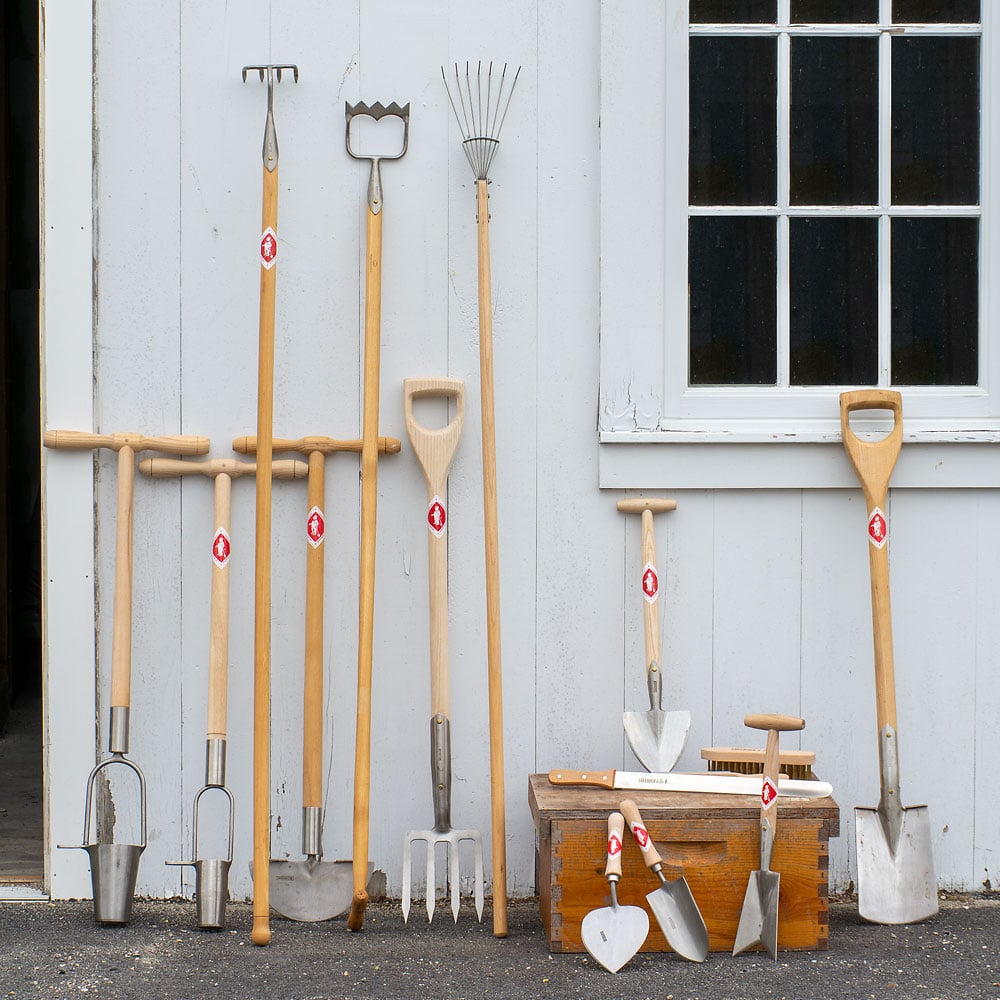
Store tools in a dry, covered place to protect from weather. Use hooks or racks to keep tools organized and off the ground. Keep small tools in a toolbox to avoid losing them. Proper storage prevents rust and keeps tools ready for use.
Seasonal Care
Before winter, clean and dry all tools thoroughly. Apply a light coat of oil to metal parts to stop rust. Check handles for cracks and sand rough spots smooth. Replace or repair broken parts before the next gardening season. Seasonal care keeps tools safe and functional year-round.
Credit: www.whiteflowerfarm.com
Frequently Asked Questions
What Are Essential Tools For A Flower Garden?
Essential tools include pruners, a trowel, gloves, and a watering can. These help with planting, trimming, and maintaining flowers effectively.
How To Choose The Right Gardening Gloves?
Select gloves that fit well, offer protection, and are durable. Breathable materials improve comfort during long gardening sessions.
Why Are Pruning Tools Important For Flower Gardens?
Pruning tools keep plants healthy by removing dead or overgrown branches. This encourages blooming and maintains garden shape.
How To Pick Gardening Tools For Beginners?
Start with basic tools like a trowel, gloves, and pruning shears. Choose ergonomic designs for ease of use.
Conclusion
Choosing the right gardening tools makes flower care easier and more fun. Good tools help you plant, prune, and maintain your garden well. Focus on comfort, quality, and what fits your garden size. Simple tools often work best for beginners.
Take care of your tools to make them last longer. Happy gardening starts with the right equipment in hand. Your flower garden will thank you for the effort!