
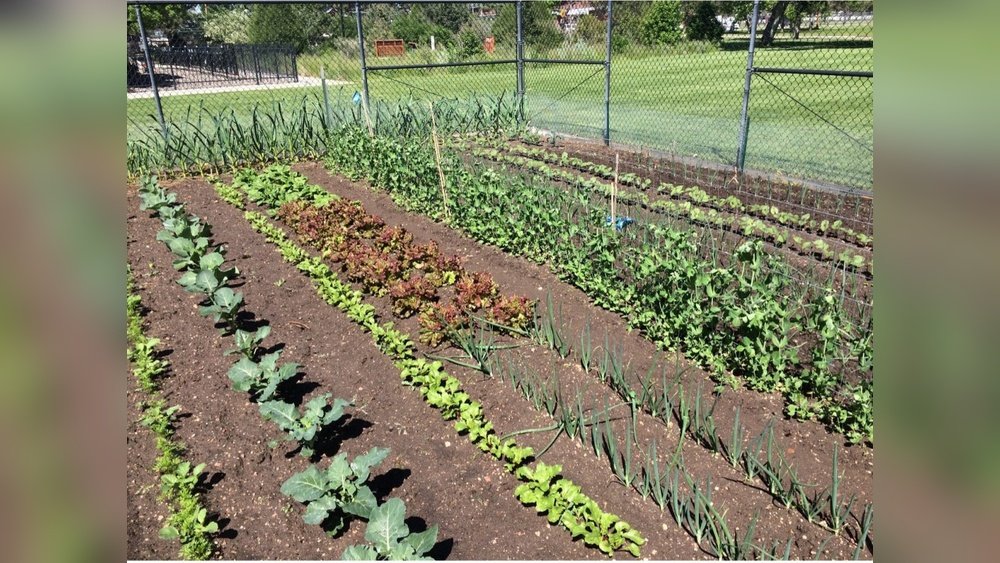
Starting a community garden plot is exciting, but choosing the right tools can make all the difference between a thriving garden and a frustrating experience. You might wonder which tools are truly necessary and how to pick the best ones that fit your needs and budget.
The truth is, having the right equipment not only saves you time and effort but also helps your plants grow stronger and healthier. You’ll discover simple, practical tips to select tools that match your garden’s size and your personal style.
Keep reading to learn how to build your perfect gardening toolkit and enjoy every moment spent nurturing your community garden.
Essential Tools For Community Gardens
Choosing the right tools for a community garden helps everyone work better. Tools should be simple and useful. They must fit many tasks and users. Good tools save time and effort. They also keep the garden healthy and growing strong. A mix of basic and special tools works best. Sharing and storing tools well keeps the garden neat and ready.
Basic Hand Tools
Basic hand tools are the backbone of any garden. Every gardener needs a trowel for digging small holes. A hand fork helps loosen soil and remove weeds. A pruning shear cuts small branches and plants cleanly. A hoe breaks up soil and clears weeds quickly. Rakes collect leaves and level soil. These tools are light and easy for all ages.
Specialized Equipment
Some garden tasks need specialized tools for better results. A wheelbarrow moves soil, plants, and compost fast. Garden gloves protect hands from cuts and dirt. A watering can or hose with a spray nozzle helps water plants gently. Soil testers check pH and nutrients to grow strong plants. Raised bed tools make planting and harvesting easier. These tools improve garden care and boost productivity.
Tool Sharing And Storage
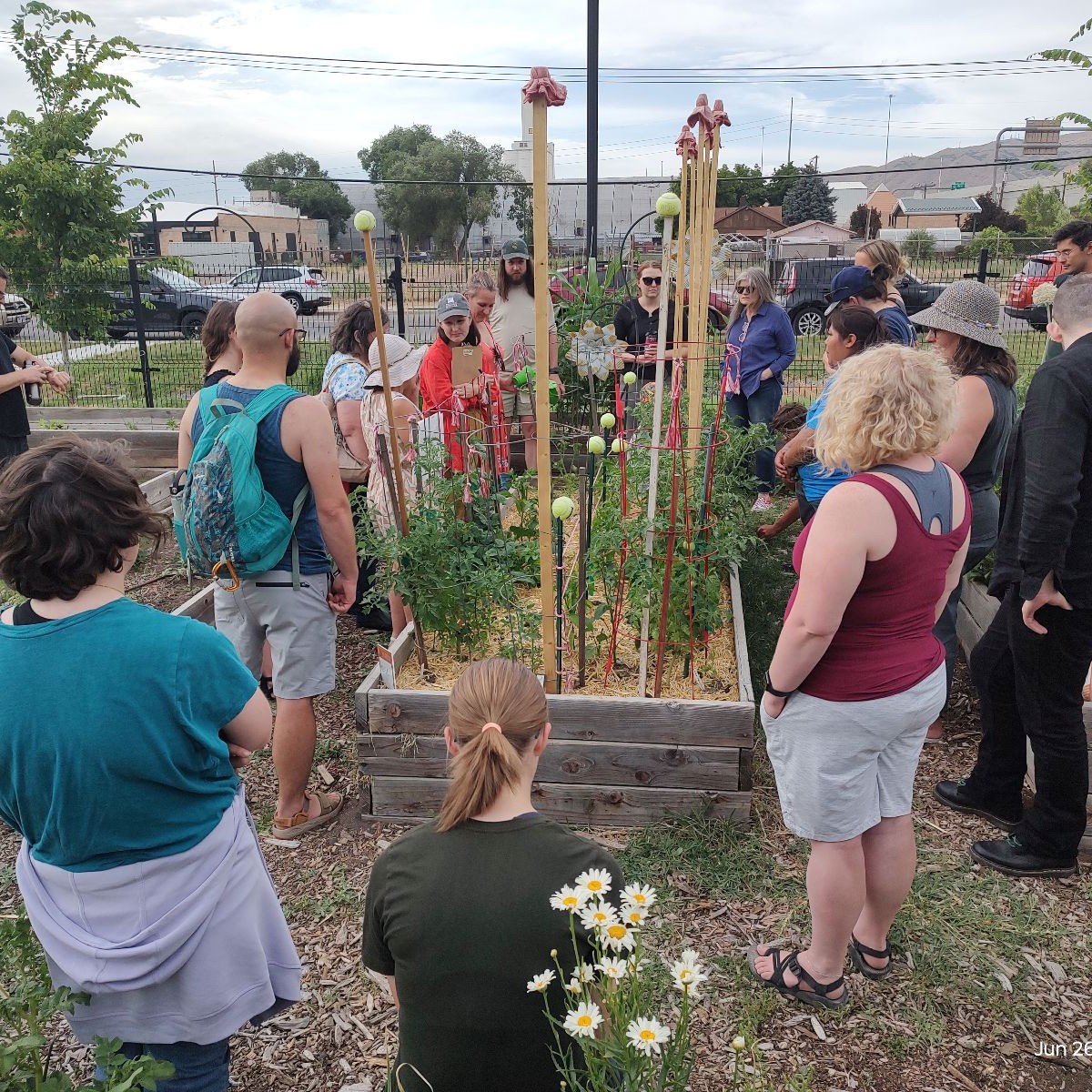
Community gardens benefit from tool sharing to save costs. A tool shed or locked box keeps tools safe and organized. Label tools clearly to avoid mix-ups. Create a sign-out system so gardeners track borrowed tools. Regular cleaning and maintenance extend tool life. Sharing tools builds trust and teamwork in the garden community.
Credit: www.solonohio.gov
Choosing Tools Based On Garden Size
Choosing the right tools depends largely on the size of your community garden plot. Different garden sizes need different tools to work efficiently and save time. Selecting tools that match your garden size helps maintain plants better and makes gardening enjoyable.
Small Plot Essentials
Small garden plots need compact, easy-to-handle tools. A hand trowel is perfect for planting and digging small holes. A hand fork helps loosen soil without damaging roots. A small pruning shear trims plants and keeps them healthy. A lightweight watering can makes watering simple and precise. These tools fit in tight spaces and reduce effort.
Tools For Medium Gardens
Medium gardens require more durable and versatile tools. A garden hoe helps control weeds and shapes soil beds. A spade or garden fork is useful for turning soil and moving compost. A medium-sized rake gathers leaves and smooths soil. A wheelbarrow assists in moving soil, mulch, and plants. These tools handle larger areas but stay easy to control.
Handling Large Plots
Large garden plots need heavy-duty tools to cover more ground. A long-handled shovel and a garden fork reduce bending and speed up work. A broad rake clears debris and levels soil quickly. Consider a garden cart or wheelbarrow with a bigger load capacity. Tools with sturdy handles and sharp blades make tough jobs easier. Investing in quality tools saves energy and improves garden care.
Material And Durability
Choosing the right materials for garden tools ensures they last longer and work well. Durable tools save money and reduce frustration. Knowing which metals and handle types hold up best helps make smart purchases. Proper care also extends tool life. Quality materials and good maintenance protect your investment in the community garden.
Metal Types And Coatings
Steel is common for garden tools due to its strength and resistance. High-carbon steel holds edges well but may rust without care. Stainless steel resists rust better but can be less sharp. Some tools have coatings like paint or powder to stop rust. Look for rust-resistant coatings if you live in wet areas. Forged metal tools tend to last longer than stamped ones.
Handle Materials
Wood handles offer comfort and absorb shock well. Hickory is a strong and popular wood choice. Wood needs sealing to avoid cracking or rotting. Fiberglass handles resist weather and last longer than wood. They are lightweight but can feel stiff. Plastic handles are cheap but may break easily. Choose handles that feel good and match your garden work style.
Maintenance Tips
Keep metal parts clean and dry after use to stop rust. Sharpen blades regularly for easier digging and cutting. Oil wooden handles with linseed oil to prevent drying and cracking. Store tools in a dry place, off the ground. Check for loose handles and tighten or replace them. Regular care keeps tools safe and ready for every garden task.
Ergonomics And Comfort
Choosing the right tools for a community garden plot means more than just picking the sharpest or cheapest option. Ergonomics and comfort play a big role in making gardening enjoyable and safe. Tools designed with user comfort help prevent injuries and reduce fatigue. This section highlights key features to consider for ergonomic garden tools.
Handle Design
Good handle design fits your hand size and grip style. Look for tools with cushioned grips to reduce pressure points. Rounded or contoured handles help avoid blisters and calluses. Non-slip materials keep tools steady in wet or sweaty hands. Some handles have adjustable lengths for better reach and control.
Weight Considerations
Lightweight tools make gardening less tiring. Heavy tools cause arm and back strain over time. Aluminum and fiberglass are common materials that keep weight low. Balance is important too. A well-balanced tool feels easier to control and causes less muscle stress. Test tool weight before buying to ensure comfort.
Reducing Strain
Tools designed to reduce strain protect your joints and muscles. Long handles reduce bending and reaching. Ergonomic angles in tool heads improve leverage and reduce wrist twist. Using tools with padded grips softens shocks from digging or chopping. Regular breaks and proper technique also help prevent strain injuries.
Budget-friendly Tool Choices
Starting a community garden can be exciting but buying tools might strain your budget. Choosing budget-friendly tools helps save money without lowering quality. Smart choices let you maintain your garden well and enjoy the process.
Affordable Vs. Premium
Affordable tools often cover basic gardening tasks effectively. They are lighter on your wallet and easy to replace if lost or damaged. Premium tools usually offer better durability and comfort but cost more upfront. Consider how often you will use each tool before choosing. For occasional use, affordable tools work fine. For frequent gardening, investing in premium tools may save money over time.
Secondhand And Upcycled Tools
Secondhand tools can be great bargains if they are in good condition. Check for rust, loose parts, or broken handles before buying. Upcycling old tools is another option. A fresh coat of paint or new handle can extend a tool’s life. These choices reduce waste and often cost much less than new items. Local thrift stores, garage sales, and online marketplaces are good places to find these tools.
Prioritizing Tool Purchases
Focus first on essential tools like a trowel, rake, and hoe. These cover most garden tasks such as digging, weeding, and planting. Add other tools as your garden grows or needs change. Avoid buying too many tools at once. Prioritizing helps manage your budget and keeps your garden organized. Quality over quantity works best for small community plots.
Credit: wasatchgardens.org
Seasonal Tool Needs
Choosing the right tools for your community garden varies with the seasons. Each season brings unique tasks that require specific equipment. Knowing what tools fit each time helps you work efficiently and care for your plants properly. This guide breaks down the essential tools by season.
Spring And Planting Tools
Spring is the time to prepare the soil and plant new seeds. A sturdy spade or shovel helps turn the earth. A hand trowel is perfect for digging small holes. Garden forks break up compacted soil and remove weeds. Seed trays and dibbers make planting seeds easier. Gloves protect your hands while working with soil and plants.
Summer Maintenance Tools
Summer needs tools for watering and plant care. A watering can or hose with a spray nozzle helps keep plants hydrated. Pruning shears trim dead or overgrown branches. A hoe removes weeds that compete for nutrients. Mulching tools help spread organic material to keep soil moist. Sun protection gear like hats and gloves is important for long hours outside.
Fall And Harvest Tools
Fall focuses on harvesting and cleaning the garden. Harvest knives or scissors cut fruits and vegetables gently. Baskets and containers carry the harvest. Rakes gather fallen leaves and plant debris. Compost bins help recycle garden waste. Tools like spades prepare the soil for winter by loosening it and adding compost.
Safety And Protective Gear
Safety and protective gear form the backbone of any successful community garden experience. Wearing the right gear guards you against cuts, scrapes, and harmful sun rays. It also helps prevent eye injuries from flying debris or plant material. Taking a few safety steps keeps gardening fun and injury-free.
Gloves And Eye Protection
Gloves shield your hands from thorns, dirt, and chemicals. Choose gloves that fit well and offer good grip. Thick gloves protect against sharp tools and rough plants. Eye protection stops dust, pollen, and branches from hurting your eyes. Safety glasses or goggles are easy to wear and highly effective.
Sun Protection Essentials
Sun exposure can cause burns and skin damage. Wear a wide-brimmed hat to shade your face and neck. Use sunscreen with a high SPF on all exposed skin. Lightweight, long-sleeved shirts and pants also help block UV rays. Drink plenty of water to stay hydrated in the heat.
Safe Tool Use Practices
Use tools for their intended tasks only. Keep sharp tools clean and sharp for safer use. Store tools in a safe place when not in use to avoid accidents. Always cut away from your body and other people. Take breaks to avoid fatigue, which can lead to mistakes.
Community Coordination
Community coordination is key to managing tools in a shared garden plot. It helps avoid conflicts and ensures everyone has access to what they need. Good coordination also keeps tools in good shape and the garden running smoothly. This section explains simple ways to organize tool sharing and care.
Creating A Tool Rota
A tool rota assigns specific tools to members on certain days. This system limits crowding and tool loss. It also helps track who uses what and when. The rota can be a simple chart or online calendar. Clear schedules reduce confusion and improve fairness.
Sharing Responsibilities
Sharing tasks makes tool management easier and fairer. Each member takes turns cleaning, storing, or fixing tools. This spreads work evenly and builds a sense of teamwork. Members feel more involved and responsible for the garden’s success. Simple lists or meetings help divide duties clearly.
Organizing Tool Maintenance Days
Set regular days for checking and repairing tools. These maintenance days keep equipment safe and ready for use. Members can sharpen blades, oil parts, and clean dirt off tools. Group work also strengthens community bonds. Mark these days on the rota and remind everyone to join.

Credit: donnallong.com
Frequently Asked Questions
What Is The 70 30 Rule In Gardening?
The 70 30 rule in gardening means planting 70% of your garden with native plants and 30% with ornamental or experimental varieties. This balance promotes biodiversity, resilience, and visual interest while allowing flexibility in garden design.
What Tools Do You Need For A Community Garden?
Essential tools for a community garden include a trowel, fork, shovel, rake, and hoe. A shared tool pool or rota helps maintain equipment access. Gardeners may also bring specialized tools for specific tasks.
What Is The 3-hour Gardening Rule?
The 3-hour gardening rule advises gardening during cooler hours, typically early morning or late evening, to protect plants and gardeners from heat stress. This timing helps water absorb better, reduces sunburn risk, and improves plant health and harvest quality.
What Is The Rule Of 3 In Landscaping?
The rule of 3 in landscaping groups plants or elements in threes for balance and visual interest. It enhances natural flow and focal points.
Conclusion
Choosing the right tools makes gardening easier and more enjoyable. Focus on quality, comfort, and purpose. Simple tools like trowels, hoes, and rakes cover most tasks. Share tools in your community to save money and space. Keep tools clean and sharp to last longer.
Good tools help plants grow healthy and strong. Start small and add tools as needs grow. Happy gardening!