
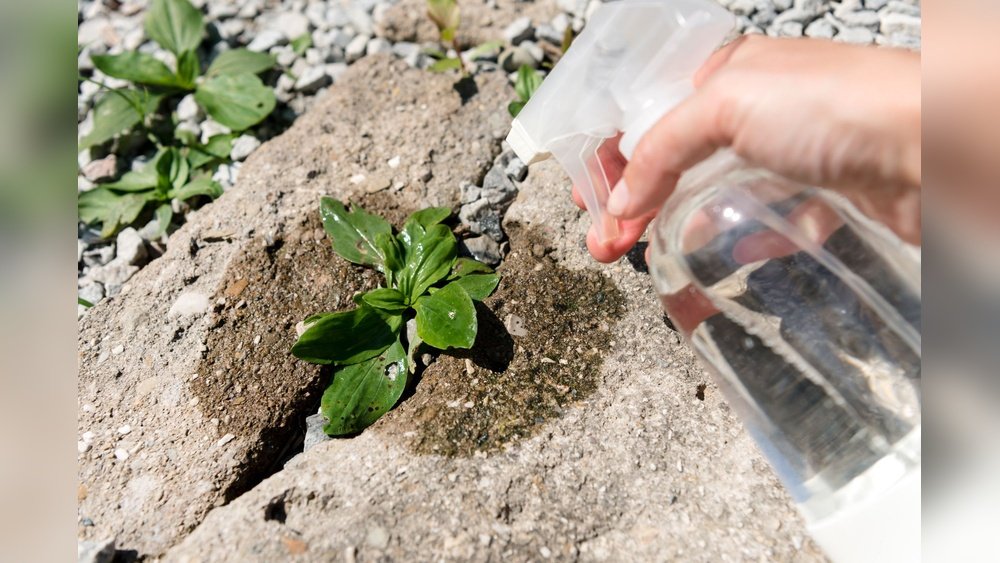
Are stubborn weeds taking over your garden? You’re not alone, and luckily, there’s a simple, natural way to fight back without harsh chemicals.
Using vinegar for weed control is an easy and affordable method you can try today. It works by burning away unwanted plants, helping you reclaim your garden’s beauty quickly. In this guide, you’ll learn how to use vinegar effectively, what ingredients to mix for the best results, and important tips to protect your flowers and veggies.
Keep reading to discover how vinegar can become your secret weapon against weeds and make your garden thrive again!
Vinegar As A Weed Killer
Making your own vinegar weed killer is simple and cost-effective. These recipes use common household items to boost vinegar’s weed-fighting power. They work best on young, small weeds and are perfect for spot treatments in garden paths, driveways, and cracks. Follow these easy recipes for safe and effective weed control.
Vinegar And Dish Soap Mix
Combine one gallon of white vinegar with one tablespoon of dish soap. The soap helps the vinegar stick to the weed leaves. Spray this mixture directly on the weeds on a dry, sunny day. It burns the leaves, causing the weeds to wilt quickly. This mix is great for small, soft weeds but may need repeated use for tougher ones.
Adding Salt For Extra Potency
Add half a cup of salt to one gallon of vinegar for stronger weed control. Stir until the salt dissolves completely. Salt pulls moisture from the weeds, speeding up their death. Use this mix carefully because salt can harm soil and nearby plants. Apply only to cracks, driveways, or areas without other plants.
Safe Ratios And Combinations
Stick to one gallon of vinegar with one tablespoon of dish soap for general use. Add salt only if needed, not more than half a cup per gallon. Avoid using vinegar mixes on windy days to prevent drift onto plants you want to keep. Test your mix on a small area first to check its effect. Always wear gloves and avoid contact with skin.
:max_bytes(150000):strip_icc()/spraying-garden-weed-killer-getty-0521-2000-eab8e4e5fa0c4f46a5f3d5f6990e5199.jpg)
Credit: www.marthastewart.com
Diy Vinegar Weed Killer Recipes
Using vinegar for weed control in gardens offers a natural alternative to chemical herbicides. Still, gardeners must know its limits and use it carefully. Understanding these precautions helps protect desired plants and soil health.
Non-selective Nature
Vinegar kills all plants it touches. It cannot tell weeds from garden plants. Spray carefully to avoid harming flowers, vegetables, and grass. Use a targeted spray for weeds in cracks or paths only. Avoid windy days to prevent drift onto good plants.
Need For Reapplication
Vinegar works by burning leaves, not roots. Weeds often grow back after treatment. Repeat applications are needed to control persistent weeds. Check your garden regularly and spray new growth early. This method requires patience and consistent effort.
Soil Impact From Salt
Some recipes add salt to vinegar to increase weed-killing power. Salt can build up in the soil over time. High salt levels harm soil life and prevent plant growth. Use salt sparingly and avoid areas where you want healthy plants. Rinse soil with water after treatment to reduce salt damage.
Application Tips
Using vinegar for weed control offers many eco-friendly benefits. It helps gardeners maintain a healthy garden without harsh chemicals. Vinegar is a natural product that breaks down quickly in the environment. This reduces pollution and harm to the soil. Choosing vinegar supports sustainable gardening practices that protect nature and promote plant health.
Reducing Chemical Use
Vinegar acts as a natural weed killer without synthetic chemicals. It lowers the need for harmful herbicides that damage soil and water. Using vinegar reduces chemical runoff that can pollute nearby streams. This keeps your garden safer and cleaner for plants and people. It also helps prevent chemical resistance in weeds over time.
Safe For Pets And Wildlife
Vinegar is less toxic to pets and wildlife than traditional weed killers. It breaks down quickly and does not linger in the environment. Birds, bees, and beneficial insects face less risk from vinegar treatments. Pets can safely roam the garden after the vinegar dries. This makes vinegar a gentle choice for families who love animals.

Credit: www.carmenjohnstongardens.com
:max_bytes(150000):strip_icc()/vinegar-as-a-natural-weed-killer-2132943-final-5c1a5edf46e0fb00012f1032.png)
Credit: www.thespruce.com
Frequently Asked Questions
Can I Just Pour Vinegar On Weeds?
Pouring vinegar directly on weeds burns leaves but usually won’t kill roots. Use it carefully to avoid harming nearby plants. For better results, mix vinegar with soap and salt and apply on unwanted weeds in cracks or gravel. Reapply as needed since tough weeds may regrow.
What Is The Best Homemade Weed Killer?
The best homemade weed killer mixes vinegar, salt, and dish soap. Vinegar burns leaves, salt draws moisture, and soap helps stick. Apply carefully on unwanted weeds only. Reapply as needed since it may not kill roots. Avoid use near desirable plants to prevent damage.
What Is The Ratio Of Vinegar To Water To Kill Weeds?
Mix one part vinegar with one part water to kill weeds effectively. Add a few drops of dish soap to help the solution stick. Use full-strength vinegar for tough weeds, but dilute for lighter weed control to protect nearby plants.
Does Vinegar And Dawn Dish Soap Really Kill Weeds?
Yes, vinegar and Dawn dish soap kill weeds by drying leaves and helping the solution stick. It works best on young, small weeds. It doesn’t kill roots, so repeated use is needed. Avoid use near desirable plants as it can harm them too.
Conclusion
Vinegar offers a simple way to control weeds in your garden. It works best on young, small weeds and in hard-to-reach spots. Always apply carefully to avoid harming nearby plants. Reapply as needed for stubborn weeds, since vinegar does not kill roots deeply.
Using vinegar is an eco-friendly option that helps reduce chemical use. Try it on paths, driveways, or gravel areas where other plants do not grow. With patience and care, vinegar can keep your garden tidy and weed-free.