
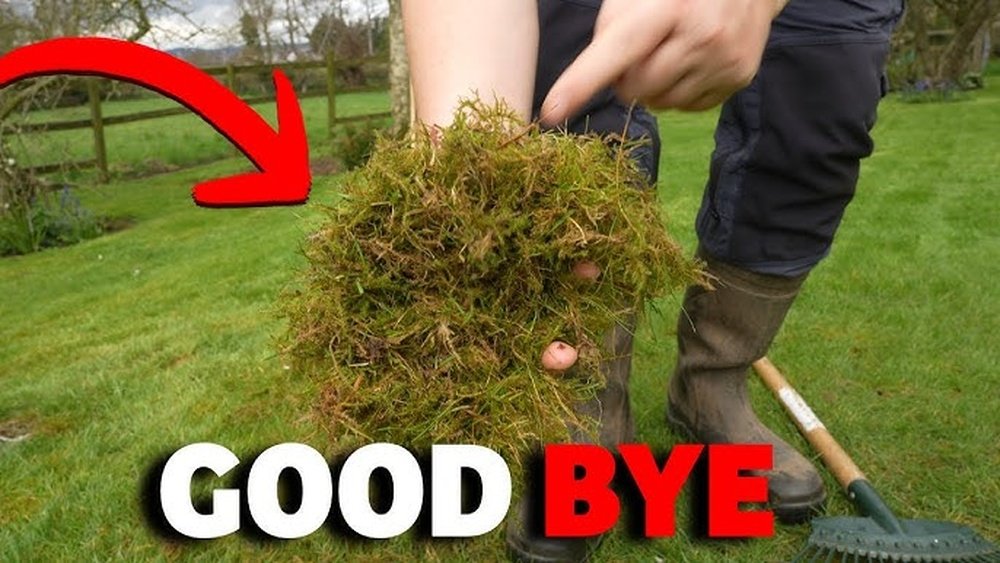
Is your lawn covered with stubborn moss that just won’t go away? You’re not alone, and the good news is you don’t have to rely on harsh chemicals to fix it.
Imagine having a lush, green lawn that’s free from moss, all while using natural methods that are safe for your family, pets, and the environment. You’ll discover simple, effective ways to get rid of lawn moss naturally—and keep it from coming back.
Ready to transform your lawn into the vibrant, healthy space you deserve? Keep reading to learn exactly what you need to do.

Credit: scrappygeek.com
Causes Of Lawn Moss
Natural moss removal techniques help restore your lawn without harsh chemicals. These methods improve soil health and support grass growth. They are simple, cost-effective, and eco-friendly. Using natural techniques also prevents damage to beneficial insects and plants.
Hand Raking And Scarifying
Hand raking removes moss by scraping it off the lawn surface. Use a spring tine rake for small areas. Scarifying breaks up moss and thatch, allowing air and water to reach roots. Both methods clear moss and prepare the lawn for new grass growth.
Using Dish Soap Solutions
Dish soap can kill moss by breaking down its cell structure. Mix a few drops of mild dish soap with water in a spray bottle. Spray the solution directly on moss patches. Wait a few days and then rake the dead moss away. This method is safe and easy to apply.
Applying Vinegar Or Baking Soda
Vinegar’s acidity helps to dry out moss and stop its growth. Spray diluted white vinegar on mossy areas carefully. Baking soda raises the pH, making the soil less friendly to moss. Sprinkle baking soda over moss and water lightly. Both options work best on small patches.
Iron Sulfate As A Natural Moss Killer
Iron sulfate is a natural mineral that kills moss quickly. It turns moss dark green or black, making it easy to rake out. Spread iron sulfate on damp grass following package instructions. It also feeds the lawn, promoting healthy grass growth. Use it carefully to avoid staining hard surfaces.
:max_bytes(150000):strip_icc()/how-to-get-rid-of-moss-in-lawns-2132201-02-31b2291bcd974c21b93ca4315785748d.jpg)
Credit: www.thespruce.com
Natural Moss Removal Techniques
Improving lawn health is key to naturally removing moss. A strong lawn stops moss from growing again. Focus on soil and grass care for lasting results. Healthy soil and grass compete well against moss. Follow simple steps to boost lawn strength and reduce moss growth.
Aerating The Soil
Aerating breaks compacted soil, allowing air and water inside. Use a garden fork or aerator tool. This helps grass roots grow deeper and stronger. Better root growth means a thicker lawn that crowds out moss. Aeration also improves drainage, making the lawn less friendly for moss.
Adding Organic Matter
Organic matter like compost improves soil texture and fertility. Spread a thin layer over your lawn. It feeds soil microbes that support grass health. Organic matter keeps soil moist but well-drained. This balance helps grass thrive and moss struggle to survive.
Balancing Soil Ph
Moss grows well in acidic soil with low pH. Test your soil pH with a simple kit. If soil is too acidic, add lime to raise pH. Aim for a neutral pH around 6.0 to 7.0. Balanced pH helps grass absorb nutrients better and weakens moss growth.
Fertilizing With Natural Products
Use natural fertilizers like compost tea or seaweed extract. These feed grass without harming the environment. Natural fertilizers promote steady grass growth and root strength. Avoid chemical fertilizers that can damage soil life. Healthy grass recovers faster and outcompetes moss.
Improving Lawn Health
Reseeding your lawn is key to replacing moss with healthy grass. Good reseeding helps grass grow strong and thick. Follow simple steps to prepare and plant seeds for best results. These grass reseeding tips will guide you through the process.
Preparing The Soil Bed
Start by removing dead moss and debris. Use a rake to loosen the soil surface. This creates a soft bed for seeds to settle in. Clear soil helps seeds contact the ground well. Avoid compacted soil, as it blocks root growth.
Choosing Shade-tolerant Grass Seeds
Select grass types that grow well in shady areas. Shade-tolerant seeds thrive where moss usually grows. Popular options include fine fescues and ryegrass. These grasses need less sunlight and compete better with moss.
Seeding Techniques
Spread seeds evenly over the prepared soil. Use a seed spreader for uniform coverage. Lightly rake seeds into the soil to improve contact. Avoid burying seeds too deep; about 1/4 inch is ideal. This ensures seeds get enough air and moisture.
Watering For Seed Germination
Keep the soil moist but not soaked. Water gently after planting seeds. Water two to three times daily until seeds sprout. Once grass starts growing, reduce watering to once a day. Proper watering helps seeds germinate and grow healthy roots.

Credit: www.thisoldhouse.com
Frequently Asked Questions
Does Dawn Dish Soap Kill Moss In Grass?
Dawn dish soap can help kill moss in grass by breaking down its cell structure. Use diluted soap carefully to avoid harming grass.
What Is The Best Homemade Moss Killer?
The best homemade moss killer combines equal parts water and vinegar or a mix of water, dish soap, and baking soda. Spray directly on moss, then rake after it dies. Repeat as needed for effective control.
What Do You Do If Your Lawn Is Mostly Moss?
Remove moss by applying ferrous sulfate-based moss killer, then rake out dead moss. Loosen soil, overseed with shade-tolerant grass, and water regularly. Improve drainage and sunlight to prevent moss return.
Will Grass Grow Back After Killing Moss?
Yes, grass will grow back after killing moss if you rake out dead moss, reseed bare spots, and improve soil conditions.
Conclusion
Controlling lawn moss naturally takes patience and care. Remove moss by raking and improving soil health. Keep your grass strong by watering and fertilizing regularly. Aerate your lawn to reduce soil compaction and improve drainage. Choose grass types that suit your lawn’s sunlight and shade.
Avoid overwatering and fix any drainage problems promptly. Healthy grass crowds out moss and stops it from returning. Small, consistent efforts lead to a lush, moss-free lawn. Nature’s way is gentle, safe, and effective for your yard.