
Pythium blight is one of the most destructive lawn diseases, especially in hot and humid climates. If you have noticed greasy, brown patches that seem to spread quickly overnight, you might be facing this problem. For many homeowners and groundskeepers, Pythium blight is a real headache because it kills grass fast and can ruin a beautiful lawn in just a few days. But the good news is: with early action and the right steps, you can control this disease and prevent it from coming back.
In this guide, you’ll learn how to identify Pythium blight, understand what causes it, and most importantly, how to treat and prevent it so your lawn stays healthy and green. Whether you manage a home lawn or a sports field, you’ll find simple advice, expert tips, and practical solutions that work.
What Is Pythium Blight?
Pythium blight, sometimes called “grease spot” or “cottony blight,” is caused by a water mold called Pythium spp. This pathogen attacks turfgrass, especially during warm, wet weather. It is common on cool-season grasses like perennial ryegrass, bentgrass, and Kentucky bluegrass, but can also affect warm-season varieties.
What makes Pythium blight dangerous is its speed. If conditions are right—usually when nighttime temperatures stay above 65°F (18°C) with high humidity—the disease can spread across large areas overnight. That’s why fast recognition and treatment are so important.
How To Identify Pythium Blight
Spotting Pythium blight early is the key to saving your lawn. Here are the main signs:
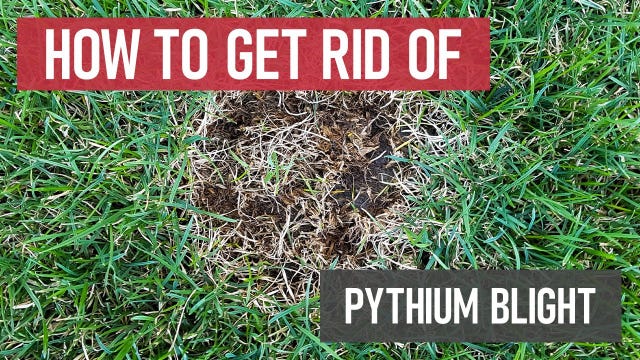
- Greasy, dark patches: Grass looks wet, slimy, or greasy. Spots may appear water-soaked.
- Rapid spread: Patches grow quickly, often in streaks or along drainage patterns.
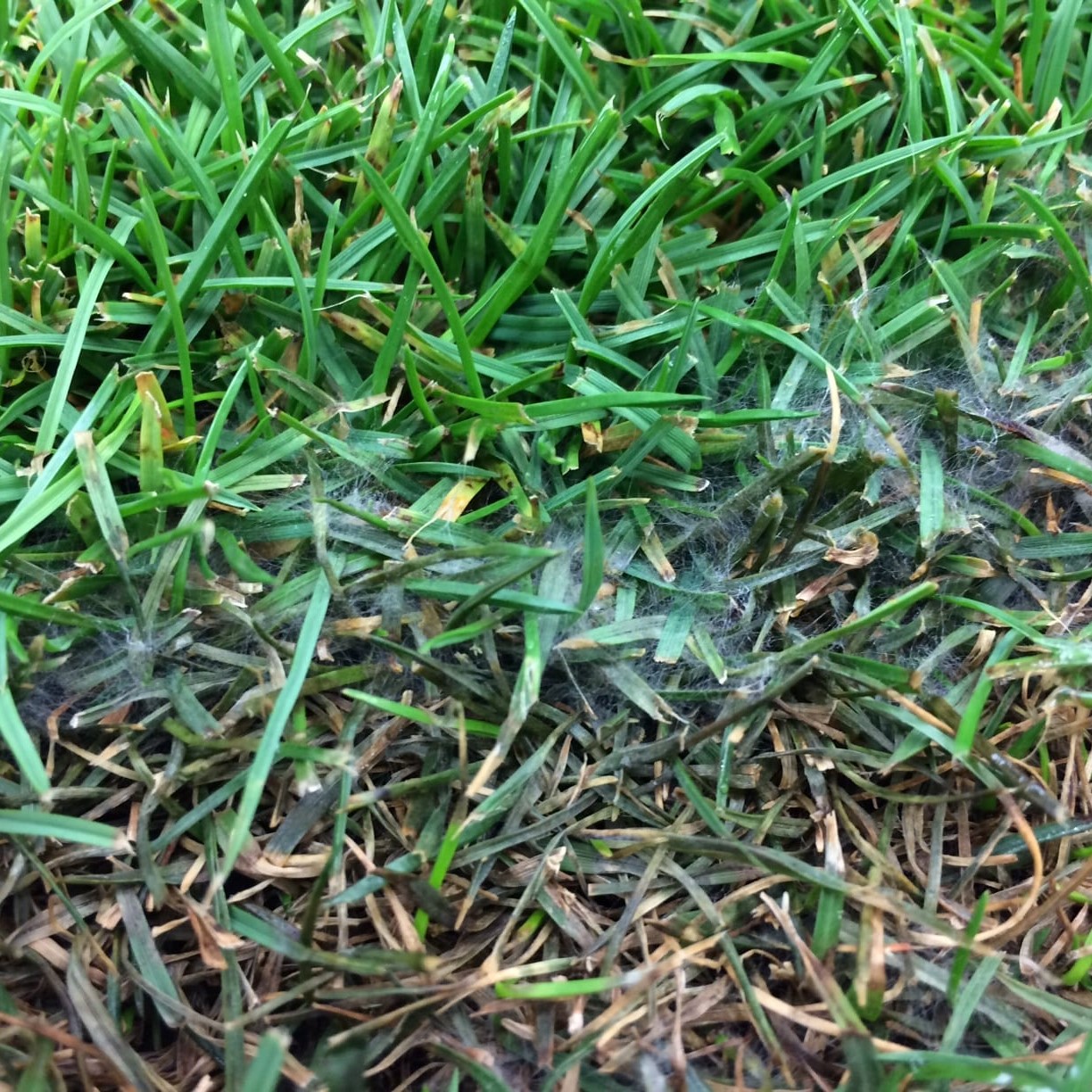
- White, cottony growth: Early in the morning, you may see white, cobweb-like threads (mycelium) on the grass.
- Wilting and matting: Infected grass wilts, lies flat, and develops a matted appearance.
- Distinct odor: Sometimes the infected area smells sour or fishy.
These symptoms often appear in low-lying or poorly drained spots, shaded areas, or places where grass stays wet overnight.
What Causes Pythium Blight?
Understanding the causes helps you prevent future outbreaks. Pythium blight needs three things: warmth, moisture, and a susceptible host.
- High temperatures: Especially nighttime temperatures above 65°F (18°C).
- High humidity or wetness: Heavy dew, overwatering, poor drainage, or frequent rain.
- Dense, lush turf: Over-fertilized lawns with thick grass hold moisture longer.
- Poor air movement: Shaded areas or lawns surrounded by trees and buildings.
A common mistake is watering late in the evening, which keeps grass wet overnight and creates the perfect environment for Pythium.
Step-by-step: How To Treat Pythium Blight
The faster you act, the better your results. Here’s a complete treatment plan:
1. Stop Watering Immediately
Pythium loves wet conditions. As soon as you see symptoms, stop all watering. Let the lawn dry out as much as possible during the day. Resume only when the grass starts to recover, and then water in the early morning.
2. Improve Drainage And Airflow
Wet, stagnant air helps the disease spread. Try these:
- Remove grass clippings and debris to increase airflow.
- Mow at the recommended height for your grass type.
- Prune trees and shrubs to allow sunlight and wind to reach the lawn.
- Fix drainage problems by filling low spots or aerating compacted soil.
3. Apply A Fungicide
Chemical treatment is often necessary for severe cases. Look for fungicides labeled for Pythium control, such as those containing mefenoxam, propamocarb, or cyazofamid.
- Follow the product instructions carefully.
- Treat the entire affected area and a buffer zone around it.
- Reapply as recommended (usually every 7–14 days during risk periods).
| Fungicide Name | Active Ingredient | Effectiveness | Notes |
|---|---|---|---|
| Subdue Maxx | Mefenoxam | Very High | Fast action, systemic |
| Signature XTRA | Fosetyl-Al | High | Protective and curative |
| Segway | Cyazofamid | High | Prevents resistance |
4. Mow And Handle Grass Carefully
- Mow only when grass is dry to avoid spreading spores.
- Wash and disinfect mower blades after use.
- Collect and bag clippings from infected areas; do not compost them.
5. Reduce Nitrogen Fertilizer
Lush, heavily fertilized lawns are at higher risk. Do not apply high-nitrogen fertilizers during hot, humid weather. Use balanced, slow-release fertilizers instead.
6. Reseed Or Repair Damaged Areas
Once the disease is controlled and conditions improve, you may need to reseed bare patches. Use resistant grass varieties when possible, and avoid over-seeding to prevent crowding.

Credit: www.youtube.com
Preventing Pythium Blight: Long-term Strategies
Stopping the disease once is good, but keeping it away for years is better. Here are proven ways to prevent Pythium from coming back.
Water Wisely
- Water deeply but less often, aiming for 1 inch (2.5 cm) per week.
- Always water in the early morning, never in the evening.
- Adjust sprinklers to avoid overwatering and runoff.
Boost Lawn Health
- Aerate soil once a year to reduce compaction and improve drainage.
- Topdress with compost to encourage healthy microbes that fight disease.
- Overseed with resistant grass varieties if you’ve had past outbreaks.
Fertilize Smartly
- Use slow-release fertilizers and avoid high-nitrogen applications in summer.
- Test your soil to make sure nutrients are balanced.
Mow At The Right Height
- Don’t cut grass too short; most lawns do best at 2.5–3 inches (6–7.5 cm).
- Keep mower blades sharp to avoid injuring grass.
Control Thatch
Thatch is a layer of dead roots and stems that holds moisture. If it’s more than 0. 5 inches (1. 2 cm) thick, remove it by dethatching.
Monitor Regularly
- Watch for early signs, especially after hot, wet weather.
- Check low spots, shaded areas, and around sprinklers.
Common Mistakes When Treating Pythium Blight
Even experienced lawn care pros make mistakes when dealing with Pythium. Avoid these pitfalls:
- Watering at night: This is the number one cause of outbreaks.
- Using the wrong fungicide: Not all products work on Pythium; some even make it worse.
- Ignoring drainage issues: Fungicides are only a short-term fix if your lawn stays wet.
- Mowing wet grass: This spreads the disease quickly across the yard.
- Over-fertilizing: Too much nitrogen feeds the disease as well as the grass.
- Skipping re-treatment: One fungicide application is rarely enough in humid weather.
When To Call A Professional
Sometimes, home solutions aren’t enough. Call a lawn care expert if:
- The disease covers large areas or returns often.
- You have valuable turf (such as sports fields or golf greens).
- Fungicide treatments don’t work, or you’re unsure about the right product.
Professionals have access to stronger products and can diagnose underlying problems more accurately.
How Pythium Blight Compares To Other Lawn Diseases
It’s easy to confuse Pythium blight with other turf diseases, like dollar spot or brown patch. Here’s a quick comparison to help you tell them apart:
| Disease | Main Symptom | Favorite Conditions | Unique Sign |
|---|---|---|---|
| Pythium Blight | Greasy, dark patches | Hot, wet weather | White, cottony mycelium |
| Dollar Spot | Small, tan spots with red border | Warm days, cool nights | Straw-colored “hourglass” lesions |
| Brown Patch | Large, circular brown areas | Hot, humid nights | Smoke ring around patch |
If you’re unsure, send a sample to your local agricultural extension office for testing.
Credit: www.solutionsstores.com
Real-world Example: Saving A Lawn From Pythium
A homeowner in Ohio noticed patches of greasy, matted grass spreading after a week of summer storms. Acting fast, they:
- Stopped watering and allowed the lawn to dry.
- Applied a mefenoxam-based fungicide within 24 hours.
- Pruned low branches to increase airflow.
- Switched to early-morning watering and reduced fertilizer.
Within 10 days, the disease stopped spreading, and the lawn recovered with overseeding in the fall. The key lesson: early action and changing lawn care habits made the difference.
How Weather Affects Pythium Blight
Pythium thrives in certain weather. Here’s how to adjust your care:
| Weather Condition | Risk Level | Action Needed |
|---|---|---|
| Hot, humid nights | High | Monitor daily, avoid watering late |
| Heavy rain & poor drainage | Very High | Aerate, improve runoff, treat quickly |
| Cool, dry periods | Low | Normal care |
Non-obvious insight: Even a single night of wet, hot weather can trigger an outbreak, so check your lawn after storms or heatwaves.
Extra Tips For Success
- Always store fungicides safely and wear gloves when applying.
- Record what products and treatments you use for future reference.
- Team up with neighbors to manage drainage if your lawns connect.
- Consider installing a rain sensor on your irrigation system.
For more in-depth science on turf diseases, you can visit the Pythium Wikipedia page.
Frequently Asked Questions
How Fast Does Pythium Blight Kill Grass?
Pythium blight can destroy large areas of lawn in as little as 24 to 48 hours under the right conditions. Hot, humid nights speed up the process. That’s why fast action is crucial.
Can I Treat Pythium Blight Without Chemicals?
Yes, you can reduce disease with good cultural practices—like watering early, improving drainage, and mowing properly. But severe outbreaks often require a fungicide for full control.
Is Pythium Blight Dangerous To Pets Or Humans?
Pythium blight affects only grass and does not harm people or pets. However, always keep children and animals off recently treated areas until products dry.
Can I Compost Infected Grass Clippings?
No. Composting infected clippings can spread the disease to other areas of your property. Bag and dispose of them with regular trash instead.
How Can I Tell If My Lawn Is Recovering?
Healthy new shoots will appear, and greasy, matted patches will stop growing. The lawn color will improve, and you won’t see white mycelium in the morning anymore.
A healthy, green lawn is possible after Pythium blight—but only with quick action and smart prevention. With these steps, you’ll be ready to fight back and keep your turf looking its best all year long.
Credit: www.myhometurf.com.au