
Is yellow nutsedge taking over your lawn and making it look less than perfect? You’re not alone—this stubborn weed can spread quickly and ruin the lush, green grass you’ve worked hard to grow.
But don’t worry; controlling yellow nutsedge is possible, and you can reclaim your lawn’s beauty. You’ll discover simple, effective ways to stop yellow nutsedge in its tracks without harming your grass. Keep reading to learn how to protect your lawn and enjoy a weed-free yard all season long!
Identifying Yellow Nutsedge
Identifying yellow nutsedge is the first step to controlling it in your lawn. This weed grows fast and spreads easily. Knowing how to spot it helps prevent damage to your grass and garden.
Yellow nutsedge looks different from regular grass. It has unique traits that make it easy to recognize once you know what to look for.
Visual Characteristics
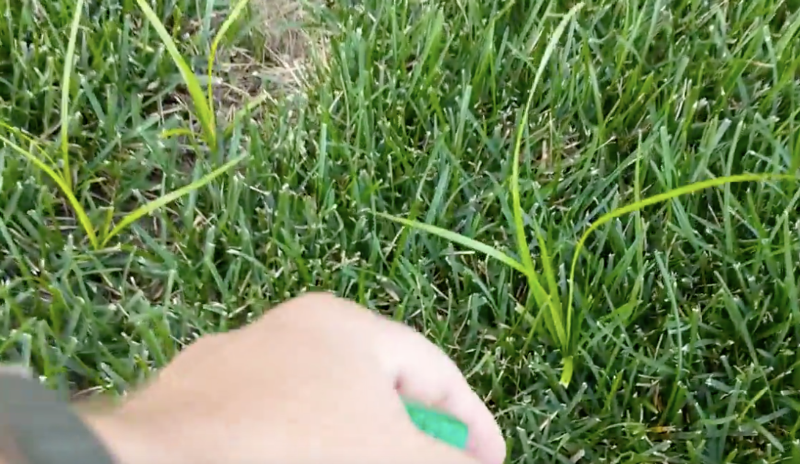
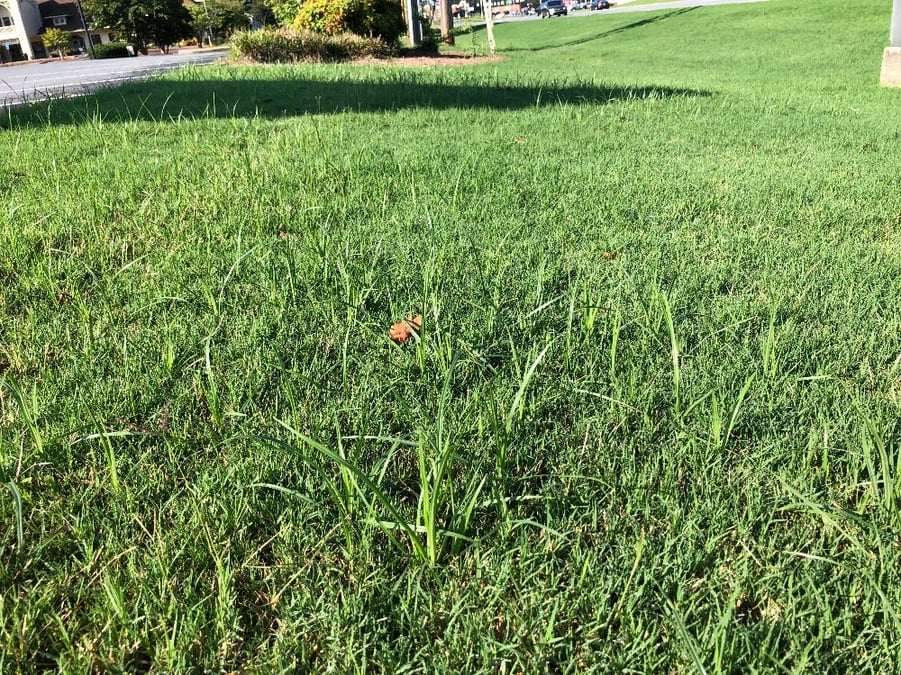
Yellow nutsedge has bright yellow-green leaves. The leaves grow in groups of three and have a shiny look. They are thicker and more rigid than normal grass blades. The plant often forms a triangular shape at the base of each leaf cluster. It also produces small, brown seed heads that rise above the leaves.
Growth Patterns
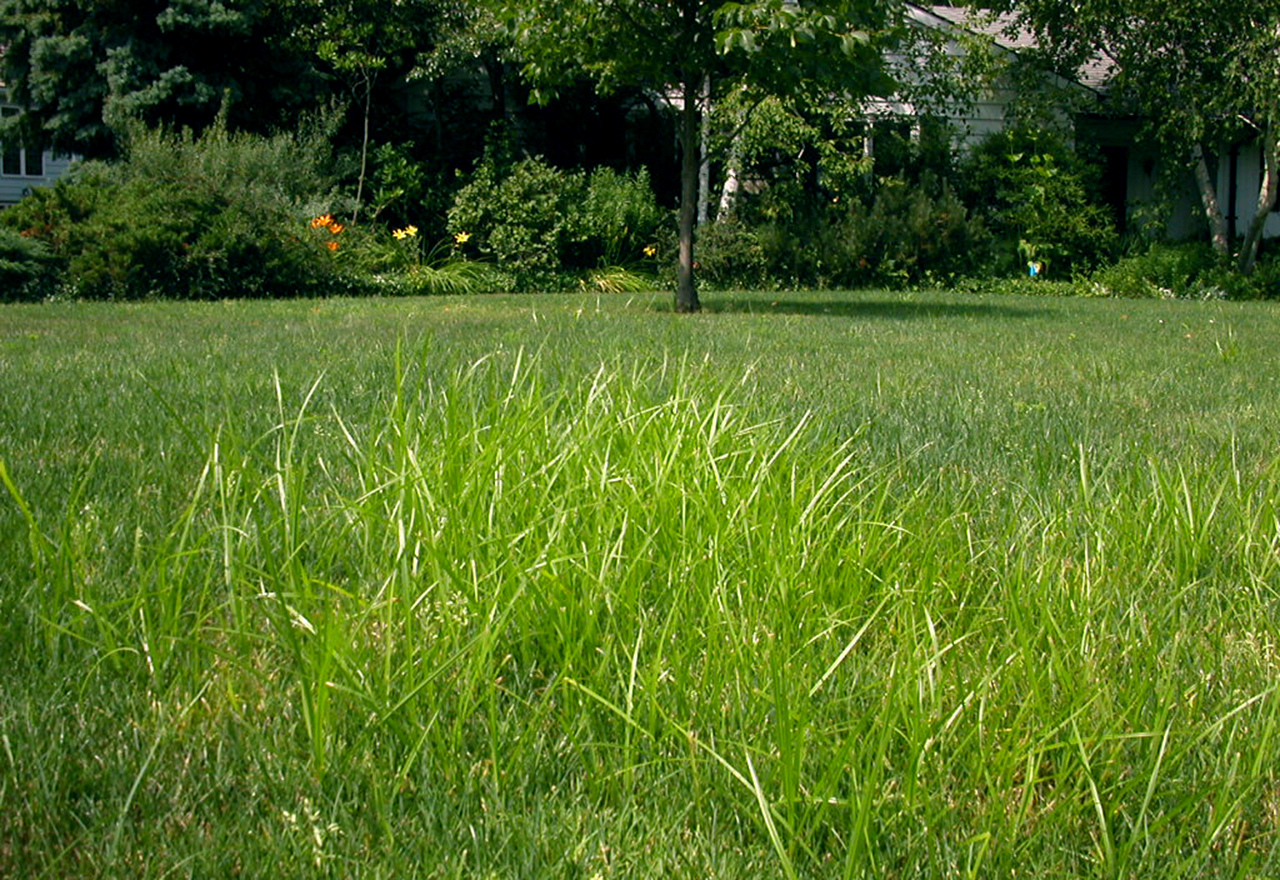
This weed grows quickly in warm weather. It spreads through underground tubers and rhizomes. These tubers store energy and help the weed return even after cutting. Yellow nutsedge grows taller than regular grass, sometimes reaching 12 to 24 inches high. Its rapid growth can crowd out your lawn grass.
Common Lawn Areas
Yellow nutsedge prefers wet or poorly drained spots. It often appears near sprinklers, low spots, or shaded areas. Lawns with compacted soil or poor drainage are more likely to have this weed. Watch these areas carefully for early signs of yellow nutsedge growth.
Credit: thelawncarenut.com
Why Yellow Nutsedge Thrives
Yellow nutsedge is a tough weed that can quickly take over your lawn. It grows fast and spreads through underground tubers. Understanding why yellow nutsedge thrives helps you fight it better. It favors certain soil, moisture, and climate conditions. Your lawn care habits also affect its growth. Knowing these factors gives you an edge in controlling this stubborn weed.
Soil And Moisture Conditions
Yellow nutsedge prefers wet, poorly drained soils. It grows well in soils with high clay or compacted layers. These soils hold water and create ideal conditions for nutsedge tubers. Lawns with soggy spots or standing water often have nutsedge problems. Dry, sandy soils do not support this weed as easily. Checking your soil drainage helps identify nutsedge-prone areas.
Climate Factors
This weed thrives in warm climates with plenty of sunlight. It grows fastest during late spring and summer. Yellow nutsedge can survive hot, dry weather by going dormant underground. Mild winters allow it to survive year-round in many regions. It grows well in Austin, Texas, and similar climates. Understanding your local climate helps predict nutsedge growth cycles.
Lawn Maintenance Practices
Improper mowing, watering, and fertilizing encourage yellow nutsedge growth. Cutting grass too short stresses lawns and weakens grass roots. Overwatering creates wet soil conditions that favor nutsedge. Using too much nitrogen fertilizer helps nutsedge outcompete grass. Healthy lawn care practices reduce nutsedge chances. Adjust your mowing height, water less often, and balance fertilization.
Manual Removal Techniques
Manual removal techniques can help reduce yellow nutsedge in your lawn. These methods focus on physically removing the weed from the soil. They require patience and care to be effective. Using the right tools and methods prevents the weed from growing back quickly.
Proper Digging Methods
Use a small garden trowel or hand fork for digging. Insert the tool deep near the base of the plant. Loosen the soil around the roots gently. Pull the entire plant out, including the underground tubers. Removing the whole root system stops regrowth. Do this carefully to avoid breaking the tubers.
Avoiding Spread Of Tubers
Yellow nutsedge spreads through small tubers underground. Tubers left in the soil can grow new plants. Collect all dug-up plants and tubers in a bag. Dispose of them away from your lawn. Do not compost these tubers. Clean your tools after each use to avoid spreading tubers.
Limitations Of Pulling
Pulling the weed by hand often leaves tubers behind. These tubers quickly create new plants. This method alone rarely controls nutsedge fully. Digging is more effective but takes more time. Manual removal works best combined with other control methods. It suits small patches or early weed growth.
Credit: www.whygoodnature.com
Herbicide Options For Control
Controlling yellow nutsedge requires careful attention to when and how often you apply treatments. Proper timing and frequency improve the chances of killing this tough weed. The right approach stops nutsedge from spreading and damaging your lawn.
Best Time To Start Treatment
Begin treatment in late spring or early summer. This is when yellow nutsedge is young and growing fast. The weed is easier to control before it produces tubers. Early treatment reduces its ability to spread underground.
Number Of Applications Needed
Multiple treatments are necessary for full control. One application rarely kills all nutsedge plants and tubers. Repeat herbicide every 2 to 3 weeks until no new growth appears. Persistence is key to preventing regrowth.
Seasonal Considerations
Summer is the best season for treatment because nutsedge grows actively. Avoid treating in the cold or dormant months. Late summer and early fall may require follow-up applications. Monitor your lawn regularly to catch new nutsedge early.
Application Timing And Frequency
Integrated lawn care strategies combine different methods to control yellow nutsedge effectively. These strategies focus on strengthening your lawn while targeting nutsedge growth. A healthy lawn can naturally resist weeds and reduce nutsedge spread. Follow these steps to keep your lawn lush and nutsedge-free.
Improving Lawn Health
Start by fertilizing your lawn properly. Use a balanced fertilizer that suits your grass type. Healthy grass grows thick and shades the soil, making it hard for nutsedge to grow. Aerate the soil to improve root growth and nutrient absorption. Remove thatch buildup as it can shelter nutsedge tubers. Overseed bare spots to prevent weed invasion. A strong, dense lawn leaves little room for nutsedge to thrive.
Watering And Mowing Tips
Water your lawn deeply but less often. This encourages deep grass roots and weakens nutsedge, which prefers moist, shallow soil. Avoid overwatering areas where nutsedge appears. Mow your lawn at the recommended height for your grass type. Cutting too short stresses grass and helps nutsedge spread. Keep mower blades sharp to avoid damaging grass. Proper watering and mowing create a tough environment for nutsedge.
Preventing Nutsedge Reinfestation
Remove nutsedge plants carefully, including roots and tubers. Use a selective herbicide designed for nutsedge if needed. Apply herbicides in late spring or early summer for best results. Avoid disturbing soil too much, as this can bring nutsedge tubers to the surface. Monitor your lawn regularly and act quickly at the first sign of nutsedge. Maintaining lawn health and proper care prevents nutsedge from returning.
Credit: info.supersod.com
Integrated Lawn Care Strategies
Persistent yellow nutsedge infestations can frustrate any lawn owner. This weed grows fast and spreads underground through tubers. Tackling it requires patience and a smart approach. Simply removing the visible parts won’t stop it from returning. A strong, ongoing strategy must be in place to control it effectively.
Long-term Control Plans
Start by improving lawn health to discourage nutsedge growth. Keep your grass thick and well-watered without overwatering. Mowing at the right height helps grass outcompete weeds. Plan to apply selective herbicides during early growth stages. Repeat treatments over several weeks to target new shoots. Regularly inspect your lawn to catch any new nutsedge early.
Combining Methods For Effectiveness
Use a mix of cultural, mechanical, and chemical controls. Hand-pull small patches carefully to remove roots and tubers. Aerate your soil to improve drainage and reduce wet spots. Apply herbicides designed for yellow nutsedge without harming grass. Follow product instructions closely for best results. Combining these methods reduces nutsedge survival and spread.
When To Consult Professionals
Persistent infestations might need expert help. Lawn care professionals have tools and knowledge to manage tough nutsedge problems. They can apply stronger herbicides safely and effectively. Professionals also provide advice tailored to your lawn’s needs. Call a specialist if nutsedge returns despite your efforts. Early professional intervention saves your lawn from severe damage.
Frequently Asked Questions
How To Get Rid Of Yellow Nutsedge In Lawn?
Apply selective herbicides like Sedgehammer or Sedge Ender in late spring when nutsedge is young. Repeat treatments for full control. Remove plants with roots and tubers manually to prevent spread. Maintain healthy lawn to resist nutsedge growth.
What Will Kill Nutsedge But Not Grass?
Use herbicides like Certainty, Sedgehammer (halosulfuron), or Sedge Ender (sulfentrazone) to kill nutsedge without harming grass. Apply in late spring or early summer for best results. Multiple treatments may be necessary to fully control nutsedge while keeping your lawn healthy.
What Is The Best Chemical For Yellow Nutsedge?
SedgeHammer (halosulfuron) and Sedge Ender (sulfentrazone) are the best chemicals for controlling yellow nutsedge. Apply in late spring and repeat as needed.
When To Spray Yellow Nutsedge?
Spray yellow nutsedge in late spring or early summer when plants are young and actively growing for best herbicide effectiveness.
Conclusion
Controlling yellow nutsedge takes patience and consistent effort. Start early in the growing season for best results. Use the right herbicides carefully to protect your lawn. Remove weeds completely, including roots and tubers. Keep your grass healthy to reduce weed growth naturally.
Regular lawn care helps prevent nutsedge from returning. Stay persistent, and your lawn will look better over time. Small steps lead to big improvements. Keep an eye on your lawn throughout the year. You can enjoy a lush, weed-free yard with steady care.