
If you’ve noticed those stubborn, grass-like weeds popping up in your garden, chances are you’re dealing with nutgrass. This pesky invader doesn’t just ruin your garden’s look—it competes with your plants for nutrients and space, making your hard work feel wasted.
You might be tempted to pull it out, but that often makes things worse. So, how can you truly get rid of nutgrass and protect your garden for good? Keep reading, because in this guide, you’ll discover simple, effective ways to identify, control, and finally remove nutgrass from your garden—without harming your beloved plants.
Your garden deserves better, and you’re just a few steps away from reclaiming it.
Identifying Nutgrass
Identifying nutgrass is the first step to controlling it effectively. This weed grows quickly and spreads underground through tubers. Early detection helps prevent it from taking over your garden. Understanding its features will make removal easier and more precise.
Common Characteristics
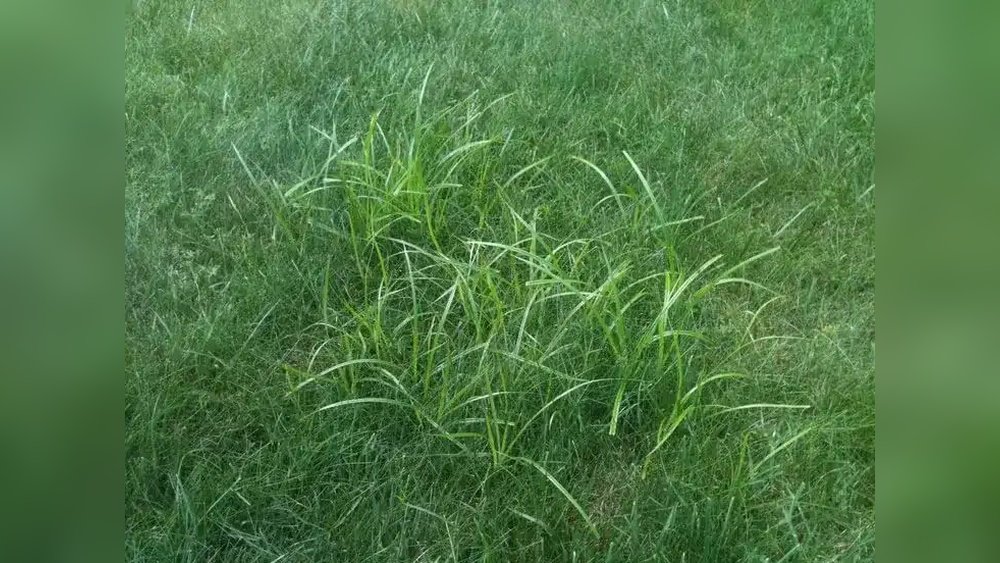
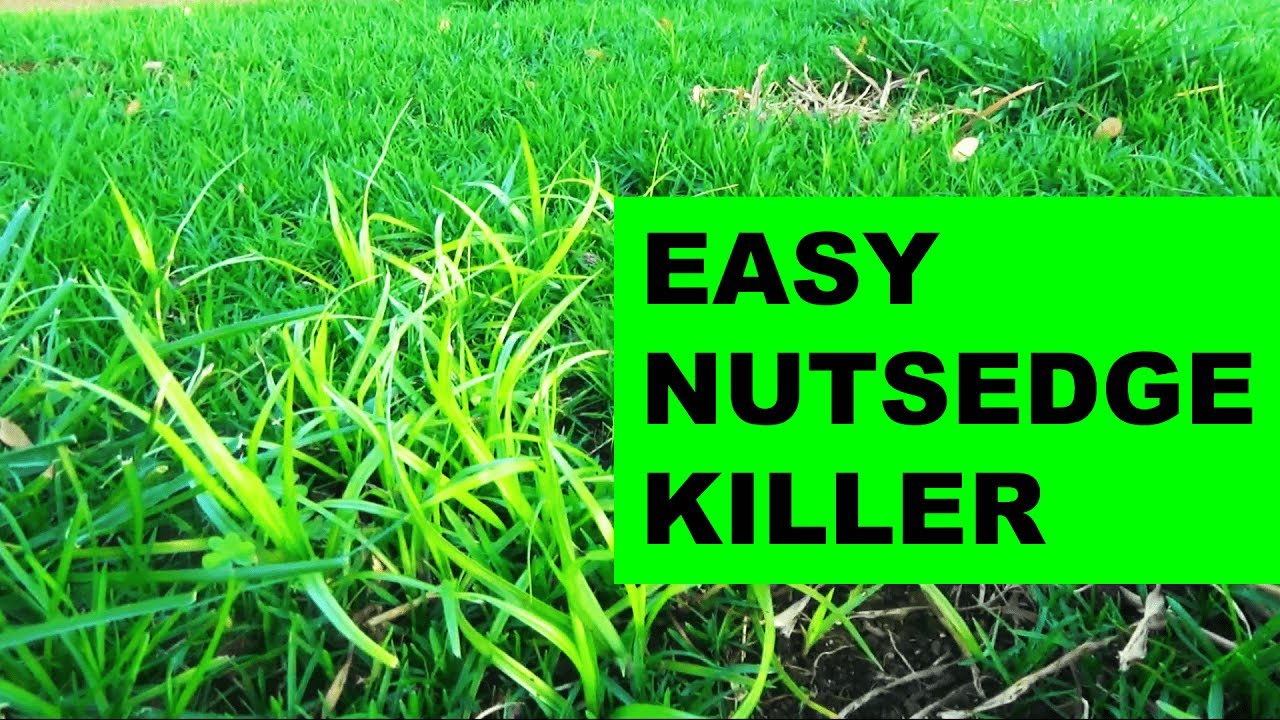
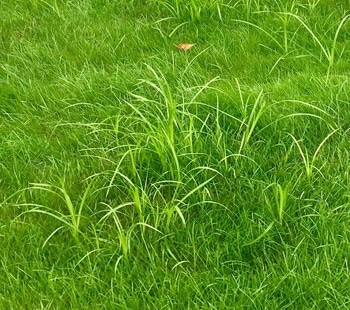
Nutgrass has bright green, grass-like leaves. They grow in sets of three around the stem. The stems are triangular and smooth to touch. Nutgrass produces small, brown nutlets underground. These nutlets store energy and help the weed spread fast. It prefers wet or moist soil but can grow in dry areas too. It often appears in clusters, making it easy to spot.
Difference From Other Weeds
Unlike regular grass, nutgrass leaves are thicker and sharper. The triangular stem is unique and easy to feel. Other weeds have round or flat stems. Nutgrass grows faster and taller than most garden weeds. Its underground tubers are not common in other plants. Pulling nutgrass often leaves tubers behind, causing regrowth. Recognizing these traits helps you target nutgrass without harming other plants.
Why Nutgrass Is Hard To Remove
Nutgrass is one of the most stubborn weeds in gardens. It resists many common removal methods. Gardeners often face frustration trying to clear it out. Understanding why nutgrass is hard to remove helps in fighting it effectively.
Underground Tubers
Nutgrass grows from underground tubers called rhizomes and nutlets. These tubers store nutrients and allow the weed to regrow after removal. Simply pulling the visible plant leaves the tubers behind. The tubers quickly sprout new shoots. This makes nutgrass difficult to eradicate completely.
Rapid Spread Mechanism
Nutgrass spreads fast through its underground network. The tubers can travel and create new plants far from the original spot. This weed multiplies quickly, covering large areas in a short time. Its rapid growth outpaces many control efforts. Ignoring even small patches can lead to a bigger problem.
Chemical Control Options
Using chemicals can help control nutgrass effectively in your garden. Choosing the right herbicide is key to targeting nutgrass without harming other plants. Understanding different chemical options makes your treatment more successful.
Selective Herbicides
Selective herbicides attack nutgrass but leave most other plants safe. Products with halosulfuron or sulfentrazone work well against nutgrass tubers underground. Apply them when nutgrass is young and growing fast. Multiple treatments may be needed for full control. Adding a surfactant helps the herbicide soak into the plant better.
Non-selective Herbicides
Non-selective herbicides kill all plants they touch, including grass and flowers. Glyphosate is a common choice for clearing nutgrass in non-lawn areas. Use it carefully to avoid harming desirable plants. Spot treat nutgrass patches to limit damage. Wait a few days after application before replanting.
Application Tips
Spray herbicides on a dry, calm day to prevent drift. Target nutgrass leaves directly for best results. Avoid watering the treated area for 24 hours after spraying. Follow label instructions for mixing and safety precautions. Repeat treatments may be necessary for stubborn nutgrass.

Credit: www.youtube.com
Organic And Natural Methods
Removing nutgrass organically protects your garden’s health. Natural methods avoid harsh chemicals and keep soil safe. These techniques take time but work well with patience. Using common household items can weaken nutgrass tubers. This section covers sugar use, vinegar treatments, and natural method limits.
Using Sugar To Break Tubers
Sugar draws microbes that feed on nutgrass tubers. Spread a thin layer of sugar over the affected soil. Water lightly to help sugar dissolve and reach tubers below. Repeat this process every few days for several weeks. Microbes increase and slowly break down tubers. This weakens nutgrass and reduces regrowth chances. Be patient; sugar works best over time.
Vinegar Treatments
Vinegar acts as a natural weed killer by burning leaves. Use white vinegar with at least 5% acetic acid for better effect. Spray vinegar directly on nutgrass leaves on a sunny day. Avoid spraying nearby plants as vinegar can harm them too. Repeat applications may be needed to weaken nutgrass tubers underground. Vinegar is safe and eco-friendly but less fast than chemicals.
Limitations Of Natural Methods
Natural methods require persistence and time to see results. Nutgrass tubers grow deep and spread fast underground. Sugar and vinegar do not kill all tubers immediately. You must repeat treatments for many weeks to control nutgrass. Heavy infestations may need additional measures for full removal. Natural options suit small gardens or early nutgrass growth.
Physical And Cultural Techniques
Physical and cultural techniques help control nutgrass without chemicals. These methods focus on changing how you care for your garden. They reduce nutgrass growth by improving plant health and removing weed parts. Patience and consistency are key for success.
Proper Mowing Practices
Mow your lawn regularly to stop nutgrass from spreading seeds. Keep the grass height at 2 to 3 inches to shade the soil. Shorter grass can stress the lawn, giving nutgrass a chance to grow. Remove clippings to avoid spreading nutgrass tubers.
Digging And Removal Challenges
Digging nutgrass is hard because tubers grow deep and multiply fast. Use a hand tool to carefully dig around the nutgrass clumps. Remove all tubers and roots to prevent regrowth. Dispose of the removed parts far from your garden to stop spreading.
Avoiding Common Mistakes
Do not pull nutgrass by hand; tubers often break and stay in soil. Avoid cutting nutgrass too short, which weakens grass and favors weeds. Do not ignore small nutgrass patches; early removal stops bigger problems. Keep soil moist but not wet to reduce nutgrass growth.
Credit: www.youtube.com
Preventing Future Nutgrass Growth
Preventing future nutgrass growth is key to keeping your garden healthy and beautiful. Nutgrass spreads quickly through underground tubers. Stopping it early saves time and effort later. Regular care and attention help control this stubborn weed. Focus on building strong grass and spotting problems early. These steps reduce nutgrass chances significantly.
Maintaining Healthy Lawn
Strong grass leaves less room for nutgrass to grow. Mow your lawn regularly at the right height. Water deeply but less often to encourage deep roots. Use quality fertilizer to feed your grass. Aerate soil to improve air and water flow. Healthy lawns crowd out nutgrass and other weeds naturally.
Early Detection And Treatment
Check your garden often for nutgrass signs. Look for bright green, grass-like leaves with a triangular stem. Treat new nutgrass patches quickly before they spread. Use selective herbicides designed for nutgrass control. Follow label instructions carefully for best results. Early action stops nutgrass from taking over your garden.
Combining Methods For Best Results
Combining different methods improves nutgrass removal success. Nutgrass grows from tough underground tubers. Using one method alone rarely kills all tubers. Combining approaches targets the weed from multiple angles. This reduces regrowth and saves time. Balance chemical and cultural controls for best results.
Integrating Chemical And Cultural Controls
Selective herbicides like Halosulfuron target nutgrass tubers below ground. Apply them when nutgrass is young and growing fast. Use a surfactant to help the herbicide soak in better. Avoid broad-spectrum herbicides in lawn areas to protect grass.
Cultural controls include improving soil drainage and reducing overwatering. Nutgrass thrives in wet, compacted soil. Aerate your soil and avoid excess moisture. Mulching can block sunlight and reduce nutgrass growth. Combine these with herbicide treatment to weaken nutgrass over time.
Timing And Persistence
Apply treatments early in the nutgrass growth cycle. Young shoots absorb herbicides better. Repeat herbicide applications several times over weeks. This ensures underground tubers are destroyed gradually.
Keep monitoring your garden for new nutgrass shoots. Remove them promptly to stop spread. Persistence is key. Nutgrass tubers can survive long periods underground. Consistent care will reduce nutgrass until it disappears.
Credit: www.rynolawncare.com
Frequently Asked Questions
How To Get Rid Of Nutgrass In A Vegetable Garden?
Apply selective herbicides like halosulfuron or sulfentrazone to young nutgrass shoots. Repeat treatments for full control. Avoid pulling; it spreads tubers. Organic methods like sugar may help but are less effective. Treat early to prevent spread and protect your vegetable plants.
How Do I Permanently Get Rid Of Nutgrass?
Use selective herbicides like Halosulfuron or Sulfentrazone on young nutgrass. Apply multiple treatments with surfactant for best results. Avoid pulling; treat early for permanent control. Organic methods like sugar help but take longer. Glyphosate kills all plants, so use carefully outside lawns.
Will Vinegar Kill Nutsedge?
Vinegar can kill nutsedge’s top growth but won’t eliminate underground tubers. Repeat applications may harm surrounding grass.
How Do I Kill Grass In My Garden Without Killing Vegetables?
Use selective herbicides like halosulfuron to kill grass without harming vegetables. Apply early, repeatedly, with a surfactant for best results. Avoid non-selective chemicals like glyphosate near vegetables. Organic options like sugar help reduce grass tubers but require persistence.
Conclusion
Removing nutgrass takes patience and consistent effort. Use selective herbicides carefully for best results. Treat young plants early to stop spread quickly. Regularly inspect your garden to catch new growth fast. Combining methods helps reduce nutgrass effectively over time. Keep your garden healthy to resist future weed problems.
Persistence is key—don’t give up too soon. With steady care, you can reclaim your garden space. Nutgrass won’t win if you stay alert and act promptly.