
Are dandelions taking over your lawn, turning your lush green grass into a sea of yellow? You’re not alone, and the good news is you can take control.
These persistent weeds don’t just spoil your lawn’s appearance—they compete with your grass for nutrients and water, making it harder for your lawn to thrive. But how do you get rid of dandelions effectively and keep them from coming back?
You’ll discover simple, proven strategies to control dandelions in your lawn, whether you prefer natural methods or targeted treatments. Keep reading to learn how to reclaim your yard and enjoy a healthy, dandelion-free lawn all year round.
Dandelion Identification
Identifying dandelions is the first step in controlling them effectively. Knowing how they look and grow helps you spot them early. This makes removal easier and prevents spread. Dandelions are common lawn weeds that can take over quickly. Understanding their features and life cycle guides your control efforts.
Recognizing Common Features
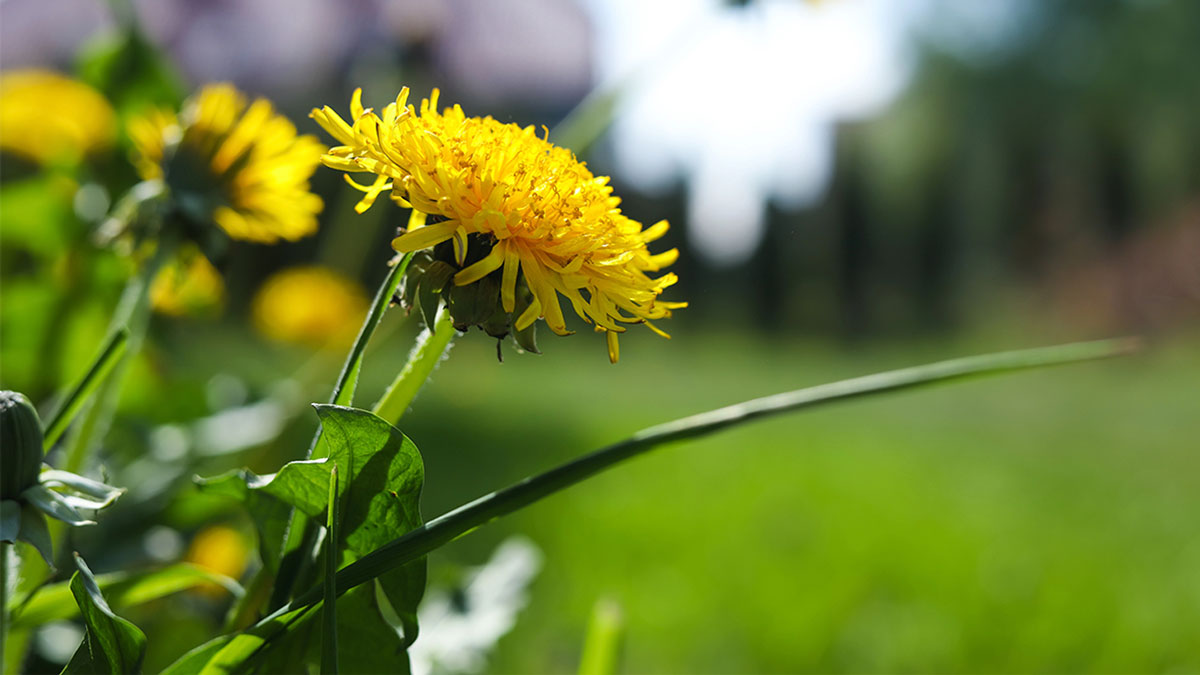
Dandelions have bright yellow flowers that turn into white seed heads. Their leaves grow close to the ground in a rosette shape. The edges of the leaves are jagged or toothed. A single hollow stem holds the flower above the leaves. When the flower matures, it forms a round puffball of seeds. These seeds blow in the wind, spreading the plant fast.
Life Cycle And Growth Patterns
Dandelions grow year-round in many climates. They start as small rosettes in early spring. The plant sends up flower stems in late spring to early summer. After flowering, seeds form and spread by wind. Dandelions store energy in a long taproot. This root helps them survive winter and regrow in spring. Removing only the leaves won’t kill the plant. You must remove the root to stop dandelions permanently.
Credit: emeraldlawns.com
Best Timing For Control
Timing plays a key role in controlling dandelions effectively. Choosing the right season can improve your success. This section explains the best timing for dandelion control in your lawn. It focuses on why fall is ideal and what to avoid for best results.
Why Fall Is Ideal
Fall is the best season to tackle dandelions. During this time, plants move nutrients to their roots. Herbicides work better because they travel down to the taproot. This makes it easier to kill dandelions permanently. Cooler temperatures also slow weed growth, giving treatments more time to work.
Avoiding Frost Damage
Frost can harm dandelion leaves and reduce herbicide effectiveness. Avoid spraying after the first hard frost. Damaged leaves absorb less treatment. Spray when leaves look healthy and green. This ensures the herbicide reaches the roots. Plan treatments before cold weather arrives.
Seasonal Considerations
Spring and summer are less effective for dandelion control. Weeds grow quickly and focus on leaves, not roots. Herbicides may only kill the top part. Fall treatments target root systems for lasting results. Adjust your lawn care routine to fit the season. This helps prevent new dandelion growth year-round.
Cultural Lawn Care
Cultural lawn care plays a key role in controlling dandelions naturally. By improving the health of your grass, you reduce space for weeds to grow. Strong, thick lawns crowd out dandelions and other unwanted plants. Healthy soil and proper watering also support grass growth and limit weed spread. Focus on these simple lawn care practices to keep dandelions at bay.
Thickening Your Lawn
Plant grass seed in bare or thin areas to create a dense lawn. Dense grass blocks sunlight from reaching dandelion seeds. Mow regularly at the right height to encourage thick growth. Avoid cutting too short, which stresses the grass. Overseeding each fall helps maintain a full, healthy lawn year-round.
Watering And Fertilizing Tips
Water your lawn deeply but less often to promote strong roots. Shallow, frequent watering encourages weeds like dandelions. Fertilize with a balanced lawn fertilizer in early spring and fall. Healthy grass uses nutrients better and grows faster than weeds. Avoid over-fertilizing, which can harm the lawn and encourage weeds.
Soil Aeration And Ph Management
Aerate your lawn once a year to reduce soil compaction. Compacted soil limits grass root growth and allows dandelions to spread. Test your soil pH and adjust if needed. Grass prefers a pH between 6.0 and 7.0 for optimal growth. Use lime to raise pH or sulfur to lower it. Proper soil conditions help grass outcompete dandelions naturally.
Credit: aspenlawn.com
Manual Removal Techniques
Manual removal techniques offer a direct way to control dandelions in your lawn. These methods avoid chemicals and focus on physically removing the weeds. Manual control helps protect your lawn’s health and the environment. It requires patience and regular effort to keep dandelions at bay. Here are some effective manual removal methods you can use.
Effective Hand Pulling
Hand pulling is a simple way to remove dandelions. Grab the weed close to the base. Pull slowly to remove the entire root. Removing the root prevents the dandelion from growing back. It works best when the soil is moist. Wet soil makes pulling easier and reduces root breakage. Wear gloves to protect your hands. Check your lawn regularly and pull dandelions before they flower.
Using Specialized Weeding Tools
Specialized tools make dandelion removal easier. Tools like dandelion forks or weed pullers reach deep roots. Insert the tool next to the weed and lever it out gently. These tools reduce soil disturbance and damage to grass. They save time compared to hand pulling alone. Clean tools after use to prevent disease spread. Using the right tool helps remove the whole root system effectively.
Deadheading To Prevent Seeds
Deadheading stops dandelions from spreading seeds. Cut off flower heads before they turn into seed puffs. Use scissors or garden shears to snip the flower stalk. Removing flowers reduces seed production and new weeds. Check your lawn often in spring and summer. Deadheading helps control dandelions without chemicals. It is a simple step to keep dandelion numbers down over time.
Herbicide Options
Herbicides offer an effective way to control dandelions in your lawn. These chemicals target weeds while protecting your grass. Choosing the right herbicide is key to keeping your lawn healthy and dandelion-free. Understanding the different types and their uses can help you achieve better results.
Selective Herbicides That Spare Grass
Selective herbicides kill dandelions without harming grass. They target broadleaf weeds, leaving turfgrass safe. Common ingredients include 2,4-D, dicamba, and mecoprop. These products work best on young, actively growing dandelions. Use them to treat dandelions without damaging your lawn.
Application Timing And Methods
Apply herbicides in early spring or fall for best results. Dandelions absorb chemicals better when they grow actively. Spray on dry, calm days to avoid drift. Use a spot-treatment method for small infestations. Follow label instructions carefully to avoid overuse or damage.
Safety And Environmental Tips
Wear protective gear when handling herbicides. Keep children and pets away from treated areas until dry. Avoid spraying near water sources to prevent contamination. Store herbicides in a safe, cool place out of reach. Dispose of containers properly following local regulations.
Preventing Future Infestations
Stopping dandelions before they take over starts with smart prevention. Creating a healthy lawn reduces places where dandelions can grow. Focus on simple habits that keep grass strong and weeds weak. Regular care helps the lawn fight off dandelions naturally.
Regular Lawn Maintenance
Cut grass to the right height, about 2.5 to 3 inches. This shade slows dandelion seed growth. Water deeply but less often, encouraging deep roots. Remove weeds by hand before they spread seeds. Use a rake to clear dead grass and leaves. This keeps the lawn clean and healthy.
Overseeding Bare Spots
Fill in bare patches quickly with grass seed. Bare soil is a perfect spot for dandelions to start. Choose grass types that match your climate and soil. Spread seed evenly and water lightly until new grass grows. Dense grass crowds out dandelions and other weeds. Overseeding keeps your lawn full and strong.
Monitoring And Early Intervention
Check your lawn often for new dandelions. Pull young weeds before they develop roots. Early removal stops dandelions from spreading seeds. Use small tools to dig out the whole root. Treat problem areas with targeted herbicides if needed. Early action keeps your lawn clean and weed-free.

Credit: www.usga.org
Frequently Asked Questions
What Kills Dandelions But Not Grass?
Selective broadleaf herbicides like 2,4-D kill dandelions without harming grass. Apply in fall for best results.
What Do I Do If My Lawn Is Full Of Dandelions?
Spray broadleaf herbicides in fall to kill dandelions effectively. Mow and fertilize to strengthen grass. Pull or dig large dandelions. Apply pre-emergent herbicides to prevent seeds. Maintain healthy lawn care practices to reduce future growth.
When To Spray Dandelions In Fall?
Spray dandelions in fall between mid-October and early November. Treat before the first hard freeze for best results. This timing ensures herbicides reach the roots effectively.
Is October Too Late To Spray For Weeds?
October is a good time to spray weeds, as they absorb herbicides moving nutrients to roots. Avoid spraying after hard frost.
Conclusion
Controlling dandelions keeps your lawn healthy and green. Regular care stops them from spreading fast. Use simple methods like pulling or targeted spraying. Treat dandelions in fall for best results. Healthy grass grows stronger and crowds out weeds. Patience and consistency make a big difference.
Enjoy a clean, dandelion-free lawn all year. Small steps lead to great lawn health. Keep checking and treating to prevent returns. Your effort will show in a beautiful yard.