
Are you tired of constantly worrying whether your lawn is getting enough water? Setting up a smart watering system can change everything.
Imagine a lawn that stays green and healthy, without you having to lift a finger every day. With the right smart irrigation setup, you can save time, reduce water waste, and help your grass grow deeper roots that survive dry spells.
In this guide, you’ll discover simple steps to install a smart watering system tailored to your lawn’s needs. Ready to make lawn care easier and smarter? Keep reading to learn how you can transform your yard with technology that works for you.
Credit: www.yourgreenpal.com
Benefits Of Smart Watering
Choosing the right smart watering system is crucial for effective lawn care. The perfect system saves water, time, and energy while keeping your lawn healthy. This section explains different types of systems, essential features, and cost factors to help you decide.
Types Of Smart Irrigation Systems
Smart irrigation systems come in various types. Weather-based controllers adjust watering schedules based on local weather data. Soil moisture sensors detect the moisture level in the ground and water only when needed. Drip irrigation systems deliver water directly to plant roots, reducing waste. Sprinkler timers automate watering times but may lack smart features. Choosing the right type depends on your lawn size, plant types, and water source.
Key Features To Look For
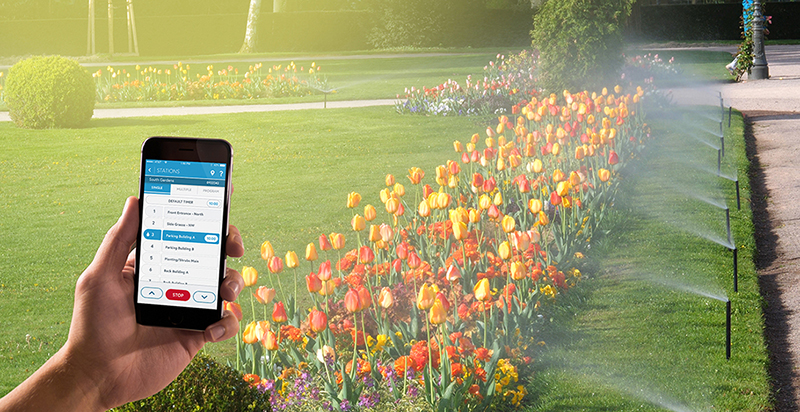
Look for systems that offer easy installation and user-friendly controls. Remote access through apps allows you to control watering from anywhere. Sensors that detect rainfall or soil moisture improve water efficiency. Adjustable watering schedules help tailor irrigation to your lawn’s needs. Compatibility with your existing sprinkler system is important for a smooth upgrade. Systems with water usage reports help track and reduce consumption.
Cost Considerations
Costs vary widely depending on system type and features. Basic timers are affordable but lack smart functions. Weather-based and sensor-driven systems cost more but save water long-term. Installation costs may include professional help, especially for complex setups. Factor in maintenance expenses like sensor replacements or software updates. Balance your budget with the benefits of water savings and lawn health.
Credit: www.hydropoint.com
Choosing The Right System
Planning your lawn setup is the first step to a successful smart watering system. This stage ensures your lawn gets water where and when it needs it. Careful planning saves water and keeps your grass healthy. Start by understanding your lawn’s layout and water needs. This helps create an efficient irrigation plan.
Breaking your lawn into sections makes watering easier to manage. Knowing your water source and sprinkler spots will guide your system design. A clear plan helps avoid wasted water and uneven coverage.
Assessing Lawn Size And Zones
Measure your lawn’s total area using a tape or a measuring app. Divide your lawn into zones based on sunlight, grass type, and slope. Different zones often need different watering schedules. Group plants with similar needs in the same zone for better efficiency. This step helps tailor watering to each part of your lawn.
Identifying Water Sources
Locate your main water supply or outdoor faucet. Check the water pressure and flow rate to ensure it supports your system. Consider using rainwater tanks if available for eco-friendly watering. Knowing your water source helps choose the right pipes and valves. A reliable water source is key to a smart system’s success.
Mapping Sprinkler Locations
Sketch your lawn and mark where sprinklers will go. Place sprinklers to cover all zones without overlap or dry spots. Use a mix of spray and drip emitters for lawns and garden beds. Keep sprinklers away from hard surfaces to reduce waste. Proper placement ensures even watering and saves water.
Planning Your Lawn Setup
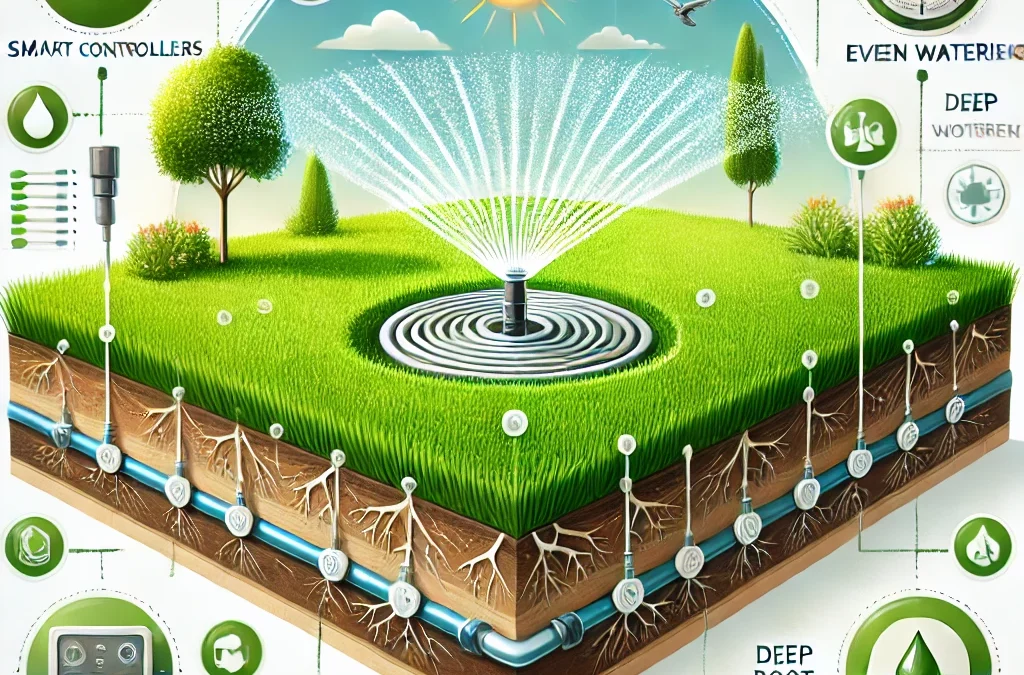
Optimizing watering techniques improves lawn health and saves water. Smart watering systems work best when you apply water correctly. Adjusting your watering approach helps roots grow strong and prevents water waste. Follow simple methods to water deeply and evenly for a lush lawn.
Cycle And Soak Method
The cycle and soak method splits watering into short cycles. Water runs for a few minutes, then pauses to soak into the soil. This prevents runoff and lets water reach deep roots. It works well on slopes and compacted soil. Smart systems can set multiple short cycles automatically.
Timing Your Watering
Water early in the morning for best results. Cooler temperatures reduce evaporation loss. Avoid watering in the heat of the day or at night. Morning watering helps grass dry faster, reducing disease risk. Set your smart system to water before sunrise for efficiency.
Adjusting For Soil Types
Different soils absorb water at different rates. Sandy soil drains quickly and needs more frequent watering. Clay soil holds water longer but absorbs slowly. Adjust watering time and frequency based on soil type. Smart systems can be programmed to match your soil’s needs.
Credit: seattlelandscapes.com
Installation Steps
Maintaining your smart watering system keeps your lawn healthy and your system reliable. Regular care helps spot problems early and avoids costly repairs. Troubleshooting quickly restores proper function, so your lawn gets the water it needs.
Regular System Checks
Check your system weekly during the watering season. Look for leaks, broken sprinkler heads, or blocked nozzles. Verify the timer and sensors work correctly. Clean filters to prevent clogs. Inspect wiring for damage or loose connections. Test zones to ensure even water distribution.
Fixing Common Issues
Leaks often cause water waste and poor coverage. Tighten fittings or replace damaged parts. Sprinkler heads can get stuck or spray unevenly. Clean or adjust them for proper spray patterns. If sensors fail, reset or replace batteries. For controller errors, consult the manual to reset or update firmware.
Upgrading Components
Upgrade old valves and sensors for better efficiency. Newer models save water and improve control. Add smart sensors that measure soil moisture for precise watering. Replace outdated controllers with Wi-Fi enabled ones for easier scheduling. Keep your system updated to match lawn needs and technology advances.
Optimizing Watering Techniques
Programming a smart watering system is key to efficient lawn care. It controls how and when your lawn receives water. Proper programming saves water and keeps grass healthy. The system adapts to seasonal changes and weather, reducing waste.
Smart system programming helps you water your lawn just enough. It prevents overwatering and underwatering. This section explains how to set seasonal schedules, use weather sensors, and monitor remotely.
Setting Seasonal Schedules
Adjust watering times based on the season. Lawns need more water in summer and less in winter. Set the system to water early in the morning or late evening. This reduces evaporation and water loss. Many smart systems let you create different schedules for each season. Update the schedule every few months for best results.
Using Weather Sensors
Weather sensors help the system decide when to water. Sensors measure rain, temperature, and soil moisture. They stop watering if it rains or the soil is wet. This prevents wasting water on already moist soil. Sensors keep your lawn healthy by matching watering to real conditions. Choose sensors compatible with your smart system for easy setup.
Remote Monitoring Options
Remote monitoring lets you control your watering system from anywhere. Use a smartphone app or web portal to check and change settings. This feature helps you respond to weather changes quickly. You can turn watering on or off, adjust schedules, and receive alerts. Remote access saves time and keeps your lawn in great shape.
Maintenance And Troubleshooting
Setting up a smart watering system can save water and keep your lawn healthy. Avoiding common mistakes helps the system work well and last longer. Small errors can cause big problems like water waste or poor lawn growth. Focus on key points to make your setup smooth and effective.
Preventing Overwatering
Overwatering harms grass and wastes water. Set your system to water only when needed. Use soil moisture sensors to guide watering times. Choose the right schedule for your lawn type and weather. Avoid watering during rain or cooler parts of the day. Follow the cycle and soak method to let water soak in deeply.
Ensuring Proper Pressure
Water pressure affects how well your system works. Too much pressure can damage pipes and sprinklers. Too little pressure means uneven watering. Measure your water pressure before installation. Use pressure regulators if needed to keep pressure steady. Check for leaks or blockages that reduce pressure. Proper pressure helps water flow evenly to all parts of your lawn.
Avoiding Installation Errors
Correct installation is key to system success. Plan your layout carefully, marking all sprinkler spots clearly. Avoid sharp bends or kinks in pipes. Connect wires and valves securely to prevent leaks or failures. Test each section before covering pipes with soil. Keep the system accessible for future maintenance. Following instructions step-by-step reduces mistakes and keeps your lawn safe.
Frequently Asked Questions
What Is The 30/30 Rule For Irrigation?
The 30/30 rule for irrigation means watering for 30 minutes, then waiting 30 minutes before watering another 30 minutes. This prevents runoff and improves water absorption.
How To Set Up An Automated Watering System?
Connect your water source to the irrigation controller. Install mainline pipes and valves. Position sprinklers and lay lateral pipes. Attach control wires and program the system. Test all components to ensure proper operation and coverage.
What Are The Disadvantages Of A Smart Irrigation System?
Smart irrigation systems can be costly to buy and install. They may require frequent maintenance and troubleshooting. Incorrect setup can reduce reliability. Some systems depend heavily on technology, risking failures during power or network outages.
What Is The 1/2/3/2:1 Watering Method?
The 1/2/3/2:1 watering method means watering for 1 hour, then 2, then 3, then 2 hours with 1-hour breaks. It helps soil absorb water deeply and prevents runoff. This cycle encourages strong root growth and efficient water use, ideal for slopes or clay soils.
Conclusion
Setting up a smart watering system saves time and water effectively. It helps your lawn grow strong and healthy by watering deeply. You avoid water waste and reduce runoff with smart scheduling. Regular checks keep the system working well and prevent issues.
Choose simple steps to install and maintain your system easily. A smart system adapts watering to weather and soil needs. Enjoy a greener lawn with less effort and water use. Start today for a lawn that stays lush all year.