
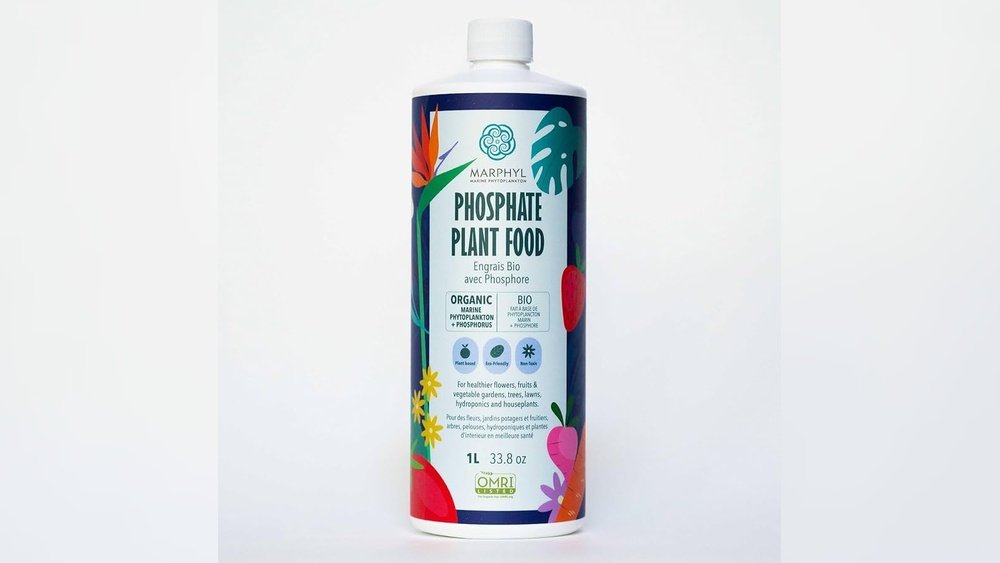
Is your garden not growing as lush and vibrant as you hoped? One common hidden problem might be phosphorus deficiency in your soil.
Without enough phosphorus, your plants struggle to develop strong roots, bloom beautifully, and produce healthy fruits. But don’t worry—correcting this issue is easier than you think. You’ll discover simple, effective steps to bring your soil back to life and watch your garden thrive like never before.
Keep reading to unlock the secret to healthier, more productive plants!
Credit: www.gardenia.net
Signs Of Phosphorus Deficiency
Phosphorus is a vital nutrient for plants. It helps with energy transfer and root development. Without enough phosphorus, plants struggle to grow well. Knowing the signs of phosphorus deficiency is key to fixing the problem early. This helps protect your garden’s health and yield.
Phosphorus deficiency shows in plants in clear ways. Spotting these signs helps you take quick action. Below are common symptoms seen in plants and how growth suffers.
Visual Symptoms In Plants
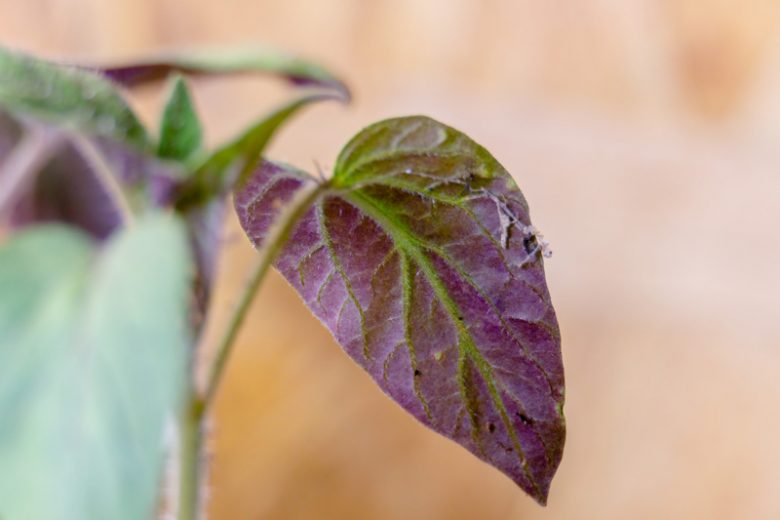
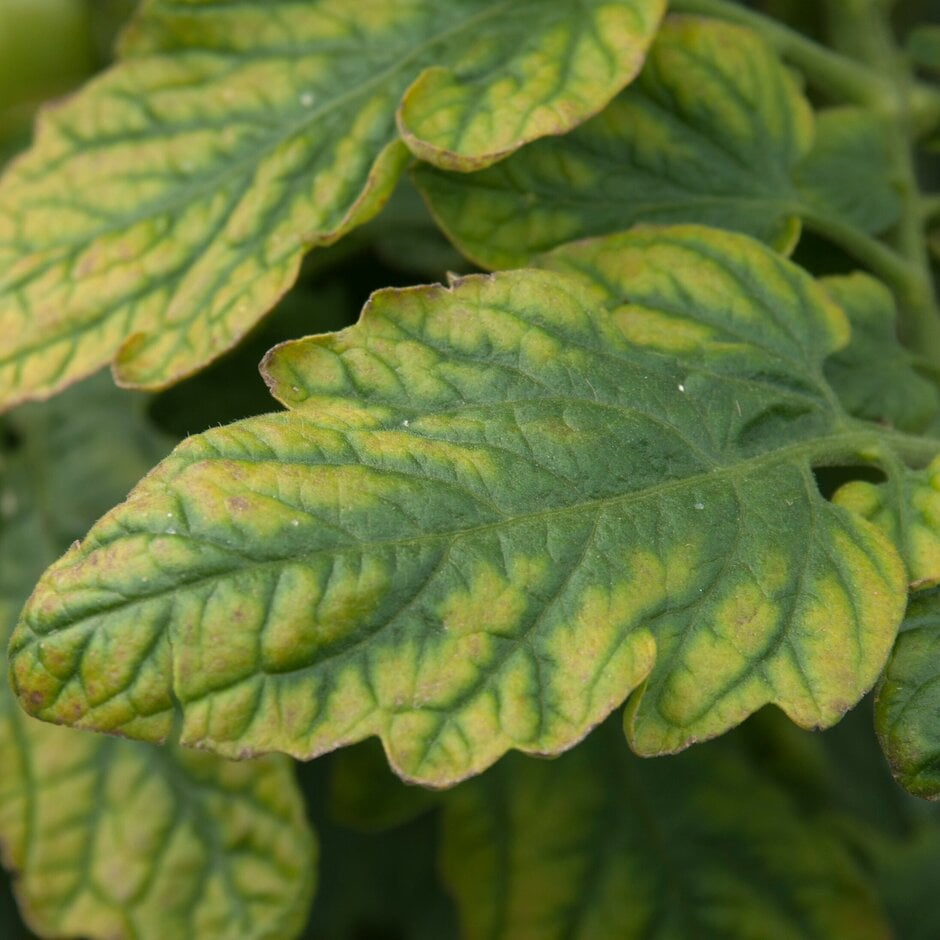
Leaves may turn dark green or have a purplish tint. Older leaves often show this color change first. Stems can also look weak or thin. Leaf edges might curl or become dry. Flowering and fruiting can slow down or stop. Roots may grow poorly or look stunted. Plants look smaller and less healthy overall.
Growth And Yield Impact
Plants with low phosphorus grow more slowly. Root systems are weak and cannot absorb enough water. Plants become less resistant to stress and disease. Crop yield drops because flowers and fruits do not develop well. Harvests may be smaller and less nutritious. Early detection helps avoid these losses.
Testing Soil For Phosphorus
Testing soil for phosphorus is the first step to fix deficiency problems. Knowing the phosphorus level helps choose the right treatment. It ensures plants get enough nutrients to grow well.
Soil testing is simple and gives clear results. It saves time and money by avoiding guesswork. Follow proper steps for accurate testing and better garden health.
Soil Sampling Methods
Collect soil samples from different garden spots. Use a clean tool like a trowel or soil probe. Take samples from 4 to 6 inches deep for best results.
Mix the samples in a clean bucket to get a good mix. Remove any stones or roots before testing. Take about one cup of mixed soil for the test.
Label the sample with the location and date. Send it to a local lab or use a home test kit. Follow the instructions carefully to avoid errors.
Interpreting Test Results
Test results usually show phosphorus levels in parts per million (ppm). Low phosphorus means plants may grow slowly and look weak. High phosphorus can cause other nutrient problems.
Compare your results with the recommended phosphorus range for your plants. Use fertilizers or organic matter to adjust phosphorus levels. Follow guidelines to avoid over-fertilizing and harming plants.
Regular testing helps track soil health over time. Keep records of results to plan future soil care. Healthy soil means stronger plants and better garden yields.
Choosing The Right Phosphorus Fertilizer
Choosing the right phosphorus fertilizer is important for healthy garden soil. Phosphorus helps plants grow strong roots and produce flowers and fruits. The right fertilizer adds phosphorus in a form plants can use easily. Different fertilizers work better for different soils and plants. Understanding your options helps you pick the best one for your garden.
Organic Options
Organic phosphorus fertilizers come from natural sources. Bone meal is a popular choice. It releases phosphorus slowly and improves soil health. Rock phosphate is another option. It works best in acidic soils and breaks down over time. Compost also adds phosphorus and other nutrients. It improves soil texture and supports beneficial microbes. Organic options feed the soil and plants gently.
Synthetic Options
Synthetic fertilizers provide phosphorus quickly. They come in forms like superphosphate or monoammonium phosphate. These fertilizers dissolve fast in soil water. Plants can absorb phosphorus right away. Synthetic options work well for plants needing a quick boost. Use them carefully to avoid over-fertilizing. Follow package instructions for best results.
Credit: www.rhs.org.uk
Application Techniques
Correcting phosphorus deficiency in garden soil requires precise application techniques. Proper timing and method ensure plants absorb the nutrient efficiently. Applying fertilizer incorrectly wastes resources and harms plant health. Follow these guidelines to apply phosphorus fertilizer effectively.
When To Apply Fertilizer
Apply phosphorus fertilizer before planting for best results. This helps roots develop strong and healthy. Early application allows phosphorus to mix well with soil. Avoid applying during heavy rain to prevent nutrient loss. For established plants, apply fertilizer at the start of their growing season.
How To Apply Fertilizer
Use a spreader to distribute granular fertilizer evenly. Avoid placing fertilizer directly on plant stems to prevent burn. Lightly mix the fertilizer into the top 2-3 inches of soil. For liquid fertilizers, use a watering can or sprayer. Water the soil after application to help nutrients soak in.
Improving Soil Conditions
Improving soil conditions plays a key role in fixing phosphorus deficiency. Healthy soil helps plants absorb nutrients better. Soil that holds water and air well supports root growth. Adjusting soil pH and enhancing soil structure are two ways to improve soil. Both steps help unlock phosphorus naturally and boost garden health.
Adjusting Soil Ph
Soil pH affects phosphorus availability to plants. Phosphorus becomes less available if soil is too acidic or too alkaline. Aim for a pH between 6.0 and 7.0 for best results. Test your soil pH with a simple kit. Use lime to raise pH in acidic soil. Add sulfur or peat moss to lower pH in alkaline soil. Adjust slowly and retest to avoid harming plants.
Enhancing Soil Structure
Good soil structure improves nutrient flow and root access. Loose, crumbly soil allows roots to spread easily. Add organic matter like compost or aged manure to enhance texture. Organic matter increases water retention and air spaces. Avoid compacting soil by reducing heavy foot traffic. Mulching also helps keep soil moist and protects structure. Better structure means plants absorb phosphorus more effectively.
Credit: extension.okstate.edu
Preventing Future Deficiencies
Preventing phosphorus deficiency in garden soil is key to healthy plants and good harvests. Keeping soil rich and balanced avoids many problems. Small, regular efforts help maintain the right nutrient levels. Let’s explore two simple steps to prevent phosphorus shortage in your garden.
Crop Rotation Practices
Crop rotation helps keep soil nutrients balanced. Different plants use different nutrients. Rotating crops stops phosphorus from running out in the soil. Legumes, like beans and peas, add nutrients back to the ground. Planting these after heavy feeders helps restore soil health. Changing crops each season reduces pests and diseases too. This natural method protects soil and supports plant growth.
Regular Soil Monitoring
Testing soil often keeps track of phosphorus levels. Soil tests show nutrient amounts and pH balance. Testing before planting helps plan fertilizing correctly. It prevents overuse or lack of phosphorus. Simple soil kits or lab tests give reliable results. Monitoring soil regularly guides better garden care. It helps keep soil fertile and plants strong.
Frequently Asked Questions
What Are The Symptoms Of Phosphorus Deficiency In Soil?
Phosphorus deficiency causes stunted growth and dark green or purplish leaves. Plants develop weak roots and delayed maturity. Identifying these symptoms early helps correct the issue effectively.
How Can I Test Phosphorus Levels In Garden Soil?
You can test phosphorus using a soil test kit or send samples to a lab. Testing ensures accurate diagnosis and helps determine the right fertilizer amount for your soil.
Which Fertilizers Best Correct Phosphorus Deficiency?
Bone meal, rock phosphate, and superphosphate are excellent phosphorus sources. Use them according to soil test recommendations to avoid over-fertilizing and harming plants.
Can Organic Matter Improve Phosphorus Availability?
Yes, adding compost or well-rotted manure improves soil structure and phosphorus uptake. Organic matter supports beneficial microbes that help release phosphorus to plants.
Conclusion
Phosphorus helps plants grow strong roots and flowers. Test your soil to find out its phosphorus level. Add phosphorus-rich fertilizers or organic compost to fix deficiency. Spread the nutrients evenly and water the soil well. Watch your garden plants grow healthier and more vibrant.
Keep checking soil regularly to avoid future problems. Simple steps lead to a thriving garden full of life. Your plants will thank you with better blooms and fruit. Easy care brings great rewards in your garden space.