
Choosing the right water timer for your garden irrigation can transform how you care for your plants. Imagine never worrying about overwatering or underwatering again, while saving time and water effortlessly.
But with so many options available, how do you pick the best one for your garden’s unique needs? In this guide, you’ll discover simple tips to select a water timer that fits your irrigation system perfectly, keeps your garden thriving, and makes watering stress-free.
Ready to take control of your garden’s watering schedule and boost its health? Let’s dive in.
Credit: randalllandscaping.com
Types Of Water Timers
Water timers control your garden’s irrigation automatically. They save time and water. Different types of water timers offer various features and ease of use. Choosing the right type depends on your garden size, budget, and tech comfort.
Mechanical Timers
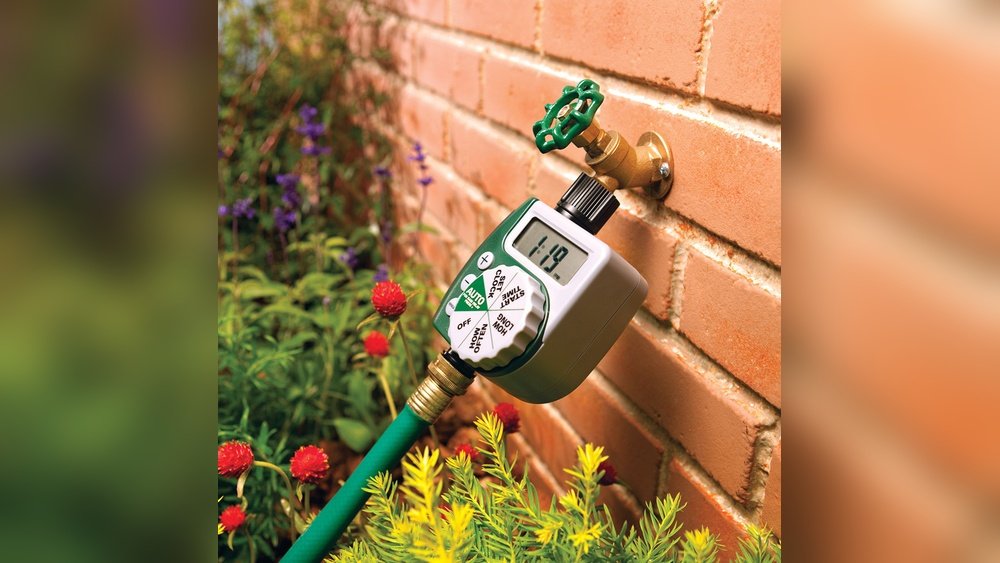
Mechanical timers are simple and reliable. They use a dial to set watering time. No batteries or electricity needed. Easy to install and operate. Best for small gardens or basic watering needs. Limited programming options but durable for outdoor use.
Digital Timers
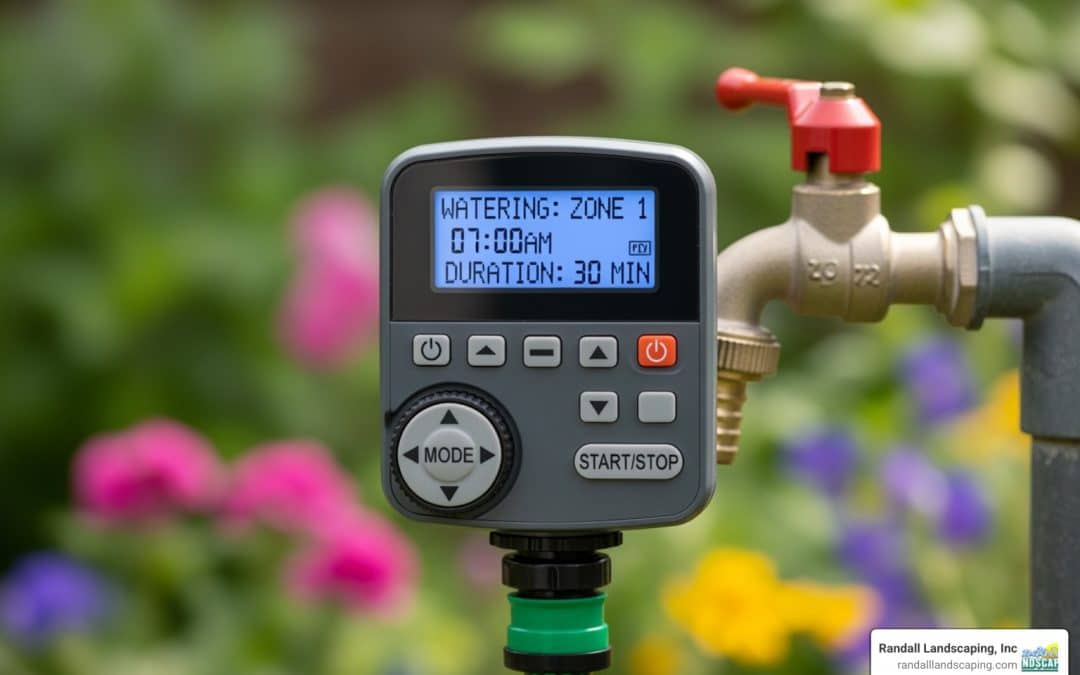
Digital timers offer more control than mechanical ones. Use buttons and a screen to set schedules. Can program multiple start times and durations. Runs on batteries or electricity. Ideal for medium to large gardens. Provides accurate watering and flexible settings.
Smart Timers
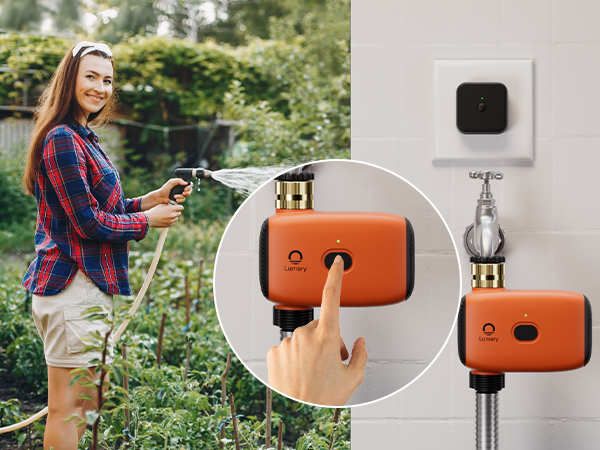
Smart timers connect to Wi-Fi or Bluetooth. Control your irrigation from a smartphone app. Adjust watering based on weather and soil data. Save water by preventing overwatering. Suitable for tech-savvy gardeners. Often includes alerts and remote monitoring features.
Credit: plantin.alibaba.com
Key Features To Consider
Choosing the right water timer means understanding its key features. These features affect how well the timer fits your garden’s needs. Focus on what makes watering easy and efficient. The following features help you pick a timer that works best for your irrigation system.
Number Of Zones Supported
Check how many zones the timer can control. Each zone waters a different area of your garden. More zones mean better control over varied plants and layouts. Make sure the timer supports all your garden zones. This avoids watering some areas too much or too little.
Programmable Schedules
Look for timers with flexible scheduling options. You want to set watering times and days easily. Some timers let you create multiple programs for different zones. This helps match watering to each plant’s needs. Simple programming saves water and keeps plants healthy.
Watering Duration And Frequency
Choose a timer that lets you set watering length and how often it runs. Some plants need short, frequent watering. Others need longer, less frequent watering. Adjustable duration and frequency give you full control. This customization helps prevent overwatering and water waste.
Power Source Options
Consider where you will install the timer. Some use batteries, others plug into electricity. Battery-powered timers are easy to install anywhere. Electric timers may need nearby outlets but often have more features. Pick a power source that fits your garden setup and convenience.
Installation Locations
Choosing the right location for your garden water timer is crucial. It ensures easy access and protects the device. Proper placement also helps the timer work efficiently without damage. Consider where you can install the timer safely and conveniently.
Indoor Controllers
Indoor controllers are ideal for protection from weather. They keep the timer safe from rain, sun, and dirt. Installing indoors allows easy programming and monitoring. Place the controller near a power source and water supply. Avoid damp or hot areas to extend its life.
Outdoor Controllers
Outdoor controllers are built to withstand harsh conditions. They come with weatherproof casing to protect internal parts. Mount these timers close to your irrigation system valves. Ensure the location is shielded from direct sun and heavy rain. This setup reduces wiring length and installation cost.
Mounting Tips
Mount the timer at eye level for easy access. Use a sturdy surface like a wall or post. Secure the device with screws or brackets provided. Keep the timer away from sprinkler spray to prevent water damage. Ensure good ventilation to avoid overheating.
Credit: www.lumarysmart.com
Compatibility With Irrigation Systems
Choosing a water timer that fits your irrigation system is essential for efficient garden watering. Compatibility ensures the timer works smoothly with your setup. Different irrigation types need specific timer features. Understanding these helps pick the right timer for your garden.
Sprinkler Systems
Sprinkler systems spread water over large areas. They use multiple zones to cover lawns and flower beds. Your timer must control several zones easily. Look for timers with multiple station outputs. This lets you manage each sprinkler zone separately. A timer with simple programming makes scheduling easy. Ensure the timer fits the sprinkler valve type you have.
Drip Irrigation
Drip irrigation delivers water directly to plant roots. It uses low pressure and slow watering. Timers for drip systems need fine control over watering duration. Choose timers that allow short watering cycles. This prevents overwatering and saves water. Some timers have moisture sensors for better control. Check if your timer supports low-flow emitters used in drip irrigation.
Soaker Hoses
Soaker hoses slowly release water along their length. They work well for garden beds and shrubs. Timers for soaker hoses should handle longer watering times. Choose timers with easy-to-set durations. The timer must control standard garden hose connectors. Make sure it can manage the water pressure your soaker hose needs. This keeps watering consistent and plants healthy.
Efficiency And Water Conservation
Efficiency and water conservation are essential when choosing a water timer for garden irrigation. A good timer helps save water and keeps your plants healthy. It controls watering schedules to avoid waste. Smart use of timers supports a greener garden and lowers water bills.
Using Timers To Prevent Overwatering
Water timers stop watering once the set time ends. This prevents overwatering, which can harm plants and waste water. With a timer, water is applied only when needed. This protects plant roots and keeps soil healthy. Overwatering leads to runoff and water loss. Timers provide precise control to avoid these issues.
Timing Watering For Maximum Absorption
Watering early in the morning helps plants absorb water better. Timers can be set to water at these optimal times. This reduces evaporation caused by heat and wind. Soil absorbs water more efficiently during cooler hours. Timed watering ensures plants get the right amount of water. This promotes strong root growth and better plant health.
Integration With Rain Sensors
Rain sensors work with water timers to save water during wet weather. Sensors detect rainfall and pause the watering schedule. This prevents watering when nature has already supplied enough water. Integrating sensors with timers avoids water waste and protects your garden. It ensures irrigation runs only when necessary, improving overall efficiency.
Budget And Durability
Choosing a water timer involves careful thought about budget and durability. These factors affect how long the timer lasts and how well it fits your garden needs. Spending wisely saves money over time and avoids frequent replacements. Durability ensures the timer withstands outdoor conditions and keeps your garden healthy.
Cost Ranges
Water timers come in various price ranges. Basic models cost less and offer simple functions. Mid-range timers provide more features like multiple programs and zones. High-end timers include smart technology and app control. Decide what features you need before setting your budget.
Weather Resistance
Outdoor water timers must resist weather changes. Look for timers with waterproof and UV-resistant cases. These features prevent damage from rain, sun, and dust. A durable timer works well in hot summers and cold winters. Check product details for weatherproof ratings.
Warranty And Support
Good warranty terms protect your investment. Most timers come with one to three years of warranty. Choose brands that offer clear customer support and easy returns. Reliable support helps fix problems quickly and keeps your irrigation system running smoothly.
User Interface And Controls
The user interface and controls of a water timer shape your entire irrigation experience. Simple, clear controls help you set the schedule without frustration. A good interface saves time and reduces errors. It also makes managing your garden easier and more enjoyable. Understanding key features like programming ease, mobile app support, and manual overrides helps you pick the best timer.
Ease Of Programming
Programming should be quick and straightforward. Look for clear buttons and readable screens. Timers with step-by-step guides make setup easier. Avoid models with confusing menus or tiny text. A simple interface helps you adjust watering times and zones fast. This feature suits users new to irrigation timers.
Mobile App Integration
Many water timers connect to smartphone apps. Apps let you control watering from anywhere. You can change settings, start, or stop watering remotely. Some apps send alerts about weather or system status. This feature adds convenience and control. It is useful for busy gardeners or those traveling often.
Manual Overrides
Manual overrides allow you to water immediately without changing schedules. This option is handy during hot spells or dry days. It also lets you pause watering if rain is expected. Look for timers with easy-to-find override buttons. This feature gives you control beyond automatic settings.
Advanced Features
Advanced features in water timers make garden irrigation smarter and easier. These features help save water and keep plants healthy. They add convenience and precision to your watering routine. Choosing a timer with these options can improve your garden care.
Remote Monitoring
Remote monitoring lets you control your water timer from anywhere. Use your smartphone or computer to start or stop watering. Check the watering schedule without going outside. This feature saves time and helps manage your garden better.
Weather-based Adjustments
Timers with weather-based adjustments change watering based on weather data. They reduce watering during rain or high humidity. Increase watering during hot, dry days. This keeps your garden healthy and prevents water waste.
Solar Power Options
Solar-powered water timers use sunlight for energy. They reduce the need for batteries or electricity. This option is eco-friendly and lowers maintenance. Solar timers work well in sunny gardens and save money.
Troubleshooting And Maintenance
Proper troubleshooting and maintenance keep your water timer working well. Regular care prevents damage and watering errors. Knowing common problems helps fix issues quickly. Maintenance extends the timer’s life and saves money. Check your timer often and clean it to avoid failures.
Common Issues
Timers may fail to start or stop watering at set times. Battery drains fast, causing loss of settings. Clogged valves block water flow, reducing irrigation. Loose connections cause the timer to lose power. Display screens sometimes freeze or show wrong information. Water leaks around the timer can damage electronics. Weather can affect outdoor timers, causing corrosion or cracks.
Routine Maintenance Tips
Replace batteries yearly or when the display dims. Clean dirt and debris from the timer and valves. Check all connections to ensure they are tight. Use a soft brush to remove dust from the screen. Test the timer regularly to confirm it runs programs correctly. Cover outdoor timers to protect from rain and sun. Store the timer indoors during winter to avoid freezing damage.
When To Replace Your Timer
Replace your timer if it fails to keep time or control zones. Frequent errors or resets show internal damage. Cracks or water damage reduce reliability and safety. If programming options no longer meet your needs, consider a newer model. Old timers may lack modern features that save water. Upgrading can improve garden health and ease of use.
Frequently Asked Questions
How To Choose A Sprinkler Timer?
Choose a sprinkler timer by matching zone capacity to your system, selecting indoor or outdoor mounting, and ensuring it offers at least two programs. Select digital timers for precise, consistent watering and easy scheduling.
Are Digital Tap Timers Better?
Digital tap timers provide consistent, efficient watering by automating schedules. They save water, improve plant health, and offer easy programming.
What Type Of Watering System Is Best For A Garden?
Drip irrigation is best for gardens due to its water efficiency and targeted delivery. It saves water and reduces weed growth. Automated timers enhance consistency and convenience. This system supports healthy plants with minimal waste and effort.
What Are The Four Types Of Timers?
The four types of timers are Dashpot (Mechanical), Synchronous Clock, Solid-State, and Programmable. They range from simple mechanical delays to advanced digital scheduling. Each type suits different needs, from basic timing to complex automation in industrial and home applications.
Conclusion
Choosing the right water timer helps save water and time. Consider your garden size and watering needs first. Pick a timer that fits your budget and is easy to use. Digital timers offer precise control and flexibility. Outdoor or indoor placement affects your choice.
Setting multiple programs can improve watering efficiency. A good timer keeps plants healthy and your garden green. Take your time to compare features before buying. This small tool makes garden care simpler and smarter.