

Are your plant’s leaves turning yellow and you don’t know why? Yellowing leaves can be frustrating, especially when you’re not sure what’s causing the problem.
Most often, this happens because of a nutrient imbalance in the soil. But don’t worry—fixing it is easier than you think. You’ll discover simple, effective steps to bring your plants back to life. Keep reading to learn how to spot the signs, understand what your plants really need, and restore their vibrant green color.
Your garden will thank you!
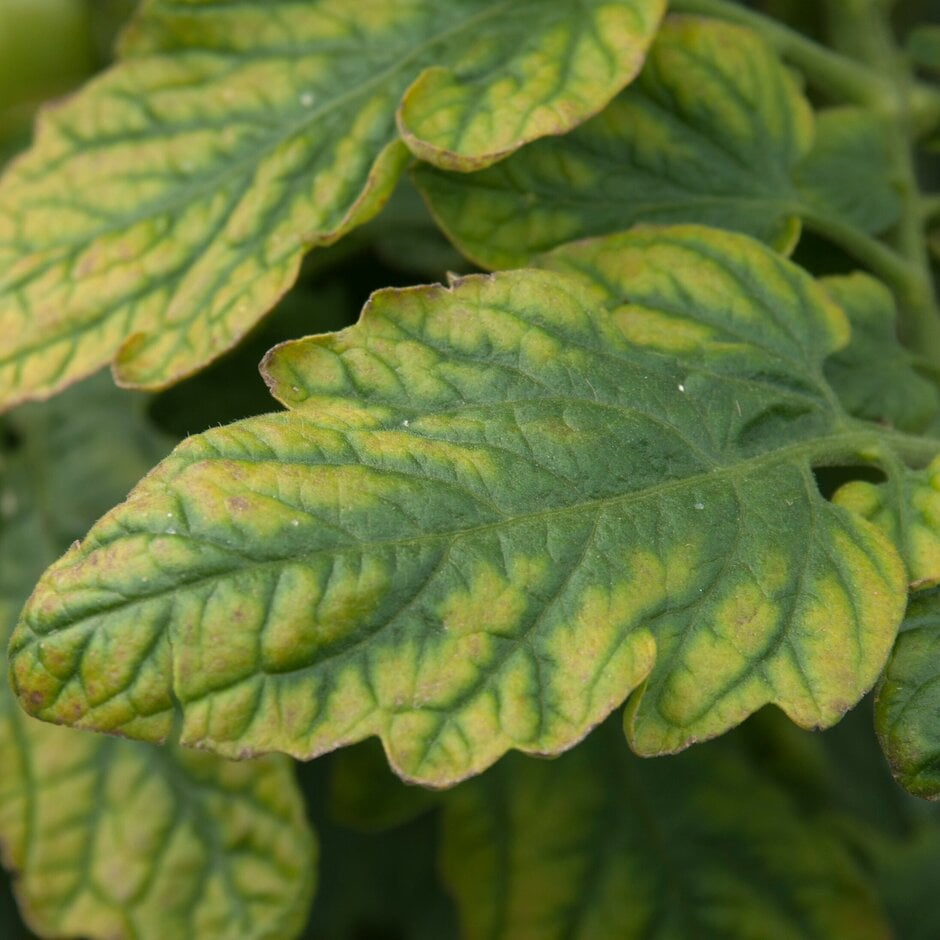
Credit: www.rhs.org.uk
Causes Of Yellowing Leaves
Yellowing leaves on plants often signal an underlying problem. Understanding the causes helps to fix the issue quickly. Many factors can lead to yellow leaves, but soil nutrient imbalance is a common one. Identifying the exact cause is key to healthy plants.
Nutrient Deficiencies
Plants need nutrients like nitrogen, iron, and magnesium to stay green. Lack of these nutrients causes leaves to turn yellow. Nitrogen deficiency usually affects older leaves first. Iron deficiency shows yellowing between leaf veins. Magnesium shortage causes yellow spots or edges on leaves.
Soil Ph Issues
Soil pH affects nutrient availability to plants. Too acidic or too alkaline soil blocks nutrients from roots. Plants cannot absorb nutrients well if pH is off. Yellow leaves can appear even if nutrients are in the soil. Testing soil pH helps to know if this is the problem.
Watering Mistakes
Both overwatering and underwatering cause yellow leaves. Too much water drowns roots and limits oxygen. Too little water stresses plants and stops nutrient flow. Consistent, proper watering keeps leaves green and healthy. Check soil moisture before watering to avoid mistakes.
Pest And Disease Effects
Pests like aphids and spider mites suck plant juices. This causes leaves to turn yellow and weak. Diseases such as root rot and leaf spot also cause yellowing. These problems disrupt nutrient absorption and damage leaves. Inspect plants regularly for signs of pests or disease.
Identifying Soil Nutrient Imbalance
Identifying soil nutrient imbalance is key to fixing yellowing leaves. Plants need the right nutrients to grow healthy and green. Without balance, leaves turn yellow and plants weaken. Understanding how to spot nutrient issues helps you act fast. This keeps plants strong and vibrant.
Symptoms In Plants
Yellow leaves are a common sign of nutrient problems. Leaves may turn pale or show spots. Growth slows and new leaves look smaller. Some plants wilt even with enough water. Roots may appear weak or underdeveloped. These signs tell you nutrients are missing or too much.
Soil Testing Methods
Soil testing reveals what nutrients are lacking or excess. Simple kits are available for home gardeners. You can send samples to a lab for detailed results. Tests check pH, nitrogen, phosphorus, potassium, and more. Regular testing prevents long-term nutrient issues in soil.
Common Nutrient Deficiencies
Nitrogen deficiency causes pale or yellow leaves. Phosphorus lack leads to dark green or purple leaves. Potassium shortage shows as yellow edges or spots. Magnesium deficiency causes yellow between leaf veins. Each nutrient affects plants differently. Recognizing these helps target the right fix.
Correcting Soil Nutrient Levels
Correcting soil nutrient levels is key to stopping yellow leaves. Plants need the right nutrients in the soil to grow healthy. Too much or too little of certain nutrients causes yellowing. Fixing this balance helps leaves turn green again and grow strong.
Balancing Nitrogen, Phosphorus, And Potassium
Nitrogen helps leaves grow green and lush. Low nitrogen makes leaves yellow and weak. Phosphorus supports roots and flowers. Lack of phosphorus slows growth and causes dark leaves. Potassium keeps plants strong and healthy. Without enough potassium, leaves may turn yellow at edges. Check soil tests to know nutrient levels. Add fertilizers that match what soil lacks. Use balanced fertilizers if unsure.
Adjusting Micronutrients
Micronutrients like iron, magnesium, and zinc are needed in small amounts. Iron deficiency often causes yellow leaves with green veins. Magnesium helps leaf color and photosynthesis. Zinc supports growth and leaf health. Test soil for micronutrients if yellowing stays after fixing main nutrients. Use supplements designed for specific micronutrient needs. Apply carefully to avoid overfeeding.
Choosing The Right Fertilizers
Choose fertilizers based on soil test results. Slow-release fertilizers supply nutrients steadily over time. Liquid fertilizers work fast for quick fixes. Organic fertilizers improve soil health and nutrient balance naturally. Avoid too much fertilizer, which can harm plants and soil. Follow package instructions for best results. Regular feeding helps prevent yellow leaves and keeps plants healthy.
Improving Soil Health
Improving soil health is key to fixing yellowing leaves caused by nutrient imbalance. Healthy soil provides plants with the right nutrients and environment. It helps roots grow strong and absorb water better. Simple steps can improve soil quality and bring plants back to life.
Adding Organic Matter
Organic matter like compost or mulch enriches soil naturally. It adds nutrients that plants need to stay green and healthy. Organic matter improves soil texture, making it easier for roots to spread. It also helps soil hold moisture, reducing stress on plants.
Using Soil Amendments
Soil amendments adjust pH and nutrient levels in the soil. Lime raises pH in acidic soils. Sulfur lowers pH in alkaline soils. Adding balanced fertilizers can replace missing nutrients. Test soil before adding amendments to avoid overuse.
Enhancing Soil Drainage
Poor drainage causes water to pool and suffocate roots. Improving drainage prevents root rot and nutrient loss. Mix sand or perlite into heavy soil to increase airflow. Raised beds or planting on slopes also help water drain away quickly.
Preventing Future Yellowing
Preventing yellowing leaves caused by soil nutrient imbalance helps keep plants healthy. It saves time and effort on fixing problems later. Healthy soil supports strong roots and vibrant leaves. Follow these simple steps to avoid future yellowing.
Regular Soil Monitoring
Check soil health often using easy test kits. Test for nutrient levels and pH balance. Knowing soil conditions helps you add the right nutrients. Avoid over-fertilizing, which can harm plants. Keep soil rich and balanced for steady growth.
Proper Watering Techniques
Water plants deeply but not too often. Too much water washes away nutrients. Too little water stops nutrient absorption. Water early in the morning or late in the afternoon. Use mulch to keep soil moist and cool. This protects roots and reduces stress.
Plant Selection And Rotation
Choose plants that suit your soil type and climate. Rotate crops yearly to prevent nutrient depletion. Different plants use and add different nutrients. This keeps soil fertile and healthy. Avoid planting the same type repeatedly in one spot.

Credit: www.gardenmyths.com
When To Seek Professional Help
Yellowing leaves often signal problems with soil nutrients. Sometimes, home fixes work well. Other times, the issue needs expert help. Knowing when to call a professional saves plants and time. This section explains key signs to watch for.
Persistent Leaf Yellowing
Leaves stay yellow despite regular care. Fertilizers and watering do not help. Yellowing spreads to new leaves. This shows the problem is deeper than surface care. Professional advice can find hidden causes.
Complex Soil Problems
Soil may have imbalanced pH or toxic buildup. These issues harm plants but are hard to spot. Experts use tools to test and fix soil properly. Complex problems need knowledge and special equipment.
Advanced Testing Options
Professionals use lab tests for detailed soil analysis. They check nutrient levels, pH, and contaminants. Tests reveal exact imbalances causing yellow leaves. Accurate results guide precise treatments for plant health.
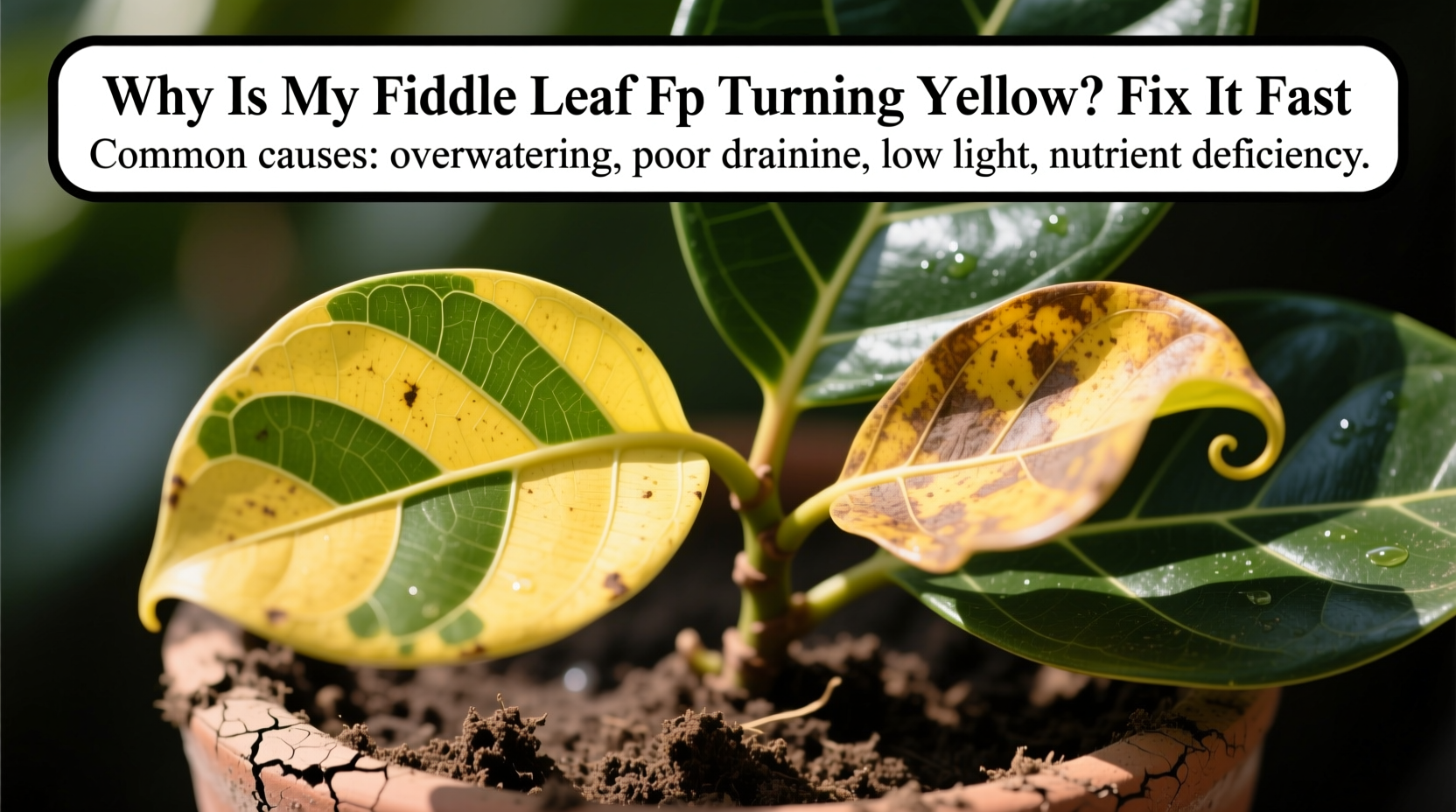
Credit: plantin.alibaba.com
Frequently Asked Questions
What Causes Yellowing Leaves From Soil Nutrient Imbalance?
Yellowing leaves often result from a lack of essential nutrients like nitrogen, iron, or magnesium. Poor soil quality or improper pH can block nutrient absorption. Identifying the specific deficiency helps in applying the right fertilizer to restore plant health effectively.
How To Test Soil For Nutrient Imbalance?
You can test soil using DIY kits or professional lab services. These tests measure pH, nitrogen, phosphorus, potassium, and trace minerals. Accurate testing ensures targeted nutrient correction, preventing over-fertilization and promoting healthy plant growth.
Which Nutrients Prevent Yellow Leaf Symptoms?
Nitrogen, iron, and magnesium are key to preventing yellowing leaves. Nitrogen supports leaf growth, iron aids chlorophyll production, and magnesium maintains photosynthesis. Balanced soil fertilization keeps these nutrients at optimal levels, reducing yellow leaf issues.
Can Adjusting Soil Ph Fix Yellow Leaves?
Yes, soil pH affects nutrient availability. If pH is too high or low, plants can’t absorb nutrients well, causing yellow leaves. Adjusting pH with lime or sulfur improves nutrient uptake and leaf color.
Conclusion
Yellowing leaves often signal a soil nutrient problem. Fixing this means checking your soil’s balance. Add the right nutrients based on what your plants need. Keep soil healthy with regular care and proper watering. Watch your plants closely for any changes.
Healthy soil leads to strong, green leaves. Small steps make a big difference in plant health. Stay patient and consistent for best results. Your plants will thank you with vibrant growth.