
Are your plants looking weak, stunted, or just not thriving like they should? The problem might be hiding right beneath the surface—your soil’s nutrients.
When soil nutrients are out of balance, your plants struggle to grow, no matter how much water or sunlight they get. But don’t worry—you can fix this. You’ll discover simple, practical steps to identify and correct nutrient imbalances in your soil.
By the end, you’ll know exactly how to give your plants the healthy boost they need to flourish. Keep reading, and watch your garden transform before your eyes.
Credit: www.mdpi.com
Signs Of Poor Plant Growth
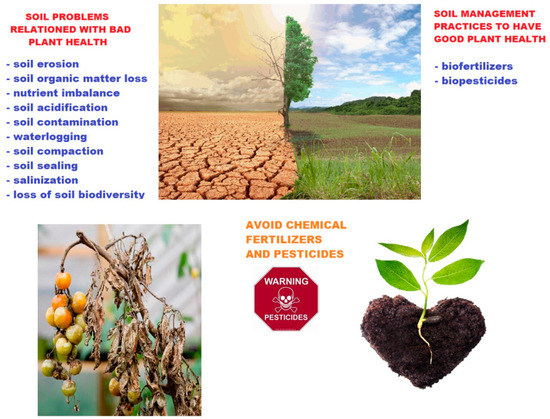
Poor plant growth often signals problems with soil nutrients. Plants need the right nutrients to grow strong and healthy. When nutrients are unbalanced, plants show clear signs of stress. Recognizing these signs early helps fix problems fast. Watch your plants closely for changes in color, size, and leaf health.
Yellowing Leaves
Leaves turning yellow is a common sign of nutrient deficiency. Nitrogen lack causes older leaves to yellow first. Iron deficiency leads to yellowing between leaf veins. Yellow leaves mean plants cannot make enough chlorophyll. This reduces photosynthesis and weakens the plant.
Stunted Growth
Plants that stop growing or grow very slowly may lack key nutrients. Phosphorus and potassium are vital for root and stem growth. Without them, plants stay small and weak. Stunted growth also means plants cannot compete for sunlight well. This limits their ability to produce flowers or fruit.
Wilting And Leaf Drop
Wilting leaves that do not recover after watering indicate nutrient stress. Potassium and calcium shortages weaken cell walls and water movement. Leaves may curl, wilt, or fall off early. Leaf drop reduces the plant’s ability to capture sunlight. This slows growth and reduces overall health.
Common Soil Nutrient Imbalances
Soil nutrient imbalances cause poor plant growth. Plants need a balance of nutrients to grow strong and healthy. When soil lacks key nutrients, plants show signs of stress and stunted growth. Understanding common nutrient deficiencies helps fix these problems quickly.
Nitrogen Deficiency
Nitrogen is vital for leaf growth and green color. Plants with low nitrogen have pale or yellow leaves. Growth slows down, and plants look weak. Adding nitrogen-rich fertilizers boosts leaf development and restores green color.
Phosphorus Deficiency
Phosphorus supports root development and flower production. Plants low in phosphorus show dark green or purple leaves. Root growth becomes weak, and flowering decreases. Phosphorus fertilizers help plants build strong roots and bloom well.
Potassium Deficiency
Potassium strengthens plants and helps resist disease. Deficient plants have yellow or brown leaf edges. They become more vulnerable to pests and drought. Applying potassium fertilizer improves plant health and stress resistance.
Micronutrient Shortages
Plants need small amounts of micronutrients like iron, zinc, and manganese. Deficiency causes yellowing between leaf veins or poor growth. Micronutrient shortages often go unnoticed but harm plant health. Use balanced micronutrient fertilizers for healthy plants.
Testing Soil Nutrient Levels
Testing soil nutrient levels helps identify the cause of poor plant growth. It shows which nutrients are missing or too high. Accurate testing guides proper soil treatment for better plants. You can test soil at home or use professional lab services. Each method has its own benefits and steps.
Soil Sampling Techniques
Collect soil samples carefully for accurate results. Use a clean tool like a trowel or soil probe. Take samples from several spots in the garden. Mix these samples in a clean bucket. Remove roots and debris before testing. This mix gives a clear picture of overall soil health. Sample at a depth of 6 to 8 inches. Avoid sampling after heavy rain or watering.
Using Home Test Kits
Home test kits offer quick nutrient checks. They usually test for pH, nitrogen, phosphorus, and potassium. Follow instructions exactly for best results. Take a soil sample and mix it with water. Dip the test strip or use a color chart. Compare the color change to the guide provided. These kits give fast answers but may lack detail. Use them to get a general idea of soil health.
Laboratory Soil Analysis
Lab analysis provides detailed and accurate results. Send your soil samples to a certified lab. Labs test many nutrients and soil properties. They provide a full report with recommendations. This helps make precise fertilizer and amendment plans. Lab tests cost more but offer valuable insights. Use lab results to fix nutrient imbalances effectively.

Credit: deepgreenpermaculture.com
Correcting Nutrient Deficiencies
Correcting nutrient deficiencies is key to improving poor plant growth. Plants need the right nutrients to grow strong and healthy. Without these, leaves turn yellow, growth slows, and plants look weak. Identifying the missing nutrients helps you choose the best way to fix the soil. You can then restore balance and help your plants thrive again.
Choosing The Right Fertilizers
Select fertilizers that match the specific nutrient needs of your soil. Use a soil test to find which nutrients are low. Common fertilizers contain nitrogen, phosphorus, and potassium. Each supports different parts of plant growth. Nitrogen helps leaves grow, phosphorus boosts roots, and potassium strengthens overall health. Choose a fertilizer with the right mix for your plants.
Organic Amendments
Organic amendments improve soil naturally and add nutrients slowly. Compost, manure, and leaf mold are great choices. They enrich soil with many nutrients and improve soil structure. Organic matter also helps soil hold water and air better. This creates a healthy environment for roots. Using organic amendments supports long-term soil health and plant growth.
Applying Nutrients Safely
Apply nutrients carefully to avoid damage to plants. Follow the package instructions for amounts and timing. Spread fertilizers evenly around the base of plants. Water the soil after applying to help nutrients soak in. Avoid over-fertilizing, which can burn roots and harm plants. Safe application ensures plants get the nutrients they need without stress.
Improving Soil Health
Improving soil health is key to fixing poor plant growth caused by nutrient imbalances. Healthy soil supports strong roots and better nutrient uptake. It creates a natural environment where plants thrive and resist diseases. Focus on the soil’s physical condition, living organisms, and water management for the best results.
Enhancing Soil Structure
Good soil structure helps roots grow easily. It allows air and water to move through the soil. To improve structure, add organic matter like compost or mulch. These materials break down and create tiny spaces in the soil. Avoid compacting the soil by not walking on planting areas. Looser soil means healthier plants and better nutrient use.
Increasing Microbial Activity
Microbes in the soil break down nutrients into forms plants can use. They also protect roots from harmful germs. Boost microbial life by adding organic compost regularly. Avoid too much chemical fertilizer or pesticide, as they can harm microbes. Keep the soil moist, but not soggy, to help microbes stay active. Healthy microbes lead to healthier plants.
Proper Irrigation Practices
Water is essential for nutrient movement in soil. Overwatering can wash away nutrients or cause root rot. Underwatering makes nutrients unavailable to plants. Water deeply and less often to encourage deep root growth. Use drip irrigation or soaker hoses to save water and prevent soil erosion. Proper watering helps plants absorb nutrients well.
Credit: www.fao.org
Preventing Future Nutrient Imbalances
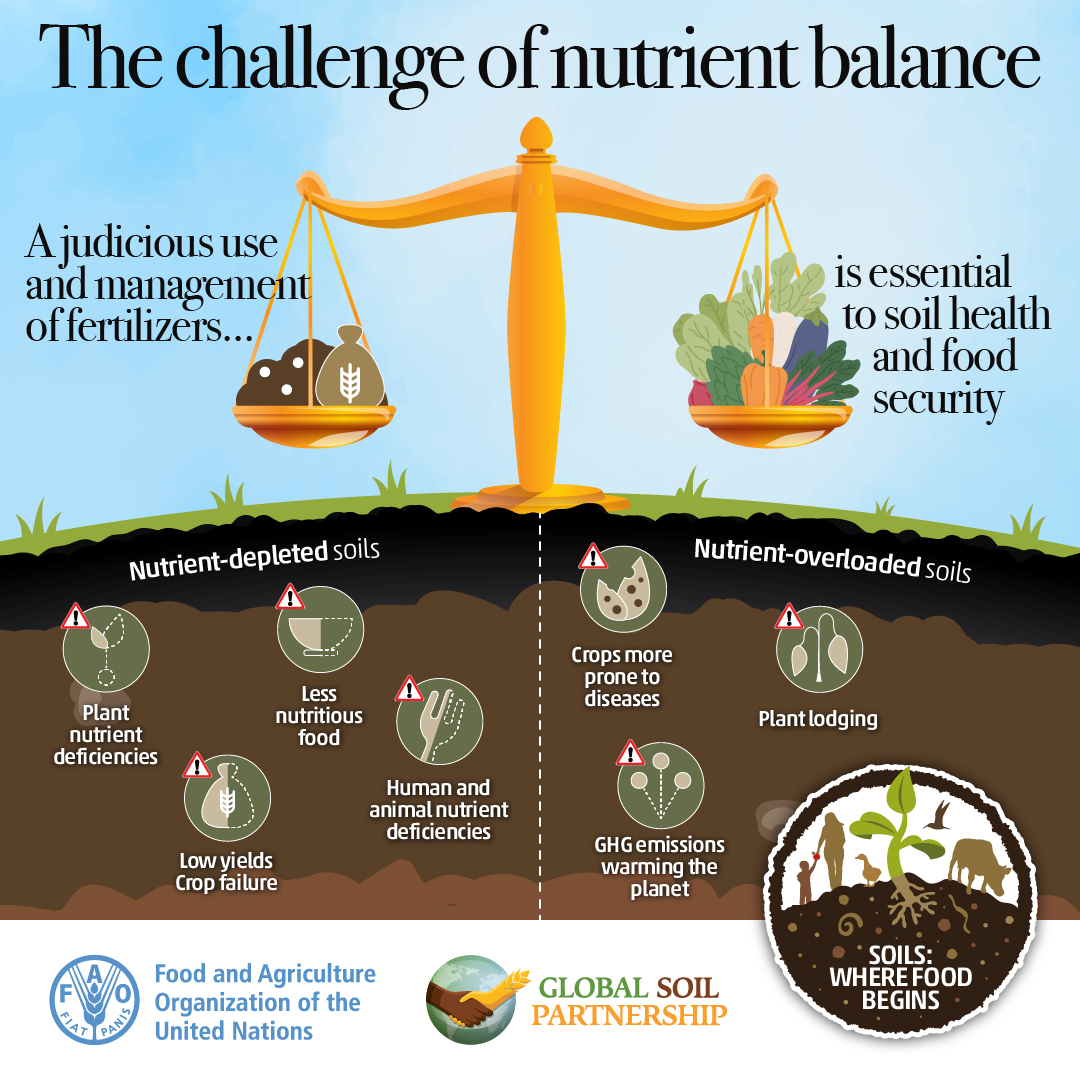
Preventing future nutrient imbalances in soil helps plants grow strong and healthy. Balanced soil supports steady growth and better yields. Focusing on prevention saves time and money on fixes later. It keeps your garden or farm productive for years. Simple, regular actions can keep soil nutrients in check.
Crop Rotation Strategies
Crop rotation means planting different crops in the same soil over time. Different plants use different nutrients. Changing crops helps keep the soil balanced. It reduces nutrient depletion and breaks pest cycles. Rotate legumes with grains to add nitrogen naturally. This method improves soil health without extra chemicals.
Regular Soil Testing
Soil testing shows nutrient levels and pH balance. Testing before planting helps know what the soil needs. Test soil every year or before new crops. Use simple kits or send samples to labs. Knowing soil condition prevents over-fertilizing or missing key nutrients. It guides smart fertilization and keeps soil healthy.
Balanced Fertilization Plans
Balanced fertilization means applying the right nutrients in the right amount. Use soil test results to plan fertilizer use. Avoid overusing nitrogen, phosphorus, or potassium. Spread fertilizers evenly and at proper times. Choose slow-release or organic fertilizers for steady nutrition. Balanced feeding supports steady plant growth and soil health.
Frequently Asked Questions
What Causes Poor Plant Growth From Soil Nutrients?
Poor growth often results from nutrient imbalances like nitrogen, phosphorus, or potassium deficiency. Soil pH can also affect nutrient availability. Over-fertilizing or compacted soil may worsen the issue. Identifying the specific nutrient lacking is key to improving plant health and growth.
How Can I Test Soil Nutrient Imbalance?
Use a soil testing kit or send samples to a lab for analysis. Tests measure pH, nitrogen, phosphorus, potassium, and other minerals. Regular testing helps track nutrient levels and guides effective fertilization to correct imbalances and promote healthy plant growth.
What Fertilizers Fix Imbalanced Soil Nutrients?
Choose fertilizers based on soil test results. Nitrogen-rich fertilizers boost leafy growth, while phosphorus supports roots and flowering. Potassium enhances overall plant health. Balanced or specific nutrient fertilizers correct deficiencies, restoring soil fertility for better plant development.
How Does Soil Ph Affect Nutrient Availability?
Soil pH influences nutrient solubility and uptake by plants. Most nutrients are available in pH 6 to 7. Acidic or alkaline soils can lock nutrients, causing deficiencies. Adjusting soil pH with lime or sulfur improves nutrient absorption and plant growth.
Conclusion
Balanced soil nutrients help plants grow strong and healthy. Test your soil regularly to know what it needs. Add fertilizers or organic matter based on test results. Water plants properly and avoid overwatering. Keep an eye on plant health and adjust care as needed.
Healthy soil means better growth and more blooms. Small changes can make a big difference in your garden. Stay patient and consistent with your soil care routine. Your plants will thank you with vibrant growth and beauty.