
Choosing the right sprinkler system for your lawn can feel overwhelming. You want your grass to stay healthy and green without wasting water or spending too much time on maintenance.
But how do you pick the perfect system that fits your lawn’s size, shape, and your daily routine? This guide will walk you through simple, practical tips to help you find the best sprinkler system tailored just for your lawn.
By the end, you’ll know exactly what to look for to keep your yard thriving all season long. Keep reading to discover how easy it can be to make the right choice for your outdoor space.
Credit: greenlawninc.com
Lawn Size And Shape
Choosing the right sprinkler system depends heavily on your lawn’s size and shape. These factors affect water coverage, efficiency, and system type. Assessing your lawn layout helps select a sprinkler that provides even watering. This reduces waste and keeps grass healthy.
Small Vs Large Lawns
Small lawns need compact sprinklers with limited range. A simple oscillating sprinkler works well. It covers a square or rectangular area evenly without overwatering.
Large lawns require more powerful systems. Rotary or impact sprinklers cover wide spaces efficiently. They often come with adjustable heads and multiple zones. This allows customized watering for different lawn parts.
Square And Rectangular Areas
Square and rectangular lawns benefit from oscillating or gear-drive sprinklers. These provide steady, even water streams across straight edges. They reduce dry spots and avoid water runoff. Position sprinklers to cover the entire shape without overlap.
Long And Narrow Lawns
Long, narrow lawns need traveling or strip sprinkler systems. These move along the length, watering efficiently. They prevent water waste by focusing on the narrow area. Using a system with adjustable speed helps control water amount.
Water Supply And Pressure
Understanding your lawn’s water supply and pressure is vital before buying a sprinkler system. These factors affect how well the system waters your grass and plants. A system that matches your water pressure will work efficiently and avoid damage. Checking your water availability helps you pick a system that fits your needs perfectly.
Assessing Water Availability
Start by measuring your water source. Check the flow rate by running water through a bucket for one minute. Note how many gallons it fills. This number shows how much water you have to use. Also, find out if your water supply is steady or varies during the day. A reliable supply supports larger sprinkler systems. Know where your water source is located relative to your lawn. This helps in planning pipe routes and sprinkler placement.
Choosing For Low Pressure
Low water pressure limits your sprinkler options. Look for systems designed for low pressure settings. These sprinklers use less force but cover the area well. Drip irrigation and micro-sprinklers are good choices here. They release water slowly and reduce waste. Make sure your system has pressure regulators to protect pipes and heads. Avoid large rotor sprinklers that need high pressure to operate properly.
High-pressure Systems
High water pressure allows for more powerful sprinklers. Rotor and impact sprinklers work best in these conditions. They spray water far and cover large areas quickly. Use pressure-reducing valves if pressure is too high. Too much pressure can damage the system and cause leaks. High-pressure systems are ideal for big lawns or gardens with uneven terrain. They deliver strong water streams that resist wind drift.
Soil And Climate Factors
Choosing the right sprinkler system involves understanding your soil and climate. These factors affect how water spreads and absorbs. Matching your system to these conditions saves water and keeps grass healthy.
Soil Type Impact
Soil type changes how water moves through the ground. Sandy soil drains quickly and needs frequent, light watering. Clay soil holds water longer but absorbs it slowly. Choose sprinklers with adjustable spray to match soil absorption. This prevents runoff and pooling.
Windy And Dry Conditions
Wind can blow water away from plants. Use sprinklers with strong, targeted streams to reduce drift. Impact and rotary sprinklers work well in windy areas. Dry climates need deep watering to reach roots. Set your system for longer watering times but fewer sessions.
Humid Environments
Humid places keep moisture longer in the soil. Use sprinklers that provide gentle, even coverage to avoid overwatering. Oscillating sprinklers spread water softly and suit humid climates. Water early in the morning to reduce evaporation and fungal growth.
Sprinkler Types
Choosing the right sprinkler type is essential for a healthy lawn. Different sprinklers suit different lawn shapes, sizes, and water needs. Understanding each type helps you pick the best fit. This section explains common sprinkler types to consider.
Oscillating Sprinklers
Oscillating sprinklers spray water in a back-and-forth motion. They cover rectangular or square lawns evenly. Their gentle spray works well on delicate plants and grass. These sprinklers are easy to adjust for different coverage areas. They perform best on flat, level ground.
Impact And Rotary Sprinklers
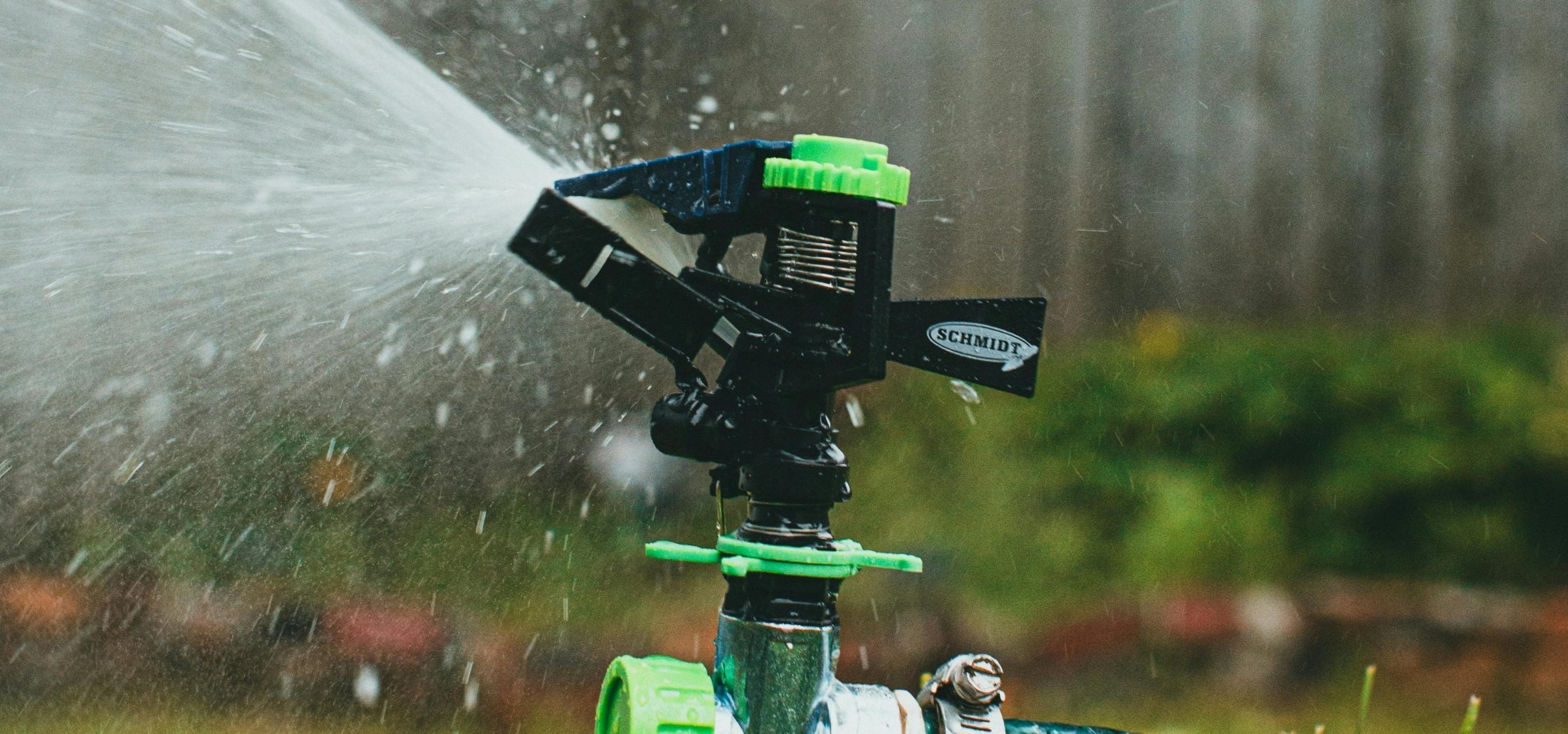
Impact and rotary sprinklers rotate to water a large area. They deliver strong water streams that reach far distances. These sprinklers handle windy conditions better than oscillating types. They suit medium to large lawns with uneven shapes. Their durable design lasts through heavy use.
Traveling Sprinklers
Traveling sprinklers move slowly across the lawn on a track or wheels. They water long, narrow areas efficiently. These sprinklers cover large lawns without manual adjustment. You can set their speed and watering length. Traveling sprinklers save time and effort for big yards.
Soaker Hose Systems
Soaker hose systems release water slowly directly into the soil. They work well for garden beds and flower borders. These hoses reduce water waste by targeting roots only. Soaker hoses prevent overwatering and runoff. They are simple to install and use with timers.
Automation And Timers
Automation and timers bring ease and precision to lawn watering. They help save water and keep your lawn healthy. By setting the right schedule, your grass gets the perfect amount of water. This section explains key features to consider in sprinkler automation.
Smart Timers
Smart timers adjust watering based on weather and soil conditions. They prevent overwatering during rain or cool days. These timers use sensors to track moisture and temperature. You get a lawn that stays green without wasting water.
App Control Features
App control lets you manage sprinklers from your phone. Change settings anytime and anywhere with ease. Receive alerts if the system has a problem. Apps often include weather updates to optimize watering times.
Scheduling Benefits
Scheduling helps water your lawn at the best times. Early mornings or late evenings reduce water loss to evaporation. Set different zones to match your lawn’s needs. Automatic schedules free you from manual watering chores.
Credit: growtrax.com
Brand Comparisons
Choosing the right sprinkler system means comparing top brands. Each brand offers unique features. Some focus on durability, others on ease of use. Understanding these differences helps you pick the best fit. Here we compare popular brands to guide your choice.
Hunter Vs Rain Bird
Hunter and Rain Bird lead the market with quality products. Hunter sprinklers are known for precise water control. They offer models with easy adjustments and strong build. Rain Bird focuses on durability and consistent performance. Their sprinklers work well in various soil and weather conditions. Both brands suit medium to large lawns. Hunter often excels in advanced technology. Rain Bird is preferred for its reliability and simple design.
Melnor And K-rain Options
Melnor offers budget-friendly sprinklers with good flexibility. Their products are easy to install and adjust. Melnor works well for small to medium lawns. K-Rain targets heavy-duty use with powerful spray options. Their sprinklers handle high water pressure efficiently. K-Rain models last long in tough weather. Both brands provide solid options depending on lawn size and water needs. Melnor fits casual gardeners. K-Rain suits those needing rugged equipment.
Nelson Rain Train Advantages
The Nelson Rain Train stands out for long, straight lawns. It is a traveling sprinkler that covers large areas evenly. This system moves smoothly along a track or hose. Nelson Rain Train reduces watering time greatly. It works best on flat terrain and long stretches of grass. The design helps prevent overwatering in one spot. It is ideal for lawns with few obstacles. This brand offers a unique solution for specific lawn shapes.
Installation And Maintenance
Choosing the right sprinkler system involves balancing your budget and the value you get. A smart choice means finding a system that fits your lawn’s needs without overspending. Consider both upfront costs and what the system offers. This helps ensure you make a practical investment for healthy, green grass.
Cost Vs Features
Sprinkler systems vary widely in price. Basic models cost less but may lack advanced features. More expensive systems often include timers, multiple zones, and water-saving technology. Decide which features matter most for your lawn. Focus on what improves watering efficiency and ease of use. Avoid paying extra for features you won’t use.
Diy Vs Professional Installation
Installing a sprinkler system yourself can save money. It suits smaller, simple setups. Complex systems usually need professional installation. Pros ensure correct placement and setup. This reduces water waste and system problems. Weigh installation costs against your skills and lawn size. Sometimes hiring a professional saves time and future repair costs.
Long-term Savings
Efficient sprinkler systems reduce water bills over time. Systems with smart timers and sensors save water. They prevent overwatering and runoff. Quality parts last longer and need fewer repairs. Choose a durable system to avoid replacement costs. Think beyond the initial price. Long-term savings add real value to your lawn care budget.
Credit: www.homedepot.com
Budget And Value
User experiences offer valuable insights into choosing the best sprinkler system. Real feedback from users reveals how these systems perform in everyday conditions. This information helps you avoid common mistakes and select a system that fits your lawn’s needs. Below are key points drawn from actual user reports.
Customer Reviews
Many users praise systems that are easy to install and adjust. Simple controls and clear instructions often receive high marks. Reviewers like sprinklers that cover large areas without wasting water. Quiet operation is another common positive mention. Some highlight durable materials that last through seasons. Overall, reliable watering and low maintenance score well in reviews.
Common Issues
Leaks and broken nozzles appear as frequent problems in user reports. Some systems struggle with uneven water distribution. Users mention timers that can be tricky to program. Low water pressure causes poor spray coverage for a few models. Clogged filters or heads also cause frustration. Understanding these issues helps pick a system with fewer hassles.
Pro Tips For Performance
Check water pressure before buying to match your system’s needs. Regularly clean sprinkler heads to prevent clogging and uneven spray. Adjust spray patterns seasonally for best coverage and water savings. Use programmable timers to maintain consistent watering schedules. Zone large lawns to water efficiently and avoid runoff. These tips improve any sprinkler system’s performance.
Frequently Asked Questions
How Do I Choose A Lawn Sprinkler System?
Choose a lawn sprinkler system based on your lawn’s size, shape, water pressure, and climate. Select types like oscillating for square lawns or rotary for windy areas. Consider automation with smart timers for convenience. Combine sprinkler types for complex layouts to ensure full coverage and efficient watering.
What Type Of Sprinkler Is Best For Lawns?
The best lawn sprinkler suits your lawn size and shape. Oscillating sprinklers fit square yards; rotary or impact types work well in windy areas. Traveling sprinklers cover long, narrow lawns efficiently. Choose durable brands like Rain Bird or Toro and add timers for easy watering control.
Is Rainbird Or Hunter Better?
Rain Bird offers reliable durability and easy installation, ideal for residential use. Hunter excels in advanced technology and commercial-grade performance. Choose Rain Bird for simplicity and Hunter for smart features and efficiency. Both brands deliver quality; select based on your lawn’s size and watering needs.
Are Oscillating Or Rotating Sprinklers Better?
Oscillating sprinklers suit rectangular, smaller lawns with gentle coverage. Rotating sprinklers work best for larger, irregular areas and windy conditions. Choose based on lawn size, shape, and weather for efficient watering.
Conclusion
Choosing the best sprinkler system helps keep your lawn green and healthy. Think about your lawn’s size, shape, and water supply first. Match the sprinkler type to your needs for better coverage and efficiency. Don’t forget to consider water pressure and climate conditions.
Adding a timer can save water and effort. Take time to compare products and read user reviews. A well-chosen system makes lawn care easier and more effective. Your lawn will thank you with lush, vibrant grass all season long.